Author: admin

  • Interpretation as a Strategic Investment for Global Businesses

    Interpretation as a Strategic Investment for Global Businesses

    In an increasingly interconnected world, effective communication is the cornerstone of international business success. While translation handles written content, interpretation ensures real-time understanding in spoken conversations, meetings, and conferences. Viewing interpretation as a strategic investment rather than a mere expense can unlock opportunities, build trust, and strengthen global relationships.

    1. Facilitating Seamless Global Communication

    Interpretation bridges language gaps in real time, enabling clear and accurate communication across borders. Whether in negotiations, virtual meetings, or international conferences, professional interpreters ensure that ideas are conveyed accurately and culturally appropriately.

    Key benefits:

    • Eliminates language barriers
    • Reduces misunderstandings
    • Supports smooth collaboration with global partners

    2. Enhancing Business Negotiations

    In high-stakes negotiations, every word matters. Professional interpretation ensures that all parties fully understand the nuances of discussions, contracts, and agreements, which can significantly impact business outcomes.

    Strategic advantage:

    • Increases negotiation accuracy
    • Builds confidence among international stakeholders
    • Reduces risk of costly miscommunications

    3. Strengthening Brand Reputation and Trust

    Businesses that invest in professional interpreters demonstrate respect for their global partners and clients. Accurate, culturally aware interpretation reflects professionalism and commitment to relationship-building.

    Positive outcomes:

    • Enhanced credibility and reputation
    • Stronger partnerships
    • Greater client trust and loyalty

    4. Supporting Multilingual Conferences and Events

    Global events often require simultaneous or consecutive interpretation. Investing in professional services ensures all participants can engage fully, regardless of language, making events more inclusive and effective.

    Event benefits:

    • Higher audience engagement
    • Smooth and efficient proceedings
    • Positive attendee experience

    5. Driving Long-Term Business Growth

    Interpretation is more than a service-it’s a strategic tool that facilitates market expansion, international collaborations, and global business development. By investing in professional interpreters, businesses gain the confidence and capability to operate seamlessly on the world stage.

    Long-term impact:

    • Expanded international presence
    • Improved cross-border communication
    • Competitive advantage in global markets

    Conclusion

    Interpretation is a crucial strategic investment for global businesses. Beyond bridging language gaps, it enhances negotiations, builds trust, supports international events, and drives long-term growth. Companies that prioritize professional interpretation position themselves for success in today’s multilingual, interconnected business landscape.

  • How Technology Is Transforming Professional Interpretation Services

    How Technology Is Transforming Professional Interpretation Services

    The world is more connected than ever, and professional interpretation services are evolving rapidly to meet the demands of global communication. With advances in technology, interpretation has become faster, more accurate, and more accessible, transforming how businesses, governments, and organizations interact across languages and cultures.

    1. Real-Time Interpretation Made Possible

    Technology has enabled real-time interpretation through tools like AI-powered simultaneous interpretation, video conferencing platforms, and mobile apps. Interpreters can now provide instant language support for international meetings, webinars, and events, bridging communication gaps like never before.

    Benefits include:

    • Seamless cross-language communication
    • Reduced delays in meetings and negotiations
    • Greater global collaboration

    2. AI and Machine Learning in Interpretation

    Artificial Intelligence and machine learning are enhancing the accuracy and efficiency of interpretation services. AI-assisted tools can transcribe, recognize speech, and even suggest translations, allowing human interpreters to focus on context, tone, and cultural nuances.

    Key advantages:

    • Increased speed and productivity
    • Enhanced accuracy in specialized terminology
    • Support for multilingual scenarios

    3. Expanding Access Through Digital Platforms

    Virtual interpretation platforms make it possible to access professional interpreters from anywhere in the world. This democratizes language services, enabling smaller businesses, remote teams, and international organizations to communicate effectively without geographic constraints.

    Impact:

    • Cost-effective language solutions
    • Wider availability of qualified interpreters
    • Flexibility for remote and hybrid setups

    4. Maintaining Human Expertise

    While technology plays a major role, human interpreters remain essential for nuanced communication. They understand cultural context, emotional cues, and industry-specific terminology—elements that AI alone cannot fully replicate.

    Human + technology synergy:

    • Accurate interpretation with cultural relevance
    • Ability to handle complex negotiations and sensitive discussions
    • High-quality service that builds trust

    5. Supporting Global Business and Inclusivity

    Modern interpretation technology ensures that organizations can communicate inclusively and effectively with international clients, partners, and employees. It also supports accessibility initiatives, making events and content available to speakers of multiple languages.

    Benefits for organizations:

    • Strengthened international relationships
    • Improved client and employee experience
    • Inclusive communication for diverse audiences

    Conclusion

    Technology is transforming professional interpretation services by making communication faster, more accurate, and more accessible than ever. However, the human touch remains crucial for cultural nuance, empathy, and precision. By combining advanced tools with skilled interpreters, businesses and organizations can bridge language gaps, enhance global collaboration, and thrive in an increasingly interconnected world.

  • Preparing Marketing Content for Multilingual Campaign Launches

    Preparing Marketing Content for Multilingual Campaign Launches

    Launching marketing campaigns across multiple regions requires more than simply translating content. Preparing content for multilingual campaigns involves strategic planning, cultural adaptation, and technical optimization to ensure messaging resonates with diverse audiences. Effective preparation increases engagement, strengthens brand perception, and drives conversions globally.

    1. Understanding the Target Audience

    Before creating multilingual content, it is essential to analyze the demographics, preferences, and cultural nuances of each target market. Knowing your audience helps craft messages that are relevant, relatable, and compelling, increasing the likelihood of campaign success.

    2. Establishing a Consistent Brand Voice

    Maintaining a consistent brand voice across languages is crucial for global recognition. Define tone, style, and messaging guidelines, and ensure all localized content aligns with these standards while remaining culturally appropriate.

    3. Creating a Content Localization Strategy

    Develop a detailed plan for translating and adapting content, including social media posts, emails, landing pages, ads, and promotional materials. Prioritize content based on market importance, campaign goals, and regional relevance.

    4. Optimizing for Multilingual SEO

    Identify region-specific keywords and optimize content for local search engines. Translating meta tags, headers, and URLs while considering local search behavior ensures higher visibility and drives organic traffic in each market.

    5. Adapting Visuals and Multimedia Content

    Visual elements such as images, graphics, and videos should be localized to reflect cultural preferences. Adjust colors, symbols, and context to resonate with local audiences and enhance engagement.

    6. Leveraging Translation Tools and Technology

    AI-powered translation tools, translation memory systems, and content management platforms can streamline the localization process. These tools help maintain consistency, speed up production, and reduce costs for large-scale campaigns.

    7. Implementing Quality Assurance and Review Processes

    All localized content should undergo thorough proofreading, cultural review, and testing. Quality assurance ensures accuracy, prevents errors, and guarantees that messages are clear and appropriate for each market.

    8. Coordinating Launch Timing Across Markets

    Plan campaign rollouts strategically to account for time zones, holidays, and regional events. Coordinated launches ensure maximum impact and avoid misaligned messaging across different regions.

    9. Monitoring Performance and Gathering Feedback

    Track engagement, conversions, and audience response in each market. Use analytics to assess campaign effectiveness and make adjustments for ongoing improvement and future multilingual campaigns.

    10. Balancing Automation with Human Expertise

    While AI and automation accelerate content preparation, human oversight is essential for cultural nuances, creativity, and emotional resonance. Combining technology with professional expertise ensures high-quality, impactful campaigns.

    In conclusion, preparing marketing content for multilingual campaigns requires strategic planning, cultural adaptation, and careful execution. By following these best practices, businesses can deliver effective, engaging, and globally relevant campaigns that drive results across international markets.

  • How Localization Improves Customer Retention Worldwide

    How Localization Improves Customer Retention Worldwide

    In an increasingly globalized marketplace, businesses must connect with customers across languages and cultures. Localization—the process of adapting content, products, and services to meet the cultural and linguistic needs of different regions—plays a critical role in building loyalty and improving customer retention. When done effectively, localization makes customers feel understood, valued, and more likely to stay engaged with a brand over time.

    1. Creating a Personalized Customer Experience

    Localization allows businesses to tailor content, product descriptions, emails, and support messages to the language and cultural preferences of each audience. Personalized communication fosters emotional connections, making customers feel recognized and appreciated, which strengthens retention.

    2. Reducing Barriers to Communication

    Language barriers can frustrate customers and lead to disengagement. Localized websites, apps, and support services make it easy for customers to navigate, understand products, and access help in their native language, improving overall satisfaction.

    3. Adapting Cultural References and Messaging

    Localization involves more than translation—it adapts visuals, idioms, humor, and cultural references to resonate with local audiences. Culturally relevant messaging increases trust and ensures customers feel that the brand respects and understands their context.

    4. Enhancing Customer Support Across Regions

    Providing multilingual customer support, including chatbots, FAQs, and helpdesks, allows customers to resolve issues quickly in their preferred language. Efficient support reduces frustration and builds long-term loyalty.

    5. Boosting Engagement Through Localized Marketing

    Marketing campaigns tailored to regional preferences, holidays, and trends are more effective. Localization ensures that promotions, social media posts, and emails are relevant and compelling, keeping customers engaged and encouraging repeat purchases.

    6. Strengthening Brand Trust and Credibility

    Brands that invest in localization demonstrate professionalism, attention to detail, and respect for their global audience. This trust translates into stronger customer relationships and higher retention rates.

    7. Encouraging Long-Term Loyalty and Advocacy

    Satisfied, culturally understood customers are more likely to remain loyal and recommend the brand to others. Localization not only retains customers but also turns them into advocates, driving organic growth in new markets.

    8. Continuous Improvement Through Feedback

    Localized content allows businesses to gather feedback specific to each market. Understanding local customer preferences and concerns enables brands to refine offerings, further improving retention and customer satisfaction.

    In conclusion, localization is a key driver of global customer retention. By providing personalized, culturally relevant, and accessible experiences, businesses can build trust, foster loyalty, and ensure long-term engagement with international audiences.

  • Why Law Firms and Corporates Rely on Certified Legal Translators

    Why Law Firms and Corporates Rely on Certified Legal Translators

    In the complex world of law and corporate affairs, precision and accuracy are paramount. Legal documents are often filled with technical jargon, strict regulatory requirements, and sensitive information. For law firms and corporations operating across borders, relying on certified legal translators is no longer optional-it is essential for compliance, clarity, and credibility.

    1. Ensuring Accuracy and Legal Compliance

    Legal documents demand exact translations, as even minor errors can have major consequences. Certified legal translators possess the expertise to interpret contracts, agreements, court documents, and regulatory materials with full accuracy.

    Benefits:

    • Avoids costly misinterpretations
    • Ensures adherence to local laws and regulations
    • Maintains professional and legal integrity

    2. Handling Complex Legal Terminology

    Legal language is highly specialized, with terms that carry precise meanings. Certified translators are trained in legal terminology across multiple jurisdictions, ensuring that translations preserve the exact intent and nuance of the original document.

    Impact:

    • Accurate interpretation of contracts and clauses
    • Consistency in terminology across documents
    • Protection of clients’ legal and financial interests

    3. Maintaining Confidentiality and Trust

    Legal and corporate documents often contain sensitive information. Certified translators are bound by professional ethics, ensuring confidentiality and secure handling of documents.

    Why it matters:

    • Protects client and corporate data
    • Builds trust between law firms and clients
    • Complies with data protection regulations

    4. Supporting Global Business Operations

    For corporates expanding internationally, legal translation is critical for contracts, compliance documents, and corporate communications. Certified translators help businesses operate seamlessly across borders without legal misunderstandings.

    Advantages:

    • Smooth international transactions
    • Effective cross-border collaboration
    • Risk mitigation in legal and financial matters

    5. Providing Reliability in Legal Disputes

    In litigation or arbitration, translated documents may be presented as evidence. Certified legal translators ensure that these translations are accurate, recognized, and legally admissible, providing confidence in legal proceedings.

    Outcome:

    • Credible and court-ready documents
    • Reduced risk of disputes due to misinterpretation
    • Stronger legal positioning for clients

    Conclusion

    Law firms and corporations rely on certified legal translators because precision, compliance, and trust cannot be compromised. From contracts and agreements to litigation documents and corporate communications, professional legal translation ensures that businesses operate confidently in a globalized world.

    Investing in certified legal translation is not just a necessity-it is a strategic choice that safeguards legal integrity, strengthens client trust, and supports global business growth.

  • The Role of Translation in International CSR and Sustainability Reporting

    The Role of Translation in International CSR and Sustainability Reporting

    Corporate Social Responsibility (CSR) and sustainability reporting have become essential for businesses operating globally. These reports communicate a company’s ethical practices, environmental impact, and social initiatives. Accurate translation of CSR and sustainability reports ensures that stakeholders across different countries understand a company’s commitment, fostering transparency, trust, and credibility.

    1. Ensuring Accuracy in Reporting

    CSR and sustainability reports contain critical data, metrics, and regulatory information. Accurate translation ensures that figures, targets, and compliance details are communicated correctly, avoiding misunderstandings and maintaining the integrity of the report.

    2. Reaching a Global Audience

    Companies often have stakeholders in multiple countries, including investors, customers, regulators, and partners. Translating reports into relevant languages ensures accessibility and engagement for all stakeholders, enhancing the global reach of CSR initiatives.

    3. Preserving Brand Voice and Tone

    CSR and sustainability communication reflect a company’s values and ethical stance. Translators must maintain the brand’s voice and tone while adapting the message to cultural norms, ensuring consistency and authenticity across languages.

    4. Adapting to Cultural Contexts

    Cultural differences affect how messages are perceived. Effective translation considers local sensitivities, social norms, and expectations, ensuring that CSR initiatives resonate positively with diverse audiences.

    5. Supporting Regulatory Compliance

    Many regions require CSR and sustainability disclosures to comply with local laws. Translation ensures that reports meet regional regulatory standards, helping companies avoid legal risks and demonstrate accountability.

    6. Enhancing Stakeholder Trust

    Clear and accurate multilingual reporting builds confidence among international stakeholders. Transparency in communication reassures investors, partners, and customers that the company is committed to ethical and sustainable practices.

    7. Facilitating Global Collaboration

    CSR and sustainability efforts often involve collaborations with NGOs, governments, and international organizations. Translating reports ensures effective communication and alignment between all parties involved, strengthening partnerships and impact.

    8. Promoting Corporate Reputation Worldwide

    Companies that invest in professionally translated CSR reports demonstrate commitment to transparency and inclusivity. This enhances their reputation globally, positioning the brand as socially responsible and trustworthy in every market.

    In conclusion, translation plays a pivotal role in international CSR and sustainability reporting. By ensuring accuracy, cultural relevance, and clarity, businesses can communicate their initiatives effectively, foster trust with stakeholders, and strengthen their global reputation while advancing sustainable practices.

  • The Psychology of Multilingual Messaging in Marketing

    The Psychology of Multilingual Messaging in Marketing

    In an increasingly globalized marketplace, marketing in multiple languages is more than a translation exercise-it’s a strategic approach that taps into the psychology of diverse audiences. Multilingual messaging can influence perceptions, emotions, and decision-making, helping brands resonate with customers worldwide. Understanding how language shapes thought and behavior is key to crafting marketing campaigns that connect across cultures.


    Why Multilingual Messaging Matters

    1. Builds Emotional Connection: Consumers respond better when content speaks their native language and respects cultural norms.
    2. Enhances Trust and Credibility: Professional multilingual messaging signals respect for local audiences, strengthening brand reputation.
    3. Boosts Engagement and Conversion: Clear, culturally-appropriate messaging increases click-through rates, sign-ups, and sales.
    4. Expands Market Reach: Multilingual campaigns allow brands to enter new markets more effectively.

    The Psychology Behind Multilingual Marketing

    • Language Shapes Thought: Cognitive studies suggest people process information differently in their native language, affecting emotions and decisions.
    • Cultural Context Matters: Humor, idioms, and references work only when aligned with local cultural expectations.
    • Personalization and Relevance: Multilingual messaging that considers local preferences feels personal, increasing customer loyalty.
    • Avoiding Miscommunication: Poor translation can cause confusion, alienate customers, or damage brand perception.

    Challenges in Multilingual Marketing

    • Maintaining Brand Voice: Preserving tone and personality across multiple languages without losing meaning.
    • Consistency Across Channels: Websites, social media, emails, and ads must align in message and style.
    • Dynamic Content Updates: Frequent changes in campaigns require agile translation and localization processes.
    • Cultural Sensitivity: Understanding local taboos, values, and symbolism to prevent unintended offense.

    Best Practices for Effective Multilingual Messaging

    1. Use Professional Translators and Localizers: Ensure messages are culturally relevant and linguistically precise.
    2. Develop a Multilingual Style Guide: Maintain consistent tone, terminology, and brand voice across languages.
    3. Test Messages Locally: Conduct focus groups or A/B testing in target markets to gauge effectiveness.
    4. Leverage Technology: Translation memory systems and AI can support faster localization without compromising quality.
    5. Monitor and Adapt: Track engagement metrics and customer feedback to continuously improve messaging.

    Tools to Support Multilingual Marketing

    • Translation Management Systems (TMS): Streamline workflows and maintain terminology consistency.
    • Glossaries and Brand Guides: Preserve tone, messaging, and preferred vocabulary.
    • In-context Review Platforms: Visualize content as it appears to the end-user to catch errors early.
    • Analytics Integration: Measure engagement across languages to optimize campaigns.

    Conclusion

    The psychology of multilingual messaging goes beyond translating words-it’s about connecting with global audiences on an emotional, cognitive, and cultural level. By combining linguistic expertise with marketing insights, brands can create campaigns that resonate, build trust, and drive engagement worldwide. Thoughtful multilingual marketing is a powerful tool for global growth.

    multilingual marketing, translation in marketing, cross-cultural marketing, marketing localization, global marketing strategy, psychological marketing, Honey Translation Services.


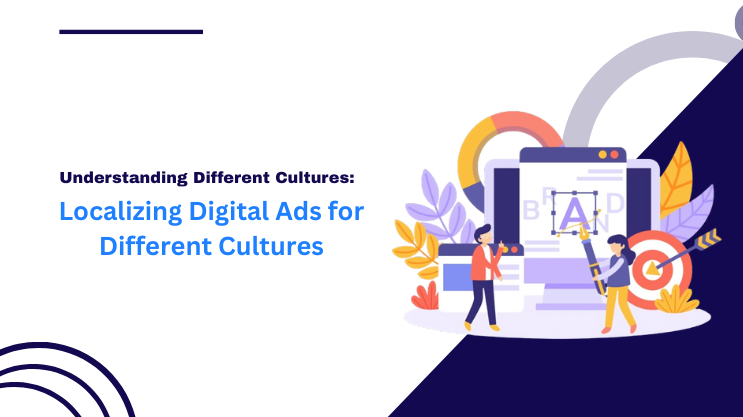
  • Localizing Digital Ads for Different Cultures

    Localizing Digital Ads for Different Cultures

    Digital advertising is no longer limited to local markets. Brands now reach global audiences across social media, search engines, and apps. However, an ad that works in one country may fail-or even offend-in another. Localizing digital ads for different cultures is essential for maximizing engagement, driving conversions, and protecting brand reputation.


    What Is Ad Localization?

    Ad localization goes beyond simple translation. It involves adapting content to reflect cultural nuances, local preferences, and regional trends while preserving brand messaging. This can include:

    • Language adaptation
    • Visual imagery adjustments
    • Color, symbols, and gestures
    • Calls-to-action suited to local behaviors
    • Cultural references and humor

    Why Localizing Ads Matters

    1. Cultural Relevance: Ads that resonate with local customs and values are more likely to capture attention.
    2. Higher Engagement: Users respond better to content they understand and identify with.
    3. Brand Credibility: Proper localization avoids misinterpretations or cultural faux pas.
    4. Better ROI: Ads optimized for local audiences often deliver higher click-through and conversion rates.

    Challenges in Ad Localization

    • Language Nuances: Idioms, humor, and tone must be adapted without losing brand voice.
    • Visual Sensitivity: Colors, images, and symbols can have different meanings in different cultures.
    • Platform Variations: Social media and search platforms may have unique audience behaviors in each region.
    • Time and Budget Constraints: Scaling campaigns globally requires careful planning and resources.

    Best Practices for Localizing Digital Ads

    1. Research the Target Market: Understand cultural norms, language preferences, and consumer behavior.
    2. Work with Professional Translators and Local Experts: Ensure both linguistic and cultural accuracy.
    3. Test Ad Variations: A/B testing localized ads can reveal what resonates best with each audience.
    4. Maintain Brand Consistency: Adapt content while keeping messaging and visual identity aligned with the brand.
    5. Monitor and Optimize: Track performance metrics to refine and improve localized campaigns over time.

    Tools to Assist in Ad Localization

    • Translation Management Systems (TMS): Streamline multilingual content management.
    • AI-Powered Localization Tools: Suggest culturally appropriate phrasing and imagery.
    • Digital Analytics Platforms: Measure engagement and conversions across regions.
    • Glossaries and Style Guides: Maintain consistency in brand language and terminology.

    Conclusion

    Localizing digital ads is more than translating words-it’s about creating meaningful connections with audiences across the globe. By understanding cultural differences and adapting content thoughtfully, brands can improve engagement, enhance customer experience, and achieve greater campaign success. Investing in professional localization ensures your digital ads speak the right language-both literally and culturally.

    digital ad localization, localizing digital ads, multilingual marketing campaigns, cultural adaptation in ads, global advertising strategy, international marketing, Honey Translation Services.


  • Cross-Cultural Negotiation: Translation’s Role in Success

    Cross-Cultural Negotiation: Translation’s Role in Success

    In today’s globalized business environment, cross-cultural negotiations are more common than ever. Businesses are no longer confined to local markets; they interact with clients, partners, and suppliers from diverse cultural backgrounds. One often underestimated factor that can make or break these negotiations is accurate translation and language support. At Honey Translation Services, we understand that language is not just a medium of communication – it’s a bridge to understanding cultural nuances, building trust, and ensuring business success.

    The Importance of Language in Cross-Cultural Negotiation

    Language goes beyond words. Every culture has its own communication styles, idioms, and etiquette that influence how messages are perceived. Misunderstandings due to language differences can lead to costly mistakes or lost opportunities. Professional translation ensures that your intentions are accurately conveyed, helping you maintain clarity and professionalism during negotiations.

    Accurate translation plays a vital role in preparing business proposals, contracts, and presentations. It also ensures that verbal discussions, emails, and reports reflect the same meaning across languages. Honey Translation Services specializes in contextual translation, which goes beyond literal word-for-word conversion to capture the tone, intention, and cultural subtleties.

    Cultural Awareness and Contextual Understanding

    Effective cross-cultural negotiation requires more than just language skills. Understanding the cultural context is equally important. For instance, the way business is conducted in Japan may differ significantly from practices in the United States or Brazil. Awareness of such cultural norms can influence negotiation strategies, decision-making, and relationship building.

    At Honey Translation Services, our translators are trained to incorporate cultural insights into every project. This ensures that your content resonates with the target audience and avoids potential cultural faux pas. By combining linguistic accuracy with cultural awareness, we help businesses communicate confidently in any international setting.

    Translation as a Strategic Business Tool

    Translation in negotiations is not just a support function – it’s a strategic tool. Properly translated documents and communications can enhance credibility, demonstrate respect for your partners, and facilitate smoother agreements. Companies that invest in professional translation are often viewed as more committed and reliable by their international counterparts.

    Whether it’s translating technical documents, financial reports, or marketing materials, Honey Translation Services provides specialized translation for various industries. Our team ensures that industry-specific terminology is accurately conveyed, helping you maintain authority and professionalism.

    Real-Time Support for Dynamic Negotiations

    In high-stakes negotiations, real-time communication support can be a game-changer. Interpretation services, both in-person and virtual, enable participants to converse fluently without language barriers. Honey Translation Services offers interpreting solutions that support video conferences, live meetings, and international trade shows, making it easier for your team to focus on strategy rather than linguistic hurdles.

    Building Trust Through Language

    Ultimately, trust is the cornerstone of any successful negotiation. Professional translation and interpretation demonstrate that you value clarity and understanding, which fosters stronger business relationships. With Honey Translation Services as your partner, you can approach cross-cultural negotiations with confidence, knowing that your message is accurate, culturally appropriate, and impactful.

    Conclusion

    Cross-cultural negotiations are complex, but the right language support can significantly increase your chances of success. From precise document translation to culturally aware interpretations, Honey Translation Services provides comprehensive solutions tailored to your business needs. Investing in professional translation is not just a service – it’s a strategic advantage in the global marketplace.

  • The Long-Term ROI of Professional Content Writing Services

    The Long-Term ROI of Professional Content Writing Services

    In a digital-first world, content is one of the most powerful business assets. While many organizations focus on short-term costs, professional content writing services deliver long-term returns that far outweigh the initial investment. High-quality content continues to attract, engage, and convert audiences long after it is published, making it a sustainable driver of business growth.

    1. Consistent Brand Voice and Messaging

    Professional writers ensure your brand voice remains consistent across all platforms and touchpoints. Clear, cohesive messaging builds familiarity and trust over time.

    Long-term value:

    • Stronger brand identity
    • Increased audience recognition
    • Enhanced brand credibility

    2. Improved Search Engine Visibility

    Expert content writers understand SEO best practices, including keyword strategy, search intent, and content structure. Well-optimized content ranks higher and continues to generate organic traffic for months or even years.

    SEO benefits:

    • Sustainable website traffic
    • Reduced dependency on paid ads
    • Higher lead quality

    3. Higher Engagement and Conversion Rates

    Professionally written content speaks directly to your audience’s needs and motivations. This leads to better engagement, longer time spent on pages, and improved conversion rates.

    Business impact:

    • Increased inquiries and sales
    • Better customer retention
    • Stronger audience relationships

    4. Content That Grows in Value Over Time

    Unlike short-term campaigns, quality content is an evergreen asset. Blogs, guides, case studies, and web pages continue to deliver value by educating and influencing audiences long after publication.

    Why it matters:

    • Ongoing lead generation
    • Long-lasting brand authority
    • Compounding returns on investment

    5. Reduced Costs Through Strategic Content

    Professional content reduces the need for frequent revisions, rework, and crisis management caused by unclear or inaccurate messaging. It also supports multiple marketing efforts across channels.

    Cost-saving advantages:

    • Fewer errors and corrections
    • Efficient content reuse
    • Better campaign alignment

    Conclusion

    Professional content writing services are not just a marketing expense-they are a long-term investment in your brand’s growth and credibility. With consistent messaging, SEO-driven visibility, and evergreen value, high-quality content continues to deliver measurable returns over time.

    Businesses that invest in professional content writing today build a strong foundation for sustained success tomorrow.