Author: admin

  • The Role of Neural Networks in Human-Like Translation

    The Role of Neural Networks in Human-Like Translation

    In today’s fast-paced global environment, accurate and natural translation is more crucial than ever. Businesses, educational institutions, and content creators require translations that not only convey meaning but also capture cultural nuances. Honey Translation Services leverages advanced neural network technology to provide translations that are remarkably human-like, ensuring your message resonates across languages.

    Understanding Neural Networks in Translation

    Neural networks are a subset of artificial intelligence (AI) modeled after the human brain. They excel at recognizing patterns and learning from vast amounts of data. In the context of translation, neural networks analyze millions of sentences, understand context, and predict the most natural way to express a message in another language.

    Unlike traditional rule-based translation, which relies on fixed grammar rules and dictionaries, neural networks adapt and learn from each translation task. This allows Honey Translation Services to deliver translations that feel more intuitive, culturally sensitive, and contextually accurate.

    How Neural Networks Mimic Human Translation

    Human translators consider more than just words; they factor in tone, style, and cultural context. Neural network-based translation models replicate this process by:

    • Contextual Analysis: Understanding the sentence as a whole rather than translating word by word.
    • Semantic Understanding: Recognizing idioms, phrases, and cultural references.
    • Adaptive Learning: Continuously improving from new data to enhance translation quality over time.

    With these capabilities, Honey Translation Services ensures that your content maintains its original meaning while being tailored to the target audience’s language preferences.

    Applications in Professional Translation Services

    Neural networks have transformed multiple aspects of translation:

    Proofreading and Localization

    When localizing content for a specific market, neural networks detect subtle language differences, cultural references, and idiomatic expressions. Honey Translation Services combines AI-driven insights with human expertise to ensure your content is relevant and engaging for local audiences.

    Transcription and Subtitling

    Neural network models excel in transcribing audio and video content with high accuracy. Honey Translation Services uses these models to provide precise transcriptions and subtitles in multiple languages, making your multimedia content accessible globally.

    Voice-Over and Dubbing

    For voice-over projects, neural networks analyze tone, pacing, and pronunciation, creating scripts that sound natural when spoken. Honey Translation Services leverages this technology to produce seamless dubbing that resonates with native speakers.

    Benefits of Human-Like Translation with Neural Networks

    Businesses that adopt neural network-powered translations through Honey Translation Services gain multiple advantages:

    • Efficiency: Faster translations without compromising quality.
    • Consistency: Uniform tone and terminology across all translated materials.
    • Scalability: Handle large volumes of content in multiple languages effortlessly.
    • Cultural Accuracy: Enhanced understanding of cultural nuances, idioms, and context.

    These benefits are particularly valuable for companies operating globally, educational content creators, and media producers who require precise, culturally aligned translations.

    The Future of Neural Network Translation

    The integration of neural networks in translation services continues to evolve. Honey Translation Services is committed to staying at the forefront of this technology, combining AI capabilities with human expertise. This hybrid approach ensures that translations are not only linguistically accurate but also culturally immersive, reflecting a true human touch.

    As neural networks advance, the line between machine and human translation blurs, enabling businesses and content creators to reach audiences worldwide with confidence and authenticity.

    Why Choose Honey Translation Services

    At Honey Translation Services, we understand that language is more than words – it’s about connecting people, ideas, and cultures. Our neural network-driven translations offer:

    • Precision and fluency in every language.
    • Tailored solutions for diverse industries.
    • A seamless blend of AI efficiency and human judgment.

    Whether you need business documents, marketing content, or multimedia localization, Honey Translation Services ensures that your message is delivered accurately, naturally, and effectively.
  • The Role of Translation in Cross-Border Digital Advertising

    The Role of Translation in Cross-Border Digital Advertising

    As businesses expand beyond domestic markets, digital advertising has become a powerful tool for reaching global audiences. However, successful cross-border digital advertising depends heavily on accurate and culturally relevant translation. Translation plays a critical role in ensuring that advertising messages are understood, trusted, and effective across different languages and regions.

    1. Connecting with Global Audiences in Their Language

    Consumers are more likely to engage with ads that speak their native language. Translation allows brands to communicate clearly and directly, making messages more relatable and increasing the chances of clicks, engagement, and conversions in international markets.

    2. Preserving Brand Voice and Messaging

    Digital ads must reflect a brand’s tone, personality, and values consistently across languages. Professional translation ensures that slogans, taglines, and calls to action retain their intended impact without sounding unnatural or losing meaning.

    3. Adapting Content for Cultural Relevance

    Cross-border advertising requires cultural sensitivity. Translation involves adapting expressions, visuals, and references to align with local customs and preferences. This prevents misunderstandings and helps ads resonate with regional audiences.

    4. Optimizing Ads for Multilingual SEO and Paid Search

    Translated ad content must align with local keywords and search behavior. Effective translation supports multilingual SEO and improves the performance of paid campaigns on platforms like Google Ads and social media, leading to better reach and return on investment.

    5. Enhancing User Experience Across Landing Pages

    Digital ads often lead users to landing pages. Consistent translation across ads and landing pages ensures a seamless user experience, reduces bounce rates, and increases the likelihood of conversions in global campaigns.

    6. Supporting Platform-Specific Advertising Requirements

    Different digital platforms have unique content guidelines and audience expectations. Translation ensures ad copy fits character limits, tone, and format requirements while remaining effective in each language.

    7. Building Trust and Brand Credibility

    Well-translated ads demonstrate professionalism and respect for international audiences. Clear and accurate messaging builds trust, making consumers more confident in engaging with a brand and its offerings.

    8. Measuring and Improving Campaign Performance

    Accurate translation allows marketers to test, analyze, and optimize ad performance across regions. Consistent messaging enables better comparison of results and helps refine strategies for future cross-border campaigns.

    In conclusion, translation is a vital component of successful cross-border digital advertising. By ensuring clarity, cultural relevance, and consistency, professional translation helps brands connect with global audiences, enhance campaign performance, and achieve sustainable international growth.

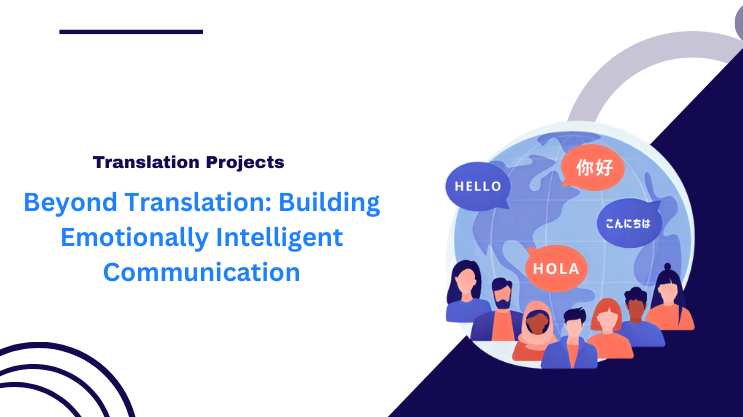
  • Beyond Translation: Building Emotionally Intelligent Communication

    Beyond Translation: Building Emotionally Intelligent Communication

    In today’s globalized world, communication is more than just words. Companies and individuals alike are realizing that successful interactions require emotional intelligence, cultural sensitivity, and an understanding of context. While translation services have traditionally focused on converting words from one language to another, Honey Translation Service takes this a step further – helping you create connections that resonate emotionally across languages and cultures.

    What Is Emotionally Intelligent Communication?

    Emotionally intelligent communication goes beyond literal translation. It focuses on conveying tone, context, and cultural nuance so that your message feels authentic to the audience. For instance, a marketing slogan that works well in English may fail in another language if cultural sentiments or emotional triggers are ignored.

    By integrating emotional intelligence into translations, companies can:

    • Build stronger brand loyalty by connecting with audiences on a personal level.
    • Avoid miscommunication pitfalls that could harm reputation.
    • Enhance user engagement across diverse regions.

    How Honey Translation Service Elevates Your Message

    At Honey Translation Service, we understand that words alone are not enough. Our services are designed to preserve both meaning and emotion, ensuring your communication is culturally relevant and contextually accurate.

    Proofreading and Localization

    Our team ensures that translated content is not just grammatically correct, but also resonates emotionally with your target audience. We adjust idioms, metaphors, and references to align with local culture.

    Voice Over & Dubbing

    Emotionally intelligent communication is especially crucial in audio-visual media. Our voice-over and dubbing services maintain the emotional tone of your original content, helping audiences feel the intended sentiment in their native language.

    Transcription Services

    Accurate transcription is the backbone of communication, especially for interviews, webinars, and meetings. Our team goes beyond word-for-word transcription to capture tone and intent, providing content that reflects the speaker’s emotions accurately.

    DTP & Typing Services

    Visual presentation plays a huge role in emotional impact. Honey Translation Service ensures that your design, typography, and layout are optimized for different languages without losing the emotional essence of your message.

    Why Emotionally Intelligent Translation Matters

    Companies often underestimate the power of emotional nuance. A simple phrase mistranslated can lead to confusion, offense, or disengagement. By focusing on emotionally intelligent communication, you can:

    • Increase global brand trust
    • Strengthen cross-cultural relationships
    • Achieve higher engagement and conversion rates

    Honey Translation Service equips your brand with the tools to communicate emotionally and culturally across borders, ensuring your message is understood, appreciated, and acted upon.

    Key Takeaways

    1. Translation is more than words – it’s about meaning, context, and emotion.
    2. Cultural adaptation ensures your message resonates authentically.
    3. Honey Translation Service provides end-to-end solutions for text, audio, and visual content.
    4. Emotionally intelligent communication builds trust, engagement, and loyalty across global markets.

    In a world where communication is key, relying solely on literal translation is no longer enough. With Honey Translation Service, your messages don’t just cross language barriers – they connect hearts and minds.

  • How Language Localization Impacts User Trust and Brand Loyalty

    How Language Localization Impacts User Trust and Brand Loyalty

    In a global digital landscape, users expect brands to communicate in ways that feel familiar, clear, and culturally relevant. Language localization plays a vital role in shaping how audiences perceive a brand. When content is adapted thoughtfully for local markets, it builds trust, strengthens emotional connection, and encourages long-term brand loyalty.

    1. Creating a Sense of Familiarity and Comfort

    When users interact with content in their native language, they feel more comfortable and confident. Localization removes language barriers and creates a sense of familiarity, making users more willing to explore products, engage with content, and complete transactions.

    2. Enhancing Clarity and Understanding

    Clear communication is the foundation of trust. Localization ensures that instructions, product details, policies, and support information are easy to understand. This reduces confusion, minimizes errors, and reassures users that the brand values transparency and accuracy.

    3. Demonstrating Cultural Respect

    Localized content reflects an understanding of cultural norms, values, and communication styles. By respecting local customs and expressions, brands show they care about their audience, which strengthens credibility and builds positive brand perception.

    4. Improving User Experience Across Touchpoints

    From websites and mobile apps to emails and customer support, localization ensures a consistent and seamless experience. A smooth user journey in the local language enhances satisfaction and encourages users to return, reinforcing loyalty over time.

    5. Building Emotional Connection with the Brand

    Language carries emotion. Localized messaging that uses familiar phrases, tone, and expressions helps users connect emotionally with a brand. This emotional bond increases trust and makes customers more likely to choose the brand over competitors.

    6. Increasing Confidence in Purchase Decisions

    Users are more likely to trust and purchase from a brand when product descriptions, pricing, and policies are clearly localized. Accurate language reduces uncertainty, boosts confidence, and positively influences buying decisions.

    7. Strengthening Brand Credibility and Professionalism

    A brand that invests in high-quality localization appears more professional and reliable. Poorly translated or generic content can damage credibility, while well-localized content signals commitment to quality and customer care.

    8. Encouraging Long-Term Loyalty and Advocacy

    Trust built through localization leads to loyalty. Satisfied users are more likely to return, recommend the brand to others, and become long-term advocates. Localization turns one-time users into loyal customers by making them feel valued and understood.

    In conclusion, language localization is a powerful driver of user trust and brand loyalty. By communicating clearly, respecting cultural differences, and delivering meaningful experiences in local languages, brands can build stronger relationships with global audiences and achieve lasting success across markets.

  • How AI Will Predict the Next Global Language Trends

    How AI Will Predict the Next Global Language Trends

    In an era where globalization is accelerating, communication across languages is more important than ever. Businesses, content creators, and individuals are constantly seeking ways to connect with a global audience. The rise of Artificial Intelligence (AI) is revolutionizing how we understand language trends and predict which languages will dominate in the near future. At Honey Translation Services, we leverage these technological advancements to ensure our clients are always ahead in the multilingual world.

    The Role of AI in Language Prediction

    AI algorithms are now capable of analyzing massive amounts of linguistic data, social media interactions, online content, and international business trends. By examining this data, AI can identify emerging languages, rising regional dialects, and shifts in global language demand.

    For instance, AI can track which languages are gaining popularity in tech industries, e-commerce, or entertainment. This allows businesses to localize their content efficiently, ensuring they reach audiences in languages that are trending worldwide.

    Benefits for Businesses and Content Creators

    Understanding and predicting global language trends has several advantages:

    • Targeted Localization: Companies can prioritize translation and localization in languages that will bring the highest ROI.
    • Enhanced Customer Engagement: Engaging with users in their preferred language improves trust, loyalty, and user experience.
    • Global Market Expansion: Anticipating language trends gives businesses a strategic advantage in emerging markets.

    Honey Translation Services integrates AI insights into our localization, transcription, and voice-over services, allowing clients to tap into these opportunities seamlessly.

    How AI Identifies Emerging Languages

    AI models analyze factors such as:

    1. Online Activity: Monitoring social media platforms, blogs, and forums to identify which languages are increasingly used.
    2. Economic Trends: Predicting demand based on the growth of regions where specific languages are spoken.
    3. Content Consumption Patterns: Observing streaming platforms, e-learning, and digital media to detect rising language popularity.

    By combining these factors, AI provides actionable insights for businesses aiming to expand internationally.

    Honey Translation Services’ Approach

    At Honey Translation Services, we use AI-assisted tools to support our clients in staying ahead of global language trends. Our services include:

    • Localization Services: Adapting websites, apps, and marketing content for languages predicted to be in demand.
    • Transcription & DTP Services: Ensuring all content is ready in multiple formats for emerging language markets.
    • Voice Over & Dubbing: Catering to the growing demand for audio content in trending languages.

    Our team of language experts works in tandem with AI insights to ensure translations are not only accurate but culturally relevant, keeping your global communications effective.

    Future Implications

    AI will continue to transform the way we approach multilingual communication. Predicting language trends early can give businesses a first-mover advantage, especially in sectors like e-commerce, online education, gaming, and entertainment.

    Moreover, with AI, content creators can make informed decisions about which languages to focus on, optimizing both reach and engagement. At Honey Translation Services, we are committed to integrating these advancements into our services, helping clients navigate the evolving linguistic landscape.

    Conclusion

    Artificial Intelligence is no longer just a technological buzzword – it is a powerful tool for predicting global language trends. By leveraging AI, businesses and content creators can stay ahead of the curve, reaching audiences in the languages that matter most. Honey Translation Services combines AI insights with expert linguistic services to ensure your content is prepared for the multilingual world of tomorrow.

  • Translating Marketing Campaigns for Seasonal Promotions

    Translating Marketing Campaigns for Seasonal Promotions

    Seasonal promotions are powerful opportunities for brands to connect with audiences during festivals, holidays, and special events. However, when campaigns cross borders, simple translation is not enough. Translating marketing campaigns for seasonal promotions requires cultural understanding, creativity, and strategic localization to ensure your message resonates with global audiences while maintaining brand consistency.


    Why Seasonal Campaign Translation Is Crucial

    1. Cultural Relevance: Seasonal events differ across regions. Localization ensures campaigns align with local traditions and values.
    2. Stronger Emotional Connection: Well-translated campaigns evoke the right emotions, increasing customer engagement.
    3. Higher Conversion Rates: Clear and culturally appropriate messaging drives better responses and sales.
    4. Global Brand Consistency: Accurate translation helps maintain your brand voice across all markets.

    Common Challenges in Translating Seasonal Marketing Campaigns

    • Cultural Differences: Festivals and holidays may not have direct equivalents in other countries.
    • Time Sensitivity: Seasonal campaigns require quick turnaround without compromising quality.
    • Creative Language: Slogans, taglines, and wordplay are difficult to translate literally.
    • Visual and Text Alignment: Text length variations can affect design and layout.

    Best Practices for Translating Seasonal Promotions

    1. Focus on Transcreation: Adapt the message creatively rather than translating word-for-word.
    2. Work with Native Experts: Native linguists understand cultural nuances and seasonal relevance.
    3. Plan Localization Early: Involve translation teams during campaign planning to avoid delays.
    4. Maintain Brand Voice: Use glossaries and style guides to keep messaging consistent.
    5. Test Before Launch: Review campaigns with local audiences to ensure clarity and impact.

    Content That Needs Localization in Seasonal Campaigns

    • Promotional slogans and taglines
    • Email marketing content
    • Social media ads and captions
    • Website banners and landing pages
    • Video subtitles and voice-overs
    • Print and digital advertisements

    Conclusion

    Translating marketing campaigns for seasonal promotions is essential for brands aiming to connect with global audiences effectively. By combining linguistic accuracy with cultural adaptation and creative localization, businesses can maximize the impact of their seasonal campaigns worldwide. Partnering with professional translation services ensures timely delivery, brand consistency, and stronger customer engagement across markets.

    Seasonal marketing translation, marketing campaign localization, promotional content translation, multilingual marketing campaigns, global seasonal promotions, marketing translation services, Honey Translation Services.


  • How Cultural Adaptation Impacts International Advertising

    How Cultural Adaptation Impacts International Advertising

    In an increasingly globalized marketplace, brands are no longer limited by borders-but cultural differences still play a powerful role in how messages are received. What works in one country may fail or even offend in another. This is where cultural adaptation becomes essential in international advertising. Beyond language translation, cultural adaptation ensures that campaigns resonate emotionally, socially, and culturally with diverse audiences.


    What Is Cultural Adaptation in Advertising?

    Cultural adaptation refers to modifying advertising content to align with the cultural values, beliefs, traditions, and consumer behaviors of a target market. This includes adapting:

    • Language and tone
    • Visual elements and colors
    • Symbols, humor, and storytelling
    • Social norms and values

    The goal is to make the advertisement feel local while preserving the brand’s core identity.


    Why Cultural Adaptation Matters in Global Campaigns

    1. Builds Emotional Connection: Ads that reflect local culture feel more relatable and authentic.
    2. Avoids Cultural Misunderstandings: Poorly adapted ads can confuse or offend audiences, damaging brand reputation.
    3. Increases Brand Trust: Respecting cultural nuances shows sensitivity and commitment to local markets.
    4. Boosts Engagement and Conversions: Culturally relevant messaging encourages better audience response and action.

    Common Challenges in International Advertising

    • Different Cultural Values: Individualism vs. collectivism can influence messaging styles.
    • Visual Misinterpretation: Colors, gestures, and symbols may have different meanings across cultures.
    • Humor and Idioms: Jokes or wordplay often don’t translate effectively without adaptation.
    • Legal and Ethical Standards: Advertising regulations vary by country and must be carefully followed.

    Best Practices for Cultural Adaptation in Advertising

    1. Conduct Cultural Research: Understand local customs, preferences, and sensitivities before launching campaigns.
    2. Use Localization Experts: Professional translators and cultural consultants ensure accurate adaptation.
    3. Adapt Visuals and Messaging: Align imagery, design, and tone with local expectations.
    4. Test Campaigns Locally: Pilot ads in target markets to gather feedback and refine messaging.
    5. Maintain Brand Consistency: Adapt content without losing your brand’s global identity and values.

    The Role of Professional Translation & Localization Services

    Professional translation and localization services play a crucial role in international advertising success. They ensure that slogans, taglines, and campaign messages are not only linguistically correct but culturally impactful. With expert localization, brands can confidently expand into global markets while maintaining credibility and engagement.


    Conclusion

    Cultural adaptation is not optional-it is essential for effective international advertising. Brands that invest in culturally adapted campaigns can connect more deeply with global audiences, avoid costly mistakes, and achieve long-term success in international markets. By combining strategic localization with professional translation services, businesses can transform global advertising into meaningful local experiences.

    Cultural adaptation in advertising, international advertising localization, global marketing translation, cross-cultural advertising, multilingual advertising campaigns, Honey Translation Services.

  • The Role of Certified Translators in Immigration Processes

    The Role of Certified Translators in Immigration Processes

    Immigration is a life-changing journey that involves extensive documentation and strict legal requirements. From visas and residency permits to citizenship applications, accurate document translation is critical. Certified translators play a crucial role in immigration processes by ensuring documents are translated precisely, legally, and in compliance with government standards.


    Why Certified Translation Is Essential for Immigration

    Immigration authorities require officially translated documents to avoid misinterpretation and fraud. Certified translations provide:

    • Legal Accuracy: Every detail is translated faithfully without omissions or errors.
    • Official Acceptance: Certified translations are recognized by embassies, consulates, and immigration offices.
    • Consistency: Names, dates, and technical terms remain uniform across documents.

    Documents That Require Certified Translators

    Certified translators are essential for translating:

    • Birth, marriage, and death certificates
    • Passports and identity documents
    • Educational transcripts and diplomas
    • Police clearance certificates
    • Medical records and legal affidavits

    Even minor inaccuracies in these documents can result in application delays or rejections.


    Key Responsibilities of Certified Translators

    1. Accuracy and Completeness: Translating every word exactly as it appears in the original document.
    2. Confidentiality: Handling sensitive personal and legal information securely.
    3. Compliance with Regulations: Meeting country-specific immigration translation requirements.
    4. Certification Statement: Providing a signed declaration confirming the accuracy of the translation.

    Challenges in Immigration Translation

    • Legal Terminology: Immigration documents contain complex legal language that requires expertise.
    • Country-Specific Rules: Each country has different standards for certified translations.
    • Time Sensitivity: Immigration timelines are often strict, leaving no room for delays.

    Professional certified translators are trained to manage these challenges efficiently.


    How Certified Translators Support Successful Immigration

    By working with certified translators, applicants benefit from:

    • Faster processing of immigration applications
    • Reduced risk of rejection due to translation errors
    • Confidence that documents meet official standards
    • Smooth communication with immigration authorities

    Conclusion

    Certified translators play an indispensable role in immigration processes. Their expertise ensures that official documents are accurately translated, legally compliant, and accepted by immigration authorities worldwide. Investing in certified translation services not only saves time but also increases the chances of a successful immigration outcome.

    certified translation for immigration, immigration document translation, certified translators, visa document translation, legal translation services, Honey Translation Services.

  • Translating Video Games for Cross-Cultural Audiences

    Translating Video Games for Cross-Cultural Audiences

    The global gaming industry thrives on diversity, creativity, and immersive experiences. As video games reach players across continents, translating them for cross-cultural audiences becomes essential. Game translation is not just about language-it’s about adapting narratives, humor, visuals, and gameplay elements so players everywhere enjoy the same emotional impact.


    Why Video Game Translation Matters

    1. Global Market Expansion: Localized games can reach new regions and increase downloads, engagement, and revenue.
    2. Player Immersion: Accurate, culturally adapted translations help players fully connect with characters and storylines.
    3. Brand Loyalty: Gamers are more likely to trust and recommend games that feel native in their language.
    4. Competitive Advantage: High-quality localization helps games stand out in crowded international markets.

    Key Challenges in Translating Video Games

    • Cultural References: Jokes, slang, and pop culture elements often require creative adaptation.
    • Character Limits: Dialog boxes, menus, and UI elements have space constraints.
    • Contextual Meaning: Words can change meaning depending on gameplay situations or player choices.
    • Technical Constraints: Text must integrate seamlessly with code, UI, and voice-over timing.

    Best Practices for Video Game Localization

    1. Provide Full Context: Share gameplay videos, scripts, and screenshots with translators.
    2. Use Native Language Experts: Professional linguists understand cultural nuances and gaming terminology.
    3. Maintain Consistent Terminology: Create glossaries for characters, items, and game mechanics.
    4. Test in Real Gameplay: Linguistic and functional testing ensures translations fit naturally in the game.
    5. Adapt Beyond Text: Localize voice-overs, subtitles, graphics, and even color symbolism where needed.

    Tools Used in Game Translation

    • Localization Platforms: Manage multilingual content and updates efficiently.
    • Translation Memory Tools: Ensure consistency across game versions and expansions.
    • In-Context Review Tools: Allow translators to see text within the actual game environment.
    • Quality Assurance Software: Detect linguistic and technical issues before launch.

    Conclusion

    Translating video games for cross-cultural audiences is a complex but rewarding process. It blends language expertise with cultural understanding and technical precision. By investing in professional game localization services, developers can deliver engaging, immersive experiences that resonate with players worldwide and build lasting global success.

    video game translation, game localization services, cross-cultural gaming, multilingual video games, gaming translation, Honey Translation Services.

  • How Multilingual Analytics Improve Translation Strategies

    How Multilingual Analytics Improve Translation Strategies

    In a globalized digital landscape, translation is no longer just about language-it’s about performance, data, and measurable impact. Multilingual analytics provide valuable insights into how translated content performs across regions, helping businesses refine translation strategies and deliver better results. By combining language expertise with data-driven insights, companies can achieve higher accuracy, engagement, and return on investment.


    What Are Multilingual Analytics?

    Multilingual analytics involve tracking and analyzing user behavior, engagement, and performance metrics across different languages and regions. These insights help organizations understand how localized content resonates with global audiences.

    Key data points include:

    • Page engagement by language
    • Conversion rates across regions
    • Bounce rates for translated pages
    • Search performance in local languages

    Why Multilingual Analytics Matter in Translation

    1. Improved Translation Quality: Analytics highlight which translations perform well and which need refinement.
    2. Audience-Centric Localization: Data reveals cultural and linguistic preferences unique to each market.
    3. Cost Optimization: Focus translation efforts on high-performing languages and content types.
    4. Measurable ROI: Track how translation impacts leads, conversions, and customer engagement.

    How Analytics Shape Smarter Translation Strategies

    • Identifying High-Impact Content: Analytics show which pages or campaigns perform best in specific languages.
    • Optimizing Tone and Terminology: Engagement metrics help refine language style and messaging.
    • Prioritizing Languages: Data-driven insights determine which markets deserve expanded localization.
    • Continuous Improvement: Ongoing analysis ensures translation strategies evolve with user behavior.

    Tools Used in Multilingual Analytics

    • Google Analytics (GA4): Track language-based traffic and conversion metrics.
    • Search Console: Analyze multilingual SEO performance.
    • Translation Management Systems (TMS): Integrate analytics for workflow efficiency.
    • User Feedback Tools: Collect language-specific user feedback for quality improvements.

    Best Practices for Using Multilingual Analytics

    1. Set clear KPIs for each language and region.
    2. Combine linguistic review with performance data.
    3. Regularly update translation glossaries based on analytics insights.
    4. Align analytics findings with localization and marketing teams.
    5. Partner with professional translation services for data-informed localization.

    Conclusion

    Multilingual analytics transform translation from a static process into a dynamic, performance-driven strategy. By leveraging data insights, businesses can improve translation quality, enhance global user experience, and maximize the impact of their multilingual content. At Honey Translation Services, combining analytics with linguistic expertise ensures smarter, more effective translation strategies for global success.

    multilingual analytics, translation strategy optimization, data-driven localization, global content analytics, multilingual SEO, Honey Translation Services.