Author: admin

  • The Future of Translation: Trends Every Global Company Should Know

    The Future of Translation: Trends Every Global Company Should Know

    As global markets continue to expand, translation is no longer a support function-it is a strategic necessity. Advances in technology, changing customer expectations, and the demand for faster global communication are reshaping the translation industry. Understanding these emerging trends can help global companies stay competitive, compliant, and culturally relevant.

    1. AI-Powered Translation with Human Expertise

    Artificial intelligence and machine translation have significantly improved speed and efficiency. However, human linguists remain essential for accuracy, cultural relevance, and context-sensitive content.

    What this means for businesses:

    • Faster turnaround times
    • Cost-efficient workflows
    • High-quality output through human review

    2. Increased Focus on Localization Over Translation

    Companies are moving beyond word-for-word translation toward full localization-adapting content to local cultures, preferences, and market expectations.

    Key advantages:

    • Improved customer engagement
    • Higher conversion rates
    • Stronger local brand presence

    3. Demand for Industry-Specific Translation

    As content becomes more complex, companies require translators with subject-matter expertise in fields such as legal, medical, financial, and technical industries.

    Why it matters:

    • Terminology accuracy
    • Regulatory compliance
    • Reduced business risk

    4. Real-Time and Multilingual Communication

    Global companies increasingly rely on real-time communication tools, including live interpretation, multilingual chat, and AI-assisted customer support.

    Business impact:

    • Faster customer response
    • Enhanced global collaboration
    • Improved customer satisfaction

    5. Data Security and Confidentiality

    With growing concerns around data privacy, secure translation processes are becoming a top priority. Companies expect strict confidentiality, secure platforms, and compliance with data protection regulations.

    Key focus areas:

    • Secure file handling
    • NDA-backed translation workflows
    • Compliance with global data laws

    6. Multilingual Content for Digital and Voice Platforms

    The rise of voice search, video content, and global eCommerce platforms is increasing demand for multilingual digital content, subtitles, and voice-over services.

    Future-ready benefits:

    • Improved accessibility
    • Broader digital reach
    • Enhanced user experience

    Conclusion

    The future of translation is shaped by technology, localization, and human expertise working together. Global companies that stay informed and adapt to these trends will communicate more effectively, build stronger international relationships, and expand confidently into new markets.

    Investing in future-ready translation strategies today ensures global success tomorrow.

  • Multilingual Legal Documents: Accuracy in a Globalized World

    Multilingual Legal Documents: Accuracy in a Globalized World

    In today’s globalized business environment, legal documents often need to cross borders, languages, and cultures. From contracts and agreements to compliance forms and patents, precision in translation is non-negotiable. Even a minor error in legal wording can lead to misunderstandings, financial loss, or legal disputes. This makes professional multilingual legal document translation an essential service for businesses and individuals alike.

    Honey Translation Service specializes in delivering accurate, reliable, and culturally appropriate translations for legal documents worldwide. With our expertise, clients can ensure that their legal content maintains its original intent across languages.

    The Importance of Accuracy in Legal Document Translation

    Legal documents carry high stakes. Accuracy is not just about translating words – it’s about translating meaning. Terms in law may have nuanced interpretations depending on jurisdiction, and mistranslation can result in severe consequences.

    For example, a simple difference in wording in a contract can change obligations or liabilities. Honey Translation Service employs certified translators with legal expertise to guarantee that every term, clause, and nuance is preserved.

    Challenges in Translating Legal Documents

    Translating legal content is complex due to:

    • Legal Terminology: Legal terms often have no direct equivalent in other languages. Professional translators ensure the correct interpretation according to local laws.
    • Cultural Nuances: Legal procedures and document structures vary across countries. A translator must adapt content while retaining its original legal force.
    • Consistency: Maintaining consistency across multiple documents and languages is crucial, especially in large contracts or multinational agreements.

    Honey Translation Service tackles these challenges by combining linguistic expertise with legal knowledge, ensuring translations are both precise and culturally sensitive.

    Services Offered for Legal Document Translation

    Honey Translation Service offers a comprehensive range of services for legal translation needs:

    • Contracts and Agreements: From employment contracts to NDAs, we ensure clarity and enforceability across languages.
    • Court Documents: Accurate translation for affidavits, pleadings, and other judicial paperwork.
    • Patents and Intellectual Property: Translating technical and legal jargon with precision to protect intellectual property rights globally.
    • Compliance and Regulatory Documents: Accurate translations to meet international regulatory requirements.

    Each translation undergoes strict quality control and multiple rounds of proofreading to guarantee perfection.

    Why Choose Honey Translation Service

    Businesses and individuals choose Honey Translation Service for several reasons:

    1. Certified Translators: Our translators are not only linguists but also have expertise in legal practices and terminology.
    2. Confidentiality: We maintain the highest level of privacy and confidentiality for sensitive legal documents.
    3. Fast Turnaround: Time-sensitive legal translations are delivered efficiently without compromising quality.
    4. Cultural Expertise: We ensure your documents are legally and culturally appropriate for the target audience.

    Our approach ensures that every legal document is accurate, professional, and reliable, fostering trust in international business transactions.

    Conclusion

    In a world where businesses operate across borders and languages, multilingual legal document translation is indispensable. Accuracy, cultural sensitivity, and professionalism are key to avoiding costly mistakes and legal complications. Honey Translation Service bridges the language gap, providing precise translations that uphold the integrity of your legal documents.

    When it comes to legal translation, trust matters. Ensure your global communications are error-free, clear, and legally sound with Honey Translation Service.

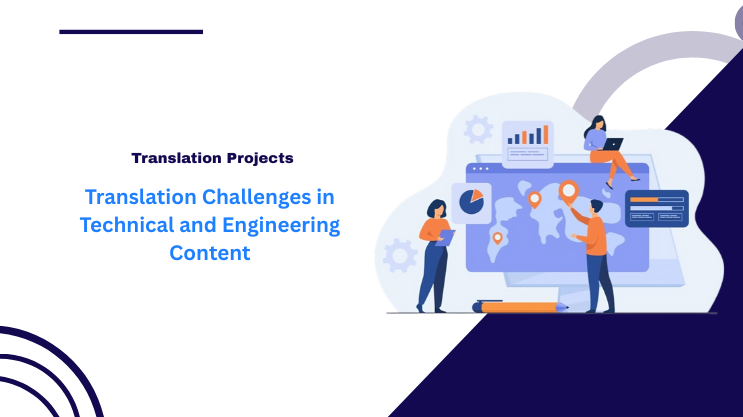
  • Translation Challenges in Technical and Engineering Content

    Translation Challenges in Technical and Engineering Content

    Technical and engineering content requires precision, clarity, and accuracy. From manuals and specifications to user guides and technical reports, every term matters. Translating such content for global audiences involves unique challenges that go beyond language, encompassing technical understanding, industry standards, and cultural considerations. Properly addressing these challenges ensures safety, usability, and effective communication.

    1. Maintaining Technical Accuracy

    One of the biggest challenges is preserving the exact meaning of technical terms and specifications. A small error in translation can lead to misinterpretation, safety risks, or operational failures. Professional translators must have subject-matter expertise to ensure precise and accurate content.

    2. Handling Complex Terminology

    Engineering documents often include specialized jargon, abbreviations, and industry-specific terminology. Translators must be familiar with both the source and target industry terminology, using glossaries and translation memory systems to maintain consistency across documents.

    3. Adhering to International Standards

    Technical and engineering content often follows international standards, such as ISO, ANSI, or IEEE. Translations must comply with these standards to ensure global usability, regulatory compliance, and acceptance by professional audiences.

    4. Managing Measurement Units and Conventions

    Different countries use different measurement systems, formats, and conventions. Translators must accurately convert units, currencies, date formats, and symbols to match the expectations of the target audience while avoiding calculation errors.

    5. Preserving Clarity and Readability

    Technical content can be dense and complex. Translators must ensure that translated content remains clear and easy to understand, especially for end-users who rely on instructions, troubleshooting guides, or safety manuals.

    6. Integrating Visuals and Documentation

    Technical content often includes diagrams, charts, schematics, and tables. Translators must work closely with designers and engineers to localize text within visuals, ensuring that information remains accurate and aligned with images or illustrations.

    7. Handling Software and Digital Documentation

    Many engineering documents are embedded in software, apps, or interactive platforms. Translators must account for space constraints, coding limitations, and interface localization to ensure content fits seamlessly within digital systems.

    8. Quality Assurance and Review

    Technical translations require rigorous proofreading, editing, and validation by experts. Quality assurance processes, including reviews by engineers and subject-matter specialists, help prevent errors and ensure reliability.

    9. Managing Time and Project Complexity

    Large-scale technical projects often involve multiple documents, languages, and stakeholders. Efficient project management, translation memory usage, and collaboration with engineers are critical to meet deadlines while maintaining quality.

    In conclusion, translating technical and engineering content is a highly specialized task that demands linguistic expertise, technical knowledge, and attention to detail. By addressing challenges related to accuracy, terminology, standards, visuals, and readability, businesses can produce reliable translations that ensure safety, usability, and effective communication across global markets.

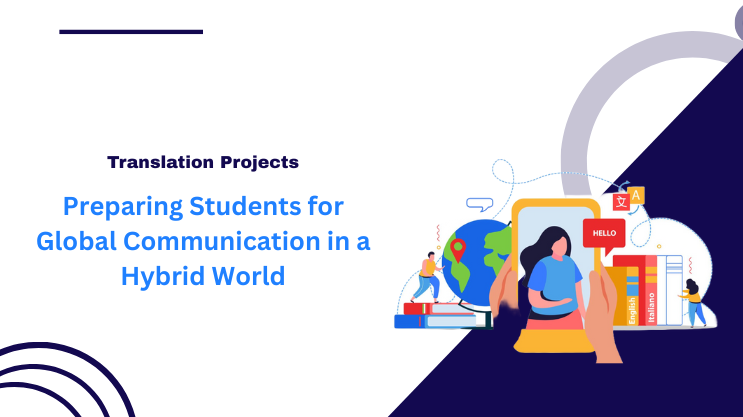
  • Preparing Students for Global Communication in a Hybrid World

    Preparing Students for Global Communication in a Hybrid World

    In today’s increasingly connected world, effective communication extends beyond borders, languages, and cultures. As education shifts to hybrid models – blending in-person and online learning – students need the skills to communicate globally. Honey Translation Services provides the tools and expertise that make this transition seamless, enabling students to thrive in multicultural environments.

    The Importance of Global Communication Skills

    Global communication skills are essential for students to succeed academically, professionally, and personally. In a hybrid world, where online interactions often cross geographic boundaries, students must navigate different languages, cultural norms, and communication styles.

    By mastering global communication, students can:

    • Collaborate effectively with peers and educators worldwide.
    • Access a wealth of knowledge and resources in multiple languages.
    • Develop cultural sensitivity and awareness, fostering inclusivity.
    • Prepare for international careers and academic opportunities.

    Honey Translation Services helps bridge these gaps by providing high-quality translation, localization, and transcription services tailored to the educational sector.

    Leveraging Technology in Hybrid Learning

    Hybrid learning combines traditional classroom experiences with online platforms. While technology facilitates global interaction, it also introduces challenges such as language barriers and miscommunication.

    Tools like Honey Translation Services’ real-time translation and transcription solutions allow students to participate actively in virtual classrooms, access study materials in their preferred language, and communicate with peers from different regions without limitations.

    For instance, a student attending a virtual lecture in Japan can receive accurate transcripts and translations in English or any other language supported, ensuring no loss of context or understanding.

    Localization: Making Content Accessible

    Localization goes beyond simple translation. It involves adapting content to suit cultural, linguistic, and regional contexts.

    Honey Translation Services specializes in educational content localization, ensuring that learning materials, online courses, and digital resources resonate with students from diverse backgrounds. This includes:

    • Translating curriculum documents while maintaining educational accuracy.
    • Adjusting multimedia content, such as videos or infographics, for cultural relevance.
    • Ensuring accessibility for students with different linguistic needs.

    Through proper localization, students can engage with content more effectively, leading to better learning outcomes and a more inclusive educational experience.

    The Role of Transcription in Hybrid Classrooms

    Accurate transcription is crucial in hybrid classrooms, where lectures, discussions, and group work often happen online. Transcription services convert spoken content into written format, allowing students to:

    • Review lessons at their own pace.
    • Clarify complex concepts in their preferred language.
    • Participate more actively, even in asynchronous learning environments.

    Honey Translation Services’ transcription solutions also provide multilingual options, ensuring that language differences do not hinder a student’s learning journey.

    Preparing Students for International Careers

    Global communication skills, supported by accurate translation and localization, prepare students for international careers. Students familiar with cross-cultural communication are better equipped to:

    • Collaborate with multinational teams.
    • Navigate global markets and academic collaborations.
    • Enhance employability by demonstrating cultural competence.

    Honey Translation Services acts as a partner in this preparation, offering tailored services that equip students for success in a connected world.

    Conclusion

    As hybrid learning becomes the norm, preparing students for global communication is more critical than ever. By leveraging translation, localization, and transcription services, educators can break down language barriers and create a truly inclusive learning environment.

    Honey Translation Services ensures that students are not just participants but active contributors in a global academic community. By integrating these solutions, schools and institutions empower students to communicate confidently, collaborate effectively, and succeed on an international stage.

  • How Localization Supports Global Customer Onboarding

    How Localization Supports Global Customer Onboarding

    Customer onboarding is the first meaningful interaction users have with a product or service. For global businesses, onboarding must be clear, intuitive, and culturally relevant across different regions. Localization plays a critical role in ensuring that international customers understand, trust, and successfully adopt a product from the very beginning.

    1. Communicating Clearly in the User’s Native Language

    Localized onboarding content ensures instructions, tutorials, and messages are delivered in the user’s preferred language. This reduces confusion, helps users understand features faster, and creates a more comfortable and welcoming first experience.

    2. Adapting Onboarding Content to Cultural Expectations

    Different cultures interpret instructions, visuals, and tone differently. Localization adjusts messaging style, formality, and examples to match local expectations, making onboarding feel natural rather than foreign or confusing.

    3. Simplifying Product Understanding and Usage

    Clear, localized explanations of features and workflows help users quickly grasp how a product works. This reduces learning curves, minimizes errors, and encourages users to explore features with confidence.

    4. Improving User Engagement from the First Interaction

    When onboarding content feels relevant and easy to follow, users are more likely to stay engaged. Localization helps build early trust and motivation, increasing the chances of long-term product adoption.

    5. Reducing Support Requests and Drop-Off Rates

    Well-localized onboarding materials answer common questions upfront. This reduces the need for customer support, lowers abandonment rates, and ensures smoother user journeys across different markets.

    6. Aligning Visuals and UI Elements with Local Preferences

    Localization extends beyond text to include visuals, icons, layouts, and navigation. Adapting these elements to local preferences improves usability and ensures the onboarding process feels intuitive and user-friendly.

    7. Supporting Multilingual Help and Guidance Resources

    Providing localized FAQs, tooltips, and help documentation ensures users can access support in their own language. This continuous guidance reinforces confidence throughout the onboarding journey.

    8. Strengthening Trust and Long-Term Customer Relationships

    Localized onboarding shows that a business values its global customers and respects their language and culture. This builds trust, strengthens relationships, and lays the foundation for long-term loyalty and retention.

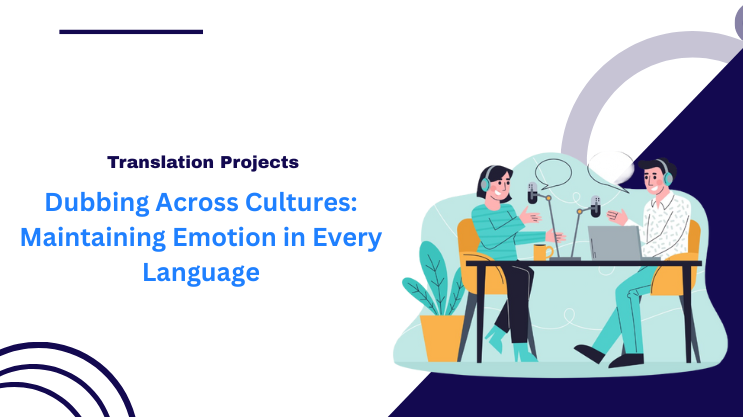
  • Dubbing Across Cultures: Maintaining Emotion in Every Language

    Dubbing Across Cultures: Maintaining Emotion in Every Language

    In today’s globalized world, content transcends borders. Whether it’s films, advertisements, e-learning modules, or corporate videos, reaching a global audience requires more than just translation – it demands dubbing that preserves emotion, context, and cultural nuances. At Honey Translation Services, we specialize in ensuring your content resonates across languages without losing its emotional essence.

    The Importance of Dubbing in Global Content

    Dubbing goes beyond merely replacing words with another language. It’s about capturing the voice, tone, and emotion of the original content. A poorly dubbed video can feel unnatural, causing audiences to disengage. Conversely, professional dubbing ensures:

    • Authenticity: Maintaining the original emotional tone of the content.
    • Engagement: Keeping viewers connected with natural-sounding dialogue.
    • Cultural Relevance: Adapting idioms, jokes, and cultural references so they make sense in the target language.

    For businesses and content creators, dubbing is no longer optional – it’s a key tool for effective communication.

    Challenges in Dubbing Across Cultures

    Dubbing is a complex process, especially when content travels across diverse linguistic and cultural landscapes. Some common challenges include:

    Lip-Sync and Timing

    Matching translated dialogue with the original speaker’s lip movements is crucial. Misalignment can break immersion and make content appear unprofessional.

    Emotional Fidelity

    Different cultures express emotions differently. A line meant to convey excitement in English might require subtle tonal adjustments in Japanese or Spanish to have the same impact.

    Cultural Sensitivity

    Certain expressions, gestures, or references might be inappropriate or confusing in other cultures. Dubbing experts must navigate these differences carefully to avoid miscommunication.

    At Honey Translation Services, our team of native speakers and dubbing professionals addresses these challenges with precision, ensuring your content feels natural and engaging in any language.

    Our Approach to Emotion-Preserving Dubbing

    We follow a structured process that combines linguistic expertise, technical precision, and cultural insight:

    1. Content Analysis
      We review the script, visuals, and target audience to identify emotional beats and cultural nuances.
    2. Voice Casting
      Selecting the right voice is critical. We choose voice actors who can match the tone, style, and personality of the original speaker.
    3. Translation & Adaptation
      Beyond literal translation, we adapt dialogue for cultural relevance while maintaining emotional integrity.
    4. Recording & Synchronization
      Using state-of-the-art recording technology, we ensure dialogue matches lip movements and timing seamlessly.
    5. Quality Assurance
      Each project undergoes rigorous review to ensure perfect pronunciation, natural delivery, and emotional fidelity.

    This comprehensive approach ensures your content communicates effectively, no matter the language.

    Benefits of Partnering with Honey Translation Services

    Choosing a professional dubbing service like Honey Translation Services offers several advantages:

    • Global Reach: Expand your audience by delivering content in multiple languages.
    • Brand Consistency: Maintain the tone, style, and voice of your brand across markets.
    • Audience Connection: Build trust and engagement by delivering emotionally resonant content.
    • Time and Cost Efficiency: Streamlined processes reduce production time while maintaining high quality.

    Whether it’s entertainment, corporate training, or marketing campaigns, our team ensures your message is felt, not just heard.

    Final Thoughts

    Dubbing across cultures is more than a technical task – it’s an art of conveying emotion, context, and cultural nuance. At Honey Translation Services, we help brands, content creators, and organizations reach global audiences without compromising the heart of their content.

    By combining linguistic expertise, professional voice talent, and cultural understanding, we ensure your message connects, engages, and resonates in every language.

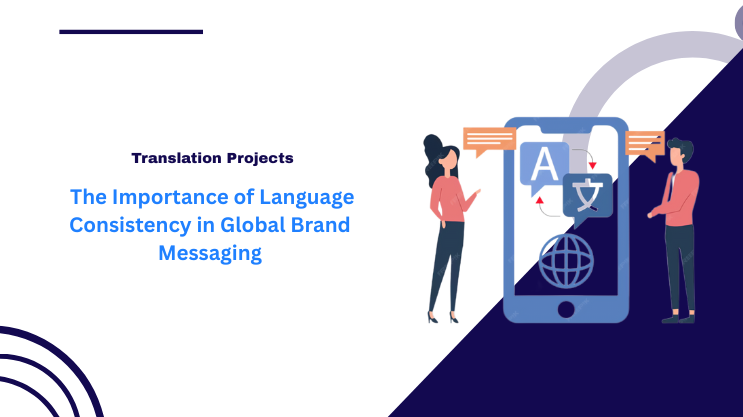
  • The Importance of Language Consistency in Global Brand Messaging

    The Importance of Language Consistency in Global Brand Messaging

    In a global marketplace, brands communicate with audiences across different languages, cultures, and regions. While adapting content for local markets is essential, maintaining language consistency is equally critical. Consistent global brand messaging ensures clarity, builds trust, and strengthens brand identity across all communication channels worldwide.

    1. Defining a Unified Brand Voice

    A unified brand voice reflects the company’s personality, values, and tone. Establishing clear guidelines for language use helps ensure that all messages—regardless of language—sound aligned and recognizable. This consistency makes the brand easily identifiable across global markets.

    2. Building Trust Through Clear Communication

    When customers encounter consistent language and messaging, they feel more confident in the brand. Inconsistent terminology or tone can cause confusion and reduce credibility. Clear and uniform communication reassures audiences and reinforces reliability.

    3. Maintaining Consistency Across Channels

    Brands communicate through websites, social media, advertisements, emails, and customer support. Ensuring consistent language across all platforms and languages creates a seamless experience for global audiences and strengthens overall brand perception.

    4. Using Standardized Terminology and Style

    Developing glossaries and style guides helps maintain uniform terminology across translations. This is especially important for product names, features, slogans, and key messages. Standardization prevents misinterpretation and enhances clarity.

    5. Balancing Consistency with Localization

    While consistency is essential, content must still be culturally relevant. Effective global messaging balances standardized brand language with localized adaptation, ensuring messages feel natural while preserving the brand’s core identity.

    6. Supporting Marketing and Brand Recognition

    Consistent language reinforces brand recognition and recall. When global audiences encounter the same messaging patterns and tone, they develop a stronger emotional connection and familiarity with the brand.

    7. Reducing Errors and Rework

    Consistency in language reduces the risk of translation errors, misunderstandings, and repeated revisions. This improves efficiency, saves time, and lowers costs in multilingual communication efforts.

    8. Strengthening Long-Term Global Brand Value

    Over time, consistent language contributes to a strong, unified global brand image. It ensures that the brand’s values and promises are communicated clearly across markets, supporting long-term growth and global success.

    In conclusion, language consistency is a vital component of effective global brand messaging. By combining clear guidelines, standardized terminology, and thoughtful localization, businesses can communicate confidently, build trust, and maintain a strong and cohesive global brand identity.

  • Subtitling for the Future: AI That Understands Context

    Subtitling for the Future: AI That Understands Context

    In today’s digital-first world, video content has become one of the most powerful tools for communication. From streaming platforms to corporate training videos, global audiences increasingly rely on subtitles to understand and enjoy content in their native languages. But not all subtitles are created equal. With the rise of AI, the future of subtitling is shifting from simple transcription to context-aware translation, ensuring viewers get accurate, meaningful, and culturally sensitive content.

    Honey Translation Services is at the forefront of this evolution, offering advanced subtitling solutions powered by AI that truly understands context. Let’s explore how AI-driven subtitling is shaping the future of global communication.

    Why Context Matters in Subtitling

    Traditional subtitle translation often relies on word-for-word translation, which can result in awkward phrasing or misinterpretation. For instance, idioms, jokes, or culturally specific references can easily lose meaning when directly translated. Context-aware AI, on the other hand, analyzes not just words but tone, intent, and cultural nuances to deliver subtitles that feel natural and engaging.

    Honey Translation Services integrates this AI capability into its subtitling workflow, ensuring that your message resonates with viewers worldwide, regardless of language barriers.

    How AI Enhances Subtitling Accuracy

    AI-powered subtitling goes beyond basic translation. Key advantages include:

    • Speech Recognition: AI can accurately transcribe spoken words in real-time, capturing multiple accents, dialects, and speaking speeds.
    • Contextual Translation: Advanced algorithms understand sentence structure and meaning, preserving the intent behind the words.
    • Cultural Sensitivity: AI ensures that idiomatic expressions, humor, and cultural references are appropriately localized.
    • Error Reduction: By minimizing human error and inconsistencies, AI improves the overall quality and reliability of subtitles.

    Honey Translation Services leverages these features to deliver subtitles that not only inform but also captivate audiences, enhancing viewer experience across platforms.

    The Future of Subtitling: AI and Human Expertise

    While AI is powerful, combining it with human expertise yields the best results. Professional linguists review and fine-tune AI-generated subtitles, ensuring accuracy, fluency, and cultural appropriateness. This hybrid approach allows Honey Translation Services to maintain high-quality standards while speeding up turnaround times.

    AI handles repetitive tasks efficiently, leaving human experts to focus on creative, nuanced decisions that machines alone cannot handle. This synergy ensures your subtitles are both technically precise and emotionally resonant.

    Industries Benefiting from Context-Aware Subtitling

    AI-driven subtitling is transforming content consumption across multiple industries:

    • Entertainment and Streaming Platforms: Global audiences enjoy seamless, culturally adapted subtitles for movies, TV shows, and online videos.
    • Corporate Training and E-Learning: Employees worldwide access clear, contextually accurate instructional videos in their native language.
    • Marketing and Advertising: Brands communicate their message effectively to international markets without losing the original intent.
    • Healthcare and Public Services: Accurate subtitles ensure critical information reaches diverse populations efficiently.

    Honey Translation Services tailors its subtitling solutions to meet the specific needs of each industry, providing flexible, reliable, and scalable services.

    Why Choose Honey Translation Services for AI Subtitling

    Choosing the right subtitling partner can make a significant difference in global communication. Honey Translation Services offers:

    • Cutting-edge AI technology integrated with human oversight
    • Multilingual support covering dozens of languages
    • Fast turnaround without compromising quality
    • Culturally sensitive translations that resonate with local audiences

    With Honey Translation Services, businesses can expand their reach, enhance engagement, and ensure their content is understood and appreciated worldwide.

    Conclusion

    As video content continues to dominate the digital landscape, the importance of accurate, context-aware subtitles cannot be overstated. AI-driven subtitling, combined with human expertise, is shaping the future of global communication, making content accessible, engaging, and culturally relevant.

    Honey Translation Services stands at the forefront of this transformation, helping businesses and creators connect with audiences across borders through intelligent, high-quality subtitles. Embrace the future of subtitling today and let your content speak the language of the world.

  • Why Multilingual UX Writing Matters for Global Products

    Why Multilingual UX Writing Matters for Global Products

    As digital products expand into global markets, user experience (UX) becomes a critical factor in success. UX writing-microcopy such as buttons, instructions, error messages, and onboarding text-guides users through digital experiences. When products are used by international audiences, multilingual UX writing ensures clarity, usability, and engagement across languages and cultures.

    1. Improving Usability for Global Users

    Users understand and navigate products more easily when instructions and interface text are in their native language. Multilingual UX writing removes confusion, reduces friction, and helps users complete tasks confidently, leading to a smoother overall experience.

    2. Reducing User Errors and Drop-Off Rates

    Clear, localized UX copy minimizes misunderstandings in forms, navigation, and system messages. When users fully understand what actions to take, error rates decrease and completion rates improve, directly impacting product performance and retention.

    3. Reflecting Cultural Communication Styles

    Different cultures respond to tone, formality, and phrasing in unique ways. Multilingual UX writing adapts microcopy to match local communication styles, ensuring the interface feels natural, respectful, and user-friendly in every market.

    4. Strengthening Brand Voice Across Markets

    UX writing is a key expression of a brand’s personality. Consistent yet localized UX copy ensures the brand voice remains recognizable across languages while being culturally appropriate, reinforcing trust and brand identity globally.

    5. Enhancing Accessibility and Inclusivity

    Multilingual UX writing supports accessibility by making digital products usable for a broader audience. Clear language, simple phrasing, and localized terminology ensure inclusivity for users with different language backgrounds and proficiency levels.

    6. Supporting Seamless Onboarding Experiences

    First impressions matter. Localized onboarding messages, tutorials, and prompts help users understand product value quickly. Multilingual UX writing ensures that new users feel welcomed and guided from the first interaction.

    7. Optimizing Conversion and Engagement

    Well-crafted UX copy influences user decisions. Localized calls-to-action, confirmations, and prompts increase engagement and conversions by speaking directly to users in a way that feels familiar and persuasive.

    8. Enabling Scalable Global Product Growth

    As products scale internationally, multilingual UX writing provides a structured approach to managing multiple languages. Using style guides, glossaries, and consistent UX standards allows teams to expand efficiently without compromising quality.

    In conclusion, multilingual UX writing is essential for creating intuitive, inclusive, and engaging global products. By prioritizing clear communication, cultural relevance, and consistent brand voice, businesses can deliver superior user experiences that drive adoption, loyalty, and long-term success worldwide.

  • Dynamic Localization in Real-Time Digital Marketing

    Dynamic Localization in Real-Time Digital Marketing

    In today’s fast-paced digital world, brands need to communicate with their audiences instantly and in a way that resonates. Dynamic localization is emerging as a game-changer in real-time digital marketing, allowing businesses to adapt their messaging instantly across languages and cultures. For companies aiming to expand globally, services like Honey Translation Services make this seamless and efficient.

    What is Dynamic Localization?

    Dynamic localization refers to the process of automatically adapting digital content to different languages and cultural contexts in real time. Unlike traditional translation, which often involves manual processes and delays, dynamic localization integrates technology that instantly modifies text, images, videos, and even UI elements according to the target audience.

    This means that marketing campaigns, app notifications, or website updates can be personalized for global users without waiting days or weeks for translations.

    Why Real-Time Localization Matters in Digital Marketing

    1. Faster Engagement: Consumers expect immediate responses and relevant content. Dynamic localization ensures your message reaches them in their preferred language instantly.
    2. Consistency Across Platforms: Maintaining brand voice across multiple languages is challenging. With real-time localization, brands can ensure that messaging, tone, and intent remain consistent, whether it’s on social media, apps, or email campaigns.
    3. Enhanced User Experience: Users are more likely to engage with content they understand and feel culturally connected to. Personalized, localized messages improve conversions and customer loyalty.
    4. Global Competitive Edge: Businesses that adopt real-time localization can quickly tap into new markets, respond to trends, and outperform competitors who rely on static or delayed translations.

    How Honey Translation Services Enables Dynamic Localization

    At Honey Translation Services, we specialize in delivering cutting-edge localization solutions tailored to modern marketing needs:

    • Instant Multilingual Translation: Our AI-assisted systems, combined with human expertise, translate your content into multiple languages instantly without compromising accuracy.
    • Cultural Adaptation: Beyond language, we ensure that cultural nuances, idioms, and references resonate with your target audience.
    • Transcription and Voice-Over Services: From webinars to video ads, we provide synchronized voice-over and subtitling services, making your multimedia content accessible globally.
    • Seamless Integration with Digital Platforms: Honey Translation Services integrates with marketing platforms, websites, and apps, allowing real-time localization to happen effortlessly.

    Real-World Applications of Dynamic Localization

    1. E-Commerce: A product promotion in English can be instantly localized to Spanish, French, or Mandarin, making your online store appealing to a global audience.
    2. Social Media Campaigns: Marketing campaigns often go viral globally. Real-time localization ensures that your message stays relevant and relatable across different regions.
    3. Email Marketing: Personalized emails in the recipient’s native language increase open rates, engagement, and conversions.
    4. Mobile Apps and SaaS Platforms: Dynamic localization allows updates, notifications, and new features to be instantly accessible to users worldwide.

    The Future of Real-Time Digital Marketing

    With the rise of AI, machine learning, and advanced localization technologies, real-time multilingual marketing is becoming the norm rather than the exception. Brands can now maintain a global presence without the delays and barriers of traditional translation.

    Services like Honey Translation Services are not just about converting words; they’re about bridging cultures, improving engagement, and creating a truly global brand experience.

    Conclusion

    Dynamic localization is no longer an optional strategy – it’s essential for businesses aiming to thrive in a global digital marketplace. By leveraging Honey Translation Services, companies can deliver instant, culturally relevant content, improve customer experience, and stay ahead in the competitive world of real-time digital marketing.