Tag: #TranslationServices

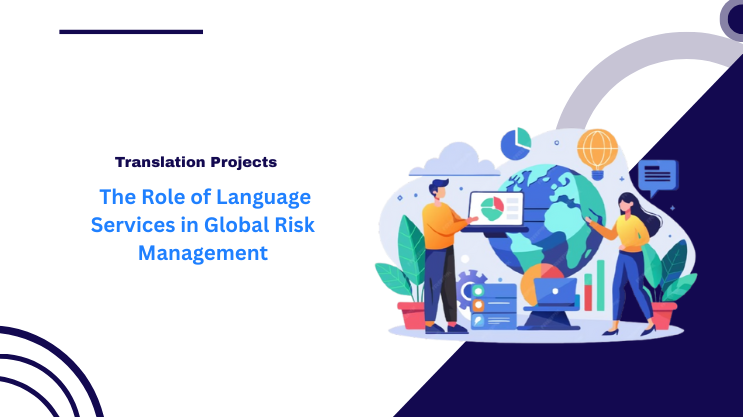
  • The Role of Language Services in Global Risk Management

    The Role of Language Services in Global Risk Management

    In an increasingly interconnected world, organizations face risks that cross borders, cultures, and languages. Effective global risk management depends on clear, accurate, and timely communication across regions. Language services-including translation, interpretation, and localization—play a critical role in identifying, mitigating, and managing risks by ensuring that information is correctly understood by all stakeholders worldwide.

    1. Ensuring Clear Communication of Risk Policies

    Risk management policies, safety guidelines, and compliance documents must be clearly communicated across all regions. Professional translation ensures that employees and partners fully understand procedures, responsibilities, and protocols, reducing the likelihood of errors or non-compliance.

    2. Supporting Regulatory and Legal Compliance

    Different countries have varying regulations and legal requirements. Language services help organizations accurately translate legal documents, contracts, and regulatory filings, minimizing legal risks and ensuring adherence to local laws.

    3. Preventing Misinterpretation in Critical Situations

    In high-risk scenarios, even minor language misunderstandings can have serious consequences. Accurate translation and real-time interpretation ensure that instructions, alerts, and decisions are clearly conveyed, especially during emergencies or sensitive negotiations.

    4. Enhancing Crisis Preparedness and Response

    Preparedness plans, emergency communications, and response strategies must be multilingual to be effective globally. Language services enable organizations to act quickly and consistently during crises, reducing operational disruptions and reputational damage.

    5. Improving Cross-Border Collaboration

    Global risk management often involves coordination between international teams, partners, and authorities. Multilingual communication supports smooth collaboration, ensures alignment, and enables informed decision-making across borders.

    6. Safeguarding Brand Reputation

    Miscommunication can lead to public backlash or loss of trust. Culturally sensitive localization helps organizations communicate responsibly with global audiences, protecting brand reputation and maintaining stakeholder confidence.

    7. Supporting Data Accuracy and Reporting

    Risk assessments, audit reports, and performance data must be accurately translated to support informed analysis. Language services ensure consistency and clarity in reporting, enabling leadership to identify and address risks effectively.

    8. Enabling Inclusive Stakeholder Communication

    Clear multilingual communication ensures that employees, customers, investors, and partners are informed and engaged. Inclusive language strategies strengthen transparency and trust, which are essential components of effective risk management.

    In conclusion, language services are a vital component of global risk management. By ensuring accurate, culturally appropriate, and timely communication, organizations can reduce uncertainty, manage risks proactively, and operate more securely and confidently across international markets.

  • Why Translation Quality Impacts International Customer Retention

    Why Translation Quality Impacts International Customer Retention

    In a competitive global marketplace, attracting international customers is only the first step. Retaining them depends heavily on how clearly and accurately a brand communicates. Translation quality plays a critical role in shaping customer experience, trust, and loyalty. Poor translations can cause confusion and frustration, while high-quality translations build confidence and encourage long-term relationships.

    1. Building Trust Through Clear Communication

    Accurate translations ensure that customers fully understand product information, policies, and support content. Clear communication builds trust, making customers feel confident in their interactions with the brand.

    2. Reducing Misunderstandings and Frustration

    Low-quality translations often lead to unclear instructions or misleading information. High-quality translation minimizes misunderstandings, reduces customer frustration, and prevents negative experiences that drive customers away.

    3. Enhancing the Overall Customer Experience

    When content feels natural and fluent in the customer’s language, the user experience improves significantly. A smooth, localized experience encourages repeat visits and long-term engagement.

    4. Strengthening Brand Credibility

    Professional translations reflect attention to detail and commitment to quality. Customers are more likely to remain loyal to brands that communicate professionally and consistently across all languages.

    5. Supporting Effective Customer Support

    High-quality translation in FAQs, help centers, and customer service interactions ensures quick and accurate issue resolution. Effective support builds satisfaction and reinforces customer loyalty.

    6. Encouraging Confident Purchase Decisions

    Customers are more likely to repurchase when they clearly understand product features, pricing, and return policies. Quality translations remove uncertainty and increase confidence in buying decisions.

    7. Maintaining Consistency Across Touchpoints

    Consistent terminology and messaging across websites, emails, and support channels strengthen brand recognition. Consistency reassures customers and creates a dependable brand experience.

    8. Preventing Negative Word-of-Mouth

    Poor translations can harm brand reputation and lead to negative reviews. High-quality translations reduce the risk of dissatisfaction and encourage positive recommendations among international customers.

    In conclusion, translation quality directly influences international customer retention. By investing in accurate, culturally appropriate translations, businesses can deliver better experiences, build lasting trust, and turn global customers into loyal brand advocates.

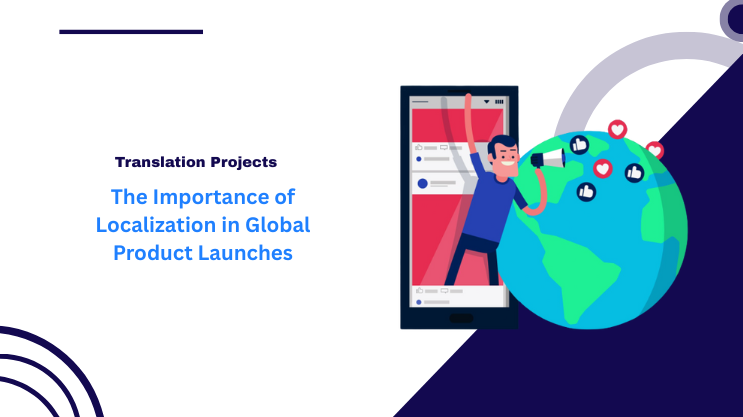
  • The Importance of Localization in Global Product Launches

    The Importance of Localization in Global Product Launches

    Launching a product globally is a complex process that goes beyond logistics and distribution. To succeed across international markets, brands must ensure their products, messaging, and user experiences resonate with local audiences. Localization plays a critical role in aligning global product launches with cultural expectations, language preferences, and regional market needs, ultimately driving adoption and long-term success.

    1. Ensuring Clear Product Understanding

    Localization helps translate product descriptions, features, and instructions accurately. Clear communication ensures customers understand the value and functionality of the product, reducing confusion and increasing confidence at launch.

    2. Adapting Messaging for Cultural Relevance

    Marketing messages that work in one market may not resonate in another. Localization tailors tone, visuals, and expressions to local cultures, making campaigns more relatable and impactful.

    3. Improving User Experience from Day One

    Localized interfaces, onboarding flows, and support materials create a smooth experience for users. A positive first impression increases engagement and encourages early adoption of the product.

    4. Supporting Multilingual Marketing Channels

    Global launches rely on multiple channels such as websites, social media, email, and advertising. Localization ensures consistent and effective communication across all platforms and regions.

    5. Reducing Risk of Miscommunication and Errors

    Poor translation or cultural misunderstandings can damage a product launch. Professional localization minimizes errors, protects brand reputation, and ensures accurate information reaches all markets.

    6. Enhancing Trust and Brand Credibility

    Customers trust brands that communicate clearly in their native language. Localization demonstrates commitment to local markets, strengthening credibility and building long-term customer relationships.

    7. Enabling Regional Compliance and Standards

    Products must meet local legal, regulatory, and labeling requirements. Localization ensures compliance by adapting documentation, warnings, and policies to regional standards.

    8. Accelerating Market Adoption and Growth

    When users feel understood and supported, they adopt products more quickly. Localization removes language and cultural barriers, helping brands gain traction and scale effectively across global markets.

    In conclusion, localization is essential for successful global product launches. By delivering clear, culturally relevant, and user-focused content, brands can increase adoption, reduce risks, and build a strong foundation for sustainable international growth.

  • How Multilingual Content Drives Customer Trust in Emerging Markets

    How Multilingual Content Drives Customer Trust in Emerging Markets

    Emerging markets present enormous growth potential for global businesses, but trust is a critical factor in winning new customers. Multilingual content helps bridge communication gaps, reduce uncertainty, and create meaningful connections with local audiences. By delivering information in native languages, brands can build credibility, foster confidence, and establish long-term relationships in rapidly developing regions.

    1. Reducing Language Barriers

    Providing content in local languages removes communication obstacles and makes information easier to understand. When customers can access product details, policies, and support in their native language, they feel more confident engaging with the brand.

    2. Enhancing Clarity and Transparency

    Clear multilingual communication ensures that pricing, features, terms, and conditions are fully understood. Transparency builds trust by minimizing misunderstandings and demonstrating honesty in business practices.

    3. Demonstrating Cultural Respect

    Using local languages shows respect for regional cultures and identities. This cultural acknowledgment helps brands connect emotionally with customers and positions them as considerate and inclusive.

    4. Improving User Experience

    Localized content enhances website navigation, mobile app usability, and overall interaction. A smooth and familiar user experience increases satisfaction and encourages repeat engagement in emerging markets.

    5. Building Confidence in Purchase Decisions

    Customers are more likely to trust and complete purchases when information is presented clearly in their own language. Multilingual content reduces hesitation and supports informed decision-making.

    6. Strengthening Brand Credibility

    Brands that invest in professional multilingual content appear more reliable and established. High-quality translations signal commitment to serving local customers and maintaining standards.

    7. Supporting Customer Engagement and Loyalty

    Ongoing communication through localized emails, notifications, and support builds lasting relationships. Customers who feel understood are more likely to remain loyal and recommend the brand to others.

    8. Enabling Word-of-Mouth and Community Trust

    In emerging markets, community influence is strong. Multilingual content makes it easier for customers to share experiences and recommendations, amplifying trust through local networks.

    In conclusion, multilingual content is a powerful driver of customer trust in emerging markets. By focusing on clarity, cultural relevance, and accessibility, businesses can build credibility, foster loyalty, and create a strong foundation for sustainable growth in new regions.

  • Why Subtitles Are Now a Growth Strategy, Not an Add-On

    Why Subtitles Are Now a Growth Strategy, Not an Add-On

    For years, subtitles were treated as an optional extra-added at the end of a video project, often rushed and undervalued. Today, that mindset has completely changed. In a digital-first, global content economy, subtitles are no longer just about accessibility; they are a powerful growth strategy that drives reach, engagement, inclusivity, and revenue.

    The Shift in How People Consume Video Content

    Modern audiences consume content everywhere-on mobile devices, social media platforms, public spaces, and workplaces. Many viewers watch videos without sound, scrolling through feeds where subtitles become the primary way to absorb information.

    Subtitles ensure your message is delivered clearly, regardless of environment, language, or hearing ability. If your video relies solely on audio, you are instantly losing a significant portion of your audience.

    Subtitles Expand Global Reach Instantly

    Video is a universal medium, but language is still a barrier. Subtitles remove that barrier efficiently and cost-effectively.

    By adding multilingual subtitles, businesses can:

    • Reach international markets without re-recording audio
    • Localize content for regional audiences
    • Increase watch time across different geographies

    Subtitles turn local content into global content-without increasing production complexity.

    Higher Engagement and Retention Rates

    Studies consistently show that videos with subtitles achieve:

    • Higher completion rates
    • Longer watch times
    • Better message retention

    When viewers can both see and read the message, comprehension improves. Subtitles help audiences follow along more easily, especially for complex topics, fast speech, or unfamiliar accents.

    Boosts SEO and Discoverability

    Subtitles are not just for viewers-they are also for search engines.

    When subtitle files are properly implemented:

    • Video content becomes searchable
    • Keywords improve organic visibility
    • Platforms like YouTube and Google index the text

    This means your video content works harder for your brand long after it’s published.

    Accessibility Is Now a Business Advantage

    Accessibility is no longer optional-it’s expected. Subtitles ensure your content is inclusive for:

    • Deaf and hard-of-hearing audiences
    • Non-native language speakers
    • Viewers with cognitive or learning differences

    Brands that prioritize accessibility build trust, credibility, and loyalty, strengthening long-term customer relationships.

    Social Media Algorithms Favor Subtitled Content

    On platforms like Instagram, LinkedIn, Facebook, and TikTok, subtitled videos consistently outperform those without.

    Why?

    • Subtitles stop the scroll
    • They communicate value instantly
    • They increase viewer interaction

    In a competitive content landscape, subtitles give your videos a measurable edge.

    Subtitles Support Brand Consistency

    Well-crafted subtitles reinforce your brand voice and tone. Professional subtitling ensures:

    • Accurate messaging
    • Cultural sensitivity
    • Consistent terminology across markets

    Poor subtitles can damage credibility, while high-quality subtitles elevate your brand’s professionalism.

    A Small Investment With High ROI

    Compared to reshooting videos or producing multiple language versions, subtitles offer one of the highest returns on investment in content localization.

    They extend the life, reach, and effectiveness of every video asset you create.

    Conclusion: Subtitles Are a Strategic Necessity

    Subtitles are no longer a technical afterthought. They are a strategic tool that supports growth, accessibility, global expansion, and digital visibility.

    In a world where attention is limited and audiences are diverse, subtitles help your message travel further, last longer, and connect deeper.

    Brands that treat subtitles as a growth strategy-not an add-on-are the ones winning in the global content race.

  • How Subtitles Expand Reach Without Changing Your Voice

    How Subtitles Expand Reach Without Changing Your Voice

    In today’s digital-first world, content travels faster than ever-but language and sound can still limit who truly connects with your message. Subtitles solve this challenge quietly and powerfully, helping your content reach wider audiences without altering your original voice, tone, or intent.

    1. Your Message Stays Authentic

    Subtitles don’t replace your voice-they support it. Viewers still hear the original speaker, accent, and emotion while reading text that clarifies meaning. This preserves brand identity, personal style, and cultural nuance.

    Whether it’s a CEO’s keynote, a filmmaker’s dialogue, or a creator’s storytelling, subtitles ensure authenticity remains intact.

    2. Breaking Language Barriers Seamlessly

    Multilingual subtitles allow global audiences to understand your content without re-recording or dubbing.
    This is especially valuable for:

    • International marketing campaigns
    • Educational and training videos
    • Social media and short-form content

    One video, many languages-no voice changes required.

    3. Accessibility for Everyone

    Subtitles make content inclusive for:

    • Viewers who are deaf or hard of hearing
    • People watching videos without sound (a common habit on social media)
    • Audiences in noisy or quiet environments

    By adding subtitles, you’re not just expanding reach-you’re building equal access.

    4. Better Engagement on Social Media

    Studies consistently show that videos with subtitles:

    • Have higher watch time
    • Reduce drop-off rates
    • Perform better on autoplay feeds

    When viewers can immediately understand your message-sound on or off-they’re more likely to stay, engage, and share.

    5. Improved Search Visibility

    Subtitles create text-based data that search engines can read. This means:

    • Better SEO for video platforms
    • Higher discoverability on Google and YouTube
    • Increased chances of reaching niche audiences

    Your voice stays the same, but your visibility multiplies.

    6. Cost-Effective Global Expansion

    Compared to dubbing or re-recording, subtitles are faster, more affordable, and easier to update. They allow brands to test new markets without heavy production changes-making them a smart growth strategy.

    7. Cultural Sensitivity Without Disruption

    Professional subtitling adapts language thoughtfully, ensuring cultural relevance while respecting the original tone and context. This avoids misinterpretation and builds trust across borders.

    Conclusion

    Subtitles are more than text on a screen-they’re a bridge between voices and audiences. They amplify reach, enhance accessibility, and boost engagement without changing what makes your content unique.

    In a world where attention is global, subtitles help your voice travel farther – clearly, authentically, and powerfully.

  • Silent Screens, Loud Impact: The Rise of Smart Subtitling

    Silent Screens, Loud Impact: The Rise of Smart Subtitling

    In today’s digital-first world, video content dominates how brands communicate, educate, and entertain. But there’s a surprising reality behind this visual boom: most videos are watched without sound. Whether on social media, public spaces, or mobile devices, silent viewing has become the norm. This shift has fueled the rapid rise of smart subtitling-a powerful tool transforming how messages are delivered and understood.

    The Silent Viewing Revolution

    Social media platforms report that a significant percentage of users watch videos on mute. Reasons include:

    • Scrolling in public places
    • Multitasking at work or home
    • Accessibility needs
    • Language barriers

    Without subtitles, even the most visually stunning video risks losing its message. Smart subtitling ensures content speaks—even when sound is off.

    What Is Smart Subtitling?

    Smart subtitling goes far beyond basic text on screen. It combines:

    • Accurate transcription
    • Context-aware translation
    • Precise timing and synchronization
    • Readable formatting and design

    Modern subtitling considers tone, emotion, cultural nuance, and viewer experience-making content more engaging and inclusive.

    Why Smart Subtitling Matters More Than Ever

    1. Boosts Engagement and Retention

    Subtitles help viewers follow content effortlessly, increasing watch time and message retention. Videos with subtitles consistently perform better across platforms.

    2. Improves Accessibility

    Smart subtitling supports viewers who are deaf or hard of hearing, ensuring content is inclusive and compliant with accessibility standards.

    3. Expands Global Reach

    Multilingual subtitles allow content to cross borders, helping brands connect with international audiences without reshooting or re-recording videos.

    4. Enhances SEO and Discoverability

    Search engines can index subtitle text, improving video visibility, search rankings, and overall digital reach.

    The Role of Localization in Smart Subtitling

    Effective subtitling isn’t just about translation-it’s about localization. Smart subtitles adapt:

    • Idioms and expressions
    • Cultural references
    • Reading speed preferences
    • Regional language nuances

    This ensures the message feels natural and relatable to every audience.

    Smart Subtitling in Marketing and Business

    From product launches to training videos, businesses are leveraging smart subtitling to:

    • Improve brand clarity
    • Increase conversions
    • Strengthen global communication
    • Maintain consistent messaging across markets

    In crowded digital spaces, subtitles can be the difference between being watched-or skipped.

    The Future of Subtitling

    As AI and language technologies evolve, smart subtitling will become faster, more accurate, and more personalized. However, human expertise remains essential to ensure quality, cultural sensitivity, and emotional accuracy.

    Final Thoughts

    Silent screens are no longer a limitation-they’re an opportunity. Smart subtitling transforms muted moments into meaningful connections, ensuring every word is seen, understood, and felt.

    In a world where attention is fleeting, smart subtitles make your message impossible to ignore.

  • Speaking Without Speaking: The Power Behind Seamless Interpretation

    Speaking Without Speaking: The Power Behind Seamless Interpretation

    In a world where conversations cross borders in real time, communication is no longer just about words-it’s about understanding. Interpretation plays a silent yet powerful role in global dialogue, allowing people to speak without speaking and still be perfectly understood.

    What Is Seamless Interpretation?

    Seamless interpretation is the art of conveying a speaker’s message instantly and accurately into another language, without disrupting the flow of communication. Unlike translation, which works with written content, interpretation happens live-during meetings, conferences, negotiations, interviews, and events.

    The goal is simple:
    Make language invisible.

    Why Interpretation Is More Than Just Words

    Great interpreters don’t just convert sentences-they carry meaning, tone, emotion, and intent across languages. A single pause, emphasis, or cultural nuance can change how a message is received.

    Seamless interpretation ensures:

    • The speaker’s voice and intent remain intact
    • The audience feels directly addressed, not translated to
    • Conversations flow naturally, without confusion or delay

    The Silent Influence in Global Communication

    Interpretation often goes unnoticed when done well-and that’s its true strength. From international summits to business negotiations and medical consultations, interpreters act as invisible bridges, enabling trust and clarity where language barriers once stood.

    Industries that rely heavily on seamless interpretation include:

    • International business & trade
    • Legal and court proceedings
    • Healthcare and medical conferences
    • Diplomatic and governmental meetings
    • Media, events, and live broadcasts

    Cultural Intelligence: The Hidden Layer

    Words don’t exist in isolation-they belong to cultures. Seamless interpretation accounts for cultural context, idioms, formality levels, and unspoken norms. This prevents misunderstandings that could otherwise lead to confusion, offense, or lost opportunities.

    An experienced interpreter knows what to say, how to say it, and when.

    Technology Supports, Humans Deliver

    While technology has introduced AI-powered interpretation tools, human interpreters remain irreplaceable for high-stakes and sensitive conversations. Machines may process language, but only humans can fully interpret emotion, intent, and cultural depth.

    True seamless interpretation blends:

    • Linguistic expertise
    • Cultural awareness
    • Quick thinking and adaptability
    • Professional ethics and confidentiality

    Why Seamless Interpretation Matters for Your Business

    In global interactions, clarity builds confidence. When your message is interpreted seamlessly:

    • Decisions are made faster
    • Relationships grow stronger
    • Your brand appears professional and inclusive
    • Opportunities expand beyond language boundaries

    Conclusion

    Seamless interpretation is the power of being understood without effort. It allows people to connect, collaborate, and communicate freely-regardless of language.

    Because sometimes, the most powerful voice is the one that speaks without being heard.

  • How Localization Supports Sustainable Global Brand Expansion

    How Localization Supports Sustainable Global Brand Expansion

    Expanding a brand globally is not just about entering new markets quickly; it is about building long-term, sustainable relationships with local audiences. Localization plays a crucial role in ensuring that global expansion is meaningful, scalable, and culturally aligned. By adapting language, content, and experiences for each market, brands can grow responsibly while maintaining consistency and trust worldwide.

    1. Building Strong Local Connections

    Localization allows brands to communicate in the native language and cultural context of each market. This approach helps audiences feel understood and valued, creating stronger emotional connections that support long-term brand growth.

    2. Enhancing Brand Trust and Credibility

    Consumers are more likely to trust brands that speak their language clearly and accurately. High-quality localized content reflects professionalism and commitment, reinforcing credibility in new and emerging markets.

    3. Supporting Consistent Global Brand Identity

    Effective localization balances global brand values with local relevance. By adapting messaging while preserving brand voice, businesses maintain consistency across regions without appearing generic or disconnected.

    4. Improving Market Entry and Adoption

    Localized websites, marketing campaigns, and product information reduce entry barriers for new customers. Clear communication accelerates understanding, encourages adoption, and helps brands establish a stable presence in international markets.

    5. Driving Sustainable Customer Engagement

    When content resonates culturally, customers engage more deeply and remain loyal longer. Localization supports sustainable engagement by delivering relevant messaging that evolves with local audience expectations.

    6. Reducing Operational and Communication Risks

    Accurate localization minimizes misunderstandings, legal issues, and cultural missteps. Clear multilingual communication supports smoother operations and protects brand reputation as the business scales globally.

    7. Enabling Scalable Global Growth

    A structured localization strategy allows brands to expand efficiently into multiple regions. Using standardized processes and language resources ensures scalability while maintaining quality across markets.

    8. Aligning with Local Regulations and Standards

    Localization helps brands comply with regional laws, regulations, and industry standards. Adapting legal content, policies, and disclosures ensures ethical and sustainable operations worldwide.

    In conclusion, localization is a foundational element of sustainable global brand expansion. By combining cultural sensitivity, linguistic accuracy, and strategic consistency, brands can grow responsibly, earn lasting trust, and build a strong global presence that endures over time.

  • Why Translating Legal Documents is Critical for International Compliance

    Why Translating Legal Documents is Critical for International Compliance

    In an increasingly interconnected world, businesses operating across borders must comply with a wide range of legal and regulatory requirements. Legal documents form the foundation of international operations, and accurate translation is essential to ensure compliance, reduce risk, and maintain trust. Translating legal documents is not just a linguistic task-it is a critical component of global governance and risk management.

    1. Ensuring Compliance with Local Laws and Regulations

    Different countries have unique legal frameworks and regulatory standards. Translating legal documents accurately ensures that contracts, policies, and agreements align with local laws, helping organizations meet compliance requirements in each jurisdiction.

    2. Preventing Misinterpretation and Legal Disputes

    Even minor translation errors in legal documents can lead to misunderstandings or disputes. Precise legal translation preserves the original meaning, intent, and terminology, reducing the risk of costly litigation or contract breaches.

    3. Supporting Cross-Border Contracts and Agreements

    International contracts often involve multiple parties speaking different languages. Translating these documents ensures that all parties fully understand their rights, obligations, and liabilities, fostering transparency and trust in cross-border relationships.

    4. Meeting Regulatory and Government Submission Requirements

    Many authorities require legal documents to be submitted in the official language of the country. Certified or sworn translations are often mandatory for compliance with courts, regulatory bodies, and government agencies.

    5. Protecting Intellectual Property Rights

    Patents, trademarks, and copyrights must be translated accurately to maintain legal protection in foreign markets. Proper translation helps businesses safeguard their intellectual property and enforce rights internationally.

    6. Ensuring Consistency Across Multilingual Legal Documents

    Consistency in legal terminology across languages is essential for compliance. Professional translation services use standardized glossaries and quality checks to maintain uniformity across all legal documents.

    7. Reducing Business and Financial Risks

    Non-compliance due to poor translation can result in fines, penalties, or operational delays. Accurate legal translation minimizes these risks and supports smooth international operations.

    8. Building Trust with International Stakeholders

    Clear and accurate legal documentation demonstrates professionalism and transparency. Well-translated legal documents help build confidence among partners, regulators, and clients across global markets.

    In conclusion, translating legal documents is a vital requirement for international compliance. By ensuring accuracy, clarity, and legal validity across languages, organizations can operate confidently in global markets, reduce risk, and maintain strong, compliant international relationships.