Tag: #certifiedtranslation

  • The Role of Translation in Global Health Communication

    The Role of Translation in Global Health Communication

    Effective communication is vital in the global health sector, where accurate information can directly impact public safety, patient outcomes, and policy implementation. Translation plays a critical role in ensuring that health-related messages are understood across languages, cultures, and regions. By breaking language barriers, translation supports equitable access to healthcare information and strengthens international health initiatives.

    1. Ensuring Accurate Medical Information

    In healthcare, precision is essential. Professional translation ensures that medical guidelines, treatment instructions, and public health advisories are conveyed accurately, reducing the risk of misunderstandings and medical errors.

    2. Supporting Public Health Awareness Campaigns

    Global health campaigns rely on clear messaging to educate populations about disease prevention, vaccination, and healthy practices. Translated content helps reach diverse communities and ensures consistent understanding across regions.

    3. Improving Patient-Provider Communication

    Language barriers can affect diagnosis, treatment, and patient trust. Translation and interpretation services enable effective communication between healthcare professionals and patients, leading to better care and improved health outcomes.

    4. Facilitating International Health Collaboration

    Global health initiatives often involve collaboration between governments, NGOs, and research institutions. Translation enables the sharing of research findings, policies, and best practices across borders, supporting coordinated efforts.

    5. Ensuring Accessibility and Inclusion

    Translating health information ensures that vulnerable and multilingual populations have equal access to essential services. Inclusive communication helps address health disparities and promotes community well-being.

    6. Supporting Emergency and Crisis Response

    During health emergencies, timely and accurate communication is crucial. Translation ensures that urgent updates, safety guidelines, and response measures are delivered clearly to all affected populations.

    7. Adapting Content for Cultural Sensitivity

    Health beliefs and practices vary across cultures. Localization ensures that translated content respects cultural norms and values, increasing acceptance and effectiveness of health communication.

    8. Maintaining Compliance with Health Regulations

    Healthcare organizations must comply with regional and international regulations. Accurate translation of medical documentation and regulatory content supports legal compliance and ethical standards.

    In conclusion, translation is a cornerstone of global health communication. By delivering accurate, culturally sensitive, and accessible information, translation services help protect public health, improve patient care, and support collaboration in addressing global health challenges.
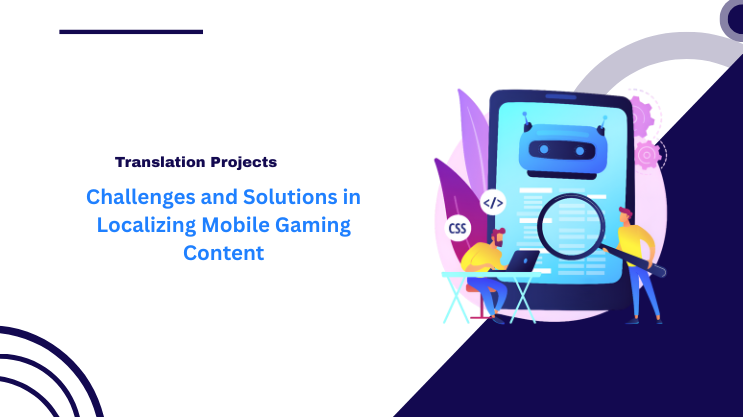

  • Challenges and Solutions in Localizing Mobile Gaming Content

    Challenges and Solutions in Localizing Mobile Gaming Content

    The global mobile gaming industry thrives on diverse audiences with different languages, cultures, and expectations. To succeed internationally, game developers must localize content effectively while preserving gameplay experience and engagement. However, mobile game localization presents unique challenges that require thoughtful solutions to ensure global success.

    1. Managing Cultural Differences

    Games often include cultural references, humor, symbols, and storylines that may not translate directly. The solution lies in cultural adaptation, where content is reimagined to fit local norms while maintaining the core narrative and gameplay intent.

    2. Handling Character and Text Limitations

    Mobile interfaces have limited screen space, making text expansion a common challenge during translation. Using flexible UI design and testing localized text early helps ensure readability without disrupting gameplay.

    3. Maintaining Consistent Terminology

    Inconsistent translation of in-game terms can confuse players and break immersion. Developing a centralized glossary and style guide ensures uniform terminology across all game content and updates.

    4. Synchronizing Audio and Voiceovers

    Voiceovers and sound effects must align with gameplay timing and character emotions. Professional voice talent and precise audio localization help maintain immersion and emotional impact for global players.

    5. Adapting Visual Elements and Graphics

    Certain colors, icons, or symbols may have different meanings across cultures. Localizing visual assets ensures that graphics remain appealing and appropriate for each target market.

    6. Managing Frequent Content Updates

    Mobile games are constantly updated with new levels, events, and features. Implementing scalable localization workflows and automation tools helps manage ongoing updates efficiently without delays.

    7. Ensuring Quality Across Multiple Languages

    Quality assurance is challenging when dealing with multiple languages and regions. Linguistic testing within the game environment ensures accuracy, usability, and a smooth player experience.

    8. Balancing Speed, Cost, and Quality

    Developers often face tight deadlines and budget constraints. A hybrid approach that combines AI-powered tools with human review offers a balanced solution, delivering speed while maintaining localization quality.

    In conclusion, localizing mobile gaming content requires addressing linguistic, cultural, and technical challenges with strategic solutions. By investing in quality localization processes and tools, game developers can deliver engaging, immersive experiences that resonate with players worldwide and support long-term global growth.

  • How to Localize Product Reviews and Testimonials

    Product reviews and testimonials are some of the most persuasive tools for building trust and influencing purchase decisions. When your business operates in multiple markets, simply translating reviews is not enough. Localizing them ensures they resonate culturally, maintain authenticity, and effectively drive engagement across global audiences.


    Why Localizing Reviews and Testimonials Matters

    1. Builds Trust Across Cultures: Customers trust testimonials that feel genuine in their own language and cultural context.
    2. Boosts Conversions: Reviews that are culturally adapted can increase purchase confidence and drive sales.
    3. Enhances Customer Experience: Localized content makes international shoppers feel valued and understood.
    4. Strengthens Brand Reputation: Maintaining authenticity and tone across languages reinforces credibility.

    Challenges in Localizing Reviews

    • Cultural References: Idioms, humor, or local expressions may not translate directly.
    • Tone and Emotion: Testimonials must convey the original sentiment accurately.
    • User-Generated Content: Variations in grammar, slang, and style require careful handling.
    • Volume of Content: Large numbers of reviews across multiple markets can be difficult to manage.

    Best Practices for Localizing Reviews

    1. Use Professional Translators: Ensure accurate and culturally sensitive translations that preserve authenticity.
    2. Adapt, Don’t Just Translate: Localize cultural references, measurement units, and product-specific details.
    3. Maintain Brand Voice: Reviews should reflect the original tone while aligning with your brand’s style.
    4. Prioritize Key Reviews: Focus localization efforts on high-impact testimonials or top-rated reviews.
    5. Leverage Technology: Use translation management systems and content platforms to manage reviews efficiently.

    Tools That Support Review Localization

    • Translation Management Systems (TMS): Streamline multilingual review translation and updates.
    • Glossaries and Style Guides: Ensure consistent terminology and brand messaging.
    • AI-Assisted Translation Tools: Provide a starting point for speed, refined by human review.
    • Content Moderation Platforms: Help review and approve localized user-generated content.

    Conclusion

    Localizing product reviews and testimonials is a strategic way to enhance global customer trust and engagement. By combining professional translation, cultural adaptation, and technology, businesses can ensure that reviews remain authentic, persuasive, and relevant across multiple markets. Well-localized reviews help brands connect with international audiences, boost conversions, and strengthen their reputation worldwide.

    Localize reviews, testimonial localization, multilingual product reviews, translation for e-commerce, global customer trust, localized user reviews, Honey Translation Services.

  • The Importance of Multilingual Branding in Influencer Marketing Campaigns

    The Importance of Multilingual Branding in Influencer Marketing Campaigns

    Influencer marketing has become a powerful tool for reaching global audiences, but language plays a crucial role in its effectiveness. Multilingual branding ensures that influencer content resonates with diverse audiences, maintains brand consistency, and builds authentic connections across regions. By aligning language with local culture, brands can amplify their influence and drive meaningful engagement worldwide.

    1. Expanding Reach Across Global Audiences

    Multilingual branding allows influencer campaigns to reach audiences beyond a single language or region. Localized messaging helps brands connect with followers in different markets, increasing visibility and audience reach.

    2. Building Authentic Connections with Local Communities

    Audiences trust influencers who communicate in their native language. When brand messaging is localized, influencer content feels more genuine, relatable, and culturally aligned, strengthening audience trust.

    3. Maintaining Consistent Brand Identity

    Multilingual branding ensures that brand values, tone, and messaging remain consistent across different languages. This consistency helps reinforce brand recognition while allowing flexibility for local expression.

    4. Enhancing Engagement and Interaction

    Localized influencer content encourages higher engagement, including likes, comments, and shares. When followers understand and relate to the message, they are more likely to interact and participate.

    5. Supporting Cultural Sensitivity and Relevance

    Influencer campaigns must respect cultural norms and communication styles. Multilingual branding helps avoid misunderstandings and ensures content is appropriate and impactful in each target market.

    6. Increasing Conversion and Purchase Intent

    Consumers are more likely to trust and act on recommendations delivered in their native language. Localized influencer messaging reduces hesitation and increases the likelihood of conversions.

    7. Strengthening Long-Term Brand Loyalty

    Consistent multilingual branding fosters lasting relationships with global audiences. When followers feel understood and valued, they are more likely to remain loyal and advocate for the brand.

    8. Maximizing ROI from Global Influencer Campaigns

    By tailoring content for each market, brands can optimize campaign performance. Multilingual branding ensures influencer partnerships deliver measurable results across regions and platforms.

    In conclusion, multilingual branding is essential for successful influencer marketing campaigns in a global marketplace. By combining localized language, cultural relevance, and consistent brand identity, businesses can create impactful influencer strategies that resonate worldwide and drive sustainable growth.

  • How AI Is Changing the Future of Legal Document Translation

    How AI Is Changing the Future of Legal Document Translation

    Legal document translation demands absolute accuracy, consistency, and compliance, as even minor errors can lead to serious legal consequences. Artificial Intelligence is transforming the way legal translations are handled by improving speed, efficiency, and accessibility while supporting human expertise. As AI continues to evolve, it is reshaping the future of legal document translation for law firms, corporations, and global institutions.

    1. Accelerating Translation Turnaround Times

    AI-powered translation tools can process large volumes of legal documents rapidly. Contracts, agreements, and court filings that once took weeks can now be translated in significantly less time, supporting faster legal operations.

    2. Improving Terminology Consistency

    AI systems use translation memory and legal term databases to ensure consistent use of terminology across documents. This consistency is critical in legal translation, where variations in wording can change meaning and intent.

    3. Enhancing Accuracy with Neural Machine Translation

    Neural machine translation models are trained on specialized legal data, allowing them to better understand legal structures and context. This results in more precise translations that align closely with original legal intent.

    4. Supporting Multilingual Legal Compliance

    AI helps organizations manage legal compliance across multiple jurisdictions by enabling efficient translation of regulations, policies, and compliance documents. This supports smoother international operations and risk management.

    5. Reducing Costs for Large-Scale Legal Translation

    Automated translation significantly lowers the cost of handling high volumes of legal content. AI allows legal teams to allocate resources efficiently while maintaining acceptable levels of accuracy and quality.

    6. Enabling Secure and Confidential Translation Processes

    Modern AI translation platforms incorporate advanced security measures, including encryption and access controls. These features protect sensitive legal data and ensure confidentiality during the translation process.

    7. Strengthening Human-AI Collaboration

    While AI accelerates translation, human legal translators remain essential for review, validation, and nuance. This hybrid approach combines efficiency with expert oversight to deliver reliable legal translations.

    8. Adapting to Evolving Legal Language and Standards

    AI systems continuously learn from new legal data, allowing them to adapt to changes in laws, terminology, and documentation styles. This ensures translations remain current and relevant over time.

    In conclusion, AI is redefining the future of legal document translation by increasing speed, consistency, and scalability while supporting human expertise. By integrating AI-powered tools with professional legal translators, organizations can achieve accurate, secure, and efficient multilingual legal communication in an increasingly globalized legal landscape.

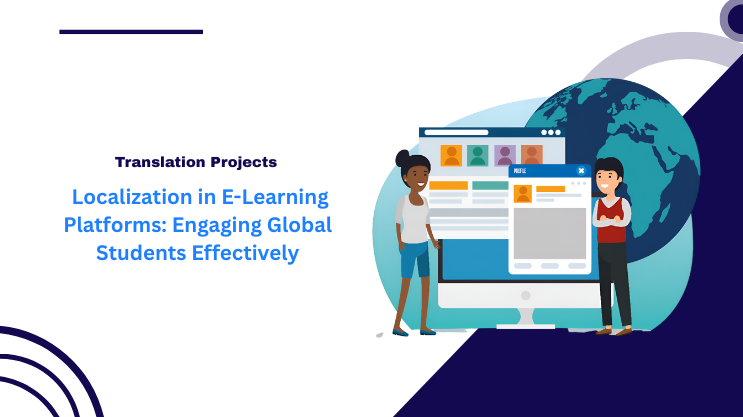
  • Localization in E-Learning Platforms: Engaging Global Students Effectively

    Localization in E-Learning Platforms: Engaging Global Students Effectively

    As e-learning continues to expand across borders, engaging students from diverse linguistic and cultural backgrounds is critical. Localization ensures that educational content, platforms, and resources are adapted to meet the needs of global learners. By providing culturally relevant, language-appropriate, and user-friendly experiences, e-learning platforms can enhance comprehension, retention, and student satisfaction worldwide.

    1. Translating Course Content Accurately

    Accurate translation of lessons, quizzes, and study materials ensures that students understand the subject matter clearly. Localization goes beyond word-for-word translation to preserve context, examples, and technical terminology relevant to each region.

    2. Adapting Multimedia for Cultural Relevance

    Videos, graphics, animations, and audio content should be localized to align with cultural norms and preferences. Proper adaptation increases engagement and makes learning more relatable and effective.

    3. Localizing User Interface and Navigation

    Platform interfaces, menus, buttons, and instructions must be presented in the learner’s language. A familiar and intuitive interface enhances usability and reduces frustration for students from different regions.

    4. Personalizing Learning Experiences

    Localization allows platforms to tailor learning paths, recommendations, and assessments according to regional standards and student preferences. Personalized content improves engagement and learning outcomes.

    5. Supporting Multilingual Communication and Collaboration

    Discussion forums, chat features, and collaborative tools should support multiple languages. Enabling students to interact in their native language fosters participation and strengthens the sense of community.

    6. Optimizing Mobile and Low-Bandwidth Access

    E-learning users in emerging markets may have limited internet access or rely on mobile devices. Localized content optimized for mobile and low-bandwidth environments ensures accessibility for all students.

    7. Ensuring Compliance with Regional Educational Standards

    Different countries have specific curriculum requirements, assessment formats, and regulatory guidelines. Localization ensures that courses meet these local standards while maintaining educational quality.

    8. Leveraging AI for Scalable Localization

    AI-powered translation and content adaptation tools help platforms scale their offerings to multiple languages efficiently. Combining AI with human review maintains accuracy, cultural relevance, and high-quality learning experiences.

    In conclusion, localization is essential for e-learning platforms seeking to engage global students effectively. By combining accurate translations, cultural adaptation, user-friendly interfaces, and scalable technology, platforms can provide inclusive, high-quality learning experiences that resonate with learners worldwide.

  • Why Multilingual Content Is Essential for Global Customer Retention

    Why Multilingual Content Is Essential for Global Customer Retention

    In today’s interconnected world, businesses operate across multiple regions and cultures, making multilingual content a key factor in retaining global customers. Communicating in a user’s native language not only enhances understanding but also fosters trust, engagement, and long-term loyalty. Companies that invest in multilingual content demonstrate commitment to their international audiences and strengthen customer relationships.

    1. Building Trust Through Clear Communication

    Providing content in a customer’s native language ensures clarity and reduces misunderstandings. Customers feel valued when they can access information easily, which builds trust and encourages ongoing engagement with the brand.

    2. Enhancing Customer Experience Across Touchpoints

    From websites and emails to social media and support channels, multilingual content ensures a seamless experience. Consistent communication in local languages increases satisfaction and reduces friction throughout the customer journey.

    3. Supporting Effective Customer Support

    Localized FAQs, help centers, and support documentation allow users to solve issues independently. Multilingual support decreases response times, improves problem resolution, and fosters confidence in the brand.

    4. Increasing Engagement and Interaction

    Customers are more likely to engage with content, participate in promotions, and provide feedback when it is presented in their language. Higher engagement strengthens the brand-customer relationship and encourages repeat business.

    5. Demonstrating Cultural Sensitivity

    Multilingual content reflects cultural awareness and respect. Brands that acknowledge local customs, preferences, and communication styles are more likely to build loyalty and positive perceptions in international markets.

    6. Reducing Customer Churn

    Language barriers can frustrate users and drive them to competitors. By offering content in multiple languages, businesses minimize confusion and dissatisfaction, increasing the likelihood of long-term retention.

    7. Enabling Personalized Communication

    Multilingual content allows for tailored messaging that aligns with regional preferences, buying behavior, and cultural context. Personalization reinforces relevance and strengthens customer bonds across markets.

    8. Supporting Global Growth and Brand Consistency

    Maintaining multilingual content across all platforms ensures consistent brand messaging worldwide. This consistency not only aids retention but also reinforces credibility and recognition in international markets.

    In conclusion, multilingual content is a critical component of global customer retention. By prioritizing clear communication, cultural relevance, and personalized experiences, businesses can foster trust, enhance engagement, and secure long-term loyalty in diverse international markets.

  • The Rise of Multilingual Voice Search and Its Impact on Global Marketing

    The Rise of Multilingual Voice Search and Its Impact on Global Marketing

    Voice search technology is transforming how consumers interact with digital content, and its rise is reshaping global marketing strategies. As users increasingly rely on voice assistants like Alexa, Siri, and Google Assistant in multiple languages, businesses must adapt to meet changing search behaviors. Multilingual voice search not only affects SEO but also influences content creation, advertising, and user engagement worldwide.

    1. Understanding Multilingual Voice Search Trends

    Voice search is growing rapidly across different languages and regions. Users often speak naturally rather than typing keywords, which changes the way search queries are structured and how content needs to be optimized for global audiences.

    2. Optimizing Content for Conversational Queries

    Voice search queries are typically longer and more conversational. Businesses must create content that answers questions clearly and naturally in multiple languages to capture voice search traffic effectively.

    3. Adapting SEO Strategies for Multiple Languages

    Multilingual voice search requires region-specific keyword research and optimization. Incorporating local phrases, idioms, and context ensures higher visibility on search engines in diverse markets.

    4. Enhancing User Experience with Natural Language Understanding

    Voice-enabled searches depend on accurate recognition of accents, dialects, and linguistic nuances. Optimizing content for natural language understanding improves accessibility and engagement for global users.

    5. Leveraging Voice Search for Local Marketing

    Many voice searches are location-based. Businesses can target multilingual audiences with localized content, promotions, and recommendations to drive conversions and strengthen regional presence.

    6. Integrating Voice Search with Multichannel Marketing

    Voice search complements mobile, social, and e-commerce platforms. Integrating multilingual voice-optimized content across channels ensures a consistent and effective global marketing strategy.

    7. Personalizing Marketing Through Voice Data

    AI-powered analytics of voice search data provides insights into user behavior, preferences, and intent. Brands can use these insights to create more targeted campaigns and personalized experiences for international audiences.

    8. Preparing for the Future of Voice-Driven Commerce

    As voice assistants and IoT devices become more prevalent, multilingual voice search will play an increasing role in purchasing decisions. Businesses that adapt early can capture a competitive advantage in global markets.

    In conclusion, the rise of multilingual voice search is transforming global marketing by influencing SEO, content strategies, and user engagement. By optimizing for conversational queries, local preferences, and natural language, businesses can enhance visibility, improve customer experiences, and drive growth across international markets.

  • How Subtitles Improve Viewer Engagement Worldwide

    How Subtitles Improve Viewer Engagement Worldwide

    In today’s globalized digital world, content creators and brands are no longer limited by borders. Videos have become one of the most powerful tools to connect with audiences, but reaching a global audience requires more than just translation – it demands effective subtitling. At Honey Translation Services, we specialize in providing professional subtitling solutions that help businesses and creators maximize their global reach and engagement.

    Why Subtitles Matter in the Digital Age

    Subtitles are no longer just a convenience – they are a necessity. With over 80% of social media videos watched without sound, subtitles ensure that your content communicates effectively even when muted. They provide clarity, accessibility, and inclusivity, making your videos understandable to audiences regardless of language or hearing ability.

    For international viewers, subtitles bridge the language gap. A video in English can instantly become accessible to Spanish, Japanese, or Arabic speakers with accurately localized subtitles. This enhances engagement, retention, and overall viewer satisfaction.

    How Subtitles Boost Viewer Engagement

    1. Increased Watch Time

    Videos with subtitles tend to have higher completion rates. Viewers are more likely to watch a video till the end when they can follow along, even if they don’t understand the spoken language. Subtitles guide the audience and reduce confusion, keeping them invested in your content.

    2. Expanded Global Reach

    Subtitles allow content to transcend linguistic boundaries. A well-subtitled video can reach multiple countries without additional filming costs. Honey Translation Services ensures that subtitles are culturally accurate and contextually appropriate, maintaining the tone and intent of your message for each target audience.

    3. Improved SEO Performance

    Search engines can crawl subtitle text, meaning your videos can rank for keywords in multiple languages. This improves discoverability on platforms like YouTube, Google, and Vimeo. By adding multilingual subtitles, you not only engage viewers but also enhance your digital presence and organic traffic.

    4. Accessibility and Compliance

    Accessibility is increasingly important for brands. Subtitles support hearing-impaired audiences and comply with legal standards in many countries. Inclusive content reflects positively on your brand and demonstrates corporate social responsibility. Honey Translation Services helps businesses ensure that all subtitles meet both accessibility guidelines and linguistic accuracy.

    Best Practices for Effective Subtitles

    Keep It Concise and Clear

    Subtitles should complement the video without overwhelming the viewer. Honey Translation Services emphasizes precision in translation to maintain clarity while conveying the original message effectively.

    Synchronize With Speech

    Timing is crucial. Subtitles should appear in sync with the spoken words to avoid confusing the audience. Our team uses advanced tools and human review to ensure perfect alignment for every frame.

    Adapt Cultural Nuances

    Literal translation isn’t enough. Certain phrases, idioms, or humor may not translate directly. Localized subtitles that respect cultural nuances help viewers feel connected and understood.

    Choose Readable Fonts and Styles

    Even the most accurate subtitles can fail if they are hard to read. Choosing the right font, size, and contrast ensures maximum readability across devices. Honey Translation Services advises clients on visual consistency to enhance viewer experience.

    Why Choose Honey Translation Services for Subtitling

    Honey Translation Services combines advanced technology with human expertise to deliver subtitles that are accurate, culturally sensitive, and engaging. Our multilingual team handles subtitling for diverse industries including entertainment, corporate communications, e-learning, and marketing.

    By partnering with us, businesses can:

    • Reach global audiences efficiently
    • Increase viewer engagement and retention
    • Enhance SEO and discoverability
    • Ensure accessibility and compliance

    Conclusion

    Subtitles are more than just text on a screen – they are a bridge to global audiences. By improving comprehension, accessibility, and engagement, they play a crucial role in digital content strategy. With Honey Translation Services, businesses can harness the power of professional subtitling to connect with viewers worldwide, ensuring their message resonates across languages and cultures.

  • The Future of Localization in Subscription and SaaS Businesses

    The Future of Localization in Subscription and SaaS Businesses

    As subscription-based and SaaS (Software as a Service) businesses expand globally, localization is becoming a critical factor for growth and customer retention. Delivering a seamless and culturally relevant experience in multiple languages ensures users feel valued, reduces churn, and strengthens brand presence across international markets. Effective localization goes beyond translation, encompassing UX, support, marketing, and product adaptation.

    1. Adapting User Interfaces for Global Audiences

    Localized interfaces, including dashboards, menus, and workflows, enhance usability for international users. Ensuring that navigation, date formats, currency, and units are region-specific improves adoption and satisfaction.

    2. Translating Documentation and Support Materials

    Accurate multilingual support, tutorials, and FAQs are essential for SaaS users. Localized documentation reduces confusion, increases product engagement, and decreases reliance on customer support teams.

    3. Personalizing Marketing Campaigns Across Regions

    Localization enables targeted marketing campaigns that resonate with local audiences. Region-specific emails, ads, and promotions improve engagement and drive subscription growth.

    4. Optimizing Onboarding Experiences

    A smooth, localized onboarding process helps new users understand and adopt the product quickly. From in-app guidance to welcome emails, tailored messaging encourages active use and retention.

    5. Ensuring Compliance with Local Regulations

    Different countries have varying legal and data privacy requirements. Localization includes adapting content and processes to meet local compliance standards, protecting the business from legal risks.

    6. Leveraging AI for Scalable Localization

    AI-powered translation and content management tools allow SaaS companies to scale localization efficiently. Automated updates and machine learning enhance accuracy, speed, and cost-effectiveness while maintaining quality.

    7. Integrating Feedback Loops for Continuous Improvement

    Collecting user feedback in multiple languages helps identify pain points and preferences. Iteratively refining localized content ensures that products meet evolving user expectations in each market.

    8. Supporting Global Expansion Strategies

    Localization is a strategic enabler for entering new international markets. By adapting the product experience, communication, and marketing, SaaS businesses can achieve faster adoption and sustainable growth worldwide.

    In conclusion, the future of localization in subscription and SaaS businesses is integral to global success. By combining culturally relevant content, user-focused design, and scalable technology solutions, companies can enhance engagement, reduce churn, and build strong international customer relationships.