Tag: #BusinessLocalization

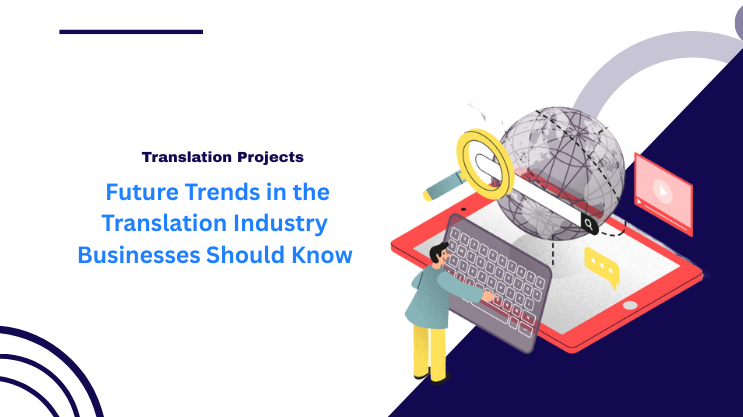
  • Future Trends in the Translation Industry Businesses Should Know

    Future Trends in the Translation Industry Businesses Should Know

    1. AI and Machine Translation Collaboration
    Artificial Intelligence is transforming translation, but human expertise remains crucial. The future lies in AI-human collaboration, where machine translation handles bulk content efficiently, while human translators ensure cultural accuracy, tone, and context. Businesses can benefit from faster turnaround times without compromising quality.

    2. Real-Time Interpretation and Translation
    Real-time translation technologies are becoming more sophisticated, enabling instant communication across languages. Video calls, conferences, and customer support can now utilize AI-powered real-time interpretation, helping businesses expand globally and interact seamlessly with international clients and partners.

    3. Industry-Specific Translation Services
    The demand for translators with domain-specific knowledge is increasing. Legal, medical, technical, and financial translations require expertise beyond language skills. Businesses that invest in specialized translators ensure accuracy, regulatory compliance, and improved credibility in global markets.

    4. Multilingual Content for Digital Marketing
    As global audiences grow online, businesses must provide content in multiple languages. SEO, social media, and website localization are key trends. Multilingual marketing strategies improve engagement, brand visibility, and conversions, making translation an essential part of digital growth.

    5. Integration with Technology Platforms
    Translation is no longer standalone; it’s being integrated into content management systems, e-commerce platforms, and collaboration tools. This streamlines workflows, reduces errors, and allows businesses to maintain consistency across multiple languages efficiently.

    6. Focus on Cultural Adaptation and Localization
    Translation is evolving beyond words to include cultural context. Localization ensures that content resonates with local audiences, adapting idioms, visuals, currency, and cultural norms. Businesses that prioritize localization build trust, strengthen customer relationships, and increase global market relevance.
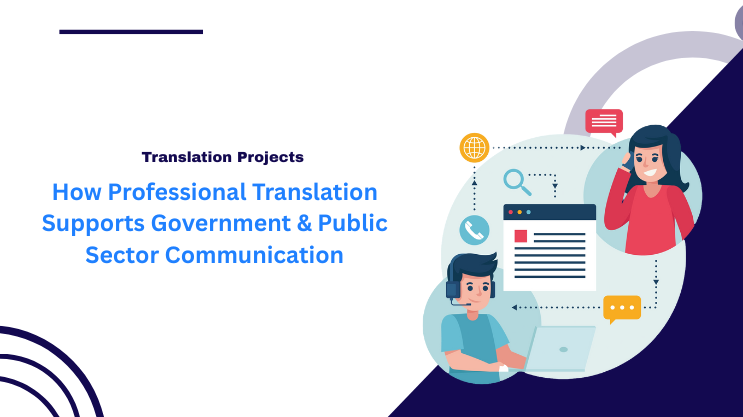
  • How Professional Translation Supports Government & Public Sector Communication

    How Professional Translation Supports Government & Public Sector Communication

    Introduction:
    In today’s interconnected world, governments and public sector organizations communicate with diverse populations that speak multiple languages. Accurate and professional translation is essential to ensure that all citizens have access to critical information, policies, and services. It promotes transparency, trust, and inclusivity while minimizing misunderstandings that could have serious consequences.

    1. Ensuring Accessibility for Multilingual Populations
    Government communications, whether public announcements, policy documents, or health advisories, need to reach everyone. Professional translation ensures that non-native speakers, immigrants, and minority communities understand vital information. This accessibility strengthens democratic participation and promotes social equity.

    2. Maintaining Legal and Regulatory Accuracy
    Legal documents, regulations, and official notices must be translated with precision. Even minor errors can lead to misinterpretation, legal disputes, or compliance violations. Professional translators with expertise in legal terminology ensure that translations are accurate and aligned with official standards.

    3. Promoting Public Health and Safety
    During public health emergencies or natural disasters, accurate translation is critical. Miscommunication can result in panic, non-compliance, or dangerous outcomes. Professional translation ensures that guidelines, warnings, and instructions are clearly communicated to all linguistic communities.

    4. Supporting International Relations and Diplomacy
    Governments interact with other countries through treaties, agreements, and official correspondence. High-quality translation ensures clarity and prevents misunderstandings that could affect diplomatic relationships. Translators with subject matter expertise provide precise, culturally aware communication in these high-stakes contexts.

    5. Enhancing Citizen Engagement and Participation
    Professional translation helps governments engage citizens in civic processes such as elections, consultations, and public forums. Multilingual materials, including websites, surveys, and brochures, encourage participation from all linguistic groups, fostering a more inclusive and representative democracy.

    6. Preserving Cultural Sensitivity in Communication
    Language carries cultural nuances, and professional translators understand how to convey messages respectfully and effectively. Sensitive translation helps avoid unintended offense and ensures that communication resonates with diverse communities while maintaining the intended tone and intent.

    Conclusion:
    Professional translation is not just about converting words; it is about bridging communication gaps, building trust, and ensuring equitable access to information. For governments and public sector organizations, investing in high-quality translation services is essential to maintain transparency, inclusivity, and efficiency in all citizen-facing communication.

  • Common Errors in Legal Document Translation and How to Avoid Them

    Common Errors in Legal Document Translation and How to Avoid Them

    Legal document translation is one of the most sensitive and high-risk areas of language services. Even a small error can lead to misinterpretation, legal disputes, or financial loss. Businesses and individuals must ensure their legal documents are translated with absolute precision. At Honey Translation, we understand the complexity of legal language and the importance of getting it right the first time.

    Below are the most common errors in legal document translation-and how they can be avoided.

    1. Literal Word-for-Word Translation

    One of the most frequent mistakes is translating legal documents word for word. Legal terminology often carries meanings that do not translate directly between languages.

    How to Avoid It:
    Professional legal translators focus on legal equivalence, not literal translation. At Honey Translation, our experts understand both source and target legal systems, ensuring the intended legal meaning remains intact.

    2. Misuse of Legal Terminology

    Legal terms can vary significantly between jurisdictions. Using incorrect or outdated terms can invalidate a document or cause serious misunderstandings.

    How to Avoid It:
    Work with translators who specialize in legal translation. Honey Translation assigns subject-matter experts who are familiar with country-specific legal terminology and compliance requirements.

    3. Ignoring Cultural and Legal System Differences

    Different countries follow different legal frameworks. A clause that is valid in one country may not exist or may be interpreted differently in another.

    How to Avoid It:
    Legal translation must consider local laws and legal practices. Honey Translation ensures translations are adapted to align with the legal context of the target region while preserving original intent.

    4. Inconsistent Terminology Throughout the Document

    Inconsistency in legal terms can lead to confusion and weaken the legal validity of the document.

    How to Avoid It:
    We use standardized glossaries and terminology management systems at Honey Translation to maintain consistency across contracts, agreements, and legal filings.

    5. Formatting and Structural Errors

    Legal documents often have strict formatting requirements. Incorrect numbering, missing sections, or altered layouts can cause rejection by courts or authorities.

    How to Avoid It:
    Professional translators maintain the original structure, formatting, and references. Honey Translation ensures translated legal documents match the original format precisely.

    6. Lack of Proofreading and Quality Checks

    Skipping proper review is a critical mistake. Automated tools and rushed translations often contain hidden errors.

    How to Avoid It:
    At Honey Translation, every legal translation undergoes multi-level quality checks, including proofreading by legal language experts to ensure accuracy and compliance.

    7. Over-Reliance on Machine Translation

    While machine translation tools may seem convenient, they lack legal understanding and context, making them unreliable for legal documents.

    How to Avoid It:
    Legal documents should always be handled by qualified human translators. Honey Translation combines expert linguists with strict quality control to deliver dependable legal translations.

    Conclusion

    Legal document translation requires precision, expertise, and deep understanding of legal systems. Common errors can be avoided by choosing experienced professionals who prioritize accuracy and compliance. Honey Translation provides trusted legal translation services that help businesses and individuals navigate cross-border legal communication with confidence.

    When it comes to legal documents, accuracy is not optional-it is essential.

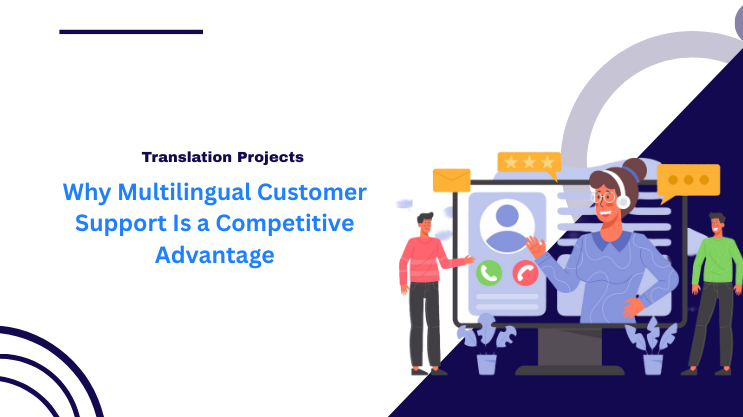
  • Why Multilingual Customer Support Is a Competitive Advantage

    Why Multilingual Customer Support Is a Competitive Advantage

    1. Expanding Global Reach
    Providing support in multiple languages allows businesses to cater to customers across different regions without language barriers. It ensures that potential clients from non-English speaking countries feel understood and valued, opening doors to new markets and increasing revenue opportunities.

    2. Building Customer Trust and Loyalty
    When customers can communicate in their native language, they feel more comfortable and confident in a brand. Multilingual support fosters trust, strengthens relationships, and encourages repeat purchases, which ultimately enhances customer loyalty.

    3. Improving Customer Satisfaction
    Clear and effective communication is critical for solving issues quickly. Multilingual support reduces misunderstandings, resolves queries faster, and delivers a personalized experience, resulting in higher customer satisfaction scores and positive reviews.

    4. Enhancing Brand Image and Reputation
    Brands that offer support in multiple languages are perceived as inclusive, professional, and globally-minded. This enhances brand reputation and positions the company as a leader in customer experience, which attracts more international clients.

    5. Reducing Support Costs and Effort
    Multilingual support, especially when combined with translation tools and trained staff, can reduce repeated queries and miscommunication. Efficient issue resolution minimizes operational costs and improves the overall effectiveness of the support team.

    6. Gaining a Competitive Edge
    In a globalized market, businesses that provide multilingual support stand out from competitors who only offer limited language assistance. It becomes a unique selling point that differentiates a brand, drives customer retention, and contributes to long-term growth.

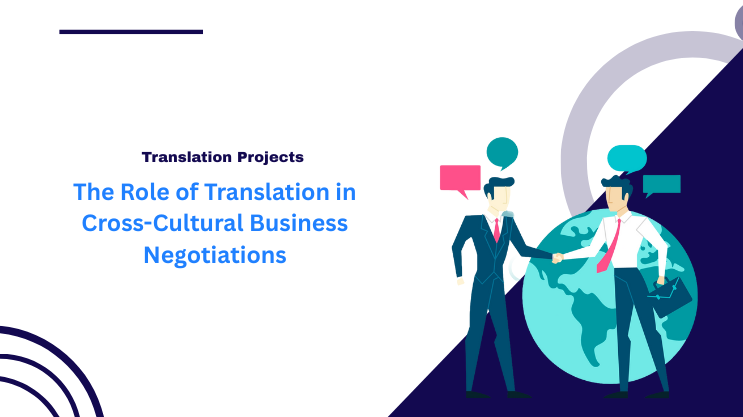
  • The Role of Translation in Cross-Cultural Business Negotiations

    The Role of Translation in Cross-Cultural Business Negotiations

    1. Bridging Language Gaps

    • Ensures all parties understand the discussion clearly.
    • Prevents misinterpretation of key terms and agreements.
    • Builds confidence between partners who speak different languages.

    2. Preserving Cultural Nuances

    • Captures idioms, tone, and cultural references accurately.
    • Avoids unintended offense or miscommunication.
    • Enhances respect and professionalism in negotiations.

    3. Enhancing Contract Accuracy

    • Guarantees precise translation of legal and financial terms.
    • Reduces the risk of disputes arising from ambiguous wording.
    • Supports enforceable agreements across borders.

    4. Improving Relationship Building

    • Demonstrates commitment to understanding the partner’s culture.
    • Strengthens trust and long-term collaboration.
    • Encourages smoother negotiations and mutual respect.

    5. Supporting Real-Time Interpretation

    • Enables live meetings, video calls, and conferences to run seamlessly.
    • Facilitates instant clarification of complex points.
    • Helps maintain negotiation flow without delays.

    6. Boosting Business Outcomes

    • Leads to clearer agreements and fewer misunderstandings.
    • Supports successful global partnerships and expansion.
    • Enhances overall efficiency and profitability in cross-border deals.

  • How Translation Enhances User Experience in Mobile Apps

    How Translation Enhances User Experience in Mobile Apps

    In today’s global market, mobile apps are used by people from diverse linguistic and cultural backgrounds. A well-translated app not only breaks language barriers but also improves overall user experience, engagement, and retention. Here’s how translation plays a crucial role in enhancing mobile app UX.

    1. Seamless Onboarding Experience

    • Translating onboarding screens ensures users immediately understand the app’s purpose and features.
    • Clear, native-language instructions reduce confusion and increase app adoption.
    • Localized onboarding creates a welcoming experience for international users.

    2. Intuitive Navigation and Menu Options

    • Menus, buttons, and icons translated accurately help users navigate effortlessly.
    • Misleading or untranslated terms can frustrate users and lead to app abandonment.
    • Consistent language across the app ensures smooth interaction.

    3. Effective Error Messages and Notifications

    • Users understand errors or alerts faster when they are in their native language.
    • Clear instructions prevent repeated mistakes and improve app reliability.
    • Well-translated notifications increase engagement by making messages actionable.

    4. Engaging and Contextual Content

    • Translated content resonates better with users’ cultural context.
    • Product descriptions, tips, and in-app messages feel natural and relatable.
    • Contextual translation preserves humor, tone, and brand personality.

    5. Enhanced Accessibility and Inclusivity

    • Multilingual support ensures apps are accessible to non-native speakers.
    • Inclusivity improves brand perception and opens up new markets.
    • Users feel valued when the app accommodates their language preferences.

    6. Boosting User Retention and Satisfaction

    • Users are more likely to return to apps that feel personalized and understandable.
    • Translation reduces friction and makes interactions enjoyable.
    • Positive user experience drives higher app ratings, reviews, and long-term loyalty.

    Conclusion
    A well-translated mobile app is more than just text conversion—it is a strategic approach to improving user experience. By localizing content, navigation, and notifications, businesses can increase engagement, accessibility, and overall satisfaction among global audiences. Investing in professional translation ensures your app communicates effectively with users worldwide.

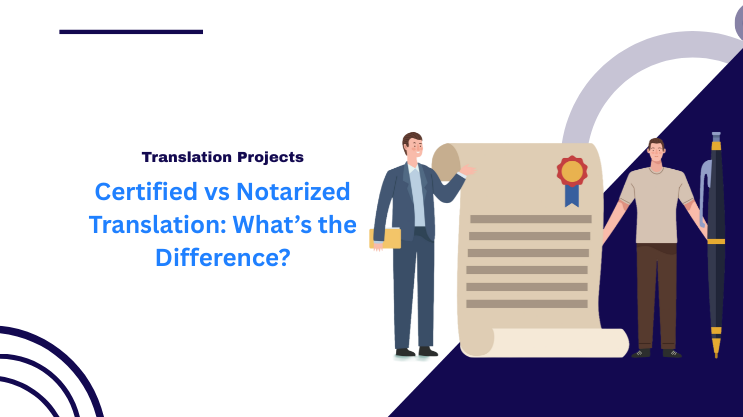
  • Certified vs Notarized Translation: What’s the Difference?

    Certified vs Notarized Translation: What’s the Difference?

    1. Definition of Certified Translation

    • A certified translation is a document translated by a professional translator who attests that the translation is accurate and complete.
    • Usually includes a signed statement or certificate of accuracy from the translator.
    • Often required for legal, immigration, academic, or official documents.

    2. Definition of Notarized Translation

    • A notarized translation involves a certified translation that is further authenticated by a notary public.
    • The notary verifies the identity of the translator and witnesses their signature.
    • Provides an extra layer of legal validation for official submissions.

    3. Purpose and Use Cases

    • Certified translation is typically used for:
      • Visa applications and immigration documents
      • Academic transcripts and diplomas
      • Court or legal proceedings
    • Notarized translation is usually required for:
      • Government agencies requesting proof of authenticity
      • Contracts and affidavits for international legal matters
      • Property or business documents in foreign jurisdictions

    4. Legal Recognition

    • Certified translations are widely recognized by most institutions and government bodies for official purposes.
    • Notarized translations carry additional legal weight in situations where the authenticity of the translator’s signature must be verified.

    5. Process Differences

    • Certified translation:
      • Translator completes the translation
      • Provides a signed certification of accuracy
    • Notarized translation:
      • Translator completes a certified translation
      • Appears before a notary public for signature verification
      • Notary affixes seal and notarization statement

    6. Key Takeaways for Businesses and Individuals

    • Not all documents require notarization; check the specific requirements of the receiving institution.
    • Certified translation is sufficient for most official purposes like immigration, education, and legal submissions.
    • Notarized translation is essential when legal authentication is explicitly requested.
    • Working with professional translation services ensures accuracy and compliance with local and international standards.
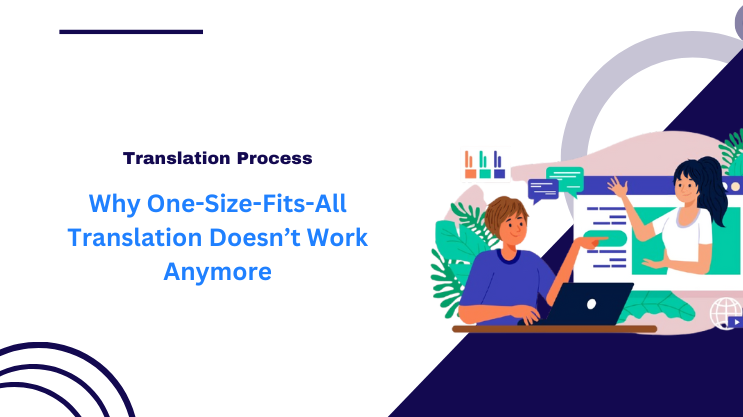
  • Why One-Size-Fits-All Translation Doesn’t Work Anymore

    Why One-Size-Fits-All Translation Doesn’t Work Anymore

    In a world where businesses operate across multiple countries, cultures, and digital platforms, communication must be precise, relevant, and audience-focused. The old approach of one-size-fits-all translation is no longer effective. Today’s global audiences expect content that speaks directly to them-not just in their language, but in their cultural context.

    1. Languages Are Not Uniform

    Even within the same language, regional differences matter. English in the UK, US, and Australia varies in spelling, tone, and usage. The same applies to Spanish, French, Arabic, and many other languages.

    A single generic translation often fails to reflect these nuances, leading to confusion or a lack of connection with local audiences.

    2. Cultural Context Shapes Meaning

    Words carry different meanings depending on cultural background. Humor, idioms, marketing slogans, and emotional tone don’t translate directly.

    One-size-fits-all translation ignores cultural sensitivity, which can result in content that feels unnatural-or worse, offensive-to local audiences.

    3. Different Industries Demand Different Language

    Legal, medical, technical, and marketing content each require specialized terminology and precision. A general translation approach cannot meet the accuracy standards required across diverse industries.

    Tailored translation ensures content meets professional, legal, and industry-specific expectations.

    4. Customer Expectations Have Changed

    Today’s customers expect personalized experiences. Whether it’s a website, app, or product description, users engage more with content that feels local and relevant.

    Generic translations often fail to build trust or encourage engagement, impacting brand credibility and conversion rates.

    5. Digital Platforms Require Localization

    Content is consumed differently across platforms-websites, mobile apps, social media, and e-commerce marketplaces. Each platform has unique tone, length, and style requirements.

    A single translation cannot effectively serve all platforms. Localization adapts content for both language and user experience.

    6. Brand Voice Must Stay Consistent

    A brand’s voice should remain consistent while still being adaptable across regions. One-size-fits-all translations often dilute brand messaging or make it sound robotic.

    Customized translation maintains brand identity while ensuring the message resonates locally.

    Conclusion

    Global communication is no longer about simply translating words-it’s about translating meaning, intent, and experience. One-size-fits-all translation may save time, but it no longer meets the expectations of modern businesses or global audiences.

    To truly connect, businesses must adopt a tailored, culturally aware translation approach that speaks directly to each market.

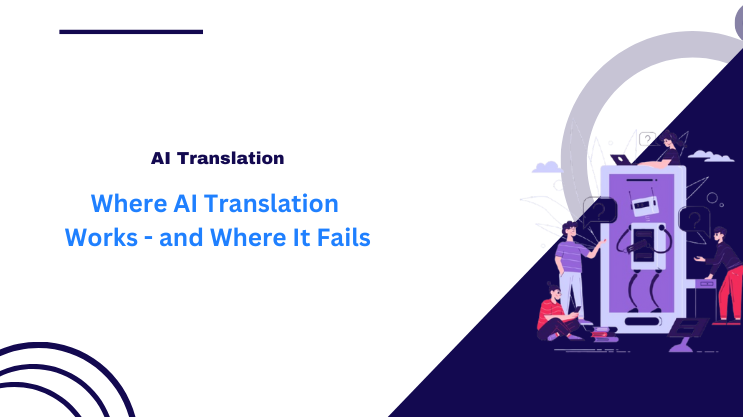
  • Where AI Translation Works – and Where It Fails

    Where AI Translation Works – and Where It Fails

    Artificial Intelligence (AI) has transformed the way we translate languages. With instant results and easy access, AI translation tools are now widely used by individuals and businesses alike. However, while AI translation offers speed and convenience, it also has clear limitations. Understanding where AI translation works—and where it fails-helps businesses make smarter communication decisions.

    Where AI Translation Works Well

    1. Simple and Informal Content

    AI translation performs reasonably well for short, straightforward content such as casual emails, chat messages, or basic instructions. When the language is simple and context is limited, AI can deliver a general understanding quickly.

    2. High-Speed, Large-Volume Needs

    For internal use or rough drafts, AI is useful when speed matters more than perfection. Businesses often use AI tools to get a quick sense of foreign-language content before deciding on further action.

    3. Common Language Pairs

    AI translation tends to be more accurate with widely used languages, as it has access to large datasets. This makes it suitable for general translations where precision is not critical.

    4. Cost-Effective First Step

    AI tools can be a starting point for understanding basic information without immediate investment in professional services.

    Where AI Translation Fails

    1. Context and Meaning

    AI struggles with understanding context, tone, and implied meaning. Idioms, metaphors, humor, and emotional expressions are often translated incorrectly, leading to confusion or miscommunication.

    2. Cultural Nuances

    Language is more than words—it reflects culture. AI tools cannot adapt content to local customs, traditions, or expectations, which is essential for marketing, branding, and customer engagement.

    3. Industry-Specific Content

    Legal, medical, technical, and financial documents require precise terminology and compliance. AI translations can produce errors that may have serious consequences in these fields.

    4. Brand Voice and Consistency

    AI lacks the ability to maintain a consistent brand tone across languages. Marketing content translated by AI may sound unnatural or fail to resonate with the target audience.

    5. Data Privacy Concerns

    Free AI translation tools may store or reuse submitted content, making them risky for confidential business documents.

    The Human Advantage in Translation

    While AI continues to improve, human translators bring judgment, cultural awareness, and subject-matter expertise that technology cannot replace. Professional translators review meaning, tone, and intent—ensuring the message is accurate and appropriate for its audience.

    At Honey Translation, we combine human expertise with smart technology to deliver translations that are accurate, culturally relevant, and business-ready. Our approach ensures that your message is not just translated-but truly understood.

    Conclusion

    AI translation is a powerful tool for speed and convenience, but it has clear boundaries. For critical business communication, brand messaging, and sensitive documents, professional human translation remains essential.

    Choosing the right translation approach ensures clarity, credibility, and successful global communication.

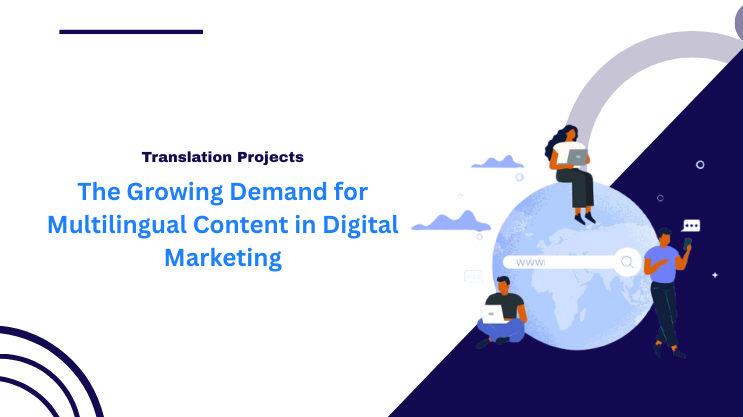
  • The Growing Demand for Multilingual Content in Digital Marketing

    The Growing Demand for Multilingual Content in Digital Marketing

    In today’s globalized world, businesses are expanding beyond borders, reaching audiences from different linguistic and cultural backgrounds. Multilingual content has become a key strategy in digital marketing to connect, engage, and convert international audiences. Companies that embrace multilingual content not only increase visibility but also build trust with diverse customers.

    1. Expanding Reach to Global Audiences

    • Communicate with potential customers in their native language to increase engagement.
    • Access untapped markets that may have limited proficiency in English.
    • Improve brand awareness by catering to diverse linguistic preferences.
    • Strengthen global marketing campaigns with culturally relevant messaging.

    2. Enhancing Customer Experience

    • Provide content that is easy to understand and relatable for different audiences.
    • Improve user satisfaction by offering localized websites, emails, and social media posts.
    • Build trust by showing respect for local cultures and languages.
    • Reduce bounce rates and increase time spent on site through accessible multilingual content.

    3. Boosting SEO and Online Visibility

    • Optimize content with localized keywords for search engines in different regions.
    • Increase organic traffic by appearing in local search results across multiple languages.
    • Improve domain authority by targeting diverse markets with quality content.
    • Enhance click-through rates by using culturally relevant titles and meta descriptions.

    4. Driving Higher Conversion Rates

    • Encourage purchases by making content understandable and persuasive in the customer’s language.
    • Personalize marketing messages for local preferences and cultural sensitivities.
    • Increase loyalty and repeat business by offering consistent multilingual communication.
    • Gain a competitive edge over brands that focus only on one language.

    Conclusion:
    As businesses continue to globalize, the demand for multilingual content in digital marketing will keep growing. Investing in high-quality, culturally accurate translations is no longer optional—it’s a necessity to connect with international audiences, improve customer experience, and drive meaningful business growth.