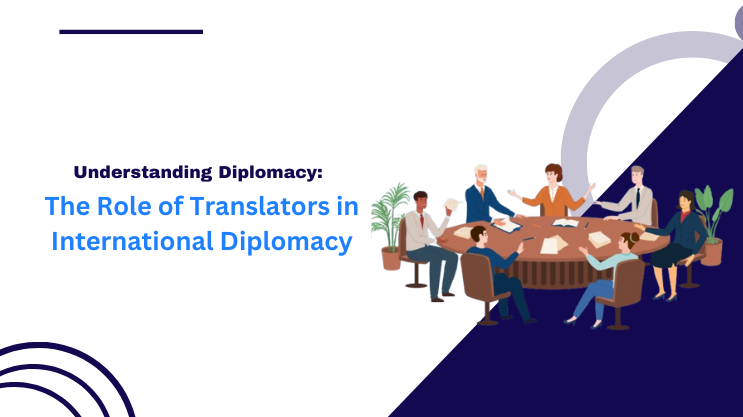
In a world where global cooperation is crucial, communication is more than just exchanging words-it’s about understanding nuance, culture, and context. Translators play a vital role in international diplomacy, ensuring that conversations between nations are clear, precise, and culturally sensitive. Their work goes beyond mere translation; it fosters trust, prevents misunderstandings, and supports critical decision-making.
Who Are Diplomatic Translators?
Diplomatic translators specialize in translating spoken or written communication for governments, international organizations, and multinational meetings. They often handle:
- Treaties and legal documents
- Diplomatic correspondence and speeches
- International conferences and summits
- Press statements and media releases
These translators must combine linguistic expertise with a deep understanding of political, cultural, and legal nuances.
Why Translators Are Crucial in Diplomacy
- Ensuring Accuracy: Even small mistranslations can cause diplomatic tensions. Translators ensure messages are precise and unambiguous.
- Bridging Cultures: They interpret cultural subtleties and idioms, preventing miscommunication and fostering mutual respect.
- Supporting Negotiations: Translators help diplomats convey proposals and agreements effectively, facilitating smoother negotiations.
- Crisis Management: In sensitive situations, accurate communication can prevent conflicts and support peaceful resolutions.
Key Challenges in Diplomatic Translation
- High Stakes: Mistakes can have serious political or economic consequences.
- Complex Terminology: Legal, economic, and political jargon requires expert knowledge.
- Confidentiality: Translators often handle sensitive information that demands strict discretion.
- Real-Time Interpretation: Live conferences and summits require simultaneous interpretation, demanding focus and quick thinking.
Best Practices for Diplomatic Translators
- Continuous Learning: Keep up with global politics, international law, and cultural shifts.
- Precision and Neutrality: Avoid personal bias and maintain neutrality in all translations.
- Collaboration: Work closely with diplomats, legal experts, and protocol officers to ensure accurate messaging.
- Professional Certifications: Engage with certified translation and interpretation bodies to validate expertise.
- Adaptability: Be ready for last-minute changes, urgent meetings, and high-pressure environments.
Conclusion
Translators are the silent backbone of international diplomacy. Their work ensures that language is never a barrier to global cooperation. By combining linguistic expertise, cultural insight, and diplomatic awareness, translators foster understanding, build trust, and help maintain peace across nations. For governments, organizations, and institutions, investing in professional translation services is not just a necessity-it’s a strategic imperative.
diplomatic translators, translation in diplomacy, international communication, multilingual diplomacy, global negotiations, translation services, diplomatic interpretation