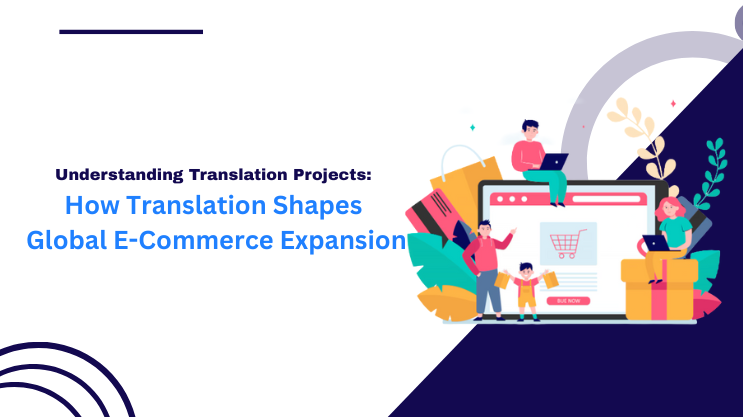
Global e-commerce is growing rapidly, but success in international markets goes beyond shipping products abroad. Accurate, culturally-sensitive translation is essential to connect with customers, build trust, and drive conversions. Translation impacts everything from product listings and marketing campaigns to user interfaces and customer support, shaping the overall international e-commerce experience.
Why Translation Matters for E-Commerce Expansion
- Enhances Customer Experience: Clear and localized product descriptions, menus, and navigation make shopping easier and more enjoyable.
- Boosts Conversion Rates: Customers are more likely to buy when content is presented in their native language.
- Strengthens Brand Trust: Professional translation signals credibility and commitment to local markets.
- Supports Global Marketing Campaigns: Accurate multilingual content allows for consistent campaigns across regions.
- Reduces Cart Abandonment: Misunderstandings due to poor translation are a common reason for abandoned purchases.
Key Areas Where Translation Impacts E-Commerce
- Product Listings: Accurate, localized product titles and descriptions improve search visibility and buyer confidence.
- User Interface (UI): Menus, buttons, and forms must be translated and adapted for clarity and usability.
- Marketing Content: Emails, ads, and social media posts need to resonate culturally to drive engagement.
- Customer Support: Multilingual FAQs, chatbots, and help centers ensure timely support and positive experiences.
- Payment and Checkout Pages: Clear language prevents errors and ensures smooth transactions across markets.
Challenges in E-Commerce Translation
- Volume of Content: Thousands of SKUs, product descriptions, and campaigns require scalable translation solutions.
- Cultural Sensitivity: Colors, images, and phrases must align with local cultural expectations.
- Consistency Across Channels: Maintaining uniform messaging across websites, apps, and marketing campaigns.
- Dynamic Content Updates: Regular updates to product lines and promotions require agile translation workflows.
Best Practices for Global E-Commerce Translation
- Hire Professional Translators: Experts ensure accuracy, cultural relevance, and SEO optimization in each market.
- Use Translation Management Systems (TMS): Streamline multilingual content updates and maintain consistency.
- Develop Glossaries and Style Guides: Preserve brand voice, terminology, and tone across languages.
- Test User Experience Locally: Ensure translated interfaces are intuitive and culturally appropriate.
- Leverage Analytics: Monitor performance of localized content to optimize conversions and engagement.
Tools That Support E-Commerce Translation
- Translation Memory Tools: Maintain consistency across repeated content and reduce turnaround time.
- In-context Review Platforms: Visualize translations within product pages, checkout flows, and UI.
- Multilingual SEO Tools: Optimize translated content for local search engines.
- Collaboration Platforms: Coordinate translators, editors, and marketers efficiently.
Conclusion
Translation is a cornerstone of global e-commerce expansion. Beyond language conversion, it ensures cultural relevance, enhances user experience, builds trust, and drives conversions. Companies that prioritize professional translation are better equipped to enter new markets, scale globally, and deliver a seamless shopping experience for customers worldwide.
E-commerce translation, global e-commerce expansion, multilingual product localization, translation for online stores, international e-commerce strategy, Honey Translation Services.