In today’s interconnected world, language is the key to bridging people, ideas, and opportunities. Whether it’s businesses trying to reach international customers, media sharing news globally, or individuals connecting with friends and family across borders, translation has become an essential part of everyday communication. Gone are the days when translation was considered optional; in our globalized society, it is a necessity.
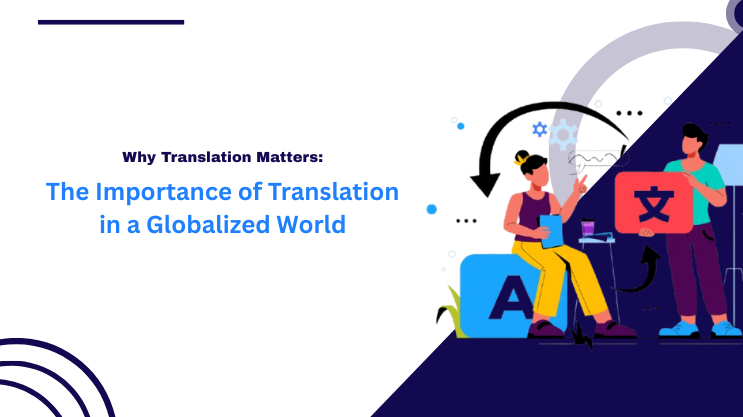
Why Translation Matters:
Bridging Cultural and Linguistic Gaps:
Language is deeply tied to culture, values, and identity. A single word or phrase can carry different meanings depending on the context. Professional translation ensures that the intended meaning is preserved while making content accessible to people from diverse cultural backgrounds. For example, idioms, metaphors, or culturally specific expressions in one language may have no direct equivalent in another. Translators not only convert words but also convey the cultural nuance behind them.
Helping Businesses Expand Internationally:
Globalization has made international business more accessible than ever. However, entering new markets requires more than just shipping products abroad—it requires clear communication in the local language. Accurate translation helps businesses connect with potential customers, build trust, and increase sales. For instance, e-commerce platforms like Amazon translate product descriptions, reviews, and customer support messages so buyers around the world can shop with confidence.
Enabling Access to Education and Media:
Translation opens doors to knowledge and entertainment for people across the globe. Academic research, online courses, and e-learning platforms rely on translation to make content accessible to non-native speakers. Similarly, streaming platforms like Netflix and Disney+ invest heavily in subtitles and dubbing to ensure that audiences from different countries can enjoy movies, series, and documentaries. Without translation, millions would miss out on valuable learning and cultural experiences.
Supporting Global Communication and Diplomacy:
Translation is also crucial in international relations, diplomacy, and humanitarian work. Official documents, treaties, and communications between governments need precise translation to avoid misunderstandings. In emergencies or disaster response situations, translation helps NGOs and aid organizations provide critical information to people who speak different languages.
Example in Practice:
Netflix’s global success is a perfect example of the power of translation. By providing accurate subtitles and dubbing in multiple languages, the platform ensures that audiences worldwide can enjoy the same content without losing meaning, humor, or emotion. Similarly, international news organizations translate articles to keep people informed about global events in their native language, fostering a more connected world.