Tag: #WebsiteLocalization

  • Certified Document Translation Service Online: Everything You Need to Know

    Certified Document Translation Service Online: Everything You Need to Know

    In today’s globalized world, official documents often need to be presented across borders, languages, and legal systems. Whether you are applying for a visa, submitting documents to a university, dealing with court proceedings, or expanding your business internationally, certified document translation plays a critical role. With the rise of digital services, opting for a certified document translation service online has become faster, more reliable, and more accessible than ever.

    This guide explains everything you need to know about certified document translation services online—what they are, why they matter, and how to choose the right provider.


    What Is a Certified Document Translation?

    A certified translation is a translated document accompanied by a signed statement from the translator or translation agency affirming that the translation is accurate, complete, and faithful to the original document.

    Certified translations are usually required for:

    • Immigration and visa applications
    • Court and legal proceedings
    • Academic admissions
    • Government and official submissions

    The certification adds legal credibility and ensures the translated document is accepted by authorities.


    What Is a Certified Document Translation Service Online?

    A certified document translation service online allows you to:

    • Upload your documents digitally
    • Get translations done by qualified professionals
    • Receive certified translations via email or courier

    These services eliminate the need for physical visits, making the process faster and more convenient—especially for international clients.


    Types of Documents That Require Certified Translation

    Certified document translation services online are commonly used for:

    Personal Documents

    • Birth certificates
    • Marriage certificates
    • Divorce decrees
    • Death certificates

    Immigration & Legal Documents

    • Passports
    • Visas
    • Affidavits
    • Court orders
    • Police clearance certificates

    Academic Documents

    • Degree certificates
    • Transcripts
    • Diplomas
    • Mark sheets

    Business & Corporate Documents

    • Contracts and agreements
    • Power of attorney
    • Company registration documents

    Why Certified Translation Is Important

    1. Legal Acceptance

    Government bodies, courts, and embassies require certified translations to ensure authenticity.

    2. Accuracy & Precision

    A single mistranslated word can change the legal meaning of a document. Certified translations follow strict quality standards.

    3. Professional Accountability

    Certified translators take responsibility for the accuracy of the translation, reducing risks of rejection.


    Benefits of Using a Certified Document Translation Service Online

    Convenience

    Upload documents anytime, from anywhere—no physical visits required.

    Faster Turnaround

    Online services often provide express delivery options for urgent needs.

    Cost-Effective

    Online providers usually offer competitive pricing compared to offline agencies.

    Global Reach

    Access certified translators for multiple languages, regardless of your location.

    Secure Handling

    Reputable online services use encryption and confidentiality agreements to protect sensitive information.


    How the Online Certified Translation Process Works

    1. Upload Your Document
      Submit a scanned copy or clear photo of your document online.
    2. Language & Requirement Review
      The service checks language pairs, certification needs, and formatting.
    3. Professional Translation
      A qualified translator completes the translation following official standards.
    4. Certification & Quality Check
      The translation is reviewed and certified for accuracy.
    5. Delivery
      Receive the certified translation digitally or via courier, as required.

    How to Choose the Right Certified Document Translation Service Online

    When selecting a provider, look for:

    • Certified and experienced translators
    • Acceptance by embassies, courts, and universities
    • Clear pricing with no hidden charges
    • Data privacy and confidentiality assurance
    • Positive reviews and client testimonials

    Avoid providers that do not offer proper certification or legal compliance.


    Common Mistakes to Avoid

    • Using non-certified translations for official submissions
    • Choosing low-cost services without quality assurance
    • Submitting unclear or incomplete documents
    • Missing formatting or notarization requirements

    These mistakes can lead to delays or rejection of applications.


    Final Thoughts

    A certified document translation service online is essential when dealing with official, legal, or academic documents across languages. It ensures accuracy, legal validity, and peace of mind—all while saving time and effort. By choosing a reliable online service, you can confidently submit your documents anywhere in the world without language barriers holding you back.
  • Global Expansion Fails Without the Right Translation Partner

    Global Expansion Fails Without the Right Translation Partner

    Expanding into international markets is an exciting milestone for any business. New regions promise fresh customers, increased revenue, and global brand recognition. However, many global expansion strategies fail not because of product quality or pricing-but because of poor translation and localization choices.

    Language is more than words. It carries cultural meaning, legal nuance, emotional tone, and trust. Without the right translation partner, even well-funded global expansion plans can quickly collapse.

    Why Translation Is Critical for Global Growth

    When businesses enter new markets, they must communicate clearly with customers, partners, regulators, and employees. This includes:

    • Websites and mobile apps
    • Marketing campaigns and advertisements
    • Legal and compliance documents
    • Product manuals and user guides
    • Customer support and chatbot interactions

    A single translation error can lead to misunderstandings, loss of credibility, legal risks, or even public backlash.

    Common Reasons Global Expansion Fails Due to Poor Translation

    1. Literal Translation Instead of Localization

    Word-for-word translation ignores cultural context. What works in one country may sound confusing, offensive, or meaningless in another. Localization adapts content to local customs, tone, and expectations—something automated tools cannot fully achieve.

    2. Inconsistent Brand Voice Across Markets

    Without a professional translation partner, brand messaging becomes inconsistent. Customers may perceive the brand as unreliable or unprofessional when tone, terminology, and style vary across languages.

    3. Legal and Compliance Risks

    Incorrect translation of contracts, terms & conditions, or regulatory documents can lead to compliance violations, fines, or legal disputes. Certified and subject-matter-expert translators are essential for legal and technical accuracy.

    4. Poor Customer Experience

    Unnatural or confusing translations frustrate users. This can result in higher bounce rates, abandoned carts, negative reviews, and reduced customer loyalty—especially in competitive global markets.

    5. Over-Reliance on Machine Translation

    While machine translation is fast, it often fails to capture nuance, industry-specific terminology, and cultural sensitivity. Businesses that rely solely on automated tools risk damaging their reputation.

    What Makes the Right Translation Partner?

    Choosing the right translation partner is a strategic decision-not a cost-saving shortcut. The right partner offers:

    • Native-language professional translators
    • Industry-specific expertise (legal, medical, technical, marketing)
    • Cultural localization, not just translation
    • Quality assurance and review processes
    • Certified translations where required
    • Scalable solutions for growing global businesses

    A reliable translation partner acts as an extension of your brand, ensuring every message feels natural and trustworthy in every market.

    How the Right Partner Supports Successful Global Expansion

    A professional translation partner helps businesses:

    • Build trust with international audiences
    • Maintain brand consistency across regions
    • Reduce legal and operational risks
    • Improve user experience and engagement
    • Accelerate market entry with confidence

    At Honey Translations, we understand that global expansion requires more than language conversion. Our expert linguists and localization specialists ensure your message resonates accurately, culturally, and professionally—no matter the market.

    Conclusion

    Global expansion doesn’t fail because businesses aim too high-it fails when communication falls short. Language barriers, cultural misunderstandings, and inaccurate translations can undo years of planning and investment.

    Choosing the right translation partner is not optional; it is essential. With the right expertise, quality standards, and cultural insight, your business can expand globally with confidence, credibility, and clarity.

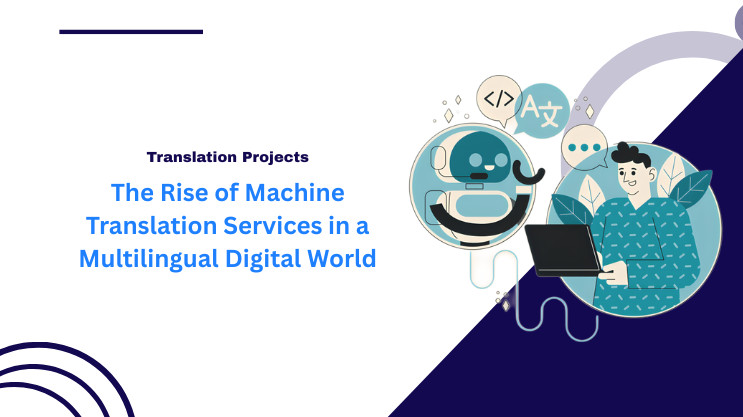
  • The Rise of Machine Translation Services in a Multilingual Digital World

    The Rise of Machine Translation Services in a Multilingual Digital World

    In today’s hyper-connected digital landscape, businesses are no longer confined by geographical boundaries. With audiences spanning continents and languages, the demand for fast, scalable, and cost-effective translation solutions has grown rapidly. This demand has led to the widespread adoption of machine translation (MT) services, transforming how organizations communicate in a multilingual digital world.

    Understanding Machine Translation

    Machine translation refers to the use of artificial intelligence (AI) and algorithms to automatically translate text or speech from one language to another. Unlike traditional human translation, machine translation delivers results in seconds, making it ideal for high-volume and time-sensitive content.

    Modern machine translation systems leverage neural networks and deep learning, allowing them to analyze context, sentence structure, and linguistic patterns more accurately than earlier rule-based systems.

    Why Machine Translation Is Growing Rapidly

    Several factors have contributed to the rise of machine translation services:

    Global Digital Expansion

    Websites, mobile apps, e-commerce platforms, and social media channels are increasingly multilingual. Businesses need instant translation to engage users worldwide, and machine translation offers the speed required to keep up with global demand.

    Cost and Time Efficiency

    Human translation can be expensive and time-consuming for large-scale projects. Machine translation significantly reduces costs and turnaround times, especially for internal documents, product catalogs, and user-generated content.

    Advancements in AI and Neural MT

    Neural Machine Translation (NMT) has dramatically improved output quality. These systems learn from vast datasets, enabling more natural phrasing, improved grammar, and better handling of complex language structures.

    Real-Time Communication Needs

    Customer support chats, live chats, emails, and chatbot interactions require immediate responses. Machine translation enables real-time multilingual communication, improving customer experience and satisfaction.

    Common Use Cases of Machine Translation Services

    Machine translation is widely used across industries for various purposes:

    • Website and app content localization
    • Multilingual customer support and chatbots
    • E-commerce product descriptions
    • Internal business communication
    • Social media monitoring and engagement
    • Technical documentation and knowledge bases

    In many cases, machine translation acts as a first step, followed by human review for accuracy and cultural relevance.

    Machine Translation vs Human Translation

    While machine translation excels in speed and scalability, it is not a complete replacement for human translators.

    Machine translation works best for:

    • High-volume, low-risk content
    • Informational or repetitive text
    • Internal and time-sensitive communication

    Human translation remains essential for:

    • Legal, medical, and financial documents
    • Marketing and creative content
    • Cultural nuance and brand voice
    • Certified and official translations

    A hybrid approach, known as Machine Translation Post-Editing (MTPE), combines the strengths of both, delivering faster results without compromising quality.

    Challenges of Machine Translation

    Despite its advantages, machine translation still faces limitations:

    • Difficulty handling idioms, humor, and cultural references
    • Inconsistent tone and terminology without customization
    • Potential errors in sensitive or technical content
    • Lack of emotional and cultural understanding

    These challenges highlight the importance of expert oversight, especially for customer-facing or high-impact materials.

    The Future of Machine Translation Services

    As AI continues to evolve, machine translation will become even more sophisticated. Custom-trained engines, industry-specific glossaries, and improved contextual understanding will further enhance accuracy. Businesses that integrate machine translation strategically-alongside human expertise-will gain a strong competitive advantage in global markets.

    Conclusion

    The rise of machine translation services reflects the growing need for fast, scalable communication in a multilingual digital world. While it cannot fully replace human translators, machine translation plays a critical role in enabling global reach, improving efficiency, and supporting real-time interactions. By adopting a balanced approach that combines technology with human linguistic expertise, businesses can communicate effectively across languages while maintaining quality, accuracy, and cultural sensitivity.

  • What are the fastest translation services for urgent projects

    What are the fastest translation services for urgent projects

    In today’s globalized world, businesses and individuals often face the need for fast, accurate translations. Whether it’s a last-minute legal document, marketing copy, or technical manual, urgent projects require translation services that are both speedy and reliable. This blog explores the fastest translation solutions available and how to choose the right service for your needs.

    Why Speed Matters in Translation

    Time-sensitive translation projects can arise from:

    • Business deals: Contracts or agreements that need immediate localization.
    • Legal requirements: Court documents, patents, or immigration papers with strict deadlines.
    • Marketing campaigns: Launching products in multiple languages simultaneously.
    • Technical documentation: Software manuals or product guides requiring rapid updates.

    Delays in translation can lead to missed opportunities, legal risks, and reduced brand credibility.

    Types of Fast Translation Services

    1. Professional Human Translation with Rush Options

    Many certified translation agencies provide express services for urgent projects. These typically involve:

    • Dedicated translators working on a priority schedule.
    • Fast turnaround without compromising accuracy.
    • Options for 24-hour or even same-day delivery for small to medium-sized documents.

    2. Machine Translation with Human Post-Editing (MTPE)

    For extremely tight deadlines, MTPE combines AI-driven translations with professional editing. Benefits include:

    • Speed: AI translates instantly.
    • Quality assurance: Post-editing ensures correct grammar, terminology, and context.
    • Cost-effective for large-volume projects under time pressure.

    3. Translation Platforms with On-Demand Freelancers

    Online platforms connecting businesses with professional translators worldwide allow for:

    • Real-time project assignment to available linguists.
    • Immediate start on urgent jobs.
    • Flexibility across multiple languages and specialties.

    4. Specialized Urgent Translation Agencies

    Some agencies specialize in high-speed translations for specific industries such as legal, medical, or technical fields. Features include:

    • 24/7 support.
    • Multiple linguists collaborating to accelerate delivery.
    • Secure handling of confidential documents.

    Tips for Speeding Up Your Translation Project

    • Prepare documents clearly: Clean, well-formatted files reduce editing time.
    • Provide reference materials: Glossaries or previous translations help maintain consistency.
    • Specify urgency upfront: Clearly mark documents as urgent when submitting.
    • Choose a service experienced in your domain: Industry knowledge prevents errors and back-and-forth revisions.

    Choosing the Right Service for Urgency and Quality

    While speed is crucial, accuracy cannot be compromised. Consider the following:

    • Turnaround time: Ensure the service meets your deadline.
    • Translator expertise: Specialized knowledge is essential for complex content.
    • Security and confidentiality: Especially for legal, financial, or medical documents.
    • Customer support: Immediate assistance can prevent delays and miscommunication.

    Conclusion

    Urgent translation projects demand services that combine speed with accuracy. Professional agencies offering rush options, MTPE solutions, on-demand freelancers, and specialized urgent translation providers are all viable solutions depending on your project needs. By selecting the right service and preparing your documents effectively, you can ensure that even the tightest deadlines are met without compromising quality.

    Fast translations don’t have to mean rushed mistakes – with the right approach, you can go global at lightning speed.

  • Where can I get website translation services with SEO support

    Where can I get website translation services with SEO support

    In today’s globalized world, having a website that speaks multiple languages is no longer optional-it’s essential. But translating your website isn’t just about converting words from one language to another. It’s about maintaining your brand’s voice, engaging international audiences, and ensuring your content ranks well in search engines. This is where website translation services with SEO support come into play.

    Why You Need Website Translation Services with SEO Support

    Many businesses make the mistake of translating content literally without considering SEO. This can lead to poor search engine rankings, reduced traffic, and a confusing user experience. Combining translation with SEO ensures that your website:

    • Reaches your target audience in their native language.
    • Appears in search results relevant to the local market.
    • Maintains brand consistency across multiple regions.
    • Improves user engagement and conversion rates internationally.

    Key Features to Look for in Translation Services

    When choosing a provider, make sure they offer more than just literal translation. Key features include:

    1. Native Language Expertise

    Professional translators who are native speakers can adapt your content culturally and contextually.

    2. SEO Optimization

    Look for services that include keyword research, meta tags translation, URL localization, and hreflang implementation to help your website rank globally.

    3. Technical and Industry Knowledge

    Certain industries, such as healthcare, legal, or technology, require domain-specific knowledge. Ensure your translator understands your niche.

    4. CMS and Website Integration

    A good service should seamlessly integrate translations into platforms like WordPress, Shopify, or custom-built websites without breaking your design.

    Top Platforms and Providers for Website Translation with SEO

    Here are some reliable options:

    1. Honey Translation Services

    Specializes in website translation with SEO-friendly content, ensuring your brand reaches audiences effectively while maintaining search rankings. Offers integration with major CMS platforms.

    2. Smartling

    A popular platform that combines translation, localization, and SEO management. Ideal for large-scale websites needing multilingual content.

    3. TransPerfect

    Provides comprehensive website localization services, including SEO optimization, keyword strategy, and multilingual content management.

    4. Weglot

    A website plugin that automatically translates and optimizes your site for international search engines. Easy to implement and manage for small to medium businesses.

    Tips for Choosing the Right Service

    • Check reviews and case studies to see previous SEO success.
    • Ask about keyword localization instead of direct translation.
    • Ensure ongoing support for updates and new content.
    • Confirm technical capabilities for CMS or platform integration.

    Conclusion

    Expanding your website into multiple languages can dramatically increase your global reach-but only if it’s done strategically. Choosing a website translation service with SEO support ensures your content resonates with international audiences while maintaining strong search visibility. Whether you’re a small business or a global brand, investing in professional translation and SEO is the key to thriving in the international digital market.

  • Speak Any Language Instantly: The Rise of Phone Translation Services

    Speak Any Language Instantly: The Rise of Phone Translation Services

    In our increasingly globalized world, communication across languages has never been more critical. Whether traveling, conducting international business, or connecting with friends from different cultures, language barriers often pose challenges. Enter phone translation services-innovative tools that allow people to speak and understand any language instantly.

    What Are Phone Translation Services?

    Phone translation services are applications or devices that provide real-time translation of spoken or written language. Using advanced technologies such as artificial intelligence (AI), machine learning, and natural language processing (NLP), these tools can interpret conversations on the fly. From simple text translation to full voice-to-voice interpretation, these services are transforming how we communicate globally.

    How Phone Translation Services Work

    Most phone translation services rely on a combination of voice recognition, AI-driven language models, and cloud computing:

    1. Voice Recognition: The app captures spoken words through your phone’s microphone.
    2. AI Processing: The system analyzes the speech, determines the language, and translates it accurately.
    3. Voice or Text Output: The translated message is delivered in real-time as speech or text, enabling instant communication.

    Some apps even allow two-way conversations, where both parties speak in their native language, and the translation occurs seamlessly, almost as if the conversation were happening in the same language.

    Benefits of Using Phone Translation Services

    • Break Language Barriers: Communicate effortlessly in foreign countries or with international colleagues.
    • Save Time and Money: Reduce the need for human translators for everyday conversations.
    • Improve Accessibility: Assist tourists, students, and professionals in real-time communication.
    • Support Business Growth: Expand reach in global markets by connecting with clients and partners in their native language.

    Popular Use Cases

    • Travel: Ordering food, asking for directions, or booking accommodations without worrying about language differences.
    • Business Meetings: Negotiating deals or collaborating with overseas teams without miscommunication.
    • Education: Learning new languages or assisting students in understanding foreign content.
    • Healthcare: Helping medical professionals communicate with patients who speak different languages.

    The Future of Instant Translation

    With AI technology advancing rapidly, phone translation services are becoming smarter, faster, and more accurate. Future developments could include:

    • Offline Translation: Enabling real-time translation without internet connectivity.
    • Contextual Understanding: Recognizing idioms, slang, and cultural nuances.
    • Wearable Integration: Incorporating translation features into smartwatches and earbuds for seamless communication.

    Conclusion

    Phone translation services are no longer just a futuristic idea-they are a reality changing how we connect across borders. By making languages instantly understandable, these tools empower individuals and businesses alike, fostering global communication like never before.

    Embracing these services means you can speak any language instantly, explore new cultures confidently, and navigate the world with ease.

  • Translating Business Content Without Losing Brand Voice

    Translating Business Content Without Losing Brand Voice

    In today’s globalized marketplace, businesses are no longer confined to their local audiences. Expanding internationally often requires translating marketing materials, websites, social media content, and other business communications. But here’s the challenge: translation isn’t just about converting words from one language to another—it’s about preserving your brand’s unique voice and personality.

    Failing to maintain this consistency can lead to mixed messaging, customer confusion, and even damage to brand reputation. So, how can businesses translate content effectively while keeping their brand voice intact? Let’s dive in.

    1. Understand Your Brand Voice

    Before starting the translation process, it’s essential to have a clear understanding of your brand voice. Ask yourself:

    • Is your tone formal or conversational?
    • Are you playful, authoritative, or inspiring?
    • How do you engage with your audience?

    Documenting your brand voice guidelines will serve as a reference point for translators. This ensures they know not just what to say, but how to say it.

    2. Choose Skilled Translators, Not Just Any Translator

    Machine translation tools are convenient and fast, but they often miss the nuances of your brand’s personality.

    Hiring professional translators with expertise in marketing and your industry is crucial. They can:

    • Adapt idioms and expressions that resonate with the target audience
    • Maintain consistency in tone and style
    • Ensure cultural sensitivity and relevance

    Remember, a literal translation may convey the message but can strip away your brand’s character.

    3. Localize, Don’t Just Translate

    Localization goes beyond word-for-word translation. It involves adapting your content to fit the cultural, social, and linguistic context of your audience.

    For example:

    • Colors, symbols, and metaphors may have different connotations in other cultures
    • Call-to-action phrases should feel natural, not forced
    • References, humor, and examples might need to be replaced with local equivalents

    This approach ensures your content feels authentic, rather than a generic copy in a different language.

    4. Maintain Consistency Across Platforms

    Your brand voice should remain consistent across all touchpoints, including:

    • Website and landing pages
    • Social media posts
    • Email marketing campaigns
    • Product packaging and instructions

    Using a translation memory or style guide for translators can help maintain this consistency. These tools store previously approved translations, making it easier to reuse phrasing while staying true to your brand voice.

    5. Collaborate and Review

    Effective translation is rarely a one-step process. Collaboration between your marketing team, content writers, and translators is essential.

    • Provide context for each piece of content
    • Review translations for tone, style, and clarity
    • Collect feedback from native speakers or local teams to ensure resonance

    This iterative approach helps catch subtle errors that could alter the perception of your brand.

    6. Test and Optimize

    After your content is translated and localized, monitor its performance. Track engagement metrics, customer feedback, and conversions in the target market.

    • Are your audiences responding the way you intended?
    • Do social media posts generate similar engagement to your original content?

    Use these insights to refine translations and make sure your brand voice remains consistent globally.

    Conclusion

    Translating business content without losing brand voice is both an art and a science. It requires careful planning, skilled professionals, cultural sensitivity, and ongoing review.

    By understanding your brand voice, choosing the right translators, localizing thoughtfully, and maintaining consistency, your brand can communicate authentically and effectively across languages and cultures.

    Global expansion doesn’t have to dilute your brand-it can amplify it, connecting you with audiences worldwide while staying true to who you are.

  • Localization: The Difference Between Being Seen and Being Chosen

    Localization: The Difference Between Being Seen and Being Chosen

    In today’s hyper-connected world, businesses compete not just for attention, but for meaningful engagement. One crucial factor that determines whether your brand is merely seen or genuinely chosen is localization. But what exactly does localization entail, and why is it a game-changer for brands seeking global success? Let’s explore.

    Understanding Localization

    Localization goes beyond mere translation. While translation converts words from one language to another, localization adapts your content to resonate with the cultural, social, and linguistic nuances of a target audience. It considers local customs, idioms, humor, date and time formats, currencies, units of measurement, and even color symbolism.

    For example, a marketing campaign that works perfectly in the U.S. may fall flat in Japan if cultural references are not adapted. Localization ensures that your brand message feels native, natural, and relevant.

    Being Seen vs. Being Chosen

    1. Being Seen

    When your content is only translated without localization, your audience may understand the message, but it may not resonate. You might capture attention, but this rarely translates into trust, loyalty, or action.

    • Example: A literal translation of a slogan may confuse or even offend users in another culture.
    • Result: Your brand is noticed, but it fails to connect deeply.

    2. Being Chosen

    When your content is localized, it speaks the audience’s language-not just linguistically, but culturally and emotionally. This builds trust and affinity, positioning your brand as relatable and thoughtful.

    • Example: Adapting product descriptions, promotional campaigns, or UX content for local markets can make users feel understood.
    • Result: Your audience not only notices you-they prefer your brand over competitors.

    Why Localization Matters

    • Boosts Conversions: Users are more likely to engage and purchase when content feels familiar and relevant.
    • Strengthens Brand Loyalty: A brand that respects cultural context is perceived as more credible and trustworthy.
    • Expands Market Reach: Proper localization allows brands to enter new markets successfully without alienating local audiences.
    • Reduces Miscommunication Risks: Avoids potential cultural faux pas that could harm your reputation.

    Key Elements of Effective Localization

    1. Language Nuances: Idioms, slang, and tone tailored to the target audience.
    2. Visual and Design Adaptation: Colors, images, and layout that align with local cultural norms.
    3. Legal and Regulatory Compliance: Ensuring content meets local laws and standards.
    4. User Experience (UX): Navigation, date formats, currencies, and payment methods adapted to local expectations.
    5. Marketing Campaigns: Offers, taglines, and promotions adapted to local holidays and trends.

    Conclusion

    In the global marketplace, visibility alone is not enough. Brands that only aim to be seen may achieve short-term awareness, but localization is the key to being chosen. By investing in localization, you’re not just translating content-you’re creating meaningful connections, building trust, and earning preference in every market you enter.

    Remember: A brand that speaks the audience’s language, culturally and contextually, will always have the upper hand.

  • Simplifying International Paperwork Through Expert Translation

    Simplifying International Paperwork Through Expert Translation

    In today’s globalized world, businesses and individuals frequently deal with international paperwork-legal documents, immigration files, academic records, medical reports, and business contracts. While crossing borders opens new opportunities, paperwork written in foreign languages can quickly become complex, confusing, and time-consuming. This is where expert translation services play a crucial role.

    The Challenge of International Paperwork

    International documents are not just about language-they involve accuracy, legal compliance, and cultural understanding. Even a small mistranslation can lead to:

    • Application rejections
    • Legal delays
    • Financial losses
    • Miscommunication with authorities

    Government offices, embassies, universities, and courts often require precise and officially accepted translations, leaving no room for error.

    Why Expert Translation Matters

    Professional translators do much more than convert words from one language to another. They ensure:

    • Accuracy: Every detail, number, and term is translated correctly
    • Consistency: Formatting and terminology match the original document
    • Legal validity: Documents meet official and institutional requirements
    • Cultural relevance: Meaning is preserved without misinterpretation

    This expertise is especially important for sensitive documents such as birth certificates, contracts, visas, patents, and financial records.

    Key Benefits of Professional Translation Services

    1. Time-Saving and Stress-Free

    Expert translators understand documentation standards, helping you avoid revisions and resubmissions.

    2. Certified and Accepted Translations

    Many institutions require certified or notarized translations. Professional services ensure your documents are officially recognized.

    3. Confidentiality and Data Security

    Trusted translation providers follow strict confidentiality protocols to protect your personal and business information.

    4. Multilingual Expertise

    Whether it’s a common language or a rare one, expert translators handle multiple languages with subject-matter knowledge.

    Who Needs Expert Translation?

    Professional translation services are essential for:

    • Individuals applying for visas, immigration, or overseas education
    • Businesses expanding into international markets
    • Legal firms handling cross-border cases
    • Medical professionals sharing international reports
    • Government and corporate organizations

    Simplifying Global Communication

    Clear and accurate translation bridges the gap between languages and systems. It transforms complex international paperwork into clear, compliant, and understandable documents, allowing you to focus on your goals rather than administrative hurdles.

    Conclusion

    International paperwork doesn’t have to be overwhelming. With expert translation services, you gain confidence, clarity, and compliance-ensuring your documents are ready for global use. Whether for personal needs or professional growth, investing in quality translation is a smart step toward seamless international communication.

  • Preparing Global Brands for Language Diversity in Emerging Markets

    Preparing Global Brands for Language Diversity in Emerging Markets

    Emerging markets present vast growth opportunities for global brands, but they also bring significant linguistic and cultural diversity. Preparing for language diversity is essential to communicate effectively, build trust, and establish a strong presence in these regions. A strategic approach to multilingual communication enables brands to connect authentically with local audiences and achieve sustainable expansion.

    1. Understanding the Linguistic Landscape

    Emerging markets often have multiple languages, dialects, and regional variations. Understanding this linguistic complexity helps brands choose the right languages and communication approaches for maximum reach and relevance.

    2. Prioritizing Languages Strategically

    Not all languages need to be addressed simultaneously. Brands should prioritize languages based on market size, growth potential, and customer demographics to optimize resources and impact.

    3. Adapting Messaging for Cultural Relevance

    Language and culture are closely linked. Adapting tone, expressions, and examples ensures that messaging aligns with local values, traditions, and communication styles, strengthening audience connection.

    4. Simplifying Content for Accessibility

    Clear and straightforward language improves comprehension across diverse audiences. Avoiding complex jargon and using simple structures makes content more accessible in regions with varying literacy levels.

    5. Optimizing for Mobile-First Audiences

    Many emerging markets are predominantly mobile-driven. Localized content should be optimized for mobile devices, ensuring fast load times, clear layouts, and easy navigation in local languages.

    6. Implementing Multilingual Customer Support

    Providing customer support in local languages builds trust and improves satisfaction. Multilingual help centers, chat support, and FAQs ensure users can engage confidently with the brand.

    7. Leveraging Local Language Experts

    Native linguists and cultural experts help ensure accuracy and authenticity. Their insights prevent miscommunication and ensure that localized content resonates naturally with target audiences.

    8. Building Scalable Localization Frameworks

    As brands grow, localization efforts must scale efficiently. Establishing standardized workflows, language assets, and technology platforms ensures consistency and adaptability across emerging markets.

    In conclusion, preparing global brands for language diversity in emerging markets requires thoughtful planning, cultural sensitivity, and scalable localization strategies. By embracing linguistic diversity and delivering relevant multilingual experiences, brands can build trust, accelerate adoption, and achieve long-term success in high-growth regions.