Tag: #TranslationServices

  • How to order notarized translation services for official use

    How to order notarized translation services for official use

    In today’s globalized world, documents often need to cross borders for legal, educational, or professional purposes. Whether it’s a birth certificate, academic transcript, or business contract, having a notarized translation ensures that your documents are legally recognized in another language. But how exactly do you order notarized translation services for official use? This guide will walk you through the process step by step.

    What Is a Notarized Translation?

    A notarized translation is a certified translation accompanied by a notarization from a licensed notary public. The notary verifies that the translation was done accurately and that the translator is qualified. This is often required for:

    • Immigration and visa applications
    • Court submissions
    • Educational records for foreign institutions
    • Legal contracts and agreements

    Notarized translations provide credibility and prevent disputes over document authenticity.

    Steps to Order Notarized Translation Services

    1. Identify Your Document Type and Requirements

    Before ordering a notarized translation, determine:

    • The type of document (personal, legal, academic)
    • The target language
    • Any specific legal requirements from the receiving authority

    Some institutions may provide guidelines specifying whether notarization or additional certification is needed.

    2. Choose a Professional Translation Service

    Select a translation provider with expertise in notarized translations. Key factors to consider:

    • Experience with official and legal documents
    • Native-level proficiency in the target language
    • Availability of notarization services or partnerships with a notary

    Honey Translation Services, for example, specializes in accurate and official translations for global use.

    3. Submit Your Document

    Provide a clear copy of your original document to the translation service. Digital copies are usually acceptable, but some agencies may require notarized originals depending on the document type.

    4. Receive the Certified Translation

    The translator will prepare a certified translation and include a signed statement of accuracy. Some services also provide a notarization stamp as part of the package.

    5. Complete Notarization

    If your translation provider does not handle notarization directly, you may need to visit a licensed notary public. Bring the certified translation and any identification documents required by the notary.

    6. Verify and Use

    Once notarized, your document is ready for submission to immigration offices, courts, universities, or other official institutions. Always keep copies for your records.

    Tips for a Smooth Process

    • Check requirements: Some authorities require apostille or legalization in addition to notarization.
    • Use trusted providers: Avoid unverified translators; errors can delay official processes.
    • Plan ahead: Notarization and translation can take several days, so factor in processing time.

    Conclusion

    Ordering a notarized translation is a straightforward process when you know the steps. By working with a professional translation service and following the notarization requirements of your target institution, you can ensure that your documents are accepted without issues. Notarized translations give your documents credibility, making them ready for legal, educational, or professional use anywhere in the world.
  • Speak Any Language Instantly: The Rise of Phone Translation Services

    Speak Any Language Instantly: The Rise of Phone Translation Services

    In our increasingly globalized world, communication across languages has never been more critical. Whether traveling, conducting international business, or connecting with friends from different cultures, language barriers often pose challenges. Enter phone translation services-innovative tools that allow people to speak and understand any language instantly.

    What Are Phone Translation Services?

    Phone translation services are applications or devices that provide real-time translation of spoken or written language. Using advanced technologies such as artificial intelligence (AI), machine learning, and natural language processing (NLP), these tools can interpret conversations on the fly. From simple text translation to full voice-to-voice interpretation, these services are transforming how we communicate globally.

    How Phone Translation Services Work

    Most phone translation services rely on a combination of voice recognition, AI-driven language models, and cloud computing:

    1. Voice Recognition: The app captures spoken words through your phone’s microphone.
    2. AI Processing: The system analyzes the speech, determines the language, and translates it accurately.
    3. Voice or Text Output: The translated message is delivered in real-time as speech or text, enabling instant communication.

    Some apps even allow two-way conversations, where both parties speak in their native language, and the translation occurs seamlessly, almost as if the conversation were happening in the same language.

    Benefits of Using Phone Translation Services

    • Break Language Barriers: Communicate effortlessly in foreign countries or with international colleagues.
    • Save Time and Money: Reduce the need for human translators for everyday conversations.
    • Improve Accessibility: Assist tourists, students, and professionals in real-time communication.
    • Support Business Growth: Expand reach in global markets by connecting with clients and partners in their native language.

    Popular Use Cases

    • Travel: Ordering food, asking for directions, or booking accommodations without worrying about language differences.
    • Business Meetings: Negotiating deals or collaborating with overseas teams without miscommunication.
    • Education: Learning new languages or assisting students in understanding foreign content.
    • Healthcare: Helping medical professionals communicate with patients who speak different languages.

    The Future of Instant Translation

    With AI technology advancing rapidly, phone translation services are becoming smarter, faster, and more accurate. Future developments could include:

    • Offline Translation: Enabling real-time translation without internet connectivity.
    • Contextual Understanding: Recognizing idioms, slang, and cultural nuances.
    • Wearable Integration: Incorporating translation features into smartwatches and earbuds for seamless communication.

    Conclusion

    Phone translation services are no longer just a futuristic idea-they are a reality changing how we connect across borders. By making languages instantly understandable, these tools empower individuals and businesses alike, fostering global communication like never before.

    Embracing these services means you can speak any language instantly, explore new cultures confidently, and navigate the world with ease.

  • How Phone Interpretation Services Enable Global Communication

    How Phone Interpretation Services Enable Global Communication

    In today’s interconnected world, businesses, healthcare providers, and organizations frequently interact with people who speak diverse languages. Effective communication across languages is no longer optional-it’s a necessity. Phone interpretation services have emerged as a vital tool to bridge language gaps and enable seamless global communication.

    What Are Phone Interpretation Services?

    Phone interpretation services are real-time language solutions provided via telephone. Unlike in-person interpreters or AI translation tools, phone interpreters connect instantly, allowing two or more parties to communicate efficiently without being in the same location. These services cover a wide range of industries, including healthcare, legal, corporate, and government sectors.

    Benefits of Phone Interpretation for Global Communication

    1. Instant Access to Multilingual Support

    With phone interpretation, language barriers are no longer a bottleneck. Businesses can connect with clients, partners, or patients in multiple languages instantly, without waiting for an in-person interpreter. This real-time support ensures smoother interactions and faster decision-making.

    2. Cost-Effective and Flexible

    Hiring on-site interpreters for every language need can be expensive and logistically challenging. Phone interpretation eliminates travel costs and scheduling conflicts, providing access to professional interpreters at a fraction of the cost.

    3. Enhances Customer Experience

    When customers or clients feel understood, their trust in your organization grows. Phone interpretation allows companies to provide personalized support in the customer’s native language, improving satisfaction, loyalty, and retention.

    4. Facilitates Compliance and Accuracy

    In sectors like healthcare and law, miscommunication can have serious consequences. Phone interpreters are trained professionals who ensure accurate, confidential communication, helping organizations comply with legal and regulatory requirements.

    5. Supports Remote and Global Teams

    In a world where remote work and global collaboration are increasingly common, phone interpretation services allow multinational teams to communicate without language limitations. This promotes inclusion, productivity, and collaboration across borders.

    Real-Life Applications

    • Healthcare: Doctors and patients can communicate effectively, reducing medical errors and improving patient care.
    • Legal Services: Lawyers and clients can discuss sensitive matters accurately, ensuring informed decisions.
    • Customer Support: Companies can handle calls in multiple languages, expanding their market reach.
    • Government and Social Services: Citizens receive essential services in their native languages, enhancing accessibility.

    Choosing the Right Phone Interpretation Service

    To maximize the benefits of phone interpretation, organizations should look for services that offer:

    • 24/7 availability across multiple time zones
    • Certified and experienced interpreters
    • Broad language coverage
    • Secure and confidential communication channels
    • Easy integration with existing phone or communication systems

    Conclusion

    Phone interpretation services are more than just a convenience-they are a strategic asset for global communication. By enabling real-time, accurate, and cost-effective interactions across languages, these services empower organizations to connect with diverse audiences, build trust, and operate efficiently on a global scale.

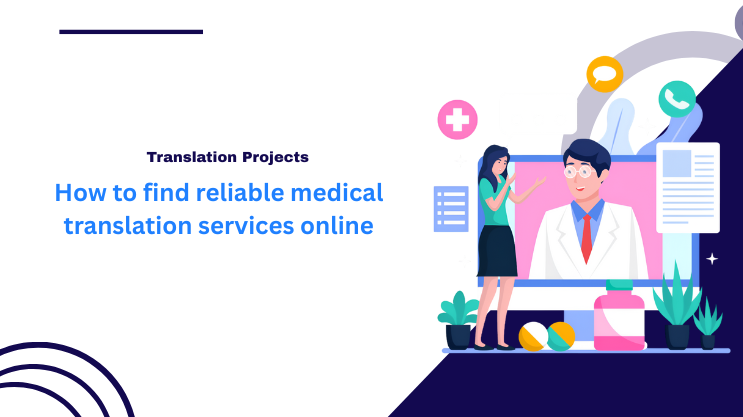
  • How to find reliable medical translation services online

    How to find reliable medical translation services online

    In the global healthcare landscape, accuracy in medical translation is not just important-it’s critical. A minor mistake in translating medical documents, prescriptions, or patient instructions can lead to serious consequences. With the rise of telemedicine, cross-border healthcare, and international clinical trials, finding reliable medical translation services online has become a necessity. Here’s how you can identify trustworthy providers.

    Why Accuracy Matters in Medical Translation

    Medical translation covers patient records, prescriptions, clinical trial protocols, drug labels, and consent forms. Even minor errors can cause misdiagnosis, wrong treatment, or compliance issues. Certified, experienced translators are essential.

    Key Factors to Consider When Choosing a Medical Translation Service

    1. Certification and Accreditation

    Look for ISO-certified translators or those recognized by medical translation bodies. Certifications ensure knowledge of medical terminology, regulatory standards, and quality.

    2. Experience in Medical Fields

    Choose translators experienced in pharmaceuticals, hospital documents, clinical research, and healthcare marketing to ensure accurate and culturally appropriate translations.

    3. Confidentiality and Data Security

    Ensure providers have strict privacy policies, secure file transfers, and NDAs to protect sensitive patient information and comply with regulations like HIPAA.

    4. Native-Speaking Translators

    Native speakers deliver accurate terminology, cultural sensitivity, and clearer translations—especially for patient-facing materials.

    5. Quality Assurance Processes

    Reliable services implement multi-level checks: translator review, medical proofreading, and final verification to minimize errors.

    6. Client Reviews and References

    Look for testimonials, case studies, and online reviews from hospitals, clinics, or pharma companies to gauge reliability.

    7. Transparent Pricing and Delivery Times

    Choose services with clear pricing, realistic timelines, and no hidden costs to keep projects on schedule and within budget.

    Where to Find Reliable Medical Translation Services Online

    • Professional Agencies: e.g., Honey Translation
    • Industry Directories: Certified translators and agencies
    • Freelance Platforms: Only verified medical translators with strong references

    Final Thoughts

    Prioritize accuracy, confidentiality, and experience when selecting a medical translation provider. Trusted services ensure safe, accurate, and compliant medical documents, improving patient outcomes globally.

  • Translating Business Content Without Losing Brand Voice

    Translating Business Content Without Losing Brand Voice

    In today’s globalized marketplace, businesses are no longer confined to their local audiences. Expanding internationally often requires translating marketing materials, websites, social media content, and other business communications. But here’s the challenge: translation isn’t just about converting words from one language to another—it’s about preserving your brand’s unique voice and personality.

    Failing to maintain this consistency can lead to mixed messaging, customer confusion, and even damage to brand reputation. So, how can businesses translate content effectively while keeping their brand voice intact? Let’s dive in.

    1. Understand Your Brand Voice

    Before starting the translation process, it’s essential to have a clear understanding of your brand voice. Ask yourself:

    • Is your tone formal or conversational?
    • Are you playful, authoritative, or inspiring?
    • How do you engage with your audience?

    Documenting your brand voice guidelines will serve as a reference point for translators. This ensures they know not just what to say, but how to say it.

    2. Choose Skilled Translators, Not Just Any Translator

    Machine translation tools are convenient and fast, but they often miss the nuances of your brand’s personality.

    Hiring professional translators with expertise in marketing and your industry is crucial. They can:

    • Adapt idioms and expressions that resonate with the target audience
    • Maintain consistency in tone and style
    • Ensure cultural sensitivity and relevance

    Remember, a literal translation may convey the message but can strip away your brand’s character.

    3. Localize, Don’t Just Translate

    Localization goes beyond word-for-word translation. It involves adapting your content to fit the cultural, social, and linguistic context of your audience.

    For example:

    • Colors, symbols, and metaphors may have different connotations in other cultures
    • Call-to-action phrases should feel natural, not forced
    • References, humor, and examples might need to be replaced with local equivalents

    This approach ensures your content feels authentic, rather than a generic copy in a different language.

    4. Maintain Consistency Across Platforms

    Your brand voice should remain consistent across all touchpoints, including:

    • Website and landing pages
    • Social media posts
    • Email marketing campaigns
    • Product packaging and instructions

    Using a translation memory or style guide for translators can help maintain this consistency. These tools store previously approved translations, making it easier to reuse phrasing while staying true to your brand voice.

    5. Collaborate and Review

    Effective translation is rarely a one-step process. Collaboration between your marketing team, content writers, and translators is essential.

    • Provide context for each piece of content
    • Review translations for tone, style, and clarity
    • Collect feedback from native speakers or local teams to ensure resonance

    This iterative approach helps catch subtle errors that could alter the perception of your brand.

    6. Test and Optimize

    After your content is translated and localized, monitor its performance. Track engagement metrics, customer feedback, and conversions in the target market.

    • Are your audiences responding the way you intended?
    • Do social media posts generate similar engagement to your original content?

    Use these insights to refine translations and make sure your brand voice remains consistent globally.

    Conclusion

    Translating business content without losing brand voice is both an art and a science. It requires careful planning, skilled professionals, cultural sensitivity, and ongoing review.

    By understanding your brand voice, choosing the right translators, localizing thoughtfully, and maintaining consistency, your brand can communicate authentically and effectively across languages and cultures.

    Global expansion doesn’t have to dilute your brand-it can amplify it, connecting you with audiences worldwide while staying true to who you are.

  • Your Website Isn’t Global Until It Speaks Local Languages

    Your Website Isn’t Global Until It Speaks Local Languages

    In today’s connected world, having a website online doesn’t automatically make your business global. True global presence begins when your website speaks the language of your audience-literally and culturally.

    If your website communicates in only one language, you’re unintentionally limiting your reach, trust, and growth. Let’s explore why local languages matter and how they can transform your website into a truly global platform.

    Global Reach Starts with Local Language

    People naturally connect more deeply with content written in their native language. Studies consistently show that users prefer to browse, engage, and purchase from websites that speak their local language.

    When visitors understand your message clearly:

    • They stay longer on your site
    • They trust your brand more
    • They are more likely to convert

    Language removes hesitation. Familiar words build confidence.

    Translation vs. Localization: Know the Difference

    Speaking a language isn’t just about translating words-it’s about localizing experiences.

    Translation converts text from one language to another.
    Localization adapts content to cultural norms, tone, currency, dates, imagery, and user expectations.

    For example:

    • Colors, symbols, and phrases may have different meanings across cultures
    • A slogan that works in English may feel awkward or offensive elsewhere
    • Payment methods and formats vary by region

    Localization ensures your message feels native, not foreign.

    Business Benefits of Multilingual Websites

    A multilingual website isn’t a luxury-it’s a strategic advantage.

    ✔ Increased Global Traffic

    Search engines favor localized content, helping your site rank in regional searches.

    ✔ Higher Conversion Rates

    Visitors are more likely to take action when content feels familiar and trustworthy.

    ✔ Stronger Brand Credibility

    Speaking a customer’s language shows respect and professionalism.

    ✔ Competitive Advantage

    Many businesses still rely on one language. Multilingual sites stand out instantly.

    Language Builds Emotional Connection

    Language carries emotion, culture, and identity. When users see content in their own language, they feel:

    • Understood
    • Valued
    • Included

    This emotional connection turns visitors into loyal customers and brand advocates.

    Which Languages Should You Add?

    Start with:

    • Markets you already receive traffic from
    • Regions you plan to expand into
    • Languages spoken by your target customers

    Even adding two or three strategic languages can make a massive difference.

    Professional Language Solutions Matter

    Automated tools can help, but they often miss cultural nuances. For business-critical content, professional translation and localization ensure:

    • Accuracy
    • Cultural relevance
    • Brand consistency

    Quality language services protect your reputation and boost long-term success.

    Final Thoughts

    A global website isn’t defined by how many countries can access it-but by how many people truly understand it. If you want your brand to grow beyond borders, your website must speak the languages of the people you serve.

    Because your website isn’t truly global until it speaks local languages.

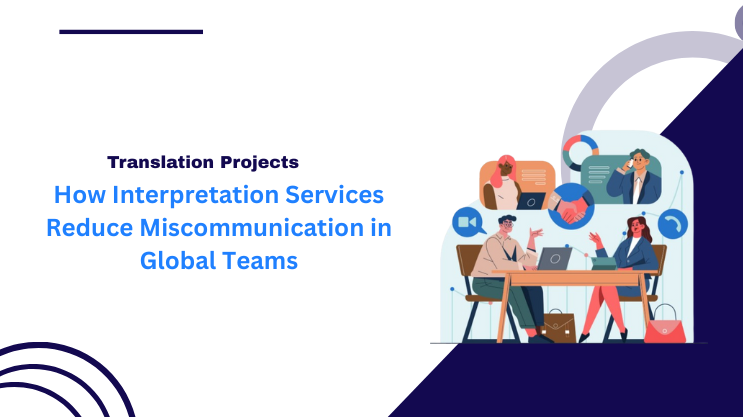
  • How Interpretation Services Reduce Miscommunication in Global Teams

    How Interpretation Services Reduce Miscommunication in Global Teams

    In today’s globalized business environment, teams often span multiple countries, cultures, and languages. While diversity brings innovation and broader perspectives, it also increases the risk of miscommunication. Language barriers, cultural nuances, and differing communication styles can lead to misunderstandings that affect productivity, trust, and business outcomes. This is where professional interpretation services play a critical role. At Honey Translation Services, interpretation solutions are designed to bridge communication gaps and help global teams collaborate with clarity and confidence.

    Understanding Miscommunication in Global Teams

    Miscommunication in global teams goes beyond simple language differences. It can arise from unclear terminology, unfamiliar accents, cultural assumptions, or real-time conversations where participants struggle to express ideas accurately. In meetings, negotiations, training sessions, or virtual conferences, even a small misunderstanding can lead to costly errors, delays, or damaged relationships. Relying on bilingual staff or automated tools may seem convenient, but they often lack the precision and cultural awareness needed for high-stakes communication.

    What Are Interpretation Services?

    Interpretation services involve converting spoken language from one language to another in real time or near real time. Unlike translation, which focuses on written content, interpretation supports live communication. Common types include simultaneous interpretation for conferences, consecutive interpretation for meetings or interviews, and remote interpretation for virtual teams. Honey Translation Services provides professional interpreters trained to deliver accurate, culturally appropriate communication across industries and languages.

    Ensuring Clear and Accurate Communication

    One of the primary ways interpretation services reduce miscommunication is by ensuring accuracy. Professional interpreters are not just fluent in languages; they understand industry-specific terminology, context, and intent. This allows them to convey messages clearly without distortion. In global team meetings, this accuracy ensures that everyone receives the same information, reducing confusion and the risk of misaligned decisions.

    Bridging Cultural and Contextual Gaps

    Language and culture are closely connected. Words, gestures, and tone can have different meanings across cultures. Interpretation services help bridge these gaps by incorporating cultural sensitivity into communication. Interpreters from Honey Translation Services are trained to recognize cultural nuances and adapt messaging accordingly. This helps global teams avoid unintended offense, misinterpretation, or confusion, fostering mutual respect and smoother collaboration.

    Supporting Real-Time Collaboration

    Global teams often rely on real-time communication through video conferences, workshops, and live discussions. Interpretation services enable participants to communicate naturally in their preferred language without pauses or disruptions. With simultaneous or remote interpretation, conversations flow smoothly, allowing teams to focus on ideas and problem-solving rather than language barriers. This real-time support enhances engagement and ensures that all voices are heard equally.

    Improving Productivity and Decision-Making

    Miscommunication can slow down projects, lead to repeated clarifications, or cause mistakes that require rework. By providing clear and immediate understanding, interpretation services help teams work more efficiently. Meetings become more productive, decisions are made faster, and instructions are followed accurately. Honey Translation Services helps organizations streamline communication, saving time and resources while improving overall team performance.

    Building Trust and Inclusion in Global Teams

    When team members feel understood, they are more likely to participate actively and share ideas. Interpretation services promote inclusivity by allowing everyone to communicate comfortably in their native language. This builds trust and confidence among team members, especially in multinational environments. Over time, this inclusive communication culture strengthens collaboration and employee satisfaction.

    Reducing Risks in High-Stakes Interactions

    In global business, certain interactions carry higher risks, such as contract negotiations, compliance discussions, training sessions, or conflict resolution meetings. Miscommunication in these situations can have legal, financial, or reputational consequences. Professional interpretation services reduce these risks by delivering precise and consistent communication. Honey Translation Services ensures that critical messages are conveyed accurately, helping organizations protect their interests and maintain professional credibility.

    Enhancing Virtual and Remote Team Communication

    With the rise of remote work, global teams increasingly depend on virtual platforms. Remote interpretation services make it possible for geographically dispersed teams to communicate effectively without travel. Honey Translation Services offers flexible interpretation solutions that integrate seamlessly with online meetings and webinars, ensuring clear communication regardless of location.

    Why Choose Honey Translation Services for Interpretation

    Honey Translation Services combines linguistic expertise with industry knowledge and advanced technology to deliver reliable interpretation solutions. Interpreters are carefully selected based on language pairs, subject matter expertise, and communication skills. This ensures consistent quality and a professional experience for global teams across sectors such as corporate, legal, healthcare, and technology.

    Conclusion

    Miscommunication is one of the biggest challenges faced by global teams, but it is also one of the most preventable. Professional interpretation services play a vital role in reducing misunderstandings, improving collaboration, and supporting inclusive communication. By choosing Honey Translation Services, organizations can empower their global teams to communicate clearly, work efficiently, and build stronger international relationships. In a world where clear communication drives success, interpretation services are not just a support function – they are a strategic advantage.

  • Simplifying International Paperwork Through Expert Translation

    Simplifying International Paperwork Through Expert Translation

    In today’s globalized world, businesses and individuals frequently deal with international paperwork-legal documents, immigration files, academic records, medical reports, and business contracts. While crossing borders opens new opportunities, paperwork written in foreign languages can quickly become complex, confusing, and time-consuming. This is where expert translation services play a crucial role.

    The Challenge of International Paperwork

    International documents are not just about language-they involve accuracy, legal compliance, and cultural understanding. Even a small mistranslation can lead to:

    • Application rejections
    • Legal delays
    • Financial losses
    • Miscommunication with authorities

    Government offices, embassies, universities, and courts often require precise and officially accepted translations, leaving no room for error.

    Why Expert Translation Matters

    Professional translators do much more than convert words from one language to another. They ensure:

    • Accuracy: Every detail, number, and term is translated correctly
    • Consistency: Formatting and terminology match the original document
    • Legal validity: Documents meet official and institutional requirements
    • Cultural relevance: Meaning is preserved without misinterpretation

    This expertise is especially important for sensitive documents such as birth certificates, contracts, visas, patents, and financial records.

    Key Benefits of Professional Translation Services

    1. Time-Saving and Stress-Free

    Expert translators understand documentation standards, helping you avoid revisions and resubmissions.

    2. Certified and Accepted Translations

    Many institutions require certified or notarized translations. Professional services ensure your documents are officially recognized.

    3. Confidentiality and Data Security

    Trusted translation providers follow strict confidentiality protocols to protect your personal and business information.

    4. Multilingual Expertise

    Whether it’s a common language or a rare one, expert translators handle multiple languages with subject-matter knowledge.

    Who Needs Expert Translation?

    Professional translation services are essential for:

    • Individuals applying for visas, immigration, or overseas education
    • Businesses expanding into international markets
    • Legal firms handling cross-border cases
    • Medical professionals sharing international reports
    • Government and corporate organizations

    Simplifying Global Communication

    Clear and accurate translation bridges the gap between languages and systems. It transforms complex international paperwork into clear, compliant, and understandable documents, allowing you to focus on your goals rather than administrative hurdles.

    Conclusion

    International paperwork doesn’t have to be overwhelming. With expert translation services, you gain confidence, clarity, and compliance-ensuring your documents are ready for global use. Whether for personal needs or professional growth, investing in quality translation is a smart step toward seamless international communication.

  • Managing Multilingual Media Assets for Global Campaigns

    Managing Multilingual Media Assets for Global Campaigns

    In today’s digital-first world, global campaigns rely heavily on multimedia content – videos, images, audio files, social posts, and interactive assets. When these campaigns span multiple languages and regions, managing multilingual media assets becomes both a strategic priority and a complex challenge. For global brands, success depends not just on translation, but on how effectively media assets are localized, stored, updated, and reused across markets.

    Honey Translation Services helps organizations streamline multilingual media asset management while maintaining brand consistency and cultural relevance worldwide.

    Why Multilingual Media Asset Management Matters

    Global campaigns often involve hundreds of media files distributed across platforms such as websites, social media, ads, and mobile apps. Without a structured multilingual approach, brands risk inconsistent messaging, outdated translations, and inefficient workflows.

    Proper multilingual media asset management ensures that every market receives accurate, culturally adapted content that aligns with the brand’s voice. It also reduces duplication of effort and speeds up campaign launches across regions.

    Common Challenges in Global Media Localization

    Managing multilingual media assets comes with unique obstacles. One major challenge is handling text embedded in visuals, videos, and animations. Simple text replacement isn’t enough – layouts, timing, subtitles, and voiceovers must be adapted for each language.

    Another challenge is version control. Global teams often struggle to track which language version is approved, updated, or live. Without a centralized process, errors can easily slip into campaigns, affecting brand credibility.

    Honey Translation Services addresses these challenges by combining linguistic expertise with structured localization workflows designed specifically for media-rich content.

    Building a Centralized Media Asset Strategy

    A centralized strategy is essential for managing multilingual media assets effectively. This includes maintaining a single source of truth where all approved assets, translations, and localized versions are stored and easily accessible.

    Honey Translation Services supports brands by aligning translation workflows with digital asset management systems. This ensures that linguists, marketers, and designers work from the same updated files, reducing rework and confusion.

    Centralization also improves scalability, making it easier to roll out campaigns in new languages or markets without starting from scratch.

    Ensuring Brand Consistency Across Languages

    Brand consistency is critical in global marketing. Tone, terminology, and messaging must remain aligned across all languages and formats. This is especially important for multimedia assets where voice, visuals, and text work together.

    Honey Translation Services uses customized glossaries, style guides, and translation memory to ensure consistent language across all media assets. Whether it’s a product video, social media banner, or audio ad, every localized version reflects the same brand identity.

    Optimizing Media Assets for Local Audiences

    Effective multilingual campaigns go beyond direct translation. Cultural adaptation plays a key role in how audiences perceive media content. Colors, imagery, symbols, and even background music can carry different meanings across cultures.

    Honey Translation Services focuses on transcreation and localization, ensuring that media assets resonate emotionally with local audiences while preserving the campaign’s core message. This approach helps brands connect authentically in each target market.

    Streamlining Workflow and Time-to-Market

    Global campaigns often operate under tight deadlines. Delays in translation or localization can slow down launches and impact ROI. Efficient multilingual media asset management reduces turnaround times and improves coordination between teams.

    By integrating translation workflows early in the creative process, Honey Translation Services enables faster approvals and smoother production cycles. This allows brands to launch synchronized global campaigns without compromising quality.

    Future-Proofing Global Media Campaigns

    As global marketing evolves, multimedia content will continue to grow in volume and complexity. Brands that invest in structured multilingual media asset management today will be better prepared for future expansion.

    Honey Translation Services helps organizations build scalable, future-ready localization strategies that support long-term global growth. From video localization to multilingual digital assets, Honey ensures that every campaign speaks the right language – clearly, consistently, and convincingly.

  • From Courts to Consulates: Translating High-Stakes Legal Documents

    From Courts to Consulates: Translating High-Stakes Legal Documents

    In today’s interconnected world, legal matters often cross borders. Whether it’s a court proceeding, immigration application, or international business transaction, legal documents must be translated with absolute precision. From courts to consulates, high-stakes legal translation leaves no room for error.

    This blog explores why legal translation is critical, what makes it uniquely challenging, and how professional translation ensures accuracy, compliance, and trust.

    What Are High-Stakes Legal Documents?

    High-stakes legal documents are papers where even a small mistranslation can lead to serious consequences, such as legal rejection, financial loss, or case dismissal. These documents are often reviewed by courts, government authorities, or foreign institutions.

    Common examples include:

    • Court judgments and affidavits
    • Contracts and agreements
    • Immigration and visa documents
    • Birth, marriage, and divorce certificates
    • Power of attorney
    • Company registration and compliance documents

    Why Accuracy Is Non-Negotiable

    Legal language is complex, formal, and highly specific. Unlike creative or marketing translation, legal translation demands word-for-word accuracy and contextual correctness.

    A single mistranslated term can:

    • Change the legal meaning
    • Invalidate a contract
    • Cause visa or immigration rejection
    • Delay court proceedings
    • Result in legal penalties

    That’s why legal translations must be precise, consistent, and legally sound.

    From Courts: Translating Judicial Documents

    Court-related translations require deep knowledge of legal terminology and judicial systems. Translators must understand:

    • Legal frameworks of both source and target languages
    • Court-approved terminology
    • Formatting and certification requirements

    Many courts require certified translations, meaning the translation must be accompanied by a signed declaration confirming its accuracy and completeness.

    To Consulates: Meeting Government & Immigration Standards

    Consulates and embassies are extremely strict about document translation. Immigration documents often require:

    • Certified or notarized translations
    • Exact formatting matching the original document
    • No missing seals, stamps, or annotations

    Even minor inconsistencies can lead to visa delays or outright rejection, making professional legal translation essential.

    Key Challenges in Legal Translation

    Legal translation is one of the most demanding translation fields due to:

    1. Complex Legal Terminology

    Legal terms often have no direct equivalent in another language and must be translated conceptually.

    2. Jurisdictional Differences

    Laws vary by country, so translators must adapt terms while preserving legal intent.

    3. Confidentiality Requirements

    Legal documents often contain sensitive personal or corporate information, requiring strict privacy controls.

    4. Formatting & Certification

    Authorities may reject documents if formatting or certification standards are not met.

    Why Professional Legal Translators Matter

    Professional legal translators are not just bilingual-they are trained in:

    • Legal systems and terminology
    • Certified translation standards
    • Accuracy, consistency, and compliance

    They ensure your documents are:

    • Legally accurate
    • Accepted by courts, embassies, and institutions
    • Delivered on time, even under tight deadlines

    Final Thoughts

    From courtrooms to consulates, legal translation plays a critical role in global legal communication. When the stakes are high, relying on automated tools or non-specialized translators can be risky.

    Choosing professional legal translation services ensures clarity, credibility, and confidence-no matter where your documents are headed. Because in legal matters, every word counts.