Tag: #TranslationServices

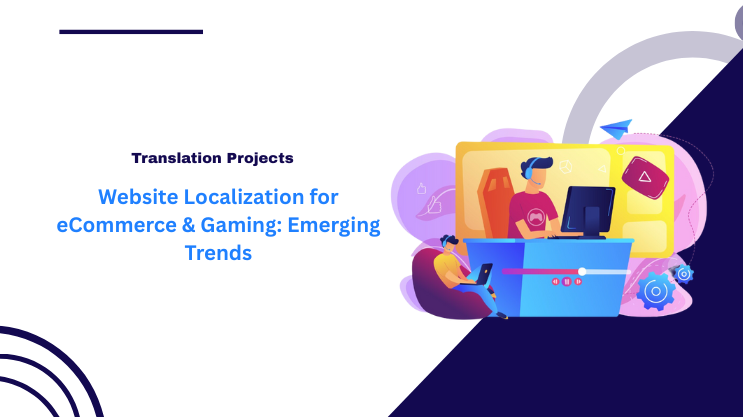
  • Website Localization for eCommerce & Gaming: Emerging Trends

    Website Localization for eCommerce & Gaming: Emerging Trends

    As businesses expand globally, website localization has become crucial for industries like eCommerce and gaming. Localization goes beyond simple translation—it adapts content, design, and user experience to match the cultural, linguistic, and behavioral preferences of target markets. By embracing localization, companies can enhance engagement, drive conversions, and build brand loyalty across international audiences.

    1. Importance of Localization in eCommerce

    For eCommerce platforms, localization ensures that product descriptions, pricing, currencies, and checkout processes align with local expectations. Customers are more likely to make purchases when the shopping experience feels familiar, culturally relevant, and easy to navigate.

    2. Personalizing the Gaming Experience

    In the gaming industry, localization affects not only language but also character names, storylines, in-game graphics, and cultural references. Players engage more deeply when games are adapted to their culture, enhancing satisfaction and retention.

    3. Adapting Visuals and UI Elements

    Localization involves modifying visual elements, layouts, colors, and icons to suit regional preferences. Both eCommerce and gaming websites benefit from culturally appropriate visuals, which improve usability and appeal to local audiences.

    4. Supporting Multilingual SEO

    Optimizing content for local search engines is essential for visibility. Localized keywords, meta tags, and content strategies help eCommerce and gaming websites rank higher in regional searches, attracting targeted traffic and boosting engagement.

    5. Mobile Optimization for Global Users

    With mobile commerce and mobile gaming on the rise, websites must be fully responsive and localized for various devices. Ensuring fast loading times, clear navigation, and mobile-friendly interfaces enhances user experience and increases conversions.

    6. Integrating Local Payment and Support Options

    For eCommerce, offering region-specific payment methods and customer support in local languages builds trust and reduces friction in the buying process. In gaming, localized support ensures players can resolve issues quickly and continue enjoying the experience.

    7. Leveraging AI and Automation in Localization

    AI-driven tools and machine learning are increasingly used to streamline translation and adaptation processes. These technologies help maintain consistency, improve speed, and reduce costs while supporting large-scale localization projects for global platforms.

    8. Future Trends and Emerging Practices

    Emerging trends include hyper-localization, dynamic content adaptation, and immersive experiences through AR/VR in gaming. Businesses that adopt these trends early can differentiate themselves, attract a wider audience, and drive international growth effectively.

    In conclusion, website localization is no longer optional for eCommerce and gaming industries—it is a strategic necessity. By combining cultural insights, multilingual content, and technology-driven solutions, businesses can deliver engaging, seamless, and globally relevant experiences that boost growth and customer loyalty.
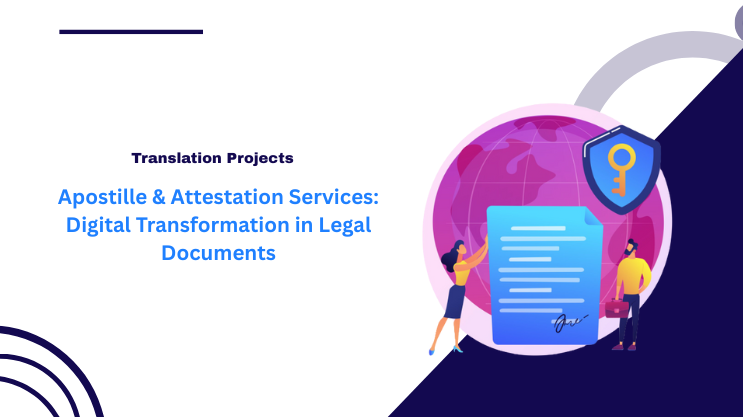

  • Apostille & Attestation Services: Digital Transformation in Legal Documents

    Apostille & Attestation Services: Digital Transformation in Legal Documents

    Apostille and attestation services play a critical role in verifying the authenticity of legal documents for international use. Traditionally, these processes were manual, time-consuming, and often required multiple visits to government offices. However, with the digital transformation of legal services, apostille and attestation procedures are becoming faster, more efficient, and more accessible. Businesses, individuals, and educational institutions are increasingly benefiting from these advancements.

    1. Understanding Apostille and Attestation

    Apostille is a certification under the Hague Convention that verifies the authenticity of a document for use in foreign countries. Attestation is the process of validating a document’s authenticity for international or official purposes. Both processes ensure that legal, educational, or corporate documents are recognized globally.

    2. The Traditional Challenges in Legal Verification

    Manual apostille and attestation procedures often involve long queues, paperwork, and verification across multiple offices. Delays, human errors, and miscommunication are common challenges that impact individuals and businesses, especially those needing urgent document processing for education, employment, or business transactions abroad.

    3. Digital Transformation in Apostille Services

    Digital platforms now allow applicants to submit documents online, track the progress, and receive updates in real time. Governments and authorized agencies are adopting e-apostille systems that reduce dependency on physical visits and improve turnaround times, making the process more convenient and transparent.

    4. Benefits of Online Attestation

    Digital attestation services provide speed, accuracy, and security. Users can submit documents electronically, make payments online, and receive authenticated documents via courier. The digital process also minimizes errors and ensures that documents are processed consistently according to legal standards.

    5. Integration with Blockchain Technology

    Some jurisdictions are exploring blockchain for document verification, enhancing security and authenticity. Blockchain-enabled apostille and attestation systems allow instant verification of documents by employers, universities, or government authorities, reducing the risk of fraud.

    6. Improving Global Accessibility

    Digital transformation has made apostille and attestation services accessible from anywhere in the world. Students applying abroad, professionals seeking employment, and businesses engaging in international trade can now process their documents without geographical constraints.

    7. Ensuring Compliance and Legal Validity

    Even with digital processes, it is essential that apostille and attestation services adhere strictly to legal requirements. Authorized digital platforms ensure compliance with government regulations, maintain confidentiality, and provide legally recognized certificates accepted internationally.

    8. Future Prospects of Digital Legal Services

    The adoption of AI, blockchain, and online portals is shaping the future of document verification. Faster processing, enhanced security, and seamless user experience will continue to transform how legal documents are authenticated for international purposes, making global mobility and trade more efficient.

    In conclusion, the digital transformation of apostille and attestation services is revolutionizing the way legal documents are verified. By offering speed, security, and convenience, digital solutions empower individuals and businesses to navigate international requirements efficiently while maintaining compliance and authenticity.

  • Preparing Your Brand for the Next Wave of Globalization

    Preparing Your Brand for the Next Wave of Globalization

    As markets become increasingly interconnected, businesses must adapt to thrive in a globalized economy. Preparing your brand for the next wave of globalization requires strategic planning, cultural awareness, and effective communication across borders. A globally-ready brand can reach new audiences, build trust internationally, and stay competitive in an ever-evolving marketplace.

    1. Understanding Global Market Trends

    Before expanding internationally, businesses need to analyze market trends, consumer behavior, and economic conditions in target regions. Understanding these factors helps brands identify opportunities, tailor strategies, and make informed decisions for global growth.

    2. Defining a Clear Global Brand Identity

    A strong and consistent brand identity is essential for global recognition. Businesses must define core values, tone, messaging, and visual elements that resonate universally while remaining adaptable to local cultures. This ensures a cohesive brand image across all markets.

    3. Investing in Multilingual and Localized Content

    Communicating in the native language of each market is critical. Multilingual and localized content increases engagement, builds trust, and improves user experience. From websites to marketing materials, adapting language and messaging is key to connecting with diverse audiences.

    4. Adapting Products and Services to Local Preferences

    Global success requires understanding regional preferences, cultural norms, and regulatory requirements. Brands should modify products, features, and services to meet local expectations while maintaining global standards, creating a balance between consistency and adaptability.

    5. Leveraging Technology for Global Reach

    Digital tools, AI-driven translation, and localization platforms help streamline global operations. Technology enables efficient communication, marketing, and customer support across multiple regions, ensuring scalability and consistency in brand experience.

    6. Building Strategic International Partnerships

    Collaborating with local businesses, distributors, and influencers can facilitate market entry and enhance credibility. Strategic partnerships help navigate cultural, legal, and operational challenges while accelerating global expansion.

    7. Focusing on Compliance and Regulatory Standards

    Global operations require adherence to local laws, regulations, and industry standards. Brands must ensure that marketing, product labeling, data handling, and corporate practices comply with international and regional requirements to avoid risks and build trust.

    8. Continuous Monitoring and Adaptation

    Global markets are dynamic, and brand strategies must evolve accordingly. Regularly monitoring performance, customer feedback, and competitor actions allows businesses to refine strategies, adapt to emerging trends, and maintain a strong global presence.

    In conclusion, preparing your brand for the next wave of globalization involves a combination of cultural insight, strategic planning, and technological adoption. By defining a clear brand identity, localizing content, adapting offerings, and building strong global partnerships, businesses can thrive internationally and secure long-term success in a rapidly globalizing world.

  • End-to-End Language Services: What Businesses Will Expect by 2030

    End-to-End Language Services: What Businesses Will Expect by 2030

    As globalization continues to accelerate, businesses are increasingly relying on comprehensive language solutions to operate efficiently across borders. By 2030, end-to-end language services are expected to evolve far beyond traditional translation, encompassing advanced localization, AI-assisted communication, and culturally intelligent content strategies. Companies that embrace these innovations will be better positioned to engage global audiences, maintain brand consistency, and drive growth.

    1. Integrated Translation and Localization Platforms

    By 2030, businesses will expect seamless platforms that combine translation, localization, and content management. These systems will allow real-time collaboration between translators, editors, and marketers, ensuring faster turnaround, consistent terminology, and culturally relevant messaging across all channels.

    2. AI-Powered Translation Assistance

    Artificial intelligence and machine learning will play a central role in end-to-end language services. Businesses will rely on AI to pre-translate content, suggest contextual improvements, and handle repetitive tasks, while human experts focus on nuance, creativity, and quality assurance.

    3. Multilingual Marketing and Brand Consistency

    Companies will demand services that not only translate but also adapt marketing content for different cultural contexts. From ad campaigns to social media, end-to-end services will ensure brand voice, tone, and messaging remain consistent while resonating with diverse audiences worldwide.

    4. Real-Time Interpretation and Communication Support

    By 2030, real-time interpretation tools, including AI-assisted devices and apps, will become standard for global meetings, conferences, and virtual collaboration. Businesses will expect instant, accurate communication solutions that bridge language gaps in both formal and informal settings.

    5. Industry-Specific Expertise

    End-to-end language services will increasingly offer domain-specific translation and localization for sectors like legal, medical, technical, and finance. This ensures that terminology, compliance, and context are accurately maintained across all content types, reducing errors and enhancing credibility.

    6. Enhanced Multimedia Localization

    As video, audio, and interactive content dominate communication, businesses will expect comprehensive multimedia localization. Services will include subtitling, dubbing, voice-over, and culturally relevant adaptations for e-learning, marketing, and training materials.

    7. Data Security and Confidentiality

    With global operations generating sensitive information, companies will require language service providers to implement robust data security protocols. End-to-end solutions will include secure translation environments, encrypted communication, and strict confidentiality standards.

    8. Predictive Analytics and Reporting

    Future language services will integrate analytics to measure engagement, effectiveness, and ROI of localized content. Predictive tools will help businesses anticipate audience needs, optimize content strategies, and make data-driven decisions in real time.

    In conclusion, by 2030, end-to-end language services will evolve into fully integrated, AI-assisted, and culturally intelligent solutions that go beyond translation. Businesses will expect these services to provide speed, accuracy, security, and strategic insight, enabling them to communicate effectively, maintain brand consistency, and thrive in an increasingly interconnected global marketplace.

  • Content Writing Services in the AI Era: What Still Needs a Human Touch

    Content Writing Services in the AI Era: What Still Needs a Human Touch

    The rise of AI-driven writing tools has transformed the content landscape. From blog posts to marketing copy, AI can generate text quickly, efficiently, and at scale. But despite these advances, there are areas where human expertise remains indispensable. Understanding what requires a human touch can help businesses leverage AI effectively while maintaining authenticity, creativity, and strategic impact.

    1. Creativity and Original Thought

    AI can analyze patterns and produce text based on existing data, but it struggles with true originality and creative thinking. Human writers bring unique perspectives, emotions, and innovative ideas that AI cannot replicate.

    Why it matters:

    • Crafting compelling stories that resonate emotionally
    • Generating unique angles for campaigns or blogs
    • Maintaining brand voice and identity

    2. Deep Understanding of Audience and Culture

    Effective content is audience-centric. Humans excel at interpreting cultural nuances, trends, and emotional triggers that AI may misinterpret or overlook.

    Benefits of human involvement:

    • Tailoring messages for specific demographics
    • Avoiding cultural missteps or miscommunications
    • Building trust and credibility with your audience

    3. Strategic Thinking and Purpose-Driven Content

    Content isn’t just words on a page-it’s a tool for achieving business goals. Human writers can align content with marketing strategies, SEO objectives, and sales funnels in ways that AI-generated text may fail to fully consider.

    Advantages include:

    • Optimizing content for conversions
    • Integrating storytelling with marketing strategy
    • Creating thought leadership that builds authority

    4. Emotional Intelligence and Persuasive Communication

    AI can simulate empathy and tone but cannot genuinely understand human emotion. Persuasive writing, customer engagement, and subtle messaging nuances still require human intuition and emotional intelligence.

    Impact on business:

    • Creating authentic connections with readers
    • Encouraging engagement and loyalty
    • Influencing decision-making effectively

    5. Ethical and Contextual Judgment

    AI can inadvertently produce biased, misleading, or inappropriate content if not carefully guided. Humans provide critical oversight, ensuring content is ethical, accurate, and contextually appropriate.

    Why human oversight matters:

    • Maintaining brand integrity
    • Ensuring compliance with regulations
    • Avoiding reputational risks

    Conclusion

    While AI is a powerful tool for content production, human creativity, strategy, and emotional intelligence remain irreplaceable. The future of content writing lies in a hybrid approach-leveraging AI for efficiency and scale while relying on human expertise for nuance, strategy, and authenticity. Businesses that strike this balance will create content that is not only efficient but also meaningful, engaging, and effective.

  • The Future of Multilingual In-Game Communication

    The Future of Multilingual In-Game Communication

    The gaming industry has evolved into a global phenomenon, connecting players from diverse regions and cultures. As games become more multiplayer and socially interactive, effective multilingual communication is essential for creating inclusive experiences. Real-time translation, localization, and culturally aware in-game communication tools are shaping the future of gaming by breaking language barriers and enhancing player engagement worldwide.

    1. The Growing Need for Multilingual Gaming

    With millions of players from different countries joining online games, language differences can hinder collaboration, competition, and social interaction. Multilingual communication ensures that players can connect, strategize, and enjoy games regardless of their native language.

    2. Real-Time Translation in Multiplayer Games

    Advancements in AI and natural language processing allow for real-time translation of in-game chat and voice communication. Players can interact seamlessly with others, fostering teamwork and creating a more immersive global gaming experience.

    3. Voice Chat Localization and Interpretation

    Beyond text translation, voice chat localization is becoming increasingly important. AI-driven voice recognition and translation tools allow players to speak naturally while the system translates in real-time, maintaining tone, context, and immediacy in conversations.

    4. Cultural Sensitivity in Game Content

    Localization is not only about language but also cultural adaptation. In-game dialogue, instructions, and visuals need to reflect cultural norms and sensitivities to avoid misunderstandings and ensure a positive experience for all players.

    5. Benefits for Game Developers and Publishers

    Implementing multilingual communication tools broadens the game’s appeal, increases player retention, and opens new markets. Developers can reach a wider audience, enhance brand reputation, and drive revenue growth through inclusive gaming experiences.

    6. Enhancing Player Engagement and Community Building

    Multilingual communication fosters stronger communities within games. Players are more likely to collaborate, participate in events, and form long-term social connections when language barriers are minimized.

    7. Challenges in Accuracy and Context

    Despite technological advancements, real-time translation systems can struggle with slang, abbreviations, and context-specific gaming terminology. Combining AI tools with human oversight ensures accuracy and preserves the integrity of communication.

    8. Future Prospects and Innovations

    The future of in-game communication will likely involve more advanced AI translation, immersive AR/VR environments, and personalized language settings. These innovations will make multiplayer gaming more inclusive, accessible, and globally connected than ever before.

    In conclusion, multilingual in-game communication is a key factor in the future of global gaming. By integrating real-time translation, cultural localization, and AI-powered communication tools, developers can create inclusive, engaging, and immersive experiences that unite players from around the world.

  • Future of International Certification: Paperless and Efficient

    Future of International Certification: Paperless and Efficient

    International certification plays a crucial role in education, employment, immigration, and global business. Traditionally, certification processes have relied heavily on paper-based documentation, manual verification, and lengthy approval timelines. As digital transformation accelerates worldwide, the future of international certification is shifting toward paperless, secure, and highly efficient systems that simplify processes for individuals and institutions alike.

    1. Shift from Paper-Based to Digital Certification

    The move toward digital certification eliminates the need for physical documents, reducing paperwork and storage challenges. Digital certificates can be issued, accessed, and shared instantly, making international verification faster and more convenient for organizations and applicants.

    2. Faster Verification and Authentication Processes

    Paperless systems enable real-time verification of certificates through secure digital platforms. Educational institutions, employers, and government authorities can validate credentials quickly, minimizing delays and reducing the risk of document loss or damage.

    3. Enhanced Security and Fraud Prevention

    Digital certification systems use advanced technologies such as encryption, QR codes, and blockchain to ensure authenticity. These measures significantly reduce fraud, tampering, and duplication, making international certifications more reliable and trustworthy.

    4. Improved Global Accessibility and Convenience

    Paperless certification allows individuals to access their credentials anytime and from anywhere. This is especially beneficial for international students, professionals, and migrants who need to submit documents across borders without physical constraints.

    5. Integration with International Standards and Systems

    Digital certification platforms are increasingly aligning with global education, employment, and compliance standards. This integration ensures uniformity and acceptance of certificates across countries, simplifying international recognition and equivalency processes.

    6. Cost and Time Efficiency for Institutions and Applicants

    Eliminating printing, courier services, and manual handling reduces operational costs significantly. Automated workflows also shorten processing times, enabling institutions to issue certifications faster while applicants benefit from quicker approvals.

    7. Environmental Sustainability Benefits

    Paperless certification contributes to environmental sustainability by reducing paper consumption and carbon emissions associated with printing and transportation. This aligns with global sustainability goals and responsible digital practices.

    8. The Role of Translation and Localization in Digital Certification

    As certifications become global and digital, accurate translation and localization remain essential. Multilingual digital certificates ensure clarity, compliance, and acceptance across different countries, supporting seamless international mobility.

    In conclusion, the future of international certification lies in paperless, efficient, and secure digital systems. By embracing technology, standardization, and multilingual support, organizations can streamline certification processes, enhance trust, and enable faster global recognition in an increasingly connected world.

  • Web & App Localization Trends That Will Drive 2030’s User Engagement

    Web & App Localization Trends That Will Drive 2030’s User Engagement

    As digital platforms continue to expand across borders, web and app localization is becoming a key driver of user engagement. By 2030, localization will go far beyond language translation, focusing on personalized, culturally adaptive, and technology-driven experiences. Businesses that stay ahead of these trends will be better positioned to connect with global users and maintain long-term engagement.

    1. AI-Driven Personalized Localization

    Artificial intelligence will enable highly personalized user experiences by adapting content in real time based on user behavior, location, and preferences. Apps and websites will dynamically adjust language, tone, and content presentation to match individual user expectations, increasing engagement and satisfaction.

    2. Real-Time Multilingual Experiences

    Real-time localization will become standard across digital platforms. Users will expect instant language switching, live translation for chats and support, and real-time subtitles in apps and websites. This seamless experience will remove language barriers and keep users engaged without interruptions.

    3. Cultural UX and UI Adaptation

    Localization will increasingly focus on user experience design. Colors, icons, layouts, and navigation patterns will be adapted to cultural preferences. By aligning UX and UI with local expectations, businesses will improve usability and reduce friction for global users.

    4. Voice and Conversational Interface Localization

    With the growth of voice assistants and conversational AI, localization will extend to voice interactions. Accents, speech patterns, and conversational tone will be tailored to local users, creating more natural and engaging interactions within apps and web platforms.

    5. Hyperlocal Content Strategies

    Rather than broad regional localization, brands will adopt hyperlocal approaches. Content will be tailored to specific cities, communities, or user segments, reflecting local trends, events, and preferences. This level of relevance will significantly boost user engagement.

    6. Integration of Localization with Global SEO

    Localization and international SEO will work together more closely. Apps and websites will be optimized for local search behavior, keywords, and platforms, ensuring content is discoverable and relevant in every target market. This will drive organic engagement worldwide.

    7. Accessibility-Focused Localization

    By 2030, accessibility will be a core component of localization strategies. Multilingual captions, screen reader compatibility, and inclusive language will ensure digital platforms are usable by diverse audiences, including users with disabilities, enhancing overall engagement.

    8. Human Expertise Supporting Advanced Technology

    Despite technological advancements, human localization experts will remain essential. They will ensure cultural accuracy, emotional relevance, and quality control, refining AI-generated content to meet high standards of communication and trust.

    In conclusion, the future of web and app localization lies in intelligent technology, cultural adaptation, and user-centric design. By embracing these trends, businesses can create meaningful, engaging digital experiences that resonate with global audiences and drive sustained user engagement well into 2030 and beyond.

  • The Future of Study Abroad Services in a Virtual Learning World

    The Future of Study Abroad Services in a Virtual Learning World

    The concept of studying abroad has traditionally been associated with physical travel, campus life, and cultural immersion. However, the rapid growth of virtual learning has reshaped global education. As technology advances, study abroad services are evolving to blend digital experiences with international education, creating new opportunities for students worldwide.

    1. Rise of Virtual and Hybrid Study Abroad Programs

    Universities now offer virtual exchange programs and hybrid models that combine online learning with short-term international exposure. These options allow students to gain global academic experience without long-term relocation, making study abroad more accessible and flexible.

    2. Increased Accessibility for Global Learners

    Virtual learning removes geographical and financial barriers that once limited study abroad opportunities. Students from diverse backgrounds can now access international courses, global classrooms, and foreign faculty, expanding educational reach and inclusivity.

    3. Role of Study Abroad Consultants in a Digital Era

    Study abroad services are shifting from travel-focused assistance to academic and digital support. Consultants now guide students in selecting virtual programs, managing online applications, understanding international accreditation, and navigating global academic systems.

    4. Importance of Language and Cultural Preparation

    Even in virtual environments, language proficiency and cultural understanding remain essential. Study abroad services increasingly focus on language training, cross-cultural communication, and virtual cultural immersion to prepare students for global interaction.

    5. Technology-Driven Student Support Services

    Advanced digital platforms enable virtual counseling, application tracking, document verification, and real-time communication with institutions. These tools enhance efficiency, transparency, and personalized support for students planning international education journeys.

    6. Global Networking and Collaboration Opportunities

    Virtual learning environments facilitate collaboration with peers from different countries through group projects, online discussions, and international internships. Study abroad services help students leverage these opportunities to build global networks and professional connections.

    7. Challenges in Maintaining Cultural Immersion

    While virtual learning offers flexibility, it cannot fully replicate the cultural immersion of physical study abroad. Service providers are exploring virtual cultural exchanges, interactive events, and short-term mobility programs to bridge this gap.

    8. The Future of Blended International Education

    The future of study abroad lies in blended models that combine virtual education with optional physical mobility. Study abroad services will continue to evolve, offering innovative solutions that balance digital learning, cultural exposure, and academic excellence.

    In conclusion, the future of study abroad services in a virtual learning world is defined by adaptability, technology, and inclusivity. By embracing digital platforms while preserving the essence of global education, study abroad providers can support students in achieving meaningful international learning experiences in an ever-changing educational landscape.

  • Proofreading Services in the Future: Beyond Grammar Checks

    Proofreading Services in the Future: Beyond Grammar Checks

    Proofreading has long been associated with correcting spelling mistakes and grammatical errors. However, as digital communication expands and content becomes more strategic and global, proofreading services are evolving far beyond basic language checks. The future of proofreading focuses on clarity, consistency, brand voice, and audience impact, making it a vital component of professional communication.

    1. Focus on Meaning and Clarity

    Future proofreading services will emphasize ensuring that content conveys the intended message clearly and accurately. Proofreaders will evaluate sentence structure, flow, and coherence to ensure ideas are easy to understand, especially for diverse and international audiences.

    2. Consistency Across Content and Platforms

    As businesses publish content across websites, social media, apps, and documents, maintaining consistency becomes essential. Proofreading will increasingly involve checking terminology, tone, and formatting consistency across multiple platforms to reinforce brand identity.

    3. Alignment with Brand Voice and Style

    Proofreading will go beyond correctness to ensure content aligns with a brand’s voice and style guidelines. Whether the tone is professional, conversational, or persuasive, proofreaders will help maintain a unified voice that strengthens brand recognition.

    4. Cultural and Contextual Sensitivity

    Global communication demands cultural awareness. Future proofreading services will include reviewing content for cultural appropriateness, regional preferences, and contextual accuracy, reducing the risk of misunderstandings or unintended offense.

    5. Integration with AI and Smart Tools

    Artificial intelligence will play a supportive role in proofreading by identifying patterns, inconsistencies, and repetitive errors. Human proofreaders will work alongside AI tools, using technology to enhance efficiency while applying judgment and nuance that machines cannot replicate.

    6. Improving Readability and User Experience

    Proofreading will focus on readability, ensuring content is structured logically with smooth transitions and appropriate emphasis. Clear and engaging content improves user experience, increases retention, and supports effective communication.

    7. Supporting Multilingual and Localized Content

    As multilingual content grows, proofreading services will expand to review translated and localized material. Proofreaders will ensure translations are accurate, natural, and culturally aligned with the target audience.

    8. Enhancing Credibility and Professionalism

    Error-free, well-structured content reflects professionalism and builds trust. Advanced proofreading services will help organizations present themselves as reliable, credible, and detail-oriented in competitive global markets.

    In conclusion, the future of proofreading services goes far beyond grammar checks. By focusing on clarity, consistency, cultural relevance, and brand alignment, proofreading will continue to play a crucial role in delivering high-quality content that resonates with audiences and supports long-term communication success.