Tag: #TranslationServices

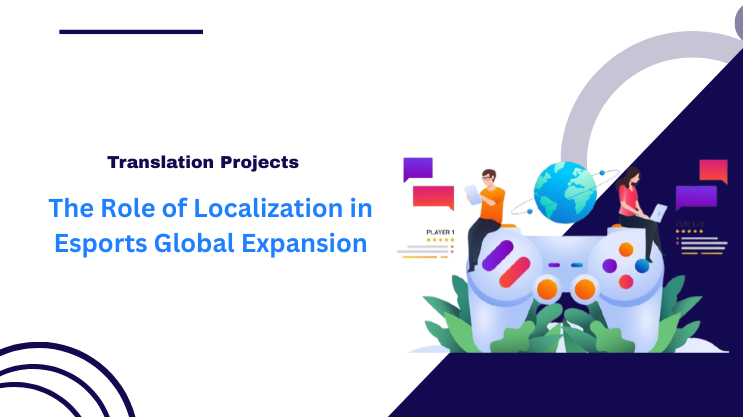
  • The Role of Localization in Esports Global Expansion

    The Role of Localization in Esports Global Expansion

    The esports industry has witnessed explosive growth over the past decade, transforming from a niche hobby into a global phenomenon. With millions of players and viewers across continents, the need for precise and culturally relevant communication has never been greater. Localization plays a pivotal role in helping esports companies reach diverse audiences, ensuring games, content, and marketing campaigns resonate globally. Honey Translation Services specializes in providing high-quality localization solutions that make global expansion seamless for esports brands.

    What Is Localization in Esports?

    Localization goes beyond simple translation. It involves adapting content to align with the cultural, linguistic, and social nuances of a target market. In esports, this can mean:

    • Translating in-game text, menus, and dialogues
    • Adapting marketing campaigns for different regions
    • Subtitling and dubbing esports live streams or video content
    • Ensuring social media posts resonate with local audiences

    For example, an in-game event or promotional campaign that works in South Korea may need cultural adjustments to appeal to gamers in Brazil or Germany. Localization ensures that the brand message stays consistent while remaining culturally sensitive.

    Why Localization Matters for Esports Expansion

    Esports is inherently global, but each region has unique gaming cultures, languages, and communication styles. Localization provides several key advantages:

    1. Enhances Player Engagement

    Gamers are more likely to engage with a game or brand when content is available in their native language and respects cultural norms. Honey Translation Services ensures in-game narratives, instructions, and dialogues feel natural to local players, increasing retention and satisfaction.

    2. Expands Market Reach

    By localizing marketing materials, websites, and social media campaigns, esports companies can enter new markets without alienating local audiences. This opens doors to untapped revenue streams and sponsorship opportunities.

    3. Builds Brand Trust and Loyalty

    Accurate localization reflects professionalism and commitment to the global audience. Players trust brands that communicate effectively and understand their local culture. Honey Translation Services helps esports brands maintain this trust through meticulous localization processes.

    How Honey Translation Services Supports Esports Localization

    At Honey Translation Services, we specialize in providing end-to-end localization solutions tailored for the esports industry. Our services include:

    • Game Localization: Translating and culturally adapting game content for international audiences
    • Transcription & Subtitling: Accurate transcription of esports streams and video content in multiple languages
    • Voice Over & Dubbing: Professional voiceovers to localize commentary and in-game dialogues
    • Marketing & Social Media Localization: Ensuring campaigns resonate with regional audiences
    • DTP & Typing Services: Formatting text and graphics to match localized content without losing design integrity

    Our team of linguistic experts, gamers, and cultural consultants ensures that every project is delivered with precision and cultural relevance.

    Case Study: Localization Driving Global Esports Success

    Consider a popular esports title expanding into Latin America. The original game was in English and relied on humor and idioms specific to Western audiences. Honey Translation Services localized the content, adapting jokes, idioms, and gameplay instructions to resonate with Spanish and Portuguese-speaking players. The result? A significant increase in player engagement, social media buzz, and in-game purchases – proving that thoughtful localization is a powerful tool for global growth.

    Best Practices for Esports Localization

    1. Hire Expert Linguists: Choose translators familiar with gaming terminology and culture.
    2. Focus on Context: Avoid literal translations; adapt content to suit the target culture.
    3. Test and Iterate: Conduct beta tests with local audiences to ensure the localization feels natural.
    4. Maintain Consistency: Keep branding and game mechanics consistent across regions.
    5. Integrate Multimedia Localization: Include voiceovers, subtitles, and graphics in your localization strategy.

    Honey Translation Services incorporates all these best practices, helping esports companies expand globally with confidence.

    Conclusion

    The global esports market is growing at an unprecedented rate, but success in international markets requires more than just translation – it requires strategic localization. By partnering with Honey Translation Services, esports brands can ensure their games, content, and marketing campaigns resonate with audiences worldwide. Effective localization enhances player engagement, builds brand loyalty, and drives revenue, making it a critical component of any esports global expansion strategy.

    With Honey Translation Services, going global is no longer a challenge – it’s an opportunity to connect with gamers everywhere.
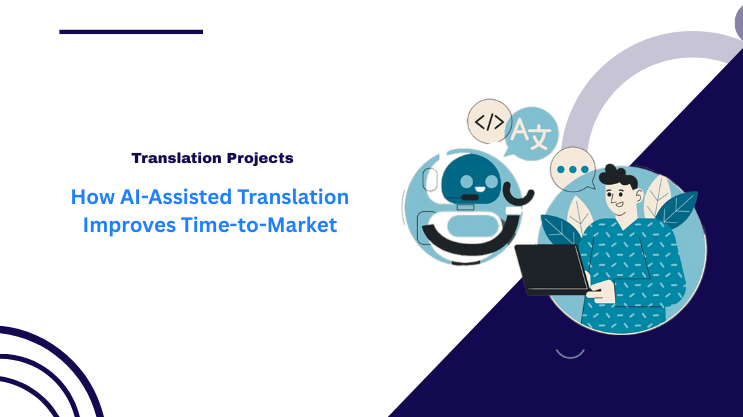
  • How AI Assisted Translation Improves Time to Market

    How AI Assisted Translation Improves Time to Market

    In today’s fast-paced global economy, businesses must deliver products, services, and marketing campaigns to international markets quickly. AI-assisted translation plays a critical role in reducing turnaround times while maintaining quality and consistency. By combining advanced technology with human expertise, companies can accelerate their global launches and stay competitive.

    1. Faster Translation for Large Volumes of Content

    AI-assisted translation tools can process large amounts of text quickly, including product descriptions, manuals, websites, and marketing materials. This speed ensures that global content is ready for launch without delays, allowing businesses to meet tight deadlines.

    2. Maintaining Consistency Across Multiple Languages

    AI translation often integrates with translation memory systems and brand glossaries. This ensures that terminology, tone, and style remain consistent across all languages, reducing errors and revisions, and further accelerating the launch process.

    3. Streamlining Localization Workflows

    AI-powered platforms automate repetitive tasks, such as formatting, segmenting content, and pre-translating commonly used phrases. This streamlines workflows and allows human translators to focus on nuanced and high-value content, improving overall efficiency.

    4. Supporting Agile Marketing and Product Launches

    With AI-assisted translation, marketing teams can quickly adapt campaigns for multiple regions. Product updates, promotional materials, and ad campaigns can be localized simultaneously, enabling synchronized global launches and faster market penetration.

    5. Real-Time Translation for Dynamic Content

    For websites, apps, and eCommerce platforms that frequently update content, AI-assisted translation provides near real-time localization. This allows businesses to keep their international content current, engaging, and aligned with the latest offerings or promotions.

    6. Reducing Costs While Saving Time

    By handling bulk translation tasks quickly, AI reduces the need for extensive human resources for repetitive content. This not only saves costs but also shortens the overall time required to prepare multilingual content for launch.

    7. Ensuring Quality with Human Oversight

    AI alone cannot handle all cultural nuances or creative messaging. Combining AI translation with professional human review ensures accuracy, cultural relevance, and brand consistency while maintaining rapid delivery schedules.

    8. Measuring Performance and Optimizing Workflows

    AI translation platforms provide analytics on turnaround times, accuracy, and productivity. This data allows teams to refine processes, identify bottlenecks, and continuously improve time-to-market for future launches.

    In conclusion, AI-assisted translation significantly improves time-to-market by speeding up content translation, ensuring consistency, streamlining workflows, and supporting agile global launches. When paired with human expertise, it allows businesses to deliver high-quality, culturally relevant content efficiently, giving them a competitive edge in international markets.

  • The Growing Demand for Localization in FinTech Platforms

    The Growing Demand for Localization in FinTech Platforms

    The FinTech industry is expanding rapidly, serving customers across diverse regions with varying languages, regulations, and financial behaviors. To succeed globally, FinTech platforms must prioritize localization. Effective localization ensures that users feel confident, understood, and comfortable using financial services, ultimately driving adoption, trust, and engagement.

    1. Understanding the Importance of Localization in FinTech

    Localization in FinTech goes beyond translation. It involves adapting language, cultural context, financial terminology, currency formats, date formats, and legal requirements to meet the expectations of local users. Proper localization builds credibility and reduces user friction.

    2. Enhancing User Trust and Confidence

    Financial transactions involve sensitive data, so trust is critical. Users are more likely to engage with platforms that communicate in their native language and adhere to familiar local practices. Clear, localized content increases transparency and fosters user confidence.

    3. Adapting to Regional Regulations and Compliance

    FinTech platforms must comply with local financial regulations, tax requirements, and reporting standards. Localization ensures that legal disclaimers, contracts, and policies are accurately presented, reducing the risk of non-compliance and potential penalties.

    4. Improving User Experience Across Markets

    Localization affects user interfaces, notifications, onboarding flows, and help centers. Adapting content for cultural preferences, readability, and ease of use ensures a seamless experience, improving retention and reducing support queries.

    5. Supporting Multi-Currency and Payment Options

    Different regions have varying currencies and payment preferences. Localizing payment options, currency displays, and transaction messages makes financial interactions straightforward and user-friendly.

    6. Leveraging AI and Translation Tools

    AI-powered translation and localization tools help FinTech platforms scale quickly, translating user interfaces, marketing materials, and support content efficiently while maintaining accuracy and consistency.

    7. Catering to Diverse Customer Segments

    FinTech platforms often target consumers, businesses, and enterprises across multiple countries. Localization allows for personalized messaging and features tailored to different segments, enhancing engagement and conversion rates.

    8. The Competitive Advantage of Effective Localization

    Platforms that invest in localization differentiate themselves from competitors, attract a wider audience, and create a stronger global presence. Providing culturally relevant, understandable, and compliant services builds loyalty and long-term growth.

    In conclusion, the growing demand for localization in FinTech platforms reflects the importance of language, culture, and compliance in global financial services. By prioritizing localization, FinTech companies can enhance user trust, streamline experiences, and achieve sustainable international success.

  • Building Global Brands Through Strategic Language Services

    Building Global Brands Through Strategic Language Services

    In today’s interconnected world, building a global brand goes beyond offering exceptional products or services. The ability to communicate effectively across languages and cultures is crucial for businesses aiming to expand internationally. Honey Translation Services helps brands achieve this by providing comprehensive language solutions that ensure your message resonates with global audiences.

    Why Language Services Are Key to Global Branding

    Expanding into international markets requires more than just translating content. It involves localization, cultural adaptation, and accurate communication. Poor translation can lead to misunderstandings, brand misrepresentation, and lost business opportunities. Strategic language services bridge these gaps, allowing brands to:

    • Connect with customers in their native language
    • Build trust and credibility across regions
    • Strengthen brand identity globally

    Honey Translation Services combines linguistic expertise with cultural insights to provide solutions that go beyond simple translation.

    Core Language Services That Enhance Global Reach

    1. Translation and Localization

    Translation ensures your content is accurately converted into the target language, while localization adapts it to cultural nuances, idioms, and market-specific preferences. Honey Translation Services specializes in:

    • Marketing materials and product descriptions
    • Websites and mobile applications
    • Legal, technical, and corporate documents

    By localizing content, brands can communicate naturally with diverse audiences, creating stronger emotional connections.

    2. Proofreading and Quality Assurance

    Even minor errors in language can damage a brand’s reputation. Honey Translation Services offers professional proofreading to ensure all content is error-free, consistent, and aligned with your brand voice. This step guarantees your message is polished, professional, and reliable.

    3. Transcription and Subtitling

    With the rise of multimedia content, transcription and subtitling play a vital role in reaching international viewers. Accurate transcription allows for clear communication, while multilingual subtitles make videos accessible to a broader audience. Honey Translation Services ensures:

    • Precise timing and accurate translation
    • Cultural sensitivity in dialogues
    • Enhanced viewer engagement

    4. Voice-Over and Dubbing

    For companies targeting video content markets, voice-over and dubbing services allow brands to connect emotionally with audiences. Honey Translation Services provides native voice artists, creating authentic audio experiences that reflect your brand personality.

    5. Desktop Publishing (DTP) and Typing Services

    Maintaining consistent formatting across languages can be challenging. Honey Translation Services offers DTP and typing services to ensure documents, brochures, and marketing materials retain visual appeal and readability in every language.

    Benefits of Partnering with Honey Translation Services

    Partnering with a professional language service provider like Honey Translation Services helps brands achieve:

    • Global consistency: Uniform messaging across all languages and markets
    • Cultural relevance: Tailored content that resonates with local audiences
    • Efficiency and speed: Quick turnaround without compromising quality
    • Cost-effectiveness: Avoids expensive rework due to inaccurate translations

    Tips for Building a Global Brand Through Language Services

    1. Invest in high-quality translation and localization early to avoid brand miscommunication.
    2. Use multimedia strategically – videos, webinars, and podcasts – enhanced with subtitles or dubbing.
    3. Regularly update content to reflect changing market trends and cultural preferences.
    4. Collaborate with native speakers and cultural experts to ensure authenticity.

    Conclusion

    Building a global brand is not just about expanding geographically – it’s about connecting meaningfully with audiences around the world. Strategic language services provided by Honey Translation Services enable brands to communicate effectively, maintain consistency, and grow their international presence. By combining translation, localization, proofreading, transcription, voice-over, and DTP services, Honey Translation Services ensures that your brand speaks the language of success – everywhere.

  • How Multilingual Content Enhances International PR and Media Outreach

    How Multilingual Content Enhances International PR and Media Outreach

    In today’s globalized world, businesses and organizations need to communicate effectively with international audiences. Multilingual content is a key strategy for PR and media outreach, allowing brands to convey their messages accurately, engage diverse audiences, and build strong relationships across borders. By localizing press releases, media kits, and communications, companies can amplify their presence in multiple markets.

    1. Expanding Reach to Global Media

    Creating content in multiple languages enables PR teams to reach journalists, influencers, and media outlets in different regions. Multilingual press releases and media kits increase the likelihood of coverage and help brands gain visibility in local markets.

    2. Building Credibility and Trust

    When companies communicate in the native language of their target audience, it demonstrates professionalism, respect, and commitment. Multilingual content enhances brand credibility and fosters trust among international media and stakeholders.

    3. Tailoring Messages for Cultural Relevance

    Localization ensures that PR messages are culturally appropriate and resonate with local values, traditions, and sensitivities. Adapting tone, examples, and storytelling techniques helps avoid miscommunication and increases engagement with international audiences.

    4. Improving Engagement and Response Rates

    Journalists and media professionals are more likely to respond to content that is clear, relevant, and easy to understand in their native language. Multilingual materials increase the chances of interviews, features, and media partnerships.

    5. Supporting Crisis Communication Globally

    During a crisis, timely and accurate multilingual communication is crucial. Localized statements, announcements, and updates help brands manage reputations effectively across multiple regions and prevent misinformation.

    6. Enhancing Social Media and Online Outreach

    PR campaigns often extend to social media platforms. Multilingual content ensures that social posts, blogs, and online press releases reach audiences in different languages, boosting engagement and sharing across borders.

    7. Aligning Messaging Across Markets

    Consistent messaging across languages and regions is vital for maintaining a coherent global brand image. Multilingual content helps synchronize PR efforts, ensuring that the brand communicates the same core message worldwide.

    8. Measuring Impact and Optimizing Strategies

    Monitoring coverage, engagement, and audience responses in different languages provides valuable insights. Brands can adjust PR strategies based on performance data to maximize impact and reach in each market.

    In conclusion, multilingual content significantly enhances international PR and media outreach by expanding reach, building trust, and ensuring cultural relevance. By investing in accurate and localized communication, brands can strengthen their global presence, foster relationships with international media, and achieve long-term success in multiple markets.

  • Predictive Multilingual Communication for Enterprises

    Predictive Multilingual Communication for Enterprises

    In today’s globalized economy, enterprises are no longer confined to local markets. Expanding into international territories demands seamless communication across multiple languages. This is where predictive multilingual communication comes into play – a strategic approach that enables businesses to anticipate language needs and communicate effectively with diverse audiences. Honey Translation Services specializes in helping enterprises implement this cutting-edge communication strategy to enhance global reach and engagement.

    What is Predictive Multilingual Communication?

    Predictive multilingual communication involves using technology, analytics, and expert linguistic services to anticipate communication needs across different languages. Unlike reactive translation services, which respond after content is created, predictive strategies enable enterprises to plan, adapt, and personalize content for international audiences in advance.

    This approach combines:

    • Language data analytics – Identifying which languages your audience uses most.
    • Cultural insights – Understanding local nuances to avoid miscommunication.
    • Content adaptation – Translating and localizing content proactively.

    By leveraging predictive multilingual communication, enterprises can ensure that marketing campaigns, product information, and customer support are always relevant, accurate, and culturally sensitive.

    Why Enterprises Need Predictive Multilingual Communication

    Global businesses face several challenges without a predictive multilingual strategy:

    1. Delayed Market Response – Reactive translation can slow down campaigns, leading to missed opportunities.
    2. Inconsistent Brand Messaging – Poorly translated content can dilute brand identity and cause misunderstandings.
    3. Customer Frustration – Customers expect instant, accurate communication in their native language.

    Honey Translation Services addresses these challenges by providing proactive language solutions. With our expertise in translation, localization, transcription, DTP, and voice-over services, enterprises can implement predictive multilingual strategies that enhance efficiency, brand consistency, and customer satisfaction.

    Key Components of Predictive Multilingual Communication

    1. Advanced Translation and Localization

    Predictive multilingual communication starts with high-quality translation and localization. Honey Translation Services ensures that all enterprise content is accurately translated while maintaining cultural context. From websites to marketing campaigns, our services help businesses communicate effectively across borders.

    2. AI-Enhanced Content Forecasting

    Using AI and machine learning, enterprises can predict which content will require translation and identify language trends among target markets. Honey Translation Services integrates these insights to streamline the translation workflow, reducing turnaround time and costs.

    3. Transcription and Multilingual Voice-Over

    Video content is increasingly vital in global communication. Predictive multilingual strategies include accurate transcription and voice-over services in multiple languages. Honey Translation Services ensures that multimedia content resonates with audiences worldwide, maintaining clarity and brand voice.

    4. Desktop Publishing (DTP) & Formatting

    Global content often needs precise formatting to fit local expectations. Honey Translation Services provides DTP services that adapt layouts, graphics, and fonts to suit different languages, ensuring a professional and culturally appropriate presentation.

    5. Continuous Feedback Loop

    Predictive communication is iterative. Enterprises benefit from continuous analysis of audience engagement and feedback. Honey Translation Services helps businesses adjust strategies based on insights, improving communication effectiveness over time.

    Benefits for Enterprises

    Implementing predictive multilingual communication with Honey Translation Services offers several advantages:

    • Faster Market Entry – Proactive translation reduces delays, enabling quicker launches in new regions.
    • Enhanced Customer Experience – Providing content in native languages builds trust and loyalty.
    • Cost Efficiency – Planning translation in advance minimizes last-minute expenses and revisions.
    • Brand Consistency – Consistent messaging strengthens brand perception across global markets.
    • Data-Driven Insights – Enterprises gain actionable insights into language trends and audience preferences.

    How Honey Translation Services Supports Enterprises

    At Honey Translation Services, we combine technology, human expertise, and strategic planning to empower enterprises in predictive multilingual communication. Our services include:

    • Professional Translation & Proofreading
    • Content Localization for Websites & Marketing
    • Transcription & Multilingual Voice-Over
    • DTP & Typing Services
    • AI-Enhanced Language Strategy Consultation

    By partnering with Honey, enterprises can confidently approach global communication, ensuring their message reaches the right audience, in the right language, at the right time.

    Conclusion

    Predictive multilingual communication is no longer a luxury; it is essential for enterprises operating in global markets. By anticipating language needs and leveraging professional translation, localization, and content adaptation services, businesses can enhance efficiency, customer engagement, and brand reputation.

    Honey Translation Services stands at the forefront of this revolution, helping enterprises navigate multilingual challenges with precision, foresight, and expertise. With predictive strategies in place, global success becomes not just possible, but predictable.

  • Why Professional Language Translation Still Outperforms Machine Tools

    Why Professional Language Translation Still Outperforms Machine Tools

    Machine translation tools have become faster, smarter, and more accessible than ever. While they offer convenience and speed, they still fall short in delivering the accuracy, nuance, and cultural understanding required for effective global communication. This is why professional language translation continues to outperform machine tools—especially for businesses that value quality, trust, and long-term success.

    1. Human Understanding of Context and Meaning

    Machine tools translate based on algorithms and data patterns, often missing context, tone, or intent. Professional translators understand the deeper meaning behind words and adapt content accordingly.

    Why it matters:

    • Preserves intended message
    • Avoids literal or misleading translations
    • Ensures clarity and relevance

    2. Cultural Nuance and Localization Expertise

    Language is deeply tied to culture. Professional translators localize content by considering cultural references, idioms, humor, and social norms-something machine tools struggle to do effectively.

    Benefits include:

    • Culturally appropriate messaging
    • Stronger audience connection
    • Reduced risk of cultural misunderstandings

    3. Industry-Specific Knowledge and Accuracy

    Professional translators often specialize in fields such as legal, medical, technical, or marketing translation. This expertise ensures correct terminology and compliance with industry standards.

    Key advantages:

    • Accurate technical language
    • Reduced risk of costly errors
    • Reliable industry-specific communication

    4. Consistent Brand Voice and Tone

    Maintaining a consistent brand voice across languages is critical for global businesses. Human translators adapt tone and style to suit different audiences while preserving brand identity.

    Results:

    • Unified global brand presence
    • Improved brand credibility
    • Enhanced customer trust

    5. Quality Control and Accountability

    Professional translation services include editing, proofreading, and quality assurance processes. Machine tools lack accountability and cannot guarantee error-free or contextually correct output.

    Professional standards ensure:

    • High accuracy and consistency
    • Confidentiality and data security
    • Responsibility for final output

    Conclusion

    While machine translation tools are useful for basic, informal understanding, they cannot replace the expertise of professional language translators. Human translators deliver accuracy, cultural relevance, industry expertise, and quality assurance that machines cannot match. For businesses aiming to communicate clearly and confidently on a global scale, professional translation remains the superior choice.

  • Multilingual Legal Documents: Accuracy in a Globalized World

    Multilingual Legal Documents: Accuracy in a Globalized World

    In today’s globalized business environment, legal documents often need to cross borders, languages, and cultures. From contracts and agreements to compliance forms and patents, precision in translation is non-negotiable. Even a minor error in legal wording can lead to misunderstandings, financial loss, or legal disputes. This makes professional multilingual legal document translation an essential service for businesses and individuals alike.

    Honey Translation Service specializes in delivering accurate, reliable, and culturally appropriate translations for legal documents worldwide. With our expertise, clients can ensure that their legal content maintains its original intent across languages.

    The Importance of Accuracy in Legal Document Translation

    Legal documents carry high stakes. Accuracy is not just about translating words – it’s about translating meaning. Terms in law may have nuanced interpretations depending on jurisdiction, and mistranslation can result in severe consequences.

    For example, a simple difference in wording in a contract can change obligations or liabilities. Honey Translation Service employs certified translators with legal expertise to guarantee that every term, clause, and nuance is preserved.

    Challenges in Translating Legal Documents

    Translating legal content is complex due to:

    • Legal Terminology: Legal terms often have no direct equivalent in other languages. Professional translators ensure the correct interpretation according to local laws.
    • Cultural Nuances: Legal procedures and document structures vary across countries. A translator must adapt content while retaining its original legal force.
    • Consistency: Maintaining consistency across multiple documents and languages is crucial, especially in large contracts or multinational agreements.

    Honey Translation Service tackles these challenges by combining linguistic expertise with legal knowledge, ensuring translations are both precise and culturally sensitive.

    Services Offered for Legal Document Translation

    Honey Translation Service offers a comprehensive range of services for legal translation needs:

    • Contracts and Agreements: From employment contracts to NDAs, we ensure clarity and enforceability across languages.
    • Court Documents: Accurate translation for affidavits, pleadings, and other judicial paperwork.
    • Patents and Intellectual Property: Translating technical and legal jargon with precision to protect intellectual property rights globally.
    • Compliance and Regulatory Documents: Accurate translations to meet international regulatory requirements.

    Each translation undergoes strict quality control and multiple rounds of proofreading to guarantee perfection.

    Why Choose Honey Translation Service

    Businesses and individuals choose Honey Translation Service for several reasons:

    1. Certified Translators: Our translators are not only linguists but also have expertise in legal practices and terminology.
    2. Confidentiality: We maintain the highest level of privacy and confidentiality for sensitive legal documents.
    3. Fast Turnaround: Time-sensitive legal translations are delivered efficiently without compromising quality.
    4. Cultural Expertise: We ensure your documents are legally and culturally appropriate for the target audience.

    Our approach ensures that every legal document is accurate, professional, and reliable, fostering trust in international business transactions.

    Conclusion

    In a world where businesses operate across borders and languages, multilingual legal document translation is indispensable. Accuracy, cultural sensitivity, and professionalism are key to avoiding costly mistakes and legal complications. Honey Translation Service bridges the language gap, providing precise translations that uphold the integrity of your legal documents.

    When it comes to legal translation, trust matters. Ensure your global communications are error-free, clear, and legally sound with Honey Translation Service.

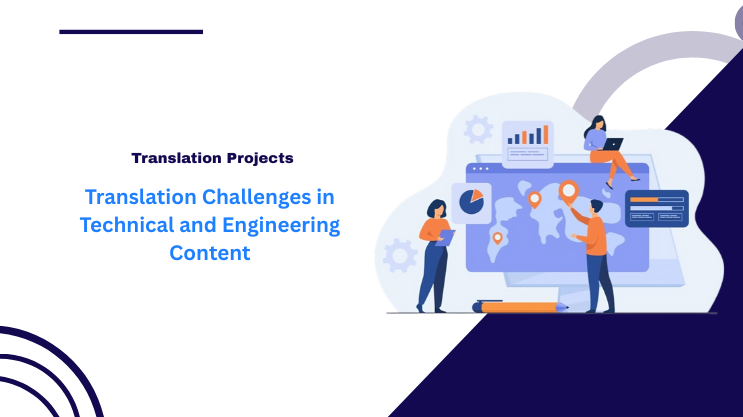
  • Translation Challenges in Technical and Engineering Content

    Translation Challenges in Technical and Engineering Content

    Technical and engineering content requires precision, clarity, and accuracy. From manuals and specifications to user guides and technical reports, every term matters. Translating such content for global audiences involves unique challenges that go beyond language, encompassing technical understanding, industry standards, and cultural considerations. Properly addressing these challenges ensures safety, usability, and effective communication.

    1. Maintaining Technical Accuracy

    One of the biggest challenges is preserving the exact meaning of technical terms and specifications. A small error in translation can lead to misinterpretation, safety risks, or operational failures. Professional translators must have subject-matter expertise to ensure precise and accurate content.

    2. Handling Complex Terminology

    Engineering documents often include specialized jargon, abbreviations, and industry-specific terminology. Translators must be familiar with both the source and target industry terminology, using glossaries and translation memory systems to maintain consistency across documents.

    3. Adhering to International Standards

    Technical and engineering content often follows international standards, such as ISO, ANSI, or IEEE. Translations must comply with these standards to ensure global usability, regulatory compliance, and acceptance by professional audiences.

    4. Managing Measurement Units and Conventions

    Different countries use different measurement systems, formats, and conventions. Translators must accurately convert units, currencies, date formats, and symbols to match the expectations of the target audience while avoiding calculation errors.

    5. Preserving Clarity and Readability

    Technical content can be dense and complex. Translators must ensure that translated content remains clear and easy to understand, especially for end-users who rely on instructions, troubleshooting guides, or safety manuals.

    6. Integrating Visuals and Documentation

    Technical content often includes diagrams, charts, schematics, and tables. Translators must work closely with designers and engineers to localize text within visuals, ensuring that information remains accurate and aligned with images or illustrations.

    7. Handling Software and Digital Documentation

    Many engineering documents are embedded in software, apps, or interactive platforms. Translators must account for space constraints, coding limitations, and interface localization to ensure content fits seamlessly within digital systems.

    8. Quality Assurance and Review

    Technical translations require rigorous proofreading, editing, and validation by experts. Quality assurance processes, including reviews by engineers and subject-matter specialists, help prevent errors and ensure reliability.

    9. Managing Time and Project Complexity

    Large-scale technical projects often involve multiple documents, languages, and stakeholders. Efficient project management, translation memory usage, and collaboration with engineers are critical to meet deadlines while maintaining quality.

    In conclusion, translating technical and engineering content is a highly specialized task that demands linguistic expertise, technical knowledge, and attention to detail. By addressing challenges related to accuracy, terminology, standards, visuals, and readability, businesses can produce reliable translations that ensure safety, usability, and effective communication across global markets.

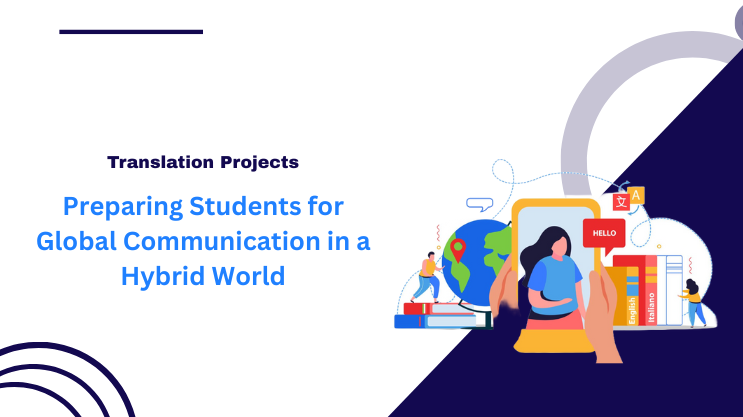
  • Preparing Students for Global Communication in a Hybrid World

    Preparing Students for Global Communication in a Hybrid World

    In today’s increasingly connected world, effective communication extends beyond borders, languages, and cultures. As education shifts to hybrid models – blending in-person and online learning – students need the skills to communicate globally. Honey Translation Services provides the tools and expertise that make this transition seamless, enabling students to thrive in multicultural environments.

    The Importance of Global Communication Skills

    Global communication skills are essential for students to succeed academically, professionally, and personally. In a hybrid world, where online interactions often cross geographic boundaries, students must navigate different languages, cultural norms, and communication styles.

    By mastering global communication, students can:

    • Collaborate effectively with peers and educators worldwide.
    • Access a wealth of knowledge and resources in multiple languages.
    • Develop cultural sensitivity and awareness, fostering inclusivity.
    • Prepare for international careers and academic opportunities.

    Honey Translation Services helps bridge these gaps by providing high-quality translation, localization, and transcription services tailored to the educational sector.

    Leveraging Technology in Hybrid Learning

    Hybrid learning combines traditional classroom experiences with online platforms. While technology facilitates global interaction, it also introduces challenges such as language barriers and miscommunication.

    Tools like Honey Translation Services’ real-time translation and transcription solutions allow students to participate actively in virtual classrooms, access study materials in their preferred language, and communicate with peers from different regions without limitations.

    For instance, a student attending a virtual lecture in Japan can receive accurate transcripts and translations in English or any other language supported, ensuring no loss of context or understanding.

    Localization: Making Content Accessible

    Localization goes beyond simple translation. It involves adapting content to suit cultural, linguistic, and regional contexts.

    Honey Translation Services specializes in educational content localization, ensuring that learning materials, online courses, and digital resources resonate with students from diverse backgrounds. This includes:

    • Translating curriculum documents while maintaining educational accuracy.
    • Adjusting multimedia content, such as videos or infographics, for cultural relevance.
    • Ensuring accessibility for students with different linguistic needs.

    Through proper localization, students can engage with content more effectively, leading to better learning outcomes and a more inclusive educational experience.

    The Role of Transcription in Hybrid Classrooms

    Accurate transcription is crucial in hybrid classrooms, where lectures, discussions, and group work often happen online. Transcription services convert spoken content into written format, allowing students to:

    • Review lessons at their own pace.
    • Clarify complex concepts in their preferred language.
    • Participate more actively, even in asynchronous learning environments.

    Honey Translation Services’ transcription solutions also provide multilingual options, ensuring that language differences do not hinder a student’s learning journey.

    Preparing Students for International Careers

    Global communication skills, supported by accurate translation and localization, prepare students for international careers. Students familiar with cross-cultural communication are better equipped to:

    • Collaborate with multinational teams.
    • Navigate global markets and academic collaborations.
    • Enhance employability by demonstrating cultural competence.

    Honey Translation Services acts as a partner in this preparation, offering tailored services that equip students for success in a connected world.

    Conclusion

    As hybrid learning becomes the norm, preparing students for global communication is more critical than ever. By leveraging translation, localization, and transcription services, educators can break down language barriers and create a truly inclusive learning environment.

    Honey Translation Services ensures that students are not just participants but active contributors in a global academic community. By integrating these solutions, schools and institutions empower students to communicate confidently, collaborate effectively, and succeed on an international stage.