Tag: #TranslationServices

  • The Secret to Translating Apps Without Losing UX Quality

    The Secret to Translating Apps Without Losing UX Quality

    In the digital age, apps are more than just tools-they are experiences. When an app expands to international markets, translation is often seen as a necessary step. But translation alone is not enough. A poorly localized app can confuse users, break interfaces, or damage brand perception.

    Maintaining user experience (UX) quality while translating is essential for global success.

    Why UX Matters in App Translation

    UX is about how users feel while interacting with an app. A great UX ensures users can navigate intuitively, complete tasks efficiently, and enjoy the overall experience.

    When apps are translated without UX consideration:

    • Text may overflow buttons or menus
    • Layouts may break due to text expansion or contraction
    • Icons and visual cues may become culturally irrelevant
    • Users may abandon the app due to frustration

    In short, poor UX can undo even the most accurate translations.

    1. Plan for Localization from the Start

    One of the biggest mistakes is treating translation as an afterthought. App architecture, design elements, and content should be localization-ready from the beginning.

    Tips:

    • Leave extra space for text expansion
    • Avoid embedding text in graphics
    • Use global-ready fonts that support multiple scripts

    A proactive approach minimizes UX compromises later.

    2. Consider Text Expansion and Contraction

    Languages differ in length. For example:

    • German can be up to 30% longer than English
    • Chinese and Japanese can be more compact

    Impact on UX:

    • Buttons, menus, and labels may become misaligned
    • Text may be truncated or overlap

    Solution: Use dynamic layouts that adapt automatically to different text lengths.

    3. Mind Cultural and Contextual Relevance

    An app’s UX is influenced by cultural expectations. Colors, icons, symbols, and even interaction patterns may convey different meanings in different regions.

    Examples:

    • Red can signal danger in some cultures, luck in others
    • Gestures or swipe directions may be interpreted differently
    • Certain images or metaphors may confuse or offend

    Localized UX isn’t just about language-it’s about contextual experience.

    4. Keep UI Text Short and Clear

    Concise, clear text improves readability and reduces the risk of layout problems. Avoid long strings that may be difficult to fit in buttons or menus.

    Best practices:

    • Prioritize microcopy that communicates intent quickly
    • Use placeholders instead of hardcoding strings
    • Collaborate with translators to maintain brevity without losing meaning

    5. Test Multilingual UX Rigorously

    Even the best translation strategy can fail if not tested properly. Multilingual UX testing ensures the app works seamlessly across languages.

    Steps to follow:

    • Simulate different text lengths and scripts
    • Test navigation, menus, and input fields
    • Conduct user testing in target regions

    Testing helps uncover issues that might be invisible in standard translation reviews.

    6. Collaborate Between Designers, Developers, and Translators

    Successful app localization is a team effort. Designers, developers, and translators must communicate to maintain both visual design and functional experience.

    Collaboration tips:

    • Provide translators with design context
    • Developers should implement flexible layouts
    • Designers should account for cultural and linguistic variation

    When teams work together, UX quality remains consistent across languages.

    Final Thoughts

    Translating apps without compromising UX is not magic-it’s strategy, planning, and attention to detail.

    The secret lies in:

    • Designing with localization in mind
    • Prioritizing clear, concise, culturally aware content
    • Testing extensively across languages
    • Encouraging cross-functional collaboration

    In a competitive global market, an app that feels native everywhere wins user trust and engagement.

  • Document Translation Trends That Businesses Can’t Ignore

    Document Translation Trends That Businesses Can’t Ignore

    In a world where business knows no borders, document translation has become a strategic necessity rather than just a support function. Companies that ignore evolving translation trends risk miscommunication, lost opportunities, and reputational damage. Staying ahead means understanding not only what is being translated, but how and why.

    1. Translation as a Strategic Business Tool

    Document translation is no longer a back-office task-it has become central to global growth, compliance, and brand reputation. Businesses are increasingly leveraging translation to:

    • Enter new markets faster
    • Maintain consistent branding across languages
    • Ensure regulatory compliance internationally
    • Improve customer experience for multilingual audiences

    Organizations that view translation as a strategic function gain a competitive edge over those that treat it as a cost center.

    2. AI-Powered Translation with Human Oversight

    Artificial Intelligence and Machine Translation (MT) are transforming document translation. AI can speed up workflows and reduce costs, but accuracy, cultural nuance, and tone still require human expertise.

    Trends to note:

    • AI-assisted translation with post-editing by professionals
    • Neural machine translation for context-aware output
    • Automated glossary and style guide integration
    • Real-time translation for internal and external communications

    Businesses that adopt this hybrid approach enjoy faster delivery without sacrificing quality.

    3. Multilingual Compliance and Legal Accuracy

    Global operations require legal, financial, and regulatory documents to be flawless. Mistakes can be costly, from fines to reputational damage.

    Trends include:

    • Localized contracts, licenses, and terms & conditions
    • Multilingual safety and compliance documentation
    • Industry-specific certified translation

    Companies are prioritizing accuracy, certification, and compliance in every translated document.

    4. Integrated Localization and Branding

    Translation is no longer just about words-it’s about experience. Brands are integrating translation with localization, ensuring that visuals, formats, tone, and messaging resonate in every market.

    Key trends:

    • Multilingual marketing campaigns
    • Localized product manuals and user guides
    • DTP-ready files for seamless international publishing
    • Cultural adaptation in graphics and imagery

    This ensures the brand feels authentic, professional, and culturally aware anywhere in the world.

    5. Cloud-Based Translation and Collaboration

    With remote teams and global offices, cloud-based translation platforms are becoming essential. These platforms allow real-time collaboration between translators, reviewers, and project managers.

    Benefits include:

    • Faster turnaround times
    • Centralized terminology and style guides
    • Version control and audit trails
    • Seamless integration with content management systems (CMS)

    Cloud solutions make multilingual content management efficient and scalable.

    6. Sustainability and Cost-Effective Translation

    Businesses are increasingly looking for sustainable, scalable, and cost-effective translation solutions. This includes reusing translations through Translation Memory (TM) systems and implementing consistent style guides to reduce redundancy.

    Advantages:

    • Faster project delivery
    • Reduced costs for recurring content
    • Consistent brand voice across all markets

    Efficiency and sustainability are no longer optional-they are competitive requirements.

    7. Focus on Data Security and Confidentiality

    With sensitive data being translated across borders, data security is critical. Clients demand secure document handling, encrypted file transfers, and confidentiality agreements.

    Trends include:

    • GDPR-compliant translation practices
    • Secure cloud storage and collaboration
    • Confidentiality-focused project management

    A secure translation workflow builds trust with global partners and customers.

    Final Thoughts

    Document translation is evolving from a support task to a core business function. Companies that stay on top of these trends are better positioned to expand globally, communicate clearly, and maintain trust across markets.

    Businesses that ignore these trends risk miscommunication, inefficiency, and missed opportunities—while those that embrace them turn translation into a strategic advantage.

  • From Birth Certificates to Patents: Translating Your Most Important Documents

    From Birth Certificates to Patents: Translating Your Most Important Documents

    In an increasingly globalized world, personal and professional documents often need to cross borders. Whether it’s for education, immigration, business, or legal purposes, accurate translation of important documents is crucial. Mistakes in translation can lead to delays, misunderstandings, or even legal complications.

    From birth certificates to patents, every document carries its own weight-and its own challenges.

    Why Document Translation Matters

    Documents are more than just words on paper-they are legal, personal, and professional records. Translating them accurately is essential for:

    • Legal validity: Many official processes require certified translations.
    • Professional credibility: Patents, contracts, and licenses must convey precise technical or legal meaning.
    • Personal milestones: Birth, marriage, or academic certificates are essential for identity verification and international recognition.

    A poorly translated document isn’t just confusing-it can be invalid or rejected.

    Key Types of Documents That Require Translation

    1. Personal Documents

    • Birth and death certificates
    • Marriage and divorce certificates
    • Academic transcripts and diplomas
    • Passports and IDs

    Accuracy is critical, as errors can affect immigration, education, or citizenship applications.

    2. Legal Documents

    • Contracts and agreements
    • Court rulings and affidavits
    • Powers of attorney
    • Wills and trusts

    Legal translations require precision and understanding of local laws, as even minor errors can have major consequences.

    3. Business & Technical Documents

    • Patents and technical manuals
    • Product documentation
    • Financial statements
    • Compliance certificates

    These documents require industry-specific knowledge to maintain technical accuracy.

    Challenges in Translating Important Documents

    Translating official documents is not simply about converting words. Challenges include:

    • Terminology accuracy: Legal, medical, or technical terms must be precise.
    • Formatting and layout: Maintaining the structure of certificates, contracts, and forms is crucial.
    • Cultural and legal nuances: Some concepts may not have a direct equivalent in another language.
    • Certification requirements: Many translations must be notarized or certified to be accepted internationally.

    Choosing the right translation service ensures accuracy, authenticity, and compliance.

    Certified Translation: Ensuring Trust and Recognition

    For important documents, a certified translation is often mandatory. Certified translators provide:

    • Official statements of accuracy recognized by authorities
    • Proper formatting matching the original document
    • Verification of authenticity for legal and professional purposes

    This is especially important for documents like birth certificates, patents, or contracts where errors can have serious implications.

    Tips for Successful Document Translation

    1. Work with certified translators specializing in the document type.
    2. Provide original documents for reference.
    3. Clarify deadlines to ensure timely delivery.
    4. Double-check formatting and official seals in the translated document.
    5. Maintain a copy of translations for personal and legal records.

    Proper planning and professional support prevent mistakes and save time, cost, and stress.

    Final Thoughts

    From personal milestones to high-stakes legal or technical documents, translation is more than language-it’s accuracy, trust, and credibility.

    Whether it’s a birth certificate for immigration or a patent for global business, professional translation safeguards your documents and your future.

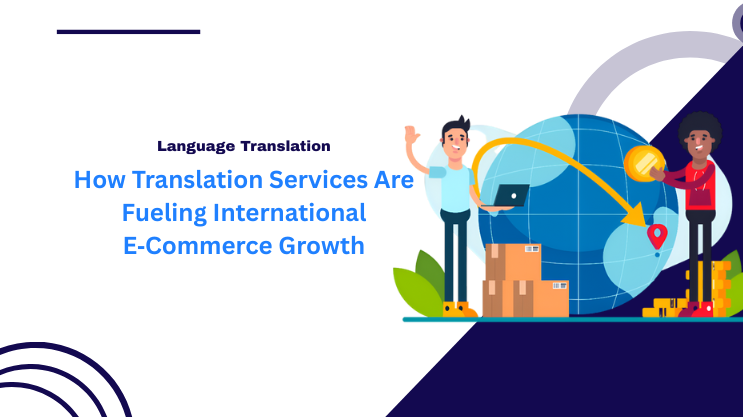
  • How Translation Services Are Fueling International E‑Commerce Growth

    How Translation Services Are Fueling International E‑Commerce Growth

    The digital marketplace has erased borders. Today, consumers can browse, compare, and buy products from anywhere in the world. For e‑commerce brands, this global reach presents enormous opportunities-but only if customers can understand and trust your content. This is where translation services play a pivotal role.

    By bridging language barriers, translation is not just a support function-it has become a key driver of international e‑commerce growth.

    The Global E-Commerce Opportunity

    E-commerce sales continue to surge worldwide. Markets that were previously inaccessible are now open to small and large businesses alike. However, entering a new market isn’t just about listing products online-it’s about speaking the local language.

    Studies show that over 70% of consumers are more likely to buy from websites in their native language, and more than 50% rarely or never purchase from English-only sites in non-English-speaking countries.

    Without translation, brands risk leaving revenue-and customers-on the table.

    Translation: More Than Words

    Translation services go beyond literal word-for-word conversion. High-quality translation ensures:

    • Cultural relevance: Messaging aligns with local norms and expectations
    • Clear communication: Product descriptions, instructions, and policies are easy to understand
    • Brand consistency: Tone, voice, and values remain intact across markets

    By localizing content, e-commerce businesses can create trust and credibility, which are critical for online purchases.

    Key Areas Where Translation Drives E-Commerce Growth

    1. Product Listings and Descriptions
      Accurate, persuasive translations increase customer confidence and reduce returns.
    2. Marketing Campaigns and Ads
      Multilingual marketing ensures promotions resonate with local audiences, boosting engagement and conversions.
    3. Customer Support and Chatbots
      Offering multilingual support improves satisfaction and loyalty, which drives repeat purchases.
    4. Terms, Policies, and FAQs
      Clear, understandable legal and transactional content reduces misunderstandings and compliance risks.
    5. SEO and Local Search Optimization
      Translating keywords, meta descriptions, and product titles improves visibility in local search engines.

    Translation Services as a Growth Engine

    The brands that thrive internationally are those that treat translation as a strategic investment, not just an operational task. By integrating professional translation services:

    • Revenue grows through broader market reach
    • Customer retention improves via personalized experiences
    • Brand reputation strengthens in new markets
    • Operational efficiency increases by reducing errors and miscommunication

    In short, translation services fuel sustainable global growth.

    Real-World Impact: Case in Point

    Consider an online fashion retailer expanding to multiple countries. Translating product listings, sizing charts, and promotional campaigns allowed them to increase sales by over 60% in new markets within a year, while also reducing return rates.

    This demonstrates that accurate, culturally sensitive translation directly correlates with revenue and customer satisfaction.

    Final Thoughts

    International e-commerce isn’t just about shipping products worldwide-it’s about communicating effectively in every market. Translation services transform language barriers into opportunities, helping brands connect, convert, and thrive globally.

    In a borderless digital marketplace, translation isn’t optional-it’s a competitive advantage.

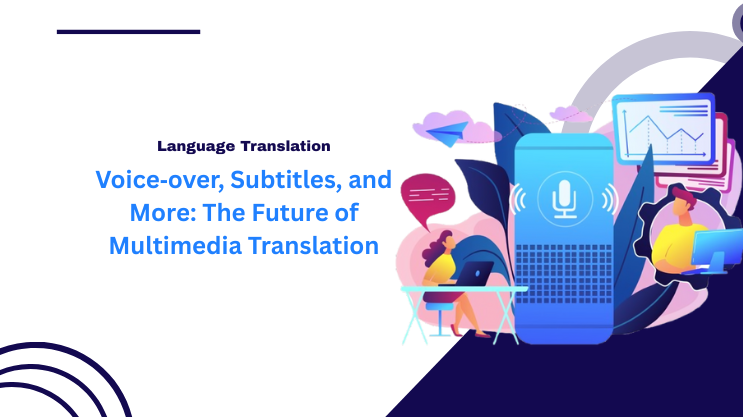
  • Voice‑over, Subtitles, and More: The Future of Multimedia Translation

    Voice‑over, Subtitles, and More: The Future of Multimedia Translation

    Video has become the world’s most powerful language. From marketing campaigns and e-learning platforms to entertainment and social media, multimedia content now drives global communication. But reaching international audiences requires more than visuals alone-it demands accurate, culturally resonant multimedia translation.

    Voice-over, subtitles, and emerging localization methods are shaping the future of how content travels across borders.

    The Rise of Multimedia-First Communication

    Audiences today consume content faster, shorter, and more visually than ever before. As a result, businesses are investing heavily in video, audio, and interactive media.

    This shift has made multimedia translation essential for:

    • Global marketing and branding
    • Online education and training
    • Streaming and entertainment
    • Corporate communication
    • Social media and short-form content

    Language accessibility is no longer optional—it’s a growth strategy.

    Voice-Over: Giving Content a Local Voice

    Voice-over brings content to life by allowing audiences to hear messages in their own language. When done right, it feels natural, emotional, and trustworthy.

    Modern voice-over focuses on:

    • Native-speaker talent
    • Appropriate tone, pacing, and emotion
    • Cultural relevance in delivery
    • Brand-aligned voice consistency

    The future of voice-over lies in authenticity-not just translation, but performance.

    Subtitles: Precision in Limited Space

    Subtitles are one of the most widely used forms of multimedia translation. They offer accessibility without replacing the original audio and are essential for mobile and silent viewing.

    Effective subtitling requires:

    • Condensed yet accurate translations
    • Perfect timing and synchronization
    • Readability across devices
    • Cultural adaptation of expressions

    As attention spans shrink, subtitles must deliver meaning clearly and quickly.

    Dubbing: Immersion at Scale

    Dubbing goes beyond voice-over by replacing the original dialogue entirely. It is widely used in entertainment, gaming, and children’s content.

    High-quality dubbing depends on:

    • Lip-sync accuracy
    • Emotion and character matching
    • Script adaptation rather than literal translation
    • Skilled sound engineering

    As global streaming expands, demand for premium dubbing continues to rise.

    Beyond Traditional Methods: What’s Next?

    The future of multimedia translation extends beyond voice-over and subtitles.

    Emerging trends include:

    • AI-assisted transcription and translation
    • Hybrid workflows combining AI speed with human quality
    • Interactive and multilingual video content
    • Real-time translation for live events
    • Accessibility-focused localization (captions, audio descriptions)

    Technology accelerates production, but human expertise ensures cultural accuracy.

    The Importance of Cultural Context

    Multimedia translation isn’t just technical-it’s deeply cultural. Humor, tone, gestures, and pacing vary across regions.

    Successful multimedia localization:

    • Adapts jokes, idioms, and references
    • Matches regional expectations
    • Avoids cultural misinterpretations
    • Preserves emotional intent

    This is where translation becomes storytelling.

    Quality as a Competitive Advantage

    With global audiences flooded with content, quality determines impact. Poor audio, awkward subtitles, or mismatched voices can break immersion instantly.

    Investing in professional multimedia translation:

    • Enhances viewer engagement
    • Builds brand credibility
    • Increases retention and reach
    • Improves global user experience

    In the future, audiences won’t tolerate almost right.

    Final Thoughts

    The future of multimedia translation is dynamic, immersive, and audience-centric. Voice-over, subtitles, dubbing, and emerging technologies are no longer separate services-they are part of a unified global communication strategy.

    As multimedia continues to dominate, the brands that succeed will be those that sound local, feel authentic, and communicate clearly-everywhere.

  • How Multilingual Data Analysis Improves Global Decision-Making

    How Multilingual Data Analysis Improves Global Decision-Making

    In a data-driven global economy, organizations collect vast amounts of information from customers, markets, and operations across different regions and languages. Multilingual data analysis enables businesses to unlock insights from diverse linguistic sources, helping leaders make informed, accurate, and timely decisions. By analyzing data beyond language barriers, organizations gain a clearer understanding of global trends and customer behavior.

    1. Consolidating Data from Multiple Regions

    Multilingual data analysis allows organizations to gather and process information from various markets in different languages. This consolidated view provides decision-makers with a comprehensive understanding of global performance and regional variations.

    2. Understanding Local Customer Sentiment

    Analyzing reviews, feedback, surveys, and social media content in native languages reveals authentic customer sentiment. This insight helps businesses identify preferences, pain points, and expectations across different markets.

    3. Improving Market Forecasting Accuracy

    When data from all regions is analyzed in its original language, predictions become more accurate. Multilingual insights support better forecasting, risk assessment, and strategic planning for global expansion.

    4. Enhancing Product and Service Optimization

    Localized data highlights how products and services perform in specific regions. Businesses can refine features, pricing, and offerings based on region-specific insights, improving overall competitiveness.

    5. Supporting Smarter Marketing Decisions

    Multilingual analysis of campaign performance and audience behavior enables more effective targeting. Marketers can tailor messaging, channels, and strategies based on language-specific engagement trends.

    6. Identifying Regional Risks and Opportunities

    Analyzing multilingual news, reports, and regulatory updates helps organizations identify emerging risks and opportunities. Early detection supports proactive decision-making and minimizes potential disruptions.

    7. Enabling Inclusive and Balanced Leadership Decisions

    Access to insights from all linguistic regions ensures that leadership decisions are inclusive and data-driven. This balanced perspective prevents bias toward dominant markets and supports equitable global strategies.

    8. Strengthening Competitive Intelligence

    Monitoring competitor activity, customer responses, and market movements in multiple languages provides a competitive edge. Multilingual intelligence helps organizations stay ahead in diverse and fast-moving global markets.

    In conclusion, multilingual data analysis is a powerful tool for improving global decision-making. By transforming language-diverse data into actionable insights, organizations can make smarter decisions, respond effectively to market changes, and drive sustainable growth across international markets.

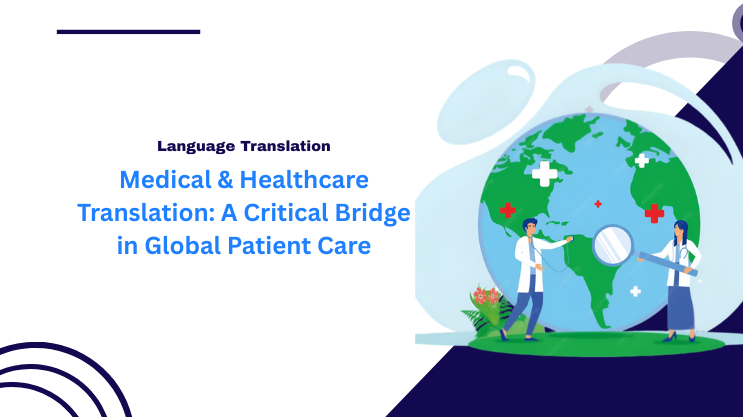
  • Medical & Healthcare Translation: A Critical Bridge in Global Patient Care

    Medical & Healthcare Translation: A Critical Bridge in Global Patient Care

    Healthcare knows no borders. Patients travel for treatment, medical research spans continents, and pharmaceutical products reach global markets. In this interconnected system, medical and healthcare translation acts as a critical bridge—connecting patients, providers, and life-saving information across languages.

    Accuracy in this field isn’t just about quality.
    It’s about patient safety, compliance, and trust.

    Why Medical Translation Is Uniquely High-Risk

    Unlike marketing or general content, medical communication leaves no room for interpretation. A single mistranslated term can lead to misdiagnosis, incorrect treatment, or regulatory consequences.

    Medical translation impacts:

    • Patient records and medical histories
    • Clinical trial documentation
    • Prescriptions and dosage instructions
    • Medical device manuals
    • Pharmaceutical labeling
    • Informed consent forms

    Every word matters—because real lives are involved.

    Supporting Global Patient Care Through Language

    Patients understand and follow medical guidance better when it is delivered in their native language. Clear communication improves outcomes, reduces anxiety, and strengthens trust between patients and healthcare providers.

    Effective medical translation helps:

    • Improve patient comprehension and adherence
    • Reduce medical errors caused by miscommunication
    • Support cross-border healthcare services
    • Enable inclusive, patient-centered care

    Language access is no longer optional—it’s a core component of quality healthcare.

    The Role of Subject-Matter Expertise

    Medical translation requires more than linguistic skill. It demands deep subject-matter knowledge and familiarity with medical terminology, anatomy, pharmacology, and clinical practices.

    Professional medical translators:

    • Specialize in specific medical fields
    • Use standardized medical terminology
    • Follow strict quality control processes
    • Stay updated with medical advancements

    This expertise ensures accuracy, consistency, and clarity across all materials.

    Compliance and Regulatory Accuracy

    Healthcare translation must meet stringent international and regional regulations. Regulatory bodies require precise language, consistent terminology, and documented quality processes.

    Medical translation supports compliance with:

    • FDA, EMA, and other regulatory authorities
    • ISO and healthcare quality standards
    • Local health ministry requirements
    • Clinical trial and pharmacovigilance regulations

    Non-compliant translations can delay approvals, recalls, or market entry.

    Technology Meets Human Expertise

    While translation technology supports speed and consistency, human expertise remains irreplaceable in medical translation. Automated tools alone cannot fully capture medical context or clinical nuance.

    The most effective approach combines:

    • Secure translation technologies
    • Terminology management systems
    • Human medical linguists
    • Multi-step review and validation

    This balance ensures both efficiency and safety.

    Medical Translation Across Key Touchpoints

    Healthcare translation extends across the entire patient and product lifecycle, including:

    • Patient education materials
    • Telemedicine platforms
    • Medical apps and software
    • Clinical research documentation
    • Medical marketing (with regulatory sensitivity)

    Consistency across all touchpoints strengthens global healthcare delivery.

    The Human Impact Behind Every Translation

    At its core, medical translation is about people. It enables patients to understand diagnoses, make informed decisions, and receive safe treatment-regardless of language barriers.

    When done right, medical translation:

    • Saves time
    • Reduces risk
    • Improves patient outcomes
    • Builds trust across borders

    It transforms language into care.

    Final Thoughts

    Medical and healthcare translation is more than a service-it is a responsibility. In a globalized healthcare ecosystem, accurate translation ensures that knowledge travels safely, treatments remain effective, and patient care stays human.

    It is the critical bridge that turns global medicine into accessible care.

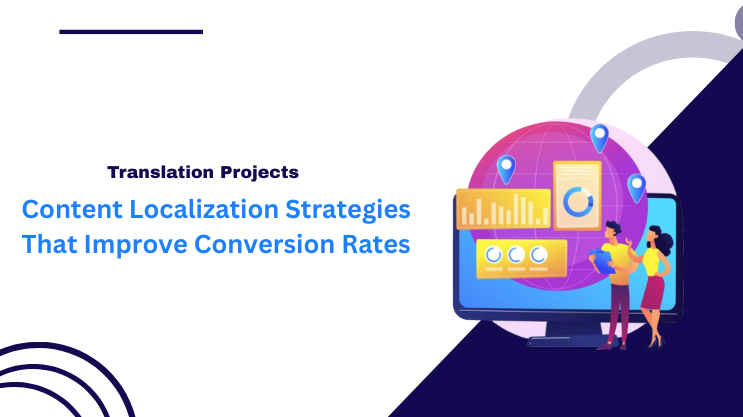
  • Content Localization Strategies That Improve Conversion Rates

    Content Localization Strategies That Improve Conversion Rates

    In today’s global marketplace, businesses cannot rely solely on direct translation to reach international audiences. Effective content localization goes beyond words – it adapts your messaging, visuals, and tone to resonate with local cultures and preferences. For companies aiming to improve conversion rates, localization is no longer optional – it’s a strategic necessity. Honey Translation Service specializes in providing expert localization solutions that help brands connect, engage, and convert across diverse markets.

    Understanding Content Localization

    Content localization is the process of adapting content to meet the linguistic, cultural, and functional expectations of a target audience. Unlike simple translation, localization considers local idioms, cultural sensitivities, currency, date formats, and even color symbolism. For example, a marketing campaign that works in the US may not have the same impact in Japan or the Middle East.

    By employing professional localization services like Honey Translation Service, businesses can ensure that their content feels native to each audience, boosting trust and engagement.

    Why Localization Drives Conversions

    Conversion rates are influenced not only by product quality but also by how well the content speaks to the audience. Research shows that consumers are more likely to make a purchase when content is presented in their native language. Some key benefits include:

    • Increased Engagement: Localized content captures attention and encourages interaction.
    • Enhanced Trust: Culturally relevant messaging builds credibility and reduces hesitation.
    • Higher Retention: Personalized content improves user experience, leading to repeat visits and loyalty.
    • Broader Market Reach: Businesses can tap into new markets without cultural missteps.

    Honey Translation Service ensures that your localized content aligns with local market expectations, helping you achieve measurable improvements in conversion metrics.

    Best Practices for Effective Content Localization

    1. Conduct Market Research

    Understanding the target audience is the foundation of successful localization. Honey Translation Service works with clients to identify cultural nuances, consumer behavior, and preferences, ensuring your content speaks directly to your market.

    2. Adapt Tone and Messaging

    A friendly, informal tone might work well in one country but appear unprofessional in another. Localization experts adjust tone, humor, and style to match local communication norms.

    3. Optimize for SEO in Local Languages

    Keywords vary across regions and languages. Localization isn’t just about translating content—it also includes optimizing for multilingual SEO. Honey Translation Service helps identify high-performing keywords in each market to drive organic traffic.

    4. Localize Visuals and Multimedia

    Images, videos, and icons should reflect cultural relevance. Colors, gestures, and symbols may have different meanings internationally, and localized visuals enhance relatability and engagement.

    5. Test and Iterate

    Localization is an ongoing process. A/B testing and feedback collection help refine messaging for maximum impact. Honey Translation Service provides continuous support to adapt and improve content strategies.

    How Honey Translation Service Enhances Conversion Rates

    Honey Translation Service combines linguistic expertise with a deep understanding of global consumer behavior. Their team ensures that:

    • Every piece of content is culturally and linguistically accurate.
    • SEO strategies are tailored for each target market.
    • Content formats, designs, and messaging align with local expectations.
    • Localization efforts are efficient and scalable across multiple regions.

    By leveraging these services, businesses can increase click-through rates, engagement, and ultimately conversions, turning international interest into revenue.

    Conclusion

    In an increasingly connected world, simply translating content is not enough. Businesses that invest in strategic content localization gain a competitive edge, improve customer experience, and drive higher conversion rates. With Honey Translation Service, companies can confidently expand into global markets while ensuring their messaging resonates authentically with local audiences.

    Localized content is more than a language update – it’s a conversion-boosting strategy that transforms casual visitors into loyal customers.

  • The Future of Real-Time AI-Powered Voice Translation in Business Meetings

    The Future of Real-Time AI-Powered Voice Translation in Business Meetings

    As global teams become the norm, language barriers can slow collaboration and decision-making. Real-time AI-powered voice translation is transforming business meetings by enabling instant, multilingual communication. Advances in artificial intelligence, speech recognition, and natural language processing are shaping a future where global collaboration becomes faster, more inclusive, and more efficient.

    1. Advanced Speech Recognition Accuracy

    Future AI systems will better understand accents, dialects, and natural speech patterns. Improved speech recognition ensures that spoken content is captured accurately, even in fast-paced or informal business conversations.

    2. Context-Aware Translation Capabilities

    AI-powered translation is evolving to recognize context, intent, and industry-specific terminology. This enables more precise and meaningful translations during meetings, reducing misunderstandings and improving clarity.

    3. Seamless Integration with Meeting Platforms

    Real-time voice translation is increasingly embedded into video conferencing and collaboration tools. Built-in multilingual support allows participants to communicate effortlessly without relying on external translation solutions.

    4. Low-Latency Real-Time Processing

    Future technologies focus on minimizing delays between speech and translation. Near-instant processing ensures smoother conversations and more natural interaction during multilingual meetings.

    5. Personalized Language Preferences

    Participants will be able to select preferred languages, accents, and output formats. Personalized translation experiences enhance comfort and engagement for global team members.

    6. Enhanced Security and Data Privacy

    As business meetings often involve sensitive information, future translation tools will emphasize secure data handling and encryption. This ensures confidentiality and compliance with global data protection standards.

    7. Hybrid AI and Human Support Models

    While AI handles real-time translation efficiently, human linguists may provide oversight for complex or high-stakes meetings. Hybrid models balance speed with accuracy and cultural nuance.

    8. Driving Inclusive and Global Collaboration

    Real-time voice translation enables equal participation regardless of language proficiency. Inclusive communication strengthens teamwork, improves decision-making, and supports stronger global business relationships.

    In conclusion, real-time AI-powered voice translation is set to redefine business meetings. By enhancing accuracy, speed, security, and inclusivity, these technologies empower organizations to collaborate seamlessly across languages and borders, paving the way for a more connected global workforce.

  • Legal Translation Essentials Every Law Firm Should Know

    Legal Translation Essentials Every Law Firm Should Know

    In an increasingly global legal environment, law firms are handling contracts, litigation documents, compliance records, and regulatory filings in multiple languages. In such cases, legal translation is not just a linguistic task—it is a high-risk, precision-driven legal service.

    A single mistranslated clause can alter obligations, invalidate agreements, or expose firms to serious legal consequences. Understanding the essentials of legal translation is critical for every law firm operating across borders.

    Why Legal Translation Requires Special Expertise

    Legal language is complex, formal, and highly specific. It relies on established terminology, jurisdictional concepts, and exact wording that often has no direct equivalent in another legal system.

    Legal translation demands:

    • Deep knowledge of legal systems
    • Mastery of legal terminology
    • Awareness of jurisdictional differences
    • Absolute accuracy and consistency

    General translation skills alone are not sufficient.

    1. Accuracy Is Non-Negotiable

    In legal documents, every word carries weight. Small errors can change meaning, intent, or enforceability.

    Key risks of inaccuracy include:

    • Misinterpretation of rights or obligations
    • Contract disputes and litigation
    • Regulatory non-compliance
    • Loss of client trust

    Legal translations must reflect the exact legal intent of the source document-nothing more, nothing less.

    2. Legal Terminology Must Be Consistent

    Legal documents often repeat key terms that must remain consistent throughout the text. Inconsistent terminology can create ambiguity and weaken legal clarity.

    Best practices include:

    • Using approved legal glossaries
    • Maintaining term consistency across documents
    • Avoiding synonyms where precision is required

    Consistency protects clarity and reduces legal risk.

    3. Understanding Jurisdictional Differences

    Legal systems vary widely across countries. A concept in one jurisdiction may not exist-or may function differently—in another.

    Examples include differences in:

    • Contract law structures
    • Corporate governance terms
    • Labor and employment regulations
    • Court procedures and legal remedies

    Legal translators must understand both the source and target legal systems to avoid misleading interpretations.

    4. Confidentiality and Data Security Are Critical

    Legal documents often contain sensitive, confidential, or privileged information.

    Law firms should ensure:

    • Strict confidentiality agreements
    • Secure file handling and storage
    • Controlled access to documents
    • Compliance with data protection regulations

    Trust is fundamental in legal translation partnerships.

    5. Formatting and Legal Layout Matter

    Legal documents follow strict formatting conventions. Poor formatting can affect readability, acceptance, or official use.

    Important considerations include:

    • Preserving original structure and numbering
    • Correct formatting of clauses, footnotes, and references
    • Compliance with court or regulatory submission standards

    This is where professional DTP and legal formatting expertise become essential.

    6. Certified and Sworn Translations

    Many legal documents require certified or sworn translations for official use.

    Law firms should know:

    • When certification is required
    • Which authorities recognize sworn translations
    • Country-specific certification standards

    Using the wrong type of translation can result in rejection by courts or authorities.

    7. Quality Assurance and Legal Review

    Legal translation should always include multiple quality checks.

    A robust process includes:

    • Translation by a legal subject-matter expert
    • Independent review or proofreading
    • Terminology and consistency checks
    • Final formatting verification

    Quality assurance minimizes risk and ensures reliability.

    Choosing the Right Legal Translation Partner

    Law firms should work with providers who offer:

    • Specialized legal translators
    • Experience in relevant jurisdictions
    • Strong confidentiality protocols
    • End-to-end language and DTP support

    A trusted translation partner becomes an extension of the legal team.

    Final Thoughts

    Legal translation is not just about converting text between languages-it’s about preserving legal meaning, intent, and enforceability.

    For law firms operating globally, understanding these legal translation essentials is key to protecting clients, managing risk, and maintaining professional integrity.