Tag: #MultilingualWebsite

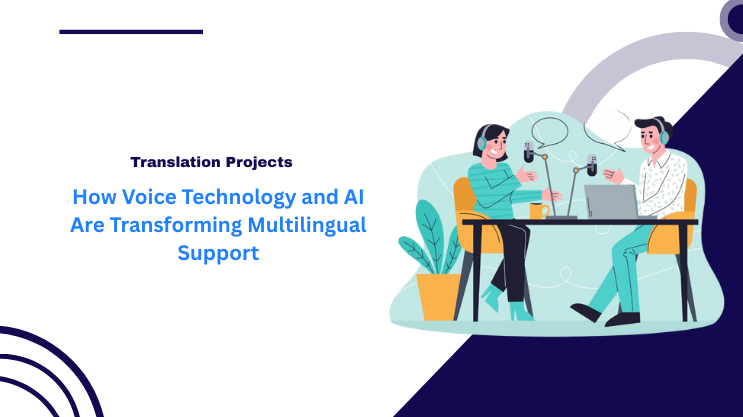
  • How Voice Technology and AI Are Transforming Multilingual Support

    How Voice Technology and AI Are Transforming Multilingual Support

    Advancements in voice technology and artificial intelligence (AI) are revolutionizing the way businesses provide multilingual support. By combining speech recognition, natural language processing, and machine learning, organizations can offer faster, more accurate, and highly personalized support to global customers. These innovations enhance user experience, reduce operational costs, and break down language barriers in real time.

    1. Real-Time Voice Translation

    AI-powered voice translation allows customers and support agents to communicate instantly in different languages. This technology facilitates live conversations without delays, enabling businesses to serve international clients more efficiently and effectively.

    2. AI Chatbots with Multilingual Capabilities

    Modern AI chatbots can understand and respond in multiple languages, providing instant assistance 24/7. By handling routine inquiries and support tickets, multilingual chatbots improve response times and free human agents for more complex tasks.

    3. Natural Language Processing for Contextual Understanding

    AI systems use natural language processing (NLP) to understand context, intent, and sentiment in customer interactions. This ensures that responses are accurate, relevant, and culturally appropriate, improving customer satisfaction across languages.

    4. Speech Recognition for Hands-Free Support

    Voice recognition technology allows customers to interact with support systems hands-free. Users can speak their queries in their native language, and AI interprets and responds accurately, enhancing accessibility and convenience.

    5. Personalized Multilingual Customer Experience

    AI analyzes customer data and interaction history to provide tailored responses in the preferred language. Personalized support strengthens engagement, builds trust, and encourages brand loyalty in global markets.

    6. Scalability and Cost Efficiency

    Voice technology and AI enable businesses to handle a high volume of multilingual support requests without significantly increasing operational costs. Automated systems scale easily to meet growing international demand.

    7. Integration with Omnichannel Support Platforms

    AI-driven multilingual support can be integrated across channels such as websites, mobile apps, social media, and call centers. This ensures consistent and seamless support experiences, regardless of the platform used by customers.

    8. Continuous Improvement Through Machine Learning

    AI systems learn from each interaction, improving accuracy and response quality over time. Machine learning helps multilingual support evolve with changing customer needs and emerging languages, keeping businesses ahead in global customer service.

    In conclusion, voice technology and AI are transforming multilingual support by making it faster, more accurate, and more personalized. By leveraging these tools, businesses can provide seamless international customer experiences, strengthen global relationships, and maintain a competitive edge in an increasingly connected world.

  • How Localization Enhances Cross-Border Digital Marketing Campaigns

    How Localization Enhances Cross-Border Digital Marketing Campaigns

    Expanding digital marketing campaigns across borders requires more than translating content—it demands localization. Localization adapts messaging, visuals, and user experiences to align with the cultural, linguistic, and behavioral preferences of each target market. By integrating localization into digital marketing strategies, businesses can increase engagement, improve conversion rates, and build lasting relationships with international audiences.

    1. Tailoring Messaging for Local Audiences

    Localized campaigns use language, tone, and expressions that resonate with regional audiences. Adapting content to reflect local idioms, humor, and cultural references helps brands connect emotionally and improves audience receptiveness.

    2. Adapting Visual and Multimedia Elements

    Images, colors, symbols, and design elements may carry different meanings across cultures. Localization ensures that visuals are culturally appropriate, enhancing engagement and preventing misunderstandings in marketing materials.

    3. Optimizing for Regional Search Engines

    Localized SEO involves researching and using region-specific keywords, meta tags, and content strategies. Optimizing digital assets for local search engines increases visibility and attracts qualified traffic from each target market.

    4. Customizing Social Media Campaigns

    Social media platforms and user behaviors vary by region. Localization helps brands create platform-specific content, post at optimal times, and engage audiences in a culturally relevant manner, maximizing reach and interaction.

    5. Improving User Experience Across Channels

    From websites and landing pages to email campaigns and mobile apps, localized content ensures a seamless user experience. Consistent and relevant experiences increase trust, reduce bounce rates, and drive conversions.

    6. Supporting Multilingual Customer Engagement

    Localized communication extends to customer support, chatbots, and interactive campaigns. Offering assistance in local languages builds trust, enhances satisfaction, and encourages long-term loyalty.

    7. Enhancing Campaign Metrics and ROI

    Localization increases campaign relevance, leading to higher click-through rates, engagement, and conversions. By measuring and optimizing localized content performance, marketers can maximize ROI in each international market.

    8. Building Stronger Global Brand Identity

    Consistent, culturally adapted messaging strengthens brand credibility and recognition across regions. Localization helps maintain brand values while making the brand feel relatable and trustworthy to diverse audiences.

    In conclusion, localization is a key driver of success for cross-border digital marketing campaigns. By tailoring messaging, visuals, SEO, and engagement strategies to local markets, businesses can create more effective campaigns, foster stronger connections, and achieve sustainable growth in global markets.

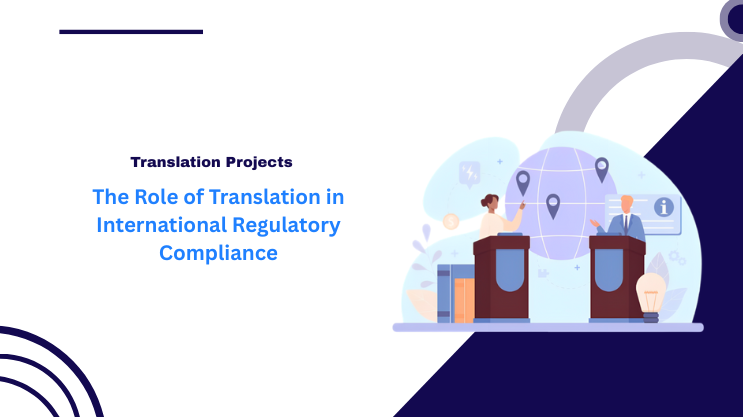
  • The Role of Translation in International Regulatory Compliance

    The Role of Translation in International Regulatory Compliance

    Operating in global markets requires businesses to comply with a variety of local laws, regulations, and industry standards. Accurate translation of regulatory documents, contracts, and compliance materials is essential to avoid legal issues, financial penalties, and reputational damage. Professional translation ensures that organizations meet legal requirements across multiple jurisdictions while maintaining clarity and precision.

    1. Translating Legal and Regulatory Documents

    Regulatory compliance often involves complex legal documents, standards, and guidelines. Accurate translation ensures that businesses understand local requirements fully, minimizing the risk of non-compliance and potential penalties.

    2. Maintaining Consistency Across Jurisdictions

    Multinational organizations operate in multiple countries with varying regulations. Translation services help maintain consistency in policies, procedures, and reporting standards, ensuring all branches adhere to local legal frameworks.

    3. Ensuring Accuracy in Financial Reporting

    Financial statements, audit reports, and tax documents must be accurately translated to meet international accounting standards and regulatory requirements. Precise translation prevents misunderstandings and ensures transparency with authorities.

    4. Supporting Product Labeling and Documentation Compliance

    Products sold internationally must comply with local labeling, packaging, and instruction requirements. Translation of manuals, safety warnings, and labels ensures that products meet regulatory standards and protect consumer safety.

    5. Facilitating Cross-Border Contracts and Agreements

    Business contracts, partnership agreements, and licensing documents require precise translation to prevent legal disputes. Professional translators ensure that all contractual terms are clear and enforceable in multiple languages.

    6. Translating Compliance Training Materials

    Organizations must educate employees about local regulations and compliance policies. Translating training materials into relevant languages ensures that staff across regions understand legal obligations and follow standardized procedures.

    7. Mitigating Legal and Reputational Risks

    Errors in regulatory translation can result in fines, lawsuits, or damage to brand reputation. Professional language services reduce these risks by providing accurate, culturally appropriate, and legally sound translations.

    8. Leveraging Technology for Compliance Translation

    Translation management systems, terminology databases, and AI-assisted tools help streamline regulatory translation projects. These technologies ensure consistency, efficiency, and traceability, which are critical for audits and compliance verification.

    In conclusion, translation plays a vital role in international regulatory compliance. By delivering precise, consistent, and legally accurate translations, businesses can navigate complex global regulations, minimize risks, and operate confidently across multiple markets.

  • How Multilingual Content Shapes Global Customer Experience

    How Multilingual Content Shapes Global Customer Experience

    In an increasingly connected world, delivering a seamless global customer experience requires more than just offering products or services internationally. Multilingual content plays a pivotal role in ensuring that customers feel understood, valued, and engaged. By communicating in local languages, businesses can enhance user satisfaction, build trust, and drive loyalty across diverse markets.

    1. Building Connection Through Native Language Communication

    Customers respond positively when brands communicate in their native language. Multilingual content creates familiarity and comfort, helping users feel acknowledged and understood, which strengthens the emotional connection with the brand.

    2. Improving Clarity and Reducing Misunderstandings

    Accurate translation of product descriptions, instructions, policies, and support materials reduces confusion. Clear communication helps customers make informed decisions, preventing frustration and enhancing overall satisfaction.

    3. Enhancing Personalization and Engagement

    Localized content allows businesses to tailor messaging to local preferences, cultural references, and communication styles. Personalized experiences increase engagement, making customers more likely to interact with content, make purchases, and return to the brand.

    4. Supporting Seamless Multichannel Experiences

    From websites and apps to emails and social media, consistent multilingual content across all channels ensures that customers receive a cohesive experience. This uniformity strengthens brand perception and makes interactions smoother.

    5. Building Trust and Credibility

    Investing in high-quality multilingual content demonstrates professionalism and commitment to international customers. When brands communicate accurately and respectfully, it builds credibility and encourages long-term trust.

    6. Enabling Global Customer Support

    Providing support in multiple languages allows customers to resolve queries efficiently. Multilingual FAQs, chat support, and help guides enhance the service experience, making customers feel valued and understood.

    7. Driving Conversions and Customer Loyalty

    When users can navigate, understand, and interact with content in their own language, they are more likely to complete purchases and remain loyal. Multilingual content directly contributes to higher conversion rates and long-term customer retention.

    8. Adapting to Cultural Nuances and Local Expectations

    Beyond language, content localization considers cultural norms, idioms, and expectations. Adapting content to fit local context ensures relevance, avoids misinterpretation, and enhances the overall user experience.

    In conclusion, multilingual content is a key driver of global customer experience. By prioritizing clarity, personalization, and cultural adaptation, businesses can build trust, engage effectively with international audiences, and foster loyalty that spans markets worldwide.

  • The Role of Language Services in Global Crisis Communication

    The Role of Language Services in Global Crisis Communication

    In times of global crises, clear and accurate communication is critical for organizations to maintain trust, provide timely information, and coordinate effective responses. Language services, including translation, interpretation, and localization, play a pivotal role in ensuring messages reach diverse audiences quickly and accurately. By bridging language barriers, these services help organizations manage risks, protect reputations, and deliver essential guidance worldwide.

    1. Ensuring Accurate Information Dissemination

    During a crisis, miscommunication can lead to confusion, panic, or misinformation. Professional translation and interpretation services ensure that official updates, instructions, and alerts are conveyed accurately in multiple languages, maintaining clarity for all stakeholders.

    2. Reaching Global Audiences Effectively

    Global crises often impact people across different regions and linguistic groups. Language services enable organizations to communicate critical information to employees, customers, partners, and the public, ensuring no audience is left uninformed.

    3. Supporting Emergency Response Coordination

    Accurate multilingual communication is essential for coordinating international relief efforts, logistics, and emergency operations. Language services facilitate collaboration among governments, NGOs, and corporate teams across borders.

    4. Protecting Brand Reputation and Public Trust

    Organizations that communicate effectively in multiple languages during crises demonstrate responsibility and empathy. Clear, culturally sensitive messaging helps preserve brand reputation, maintain public trust, and mitigate potential backlash.

    5. Adapting Messages for Cultural Sensitivity

    Crisis communication requires not only accuracy but also cultural awareness. Language experts localize messages to respect cultural norms and communication styles, ensuring that guidance is well-received and actionable.

    6. Real-Time Interpretation for Press Conferences and Briefings

    During rapidly evolving situations, real-time interpretation enables international media, stakeholders, and audiences to access updates instantly. This facilitates transparency and strengthens the credibility of the organization’s response.

    7. Translating Digital and Social Media Content

    Digital platforms are critical for crisis communication. Multilingual translation of websites, social media posts, emails, and alerts ensures timely information reaches global audiences wherever they are.

    8. Preparing Crisis Communication Plans in Multiple Languages

    Proactive preparation of multilingual crisis communication templates and strategies allows organizations to respond quickly and efficiently, minimizing delays and ensuring consistent messaging across all regions.

    In conclusion, language services are indispensable for effective global crisis communication. By delivering accurate, culturally sensitive, and timely messages, organizations can manage emergencies more effectively, safeguard public trust, and maintain operational continuity across international markets.

  • Why Cultural Context Matters in Multilingual Advertising

    Why Cultural Context Matters in Multilingual Advertising

    Advertising to global audiences requires more than simply translating words. Cultural context plays a critical role in ensuring that messages resonate, evoke the intended emotions, and avoid misunderstandings. Multilingual advertising that respects local culture strengthens brand perception, builds trust, and drives engagement in international markets.

    1. Avoiding Miscommunication and Misinterpretation

    Literal translations can lead to confusing or offensive messaging. Understanding cultural norms, idioms, and values ensures that advertising communicates the intended message accurately and avoids potential backlash.

    2. Connecting Emotionally with Local Audiences

    Cultural adaptation allows brands to appeal to local emotions, humor, and traditions. When advertising reflects familiar cultural elements, audiences feel understood and are more likely to engage with the brand.

    3. Aligning Visuals with Cultural Preferences

    Colors, imagery, and design elements have different meanings across cultures. Localizing visuals ensures that advertisements are culturally appropriate, visually appealing, and reinforce the brand’s message.

    4. Tailoring Messaging to Local Values and Beliefs

    Cultural values influence how audiences perceive products and services. Ads that align with local beliefs and priorities demonstrate respect and relevance, improving credibility and brand trust.

    5. Enhancing Campaign Effectiveness Across Markets

    Culturally aware advertising campaigns achieve higher engagement, recall, and conversion rates. Adapting slogans, promotions, and storytelling for each market ensures that campaigns resonate and deliver results.

    6. Strengthening Brand Identity Globally

    Brands that demonstrate cultural sensitivity are perceived as professional and trustworthy. Multilingual advertising that integrates local context helps maintain a consistent yet locally relevant global brand image.

    7. Navigating Legal and Social Considerations

    Different regions have varying advertising regulations and social norms. Understanding cultural context helps brands avoid legal issues and ensures messaging adheres to regional standards.

    8. Building Long-Term Customer Loyalty

    Culturally sensitive advertising fosters trust and connection with local audiences. Customers are more likely to remain loyal to brands that understand and respect their culture, creating long-term engagement and advocacy.

    In conclusion, cultural context is essential for successful multilingual advertising. By adapting language, visuals, and messaging to local norms and values, brands can avoid missteps, connect emotionally, and strengthen their global presence while driving meaningful results.

  • Translation and Localization Challenges in Emerging Technologies

    Translation and Localization Challenges in Emerging Technologies

    Emerging technologies like AI, IoT, VR/AR, and blockchain are transforming industries worldwide. As these technologies reach global markets, translation and localization become critical for adoption, usability, and user satisfaction. However, these innovative platforms present unique challenges for linguists and localization experts, requiring specialized strategies to ensure accurate and culturally relevant communication.

    1. Rapidly Evolving Terminology

    Emerging technologies introduce new concepts and jargon regularly. Translators must keep up with constantly changing terminology to maintain accuracy and consistency across languages and platforms.

    2. Technical Complexity and Precision

    Innovative technologies often involve complex instructions, interfaces, or protocols. Localization requires a deep understanding of technical details to ensure that translations convey precise meaning without causing confusion or errors.

    3. Multimodal Content Adaptation

    Emerging tech platforms use text, audio, video, and interactive elements. Translators must adapt content across multiple formats, ensuring consistency in messaging while maintaining usability and user experience.

    4. Cultural Sensitivity in User Interfaces

    Technologies like AI assistants or VR environments need culturally appropriate UI/UX design. Symbols, gestures, colors, and examples must be localized to avoid misinterpretation and enhance user engagement.

    5. Integration with AI and Machine Translation Tools

    While AI can accelerate localization, emerging technologies often require context-aware translation that machines alone cannot provide. Human oversight is necessary to ensure clarity, tone, and cultural relevance.

    6. Ensuring Compliance and Legal Accuracy

    Emerging tech often involves sensitive data, privacy regulations, and regional compliance requirements. Translating legal disclaimers, user agreements, and safety instructions accurately is critical to avoid legal and ethical risks.

    7. Handling Multilingual Voice and Speech Interfaces

    Voice-controlled AI, IoT devices, and virtual assistants require precise speech translation and recognition in multiple languages. Dialects, accents, and idiomatic expressions pose challenges for accurate voice localization.

    8. Maintaining Consistency Across Global Platforms

    Emerging tech products often span multiple regions and platforms. Consistent terminology, tone, and messaging across apps, devices, and documentation are vital for brand trust and user satisfaction.

    In conclusion, translation and localization in emerging technologies face unique challenges due to technical complexity, cultural nuances, and evolving language needs. Combining skilled human translators with AI-powered tools and careful quality control ensures that innovative products are accessible, understandable, and engaging for global users.

  • Why Multilingual Voice Over Feels More Trustworthy Than Subtitles

    Why Multilingual Voice Over Feels More Trustworthy Than Subtitles

    As global content consumption grows, brands and creators must decide how best to communicate across languages. While subtitles are widely used, multilingual voice over often feels more trustworthy and engaging to audiences. The human voice adds emotion, clarity, and cultural familiarity-elements that subtitles alone cannot fully deliver.

    1. The Human Voice Builds Immediate Trust

    Hearing information in one’s native language creates an instant sense of comfort and credibility. Voice over allows audiences to focus on the message without the effort of reading, fostering a more natural and personal connection.

    Why this matters:

    • Creates emotional resonance
    • Feels conversational and human
    • Builds confidence in the message

    2. Improves Comprehension and Retention

    Not all viewers read at the same speed or proficiency level. Voice over ensures that information is delivered clearly and evenly, reducing the risk of misinterpretation.

    Key benefits:

    • Easier understanding of complex ideas
    • Better message retention
    • Inclusive for wider audiences

    3. Enhances Cultural Familiarity

    Professional multilingual voice over uses local accents, tone, and expressions that resonate with regional audiences. This cultural alignment makes content feel authentic rather than foreign.

    Impact:

    • Stronger local connection
    • Higher engagement levels
    • Greater audience acceptance

    4. Reduces Cognitive Load

    Reading subtitles while watching visuals requires multitasking. Voice over allows viewers to fully engage with visuals while absorbing the message naturally through audio.

    Result:

    • More immersive experience
    • Improved viewer attention
    • Stronger emotional impact

    5. Strengthens Brand Credibility

    Brands that invest in professional multilingual voice over demonstrate commitment to quality and audience experience. This attention to detail reinforces trust and professionalism.

    Brand advantages:

    • Premium content perception
    • Enhanced brand trust
    • Improved global brand image

    Conclusion

    While subtitles are useful, multilingual voice over delivers a more immersive, trustworthy, and human experience. By speaking directly to audiences in their native language, brands build stronger emotional connections, improve comprehension, and elevate their global content strategy. In a world driven by connection, the power of voice should never be underestimated.

  • Why Bilingual Employees Are Not Professional Interpreters

    Why Bilingual Employees Are Not Professional Interpreters

    Many organizations assume that having bilingual employees is enough to handle interpretation needs. While bilingualism is a valuable skill, it does not automatically qualify someone to serve as a professional interpreter. Interpretation is a specialized profession that requires extensive training, experience, and ethical responsibility-especially in high-stakes business, legal, or medical settings.

    1. Speaking Two Languages Is Not the Same as Interpreting

    Bilingual employees can communicate in two languages, but interpretation involves real-time, accurate conversion of spoken language, often under pressure. Interpreters must listen, process, and convey meaning instantly without altering intent or tone.

    Key difference:

    • Bilingualism = language ability
    • Interpretation = professional skill

    2. Interpreting Requires Specialized Training

    Professional interpreters are trained in techniques such as simultaneous and consecutive interpretation, note-taking, memory retention, and terminology management. These skills are not typically part of everyday bilingual communication.

    Why training matters:

    • Ensures accuracy under pressure
    • Maintains clarity and flow
    • Prevents omissions or distortions

    3. Understanding Industry-Specific Terminology

    Interpreters often work in specialized fields such as healthcare, law, finance, or technology. They must be fluent in technical terminology in both languages and understand context to avoid critical errors.

    Business advantage:

    • Accurate delivery of complex information
    • Reduced risk of misunderstandings
    • Higher communication reliability

    4. Maintaining Neutrality and Ethics

    Professional interpreters follow strict ethical standards, including confidentiality, neutrality, and accuracy. Bilingual employees may unintentionally add personal opinions, filter information, or feel pressured due to internal roles.

    Professional standards include:

    • Confidentiality assurance
    • Impartial communication
    • Ethical accountability

    5. Reducing Risk and Protecting Relationships

    Using untrained interpreters can lead to misunderstandings, legal risks, and strained relationships. Professional interpreters protect organizations by ensuring precise and unbiased communication.

    Risk reduction through:

    • Clear and accurate messaging
    • Fewer communication errors
    • Stronger trust with global partners

    Conclusion

    While bilingual employees are valuable assets, they are not substitutes for professional interpreters. Interpretation requires specialized skills, training, and ethical responsibility. For critical conversations and global interactions, investing in professional interpretation ensures accuracy, professionalism, and confidence-protecting both relationships and business outcomes.

  • How Language Localization Improves Customer Lifetime Value

    How Language Localization Improves Customer Lifetime Value

    Customer Lifetime Value (CLV) is a critical metric for measuring long-term business success. Language localization plays a significant role in enhancing CLV by creating personalized, culturally relevant experiences that keep customers engaged, satisfied, and loyal. By communicating in the customer’s native language, businesses can increase retention, encourage repeat purchases, and foster long-term relationships.

    1. Building Trust Through Clear Communication

    Customers are more likely to trust brands that communicate in their native language. Clear, localized messaging reduces misunderstandings, enhances confidence in the brand, and encourages ongoing engagement, contributing to higher CLV.

    2. Enhancing User Experience Across Touchpoints

    From websites and apps to emails and customer support, localized content ensures a consistent and intuitive experience. A smooth, culturally adapted journey increases satisfaction and encourages repeat interactions, directly impacting customer lifetime value.

    3. Encouraging Repeat Purchases

    Localized marketing campaigns, product descriptions, and promotions make customers feel understood and valued. This personalized approach increases the likelihood of repeat purchases, boosting overall CLV.

    4. Improving Customer Support and Retention

    Providing support in the customer’s preferred language helps resolve issues quickly and effectively. Satisfied customers are more likely to remain loyal, reducing churn and increasing their lifetime value to the business.

    5. Strengthening Emotional Connection with the Brand

    Language conveys emotion and nuance. Localization allows brands to communicate in ways that resonate culturally and emotionally, fostering deeper connections and loyalty, which enhances CLV over time.

    6. Expanding Engagement Through Multichannel Localization

    From social media to email newsletters and push notifications, localized content across multiple channels keeps customers engaged consistently. Continuous engagement encourages long-term relationships and increases lifetime value.

    7. Enhancing Brand Perception and Credibility

    Brands that invest in high-quality localization are perceived as professional, reliable, and customer-centric. Positive brand perception encourages loyalty and repeat business, directly contributing to higher CLV.

    8. Supporting Long-Term Global Growth

    By localizing content for different regions, businesses can retain international customers more effectively. Higher retention in multiple markets contributes to sustainable growth and maximizes lifetime value globally.

    In conclusion, language localization is a powerful strategy for improving customer lifetime value. By fostering trust, enhancing user experience, and creating culturally relevant engagement, businesses can cultivate loyal, long-term customers and achieve sustainable growth across global markets.