Tag: #MarksheetTranslation

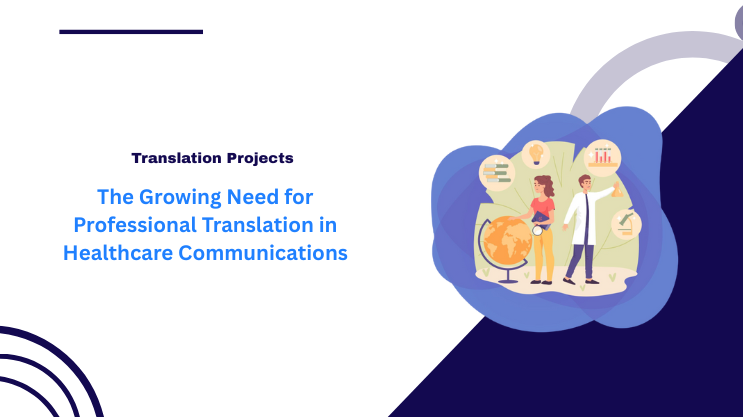
  • The Growing Need for Professional Translation in Healthcare Communications

    The Growing Need for Professional Translation in Healthcare Communications

    In today’s global healthcare environment, accurate communication is critical. Patients, medical professionals, and organizations rely on precise information to ensure safety, compliance, and effective care. Professional translation in healthcare goes beyond literal word-for-word translation—it requires expertise in medical terminology, cultural sensitivity, and regulatory knowledge. High-quality translations improve patient outcomes, reduce errors, and support global healthcare operations.

    1. Ensuring Patient Safety

    Accurate translation of medical instructions, prescriptions, consent forms, and diagnostic reports is essential to prevent misunderstandings that could lead to medical errors. Professional translators ensure clarity, minimizing risks and safeguarding patient health.

    2. Maintaining Compliance with Regulations

    Healthcare communications must comply with local and international regulations, including HIPAA, GDPR, and other medical standards. Professional translators are trained to adhere to these guidelines, ensuring that all documentation meets legal and ethical requirements.

    3. Facilitating Access to Multilingual Patient Care

    Patients often speak multiple languages or may not be fluent in the local language. Translating patient education materials, discharge instructions, and informational brochures enables healthcare providers to deliver equitable care and improve patient satisfaction.

    4. Supporting Clinical Trials and Research

    Global clinical trials require accurate translation of protocols, informed consent forms, and study materials. Professional translation ensures that participants understand procedures, risks, and benefits, maintaining ethical standards and research integrity.

    5. Translating Complex Medical Terminology Accurately

    Medical content includes specialized terminology that must be understood precisely. Professional translators with healthcare expertise can interpret complex terms correctly, ensuring that information is clear and consistent across languages.

    6. Enhancing Telemedicine and Digital Health Communication

    As telemedicine grows, multilingual digital platforms are essential for remote consultations, patient portals, and online resources. Professional translation ensures that digital health communication is reliable and accessible to global users.

    7. Strengthening Healthcare Marketing and Outreach

    Hospitals, clinics, and pharmaceutical companies require localized marketing and educational materials to connect with international audiences. Professional translation ensures messages are culturally appropriate and maintain brand credibility.

    8. Building Trust with Patients and Communities

    Accurate and culturally sensitive translation fosters trust between healthcare providers and patients. When patients feel understood and respected, they are more likely to follow treatment plans, engage with services, and maintain long-term relationships with healthcare organizations.

    In conclusion, professional translation in healthcare communications is no longer optional—it is a necessity for ensuring patient safety, regulatory compliance, and effective global healthcare delivery. By investing in expert translation services, healthcare organizations can improve outcomes, enhance accessibility, and build trust across diverse populations.

  • Why Multilingual UX Writing Matters for Global Products

    Why Multilingual UX Writing Matters for Global Products

    As digital products expand into global markets, user experience (UX) becomes a critical factor in success. UX writing-microcopy such as buttons, instructions, error messages, and onboarding text-guides users through digital experiences. When products are used by international audiences, multilingual UX writing ensures clarity, usability, and engagement across languages and cultures.

    1. Improving Usability for Global Users

    Users understand and navigate products more easily when instructions and interface text are in their native language. Multilingual UX writing removes confusion, reduces friction, and helps users complete tasks confidently, leading to a smoother overall experience.

    2. Reducing User Errors and Drop-Off Rates

    Clear, localized UX copy minimizes misunderstandings in forms, navigation, and system messages. When users fully understand what actions to take, error rates decrease and completion rates improve, directly impacting product performance and retention.

    3. Reflecting Cultural Communication Styles

    Different cultures respond to tone, formality, and phrasing in unique ways. Multilingual UX writing adapts microcopy to match local communication styles, ensuring the interface feels natural, respectful, and user-friendly in every market.

    4. Strengthening Brand Voice Across Markets

    UX writing is a key expression of a brand’s personality. Consistent yet localized UX copy ensures the brand voice remains recognizable across languages while being culturally appropriate, reinforcing trust and brand identity globally.

    5. Enhancing Accessibility and Inclusivity

    Multilingual UX writing supports accessibility by making digital products usable for a broader audience. Clear language, simple phrasing, and localized terminology ensure inclusivity for users with different language backgrounds and proficiency levels.

    6. Supporting Seamless Onboarding Experiences

    First impressions matter. Localized onboarding messages, tutorials, and prompts help users understand product value quickly. Multilingual UX writing ensures that new users feel welcomed and guided from the first interaction.

    7. Optimizing Conversion and Engagement

    Well-crafted UX copy influences user decisions. Localized calls-to-action, confirmations, and prompts increase engagement and conversions by speaking directly to users in a way that feels familiar and persuasive.

    8. Enabling Scalable Global Product Growth

    As products scale internationally, multilingual UX writing provides a structured approach to managing multiple languages. Using style guides, glossaries, and consistent UX standards allows teams to expand efficiently without compromising quality.

    In conclusion, multilingual UX writing is essential for creating intuitive, inclusive, and engaging global products. By prioritizing clear communication, cultural relevance, and consistent brand voice, businesses can deliver superior user experiences that drive adoption, loyalty, and long-term success worldwide.

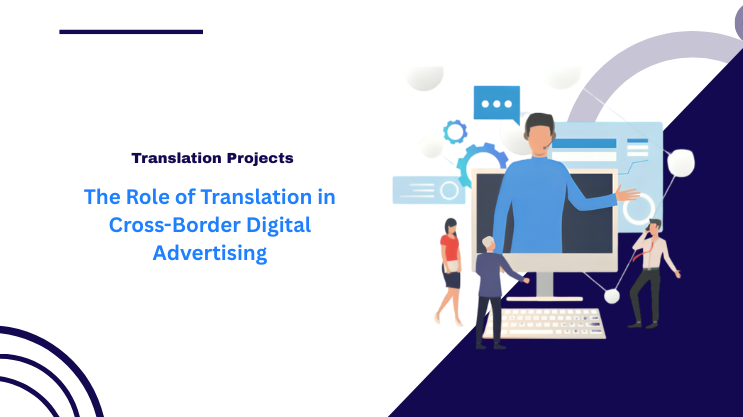
  • The Role of Translation in Cross-Border Digital Advertising

    The Role of Translation in Cross-Border Digital Advertising

    As businesses expand beyond domestic markets, digital advertising has become a powerful tool for reaching global audiences. However, successful cross-border digital advertising depends heavily on accurate and culturally relevant translation. Translation plays a critical role in ensuring that advertising messages are understood, trusted, and effective across different languages and regions.

    1. Connecting with Global Audiences in Their Language

    Consumers are more likely to engage with ads that speak their native language. Translation allows brands to communicate clearly and directly, making messages more relatable and increasing the chances of clicks, engagement, and conversions in international markets.

    2. Preserving Brand Voice and Messaging

    Digital ads must reflect a brand’s tone, personality, and values consistently across languages. Professional translation ensures that slogans, taglines, and calls to action retain their intended impact without sounding unnatural or losing meaning.

    3. Adapting Content for Cultural Relevance

    Cross-border advertising requires cultural sensitivity. Translation involves adapting expressions, visuals, and references to align with local customs and preferences. This prevents misunderstandings and helps ads resonate with regional audiences.

    4. Optimizing Ads for Multilingual SEO and Paid Search

    Translated ad content must align with local keywords and search behavior. Effective translation supports multilingual SEO and improves the performance of paid campaigns on platforms like Google Ads and social media, leading to better reach and return on investment.

    5. Enhancing User Experience Across Landing Pages

    Digital ads often lead users to landing pages. Consistent translation across ads and landing pages ensures a seamless user experience, reduces bounce rates, and increases the likelihood of conversions in global campaigns.

    6. Supporting Platform-Specific Advertising Requirements

    Different digital platforms have unique content guidelines and audience expectations. Translation ensures ad copy fits character limits, tone, and format requirements while remaining effective in each language.

    7. Building Trust and Brand Credibility

    Well-translated ads demonstrate professionalism and respect for international audiences. Clear and accurate messaging builds trust, making consumers more confident in engaging with a brand and its offerings.

    8. Measuring and Improving Campaign Performance

    Accurate translation allows marketers to test, analyze, and optimize ad performance across regions. Consistent messaging enables better comparison of results and helps refine strategies for future cross-border campaigns.

    In conclusion, translation is a vital component of successful cross-border digital advertising. By ensuring clarity, cultural relevance, and consistency, professional translation helps brands connect with global audiences, enhance campaign performance, and achieve sustainable international growth.

  • Translation Challenges in Marketing and Advertising Content

    Translation Challenges in Marketing and Advertising Content

    Marketing and advertising content plays a critical role in shaping a brand’s image and engaging customers. When expanding globally, translating this content requires more than literal language conversion. Translators must balance accuracy, cultural relevance, and creativity to ensure the brand message resonates with diverse audiences. Understanding the challenges in this process helps businesses achieve successful international campaigns.

    1. Maintaining Brand Voice and Tone

    Marketing content carries a specific tone and personality that reflects the brand. Translators must preserve this voice across languages while adapting to local cultural nuances. A mismatch in tone can dilute the brand image or confuse the audience.

    2. Handling Idioms, Slang, and Humor

    Slogans, jokes, and idiomatic expressions often do not have direct equivalents in other languages. Translators must find creative solutions to maintain the original message’s impact without losing meaning or cultural sensitivity.

    3. Adapting Visual and Multimedia Elements

    Marketing is not just about words—images, colors, and graphics often convey significant meaning. Visuals may need to be adjusted for cultural appropriateness, ensuring the campaign is well-received in different regions.

    4. Meeting Legal and Regulatory Requirements

    Advertising laws vary by country, and certain claims or terminology may be restricted. Translators must understand local regulations to avoid legal issues and ensure compliance while maintaining the campaign’s effectiveness.

    5. Balancing Creativity and Accuracy

    Marketing content often uses creative language, rhymes, or wordplay. Translators face the challenge of keeping this creativity intact while ensuring the message is clear and accurate in the target language.

    6. Localizing Calls-to-Action (CTAs)

    Effective CTAs differ across cultures. A phrase that motivates action in one country may not resonate in another. Translators must adapt CTAs to encourage engagement while aligning with local communication styles.

    7. Optimizing for Multilingual SEO

    Translated content must also be optimized for search engines in each target market. Keywords, meta tags, and headings need localization to maintain visibility and drive traffic to the campaign.

    8. Coordinating Across Teams and Platforms

    Global marketing campaigns involve multiple stakeholders, including designers, marketers, and translators. Ensuring consistent messaging across languages and platforms requires effective collaboration and project management.

    In conclusion, translating marketing and advertising content presents unique challenges that go beyond language. By understanding cultural nuances, maintaining brand voice, and combining creativity with accuracy, businesses can create compelling campaigns that engage audiences and strengthen their global presence.

  • How Multilingual Content Improves Conversion Rates

    How Multilingual Content Improves Conversion Rates

    In today’s global marketplace, businesses that communicate in their customers’ native languages gain a significant competitive advantage. Multilingual content not only increases reach but also builds trust, enhances user experience, and ultimately drives higher conversion rates. By delivering content that resonates with diverse audiences, companies can engage users more effectively and encourage them to take action.

    1. Building Trust Through Native Language Communication

    Customers are more likely to trust a brand that speaks their language. Multilingual content conveys professionalism and respect for local audiences, fostering a sense of reliability and credibility that encourages users to convert.

    2. Enhancing User Experience

    Content presented in a user’s native language improves comprehension and reduces confusion. Clear product descriptions, intuitive navigation, and localized calls-to-action make the user journey smoother, increasing the likelihood of purchases, sign-ups, or other desired actions.

    3. Increasing Engagement with Targeted Messaging

    Localized content allows businesses to tailor messages to cultural preferences and local market trends. Engaging content that reflects local interests and values keeps users on the site longer, which positively impacts conversion rates.

    4. Reducing Bounce Rates

    Visitors who encounter content in an unfamiliar language are more likely to leave immediately. Multilingual websites keep users engaged by offering content they can understand, which reduces bounce rates and increases the chances of completing a conversion.

    5. Improving Relevance Through Localized SEO

    Optimizing multilingual content for region-specific keywords helps attract the right audience. When users find relevant information through search engines in their native language, they are more likely to engage and convert.

    6. Strengthening Emotional Connection

    Language is closely tied to culture and emotion. Multilingual content allows brands to communicate in ways that resonate emotionally with audiences, creating stronger connections that influence purchasing decisions and loyalty.

    7. Facilitating Smooth Customer Support

    Providing FAQs, chatbots, and support content in multiple languages reassures customers and resolves issues quickly. Prompt assistance in a user’s native language increases satisfaction and encourages completed transactions.

    8. Driving Long-Term Customer Loyalty

    Customers who have a positive experience with multilingual content are more likely to return. Repeat engagement and consistent satisfaction translate into long-term conversions, referrals, and higher lifetime value.

    In conclusion, multilingual content is a powerful tool for improving conversion rates. By enhancing trust, engagement, usability, and emotional connection, businesses can turn international visitors into loyal customers and achieve sustainable global growth.

  • The Impact of Multilingual Content on International SEO Strategies

    The Impact of Multilingual Content on International SEO Strategies

    As businesses expand into global markets, search engine optimization must evolve beyond a single language. Multilingual content plays a crucial role in international SEO by helping brands reach diverse audiences, improve visibility in regional search results, and deliver a better user experience. When implemented strategically, multilingual SEO becomes a powerful driver of global traffic and growth.

    1. Expanding Reach Across Global Search Markets

    Creating content in multiple languages allows businesses to appear in search results across different countries and regions. Users are more likely to search in their native language, and multilingual content ensures that brands are discoverable where their audiences are actively searching.

    2. Targeting Region-Specific Keywords

    Search behavior varies by language and location. Multilingual SEO focuses on identifying and optimizing for local keywords that reflect how users search in each market. This approach improves relevance, attracts qualified traffic, and increases the chances of higher rankings in regional search engines.

    3. Improving User Experience and Engagement

    Users engage more with content that is presented in their own language. Multilingual websites reduce bounce rates, increase time on page, and improve overall engagement—factors that positively influence search engine rankings and SEO performance.

    4. Proper Use of Hreflang and Site Structure

    Implementing hreflang tags and clear URL structures helps search engines understand language and regional targeting. This prevents duplicate content issues and ensures users are directed to the most relevant version of a website, improving both SEO accuracy and usability.

    5. Optimizing On-Page SEO Elements

    Title tags, meta descriptions, headers, and image alt texts must be translated and optimized for each language. Localized on-page SEO enhances click-through rates and ensures that content aligns with the search intent of international users.

    6. Building Authority Through Local Backlinks

    Multilingual content enables businesses to earn backlinks from local websites, directories, and publications. These region-specific backlinks strengthen domain authority and signal relevance to search engines within each target market.

    7. Supporting Multilingual Content Marketing

    Blogs, landing pages, and resources in multiple languages support global content marketing strategies. Consistently publishing localized content helps maintain search visibility, engage international audiences, and reinforce brand authority across regions.

    8. Measuring Performance and Continuous Optimization

    Tracking SEO performance separately for each language and region is essential. Analyzing traffic, rankings, and conversions allows businesses to refine multilingual strategies, update content, and improve long-term international SEO results.

    In conclusion, multilingual content significantly impacts international SEO strategies by enhancing visibility, relevance, and user engagement across global markets. Businesses that invest in well-planned multilingual SEO can achieve sustainable growth, stronger global presence, and long-term search success.

  • How AI-Powered Translation Tools Are Shaping Global Business Communication

    How AI-Powered Translation Tools Are Shaping Global Business Communication

    In an increasingly connected world, businesses must communicate across languages quickly and accurately. AI-powered translation tools are transforming global business communication by enabling faster content delivery, improving consistency, and supporting multilingual interactions at scale. These technologies are helping organizations expand internationally while maintaining clarity and efficiency.

    1. Enabling Faster Multilingual Communication

    AI-powered translation tools allow businesses to translate emails, documents, websites, and marketing content in real time. This speed helps companies respond quickly to international clients, partners, and customers, reducing delays caused by language barriers.

    2. Supporting Global Collaboration

    Multinational teams rely on AI translation to communicate seamlessly across borders. Integrated into messaging platforms, video conferencing tools, and collaboration software, AI translation enables employees to share ideas and information in their preferred languages, improving teamwork and productivity.

    3. Improving Consistency in Business Content

    Maintaining consistent terminology and tone across multiple languages is essential for brand credibility. AI translation tools often work with translation memories and glossaries, ensuring uniform messaging across all markets and communication channels.

    4. Enhancing Customer Engagement Worldwide

    AI-powered chatbots and customer support systems provide instant multilingual assistance. This allows businesses to engage customers globally, resolve queries faster, and deliver a more personalized and accessible customer experience.

    5. Scaling Content for Global Markets

    Businesses frequently need to translate large volumes of content such as product descriptions, manuals, policies, and training materials. AI translation enables efficient scaling, helping companies enter new markets without significantly increasing time or costs.

    6. Integrating with Business Platforms

    Modern AI translation tools integrate smoothly with content management systems, CRM platforms, eCommerce websites, and support tools. This integration allows continuous multilingual communication and reduces the need for manual workflows.

    7. Addressing Accuracy and Context Challenges

    While AI translation has advanced significantly, challenges remain in handling cultural nuances, idioms, and industry-specific terminology. Human review and expertise are still essential for high-stakes communication, legal documents, and creative content.

    8. Shaping the Future of Global Communication

    The future of AI-powered translation lies in hybrid models that combine machine efficiency with human expertise. As AI continues to evolve, businesses that adopt these tools strategically will communicate more effectively, build stronger global relationships, and remain competitive in international markets.

    In conclusion, AI-powered translation tools are reshaping global business communication by breaking language barriers and enabling faster, more consistent interactions. When combined with professional linguistic expertise, these tools empower businesses to operate confidently and successfully on a global scale.

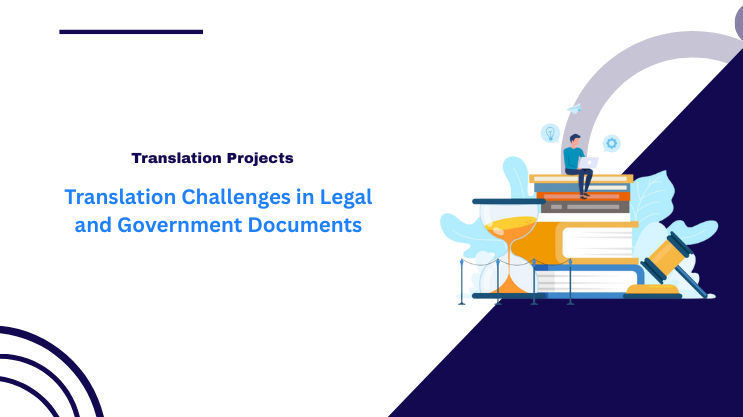
  • Translation Challenges in Legal and Government Documents

    Translation Challenges in Legal and Government Documents

    Legal and government documents require the highest level of accuracy, clarity, and consistency. These documents often carry legal authority and are used for official, regulatory, and compliance purposes. Translating them is a complex task that goes beyond language proficiency, as even minor errors can lead to serious legal consequences. Understanding the key challenges involved helps ensure reliable and effective translations.

    1. Complex Legal Terminology

    Legal and government documents contain specialized terminology that may not have direct equivalents in other languages. Translators must understand both the source and target legal systems to select accurate terms that preserve the intended meaning and legal effect.

    2. Differences in Legal Systems

    Laws, regulations, and administrative structures vary significantly between countries. A term or concept in one legal system may not exist in another. Translators must adapt content carefully while ensuring that the translated document remains legally valid and understandable in the target jurisdiction.

    3. Maintaining Accuracy and Precision

    Legal language demands precision. A small mistranslation or omission can change the meaning of a clause, affect rights and obligations, or invalidate a document. Professional translators follow strict quality control processes to ensure every detail is translated correctly.

    4. Handling Formal Tone and Structure

    Legal and government documents follow formal writing styles and standardized formats. Maintaining the correct tone, sentence structure, and formatting is essential to ensure the translated document meets official requirements and is accepted by authorities.

    5. Confidentiality and Data Security

    These documents often contain sensitive personal, financial, or governmental information. Translators must adhere to strict confidentiality protocols and data protection standards to ensure information remains secure throughout the translation process.

    6. Consistency Across Documents

    Legal and government projects often involve multiple related documents. Consistent use of terminology, phrasing, and references across all translations is critical. Glossaries and translation memory tools help maintain uniformity throughout the project.

    7. Compliance with Local Regulations

    Government and legal translations must comply with local laws, certification requirements, and formatting standards. In many cases, certified or notarized translations are required for official use, adding another layer of complexity.

    8. Time Sensitivity and Deadlines

    Legal and government processes often operate under strict deadlines. Translators must deliver accurate translations within limited timeframes without compromising quality, making experience and expertise essential.

    In conclusion, translating legal and government documents presents unique challenges that require specialized knowledge, precision, and professionalism. By working with experienced translators who understand legal terminology, regulatory requirements, and confidentiality standards, organizations can ensure their documents are accurate, compliant, and reliable across languages.

  • The Role of Professional Translators in Financial Document Accuracy

    The Role of Professional Translators in Financial Document Accuracy

    Financial documents are highly sensitive and require absolute precision. Reports, contracts, audits, and investment materials often influence critical business decisions and legal compliance. When these documents are translated for international stakeholders, accuracy becomes even more essential. Professional translators play a vital role in ensuring financial information is conveyed clearly, correctly, and consistently across languages.

    1. Understanding Financial Terminology and Concepts

    Financial documents contain complex terminology, abbreviations, and concepts that require specialized knowledge. Professional financial translators are familiar with accounting principles, banking terms, and financial regulations, allowing them to translate content accurately without misinterpretation.

    2. Ensuring Numerical and Data Accuracy

    Even a small numerical error can lead to serious financial consequences. Professional translators pay close attention to figures, percentages, currencies, and formatting standards, ensuring that all data remains accurate and consistent in the translated document.

    3. Maintaining Compliance with Regulatory Standards

    Financial documents often need to comply with local and international regulations. Professional translators understand region-specific financial reporting requirements and ensure translations align with legal and compliance standards, reducing the risk of penalties or disputes.

    4. Preserving Clarity and Transparency

    Clear financial communication builds trust among investors, partners, and regulators. Professional translators ensure that the meaning, structure, and intent of the original document are preserved, making complex financial information understandable to global audiences.

    5. Protecting Confidential and Sensitive Information

    Financial translations involve confidential data such as company performance, contracts, and investment details. Professional translators follow strict confidentiality protocols, safeguarding sensitive information throughout the translation process.

    6. Ensuring Consistency Across Financial Documents

    Consistency in terminology and formatting is critical, especially for recurring reports and long-term projects. Professional translators use glossaries and translation memory tools to maintain uniform language across multiple documents and reporting periods.

    7. Reducing Risk and Preventing Costly Errors

    Errors in financial translations can lead to legal issues, financial losses, or damaged reputation. By using professional translators with subject-matter expertise, businesses minimize risks and ensure accurate communication across borders.

    8. Supporting Global Business Growth

    Accurate financial translations enable businesses to communicate confidently with international stakeholders. Professional translators help organizations expand globally by ensuring financial documents meet the expectations and standards of diverse markets.

    In conclusion, professional translators are essential for maintaining accuracy, compliance, and clarity in financial documents. Their expertise ensures that financial information is communicated reliably across languages, helping businesses build trust, reduce risk, and succeed in the global marketplace.

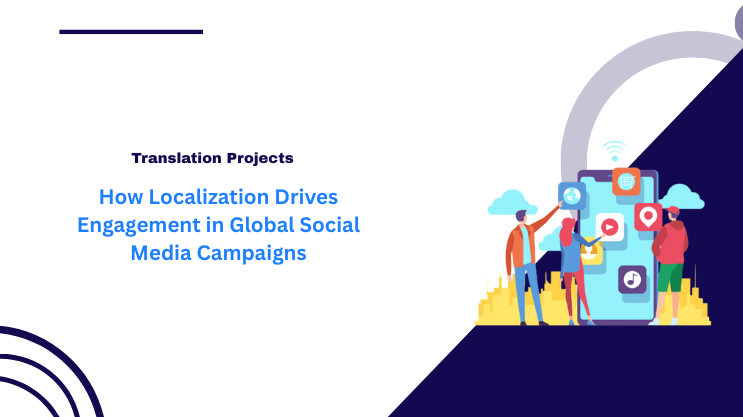
  • How Localization Drives Engagement in Global Social Media Campaigns

    How Localization Drives Engagement in Global Social Media Campaigns

    Social media has become a powerful channel for brands to connect with audiences worldwide. However, global reach does not guarantee engagement. To truly resonate with users across different regions, brands must localize their social media content. Localization adapts language, tone, visuals, and cultural context, enabling campaigns to feel relevant, authentic, and engaging to local audiences.

    1. Speaking the Audience’s Language

    Using the local language instantly makes content more relatable. Users are more likely to engage with posts they fully understand and feel emotionally connected to. Localized language builds familiarity, increases readability, and encourages likes, comments, and shares.

    2. Adapting Tone and Cultural Expression

    Tone, humor, and expressions vary widely across cultures. What works in one country may not resonate in another. Localization ensures that captions, slogans, and hashtags match cultural expectations, avoiding misunderstandings while strengthening audience connection.

    3. Using Region-Specific Visuals and Symbols

    Visual elements play a key role in social media engagement. Localizing images, colors, gestures, and symbols ensures content feels culturally appropriate and appealing. This visual relevance helps capture attention and improves interaction rates.

    4. Optimizing Content for Local Platforms and Trends

    Different regions favor different social media platforms and trends. Localization allows brands to tailor content formats, posting styles, and campaign themes to suit local platforms, increasing visibility and engagement.

    5. Enhancing Relevance Through Local Context

    Incorporating local events, festivals, seasons, and social trends makes content more timely and meaningful. Localized campaigns show that brands understand and respect local cultures, encouraging stronger engagement and community participation.

    6. Improving Engagement Through Local Hashtags and Keywords

    Using region-specific hashtags and keywords improves discoverability and reach. Localized hashtags help content appear in relevant searches and conversations, boosting organic engagement within target markets.

    7. Building Trust and Authenticity

    When brands communicate in a culturally sensitive and localized manner, they appear more genuine. Authentic communication builds trust, encourages user interaction, and strengthens long-term relationships with global audiences.

    8. Driving Consistent Global Growth

    Localized social media campaigns create stronger engagement across regions while maintaining a unified brand message. By combining global strategy with local adaptation, brands can increase reach, engagement, and loyalty worldwide.

    In conclusion, localization is a key driver of success in global social media campaigns. By adapting language, visuals, and cultural context, brands can connect more deeply with international audiences, foster meaningful engagement, and achieve sustainable global growth.