Tag: #localization

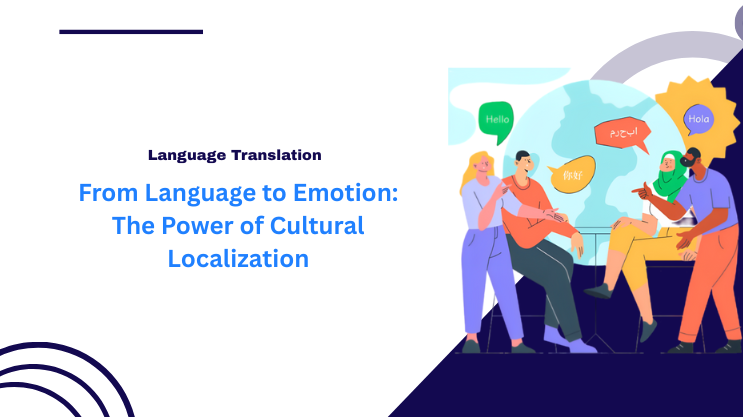
  • From Language to Emotion: The Power of Cultural Localization

    From Language to Emotion: The Power of Cultural Localization

    In today’s global digital landscape, businesses no longer compete only on price or quality-they compete on connection. While translation converts words from one language to another, cultural localization transforms meaning into emotion. It ensures that your message not only makes sense but also feels right to your audience.

    From marketing campaigns to websites and mobile apps, cultural localization plays a crucial role in building trust, engagement, and long-term customer relationships.

    What Is Cultural Localization?

    Cultural localization goes beyond literal translation. It adapts content to reflect the cultural norms, values, emotions, and expectations of a specific target audience.

    This includes:

    • Tone and communication style
    • Cultural references and idioms
    • Colors, symbols, and imagery
    • Date, time, and number formats
    • Local traditions, beliefs, and social behavior

    The goal is to make content feel native, not translated.

    Why Language Alone Is Not Enough

    A grammatically perfect translation can still fail if it ignores cultural context. Words carry emotional weight, and that weight differs across cultures.

    For example:

    • Humor that works in one country may offend another.
    • A marketing slogan may sound inspiring in one language but confusing in another.
    • Certain colors or symbols may carry unintended meanings in different regions.

    Without cultural localization, brands risk misunderstanding, disengagement, or even reputational damage.

    Turning Words into Emotional Connections

    Emotion is what drives decisions. Culturally localized content speaks directly to the audience’s identity and values, creating familiarity and trust.

    When content is localized effectively:

    • Customers feel understood and respected
    • Brand messages resonate on a personal level
    • Engagement rates increase
    • Conversion and loyalty improve

    Localization transforms communication from informative to impactful.

    Cultural Localization in Business & Marketing

    Successful global brands invest heavily in cultural localization to ensure consistency without losing local relevance.

    Key areas where localization matters most:

    • Websites & Apps: Navigation, visuals, and user experience adapted to local habits
    • Marketing Campaigns: Emotion-driven messaging tailored to regional preferences
    • E-commerce Content: Product descriptions that match buying behavior
    • Legal & Corporate Content: Culturally appropriate tone and terminology

    Localized content helps brands appear global in reach but local in presence.

    The Role of Human Expertise

    While AI-powered tools assist with speed and scalability, human cultural insight remains irreplaceable. Professional linguists understand subtle emotional cues, cultural sensitivities, and regional nuances that machines often miss.

    Human-led localization ensures:

    • Emotional accuracy
    • Cultural sensitivity
    • Brand consistency across markets
    • Higher-quality audience engagement

    Conclusion

    Cultural localization bridges the gap between language and emotion. It transforms words into experiences, messages into connections, and brands into trusted voices across borders.

    In a world where customers value authenticity, businesses that invest in cultural localization don’t just speak different languages-they speak to hearts.
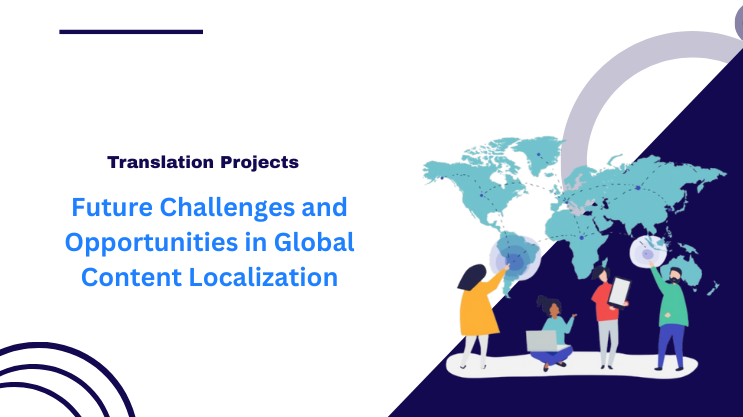

  • Future Challenges and Opportunities in Global Content Localization

    Future Challenges and Opportunities in Global Content Localization

    In today’s hyper-connected world, businesses are no longer confined by borders. Expanding globally requires more than simply translating content – it demands effective localization that resonates with diverse audiences. As a trusted partner, Honey Translation Services helps brands navigate the evolving landscape of global content localization.

    1. The Growing Need for Cultural Relevance

    Global audiences expect content that feels locally authentic. Localization goes beyond language, encompassing cultural nuances, local idioms, and regional sensitivities. Brands that fail to adapt risk alienating customers. Honey Translation Services ensures your message speaks the language of your audience, preserving brand voice while tailoring it to local culture.

    2. Balancing Speed with Accuracy

    In a fast-paced digital world, companies often struggle to deliver content quickly without compromising quality. Automation and AI tools have sped up translations, but they cannot fully replace human expertise. Honey Translation Services combines cutting-edge technology with professional linguists to deliver accurate, culturally appropriate content at scale.

    3. Rising Complexity of Multimedia Content

    Modern marketing relies heavily on videos, podcasts, and interactive content. Each format comes with unique localization challenges: subtitles, voice-overs, dubbing, and graphic adaptation must align seamlessly with the target audience. Honey Translation Services offers end-to-end multimedia localization, ensuring your visual and auditory content resonates globally.

    4. SEO and Global Visibility

    Localized content must also be search-engine optimized in different regions. Keywords, search intent, and local search trends vary widely across countries. Honey Translation Services integrates multilingual SEO strategies, helping your brand rank higher and reach the right audience in every market.

    5. Data Privacy and Regulatory Compliance

    With global expansion comes the responsibility of adhering to local data privacy laws. Missteps can damage brand reputation and result in legal issues. Honey Translation Services ensures that all localized content complies with regional regulations, including GDPR and other local standards, keeping your brand trusted and compliant worldwide.

    6. Emerging Technologies in Localization

    The future of localization is being shaped by AI, machine learning, and cloud-based tools. These technologies allow faster translations, predictive content adaptations, and improved workflow management. Honey Translation Services leverages these innovations to provide efficient, scalable localization without compromising quality.

    7. Opportunities for Hyper-Personalization

    Consumers increasingly expect personalized experiences. Localization now extends to tailoring content for different demographics, preferences, and even micro-cultures. Honey Translation Services enables hyper-personalized content strategies, helping brands connect deeply with local audiences while maintaining global consistency.

    8. The Importance of Continuous Adaptation

    The global marketplace is constantly evolving. Successful brands invest in ongoing localization strategies rather than one-time translation projects. With Honey Translation Services, your brand can continuously adapt, ensuring content remains relevant, engaging, and impactful across all markets.

    Conclusion

    Global content localization presents both challenges and immense opportunities. From cultural adaptation to multimedia complexity and SEO strategies, companies must navigate a multifaceted landscape. Honey Translation Services empowers brands to overcome these challenges, leveraging expertise, technology, and cultural insight to deliver content that truly resonates worldwide.

  • Why Localization Will Be the Growth Engine for Global Businesses in the Next Decade

    Why Localization Will Be the Growth Engine for Global Businesses in the Next Decade

    In today’s hyper-connected world, businesses are no longer confined to local markets. The digital revolution has opened doors to a global audience, making international expansion a key growth strategy. However, entering new markets successfully requires more than translating content-it demands localization.

    Understanding Localization

    Localization goes beyond language translation. It involves adapting products, services, marketing materials, and even user experiences to align with the cultural, linguistic, and social nuances of a specific region. While translation ensures that words are understandable, localization ensures that the message resonates with the audience.

    For instance, a marketing campaign that works in the United States might fail in Japan if cultural references, color schemes, or even humor are not adjusted appropriately. Localization ensures that businesses speak the language of their customers—not just literally, but culturally.

    Why Localization Will Drive Growth

    1. Expanding Market Reach
      Localized content enables businesses to connect with a broader audience. By providing culturally relevant experiences, companies can enter new markets with confidence, increasing brand awareness and customer trust.
    2. Enhanced Customer Experience
      Modern consumers expect brands to understand them. Offering products, websites, and support in the local language and context improves user experience, boosts engagement, and fosters long-term loyalty.
    3. Competitive Advantage
      Companies that invest in localization early can outperform competitors. While many global businesses rely solely on translation, those adopting full-scale localization create stronger emotional connections with their audiences.
    4. Increased Revenue Opportunities
      According to research, consumers are more likely to purchase from brands that communicate in their native language. Effective localization can therefore directly impact sales and revenue growth, especially in emerging markets.
    5. Cultural Relevance in Digital Marketing
      Social media campaigns, e-commerce platforms, and digital advertising perform better when localized. Understanding local trends, idioms, and behaviors allows businesses to create campaigns that truly engage their target audience.

    Preparing for the Next Decade

    As globalization accelerates, businesses that fail to localize risk being left behind. The next decade will see localization evolving from a support function to a strategic growth engine. Companies should focus on:

    • Conducting in-depth market research for cultural insights
    • Implementing AI-driven localization tools for efficiency
    • Building multilingual and culturally aware teams
    • Continuously adapting strategies based on local feedback

    Conclusion

    Localization is no longer an optional add-on-it is essential for global growth. Companies that embrace it will not only expand their footprint but also build meaningful relationships with customers worldwide. As the global marketplace becomes increasingly competitive, localization will be the differentiator that drives business success in the next decade.

  • Dubbing vs Voice Over: Choosing the Right Audio Solution for Your Project

    Dubbing vs Voice Over: Choosing the Right Audio Solution for Your Project

    In today’s globalized world, reaching audiences across languages requires more than just translating text. Audio localization, through dubbing or voice over, plays a crucial role in making content relatable and impactful. At Honey Translation Services, we specialize in providing high-quality dubbing and voice over solutions that help your content resonate with international audiences. But which option is the best for your project? Let’s explore.

    Understanding Dubbing

    Dubbing is the process of replacing the original spoken dialogue in a video or audio content with a new voice track in another language. It often includes lip-syncing to match the on-screen speaker. Dubbing creates an immersive experience for viewers, making content feel native to their language and culture.

    Benefits of Dubbing:

    • Complete localization: Makes your content feel natural in the target language.
    • High engagement: Viewers can fully focus on visuals without reading subtitles.
    • Professional impact: Ideal for films, TV shows, e-learning, and advertisements.

    When to choose dubbing:
    Dubbing is perfect for projects where audience immersion is critical, such as cinematic content, branded campaigns, and educational videos.

    Understanding Voice Over

    Voice over involves recording a new voice track in a different language without replacing the original dialogue completely. The original audio may remain audible in the background, with the new voice narrating the content.

    Benefits of Voice Over:

    • Faster turnaround: Production is quicker and more cost-effective.
    • Retains original feel: Original voices or background audio remain, preserving context.
    • Versatile: Suitable for documentaries, corporate videos, interviews, and explainer videos.

    When to choose voice over:
    Voice over is ideal for informative content, training materials, or projects where authenticity and speaker recognition are important.

    Key Differences Between Dubbing and Voice Over

    FeatureDubbingVoice Over
    Audio ReplacementReplaces original dialogue entirelyNew voice added over original audio
    Production TimeLonger due to syncingFaster, less complex
    CostHigher due to complexityMore budget-friendly
    Use CasesFilms, TV shows, advertisementsDocumentaries, corporate, e-learning
    Audience ExperienceImmersive, naturalInformative, supportive

    Why Choosing the Right Option Matters

    Selecting the right audio solution affects viewer engagement, comprehension, and the perceived professionalism of your content. A poorly executed dubbing or voice over can reduce clarity, impact, and audience trust. Honey Translation Services ensures high-quality execution, maintaining linguistic accuracy and cultural relevance.

    Honey Translation Services’ Expertise

    At Honey Translation Services, we provide:

    • Professional voice talent for multiple languages and tones.
    • Accurate script translation tailored to the target audience.
    • High-quality audio production with lip-sync or narration alignment.
    • Customized solutions for corporate, media, educational, and entertainment projects.

    Our team ensures your content connects with global audiences effectively, whether you choose dubbing or voice over.

    Conclusion

    Both dubbing and voice over have unique benefits and are suited for different types of projects. Dubbing offers a fully immersive experience, while voice over preserves authenticity and is more cost-effective. Understanding your audience, content type, and goals will guide the right choice.

    Honey Translation Services bridges linguistic and cultural gaps, providing professional dubbing and voice over services that elevate your content for global impact.

  • How Localized Messaging Turns Visitors into Loyal Customers

    How Localized Messaging Turns Visitors into Loyal Customers

    In today’s global digital marketplace, attracting visitors to your website is only the first step. The real challenge lies in turning those visitors into loyal, long-term customers. One of the most effective ways to achieve this is through localized messaging—content that speaks not just the language of your audience, but their culture, expectations, and everyday realities.

    What Is Localized Messaging?

    Localized messaging goes beyond direct translation. It adapts your brand’s tone, vocabulary, visuals, and context to match the preferences of a specific region or audience. This includes local expressions, cultural references, currencies, date formats, legal requirements, and even emotional cues that influence purchasing decisions.

    When users feel that your brand “understands” them, trust builds naturally.

    First Impressions Matter

    Visitors form an opinion about your brand within seconds. If they land on a website that feels foreign, generic, or confusing, they are more likely to leave. Localized messaging creates a sense of familiarity from the very first interaction.

    For example:

    • Clear content in the user’s native language reduces friction
    • Local terminology increases clarity and comfort
    • Region-specific messaging feels personal and relevant

    This immediate connection keeps visitors engaged and encourages them to explore further.

    Building Trust Through Cultural Relevance

    Trust is the foundation of customer loyalty. Messaging that aligns with local culture shows respect and professionalism. Cultural missteps or awkward translations can make a brand appear careless or unreliable.

    Localized content helps:

    • Avoid misunderstandings or offensive phrasing
    • Match local communication styles (formal vs casual)
    • Reflect cultural values and buying behaviors

    When customers feel respected, they are far more likely to trust your brand and return.

    Improved User Experience Drives Conversions

    A localized user experience makes it easier for visitors to take action. From product descriptions to call-to-action buttons, localized messaging ensures clarity at every stage of the customer journey.

    Benefits include:

    • Higher engagement rates
    • Lower bounce rates
    • Increased time spent on site
    • Better conversion rates

    When users don’t have to “translate in their heads,” decisions become faster and more confident.

    Emotional Connection Creates Loyalty

    People don’t just buy products-they connect with brands that resonate emotionally. Localized messaging allows you to speak in a tone and style that feels familiar, warm, and relatable.

    Using culturally appropriate storytelling, local success stories, and region-specific campaigns helps your brand move from being just another option to becoming a trusted choice.

    Consistency Across Channels Matters

    Localization should be consistent across all touchpoints-websites, mobile apps, social media, customer support, emails, and marketing campaigns. A unified localized message strengthens brand identity and reinforces trust at every interaction.

    Professional language service providers ensure consistency while maintaining the natural flow of each language.

    Why Professional Localization Makes the Difference

    Effective localization requires linguistic expertise, cultural understanding, and industry knowledge. Automated tools often miss nuances, tone, and context, leading to content that feels unnatural or inaccurate.

    Professional localization services help businesses:

    • Communicate clearly and confidently
    • Maintain brand voice across languages
    • Meet regional and legal standards
    • Build long-term customer relationships

    Conclusion

    Localized messaging is not just a marketing tactic-it’s a customer loyalty strategy. By speaking your audience’s language in the truest sense, you transform casual visitors into engaged users and, ultimately, loyal customers.

    In a competitive global market, brands that invest in meaningful localization stand out, connect deeper, and grow stronger relationships that last.

  • Why Subtitles Are More Than Just Translated Text

    Why Subtitles Are More Than Just Translated Text

    In today’s digital-first world, video content dominates global communication – from corporate training videos and marketing campaigns to OTT platforms, e-learning modules, and social media reels. But reaching a truly global audience requires more than simply adding translated words at the bottom of the screen. Subtitling is a specialized language service that blends translation, localization, timing, and cultural understanding.

    At Honey Translation Service, we believe subtitles are not just text – they are a bridge between cultures, emotions, and audiences.

    Understanding the True Role of Subtitles

    Many assume subtitles are a word-for-word translation of spoken dialogue. In reality, effective subtitling requires condensing speech, maintaining meaning, syncing with visuals, and adapting content for cultural relevance – all within strict character and timing limits.

    Subtitles must convey tone, intent, humor, and context while remaining easy to read and perfectly timed. Poor subtitles can confuse viewers, distort brand messaging, or even offend cultural sensitivities. That’s why professional subtitling plays a critical role in global communication.

    Subtitling vs. Translation: What’s the Difference?

    While translation focuses on converting text from one language to another, subtitling adds several layers of complexity.

    Subtitles must fit within limited screen space, usually no more than two lines, and remain visible for a short duration. This means translators often need to rephrase content without losing its original meaning. Additionally, subtitles must align with on-screen action, speaker changes, and background sounds.

    At Honey Translation Service, our linguists are trained specifically in subtitling techniques, ensuring accuracy, readability, and smooth viewing experiences across languages.

    Cultural Localization Matters More Than You Think

    Literal translations rarely work in subtitles. Idioms, humor, slang, and cultural references often need adaptation rather than direct translation. A joke that works in one culture may not resonate – or may even confuse – audiences in another.

    Professional subtitling involves localization, where content is culturally adapted while preserving the creator’s original intent. Our subtitle experts ensure that your message feels natural and relatable to the target audience, not foreign or forced.

    This is especially important for marketing videos, brand stories, films, and training content where emotional connection matters.

    Accessibility and Inclusivity Through Subtitles

    Subtitles are essential not only for multilingual audiences but also for accessibility. Millions of people worldwide rely on subtitles due to hearing impairments or sound-off viewing habits on mobile devices.

    Well-crafted subtitles improve comprehension, increase engagement, and ensure inclusivity. At Honey Translation Service, we follow accessibility best practices, including proper punctuation, speaker identification, and sound cues when required.

    By investing in professional subtitling, businesses demonstrate their commitment to inclusive communication.

    SEO and Discoverability Benefits of Subtitling

    Subtitles also play a powerful role in digital visibility. Search engines cannot “watch” videos, but they can read subtitle files. Optimized subtitles help search engines understand video content, improving rankings and discoverability.

    Multilingual subtitles further enhance global SEO by allowing your content to appear in search results across different languages and regions. For businesses aiming to expand internationally, subtitles are a smart SEO investment.

    Our team at Honey Translation Service ensures subtitle content aligns with your brand keywords and digital strategy without compromising linguistic quality.

    Industry-Specific Subtitling Expertise

    Different industries require different subtitling approaches. Legal videos demand precision, medical content requires technical accuracy, and entertainment content needs creative flair. A one-size-fits-all approach simply doesn’t work.

    Honey Translation Service offers industry-specific subtitling solutions for:

    • Corporate and training videos
    • Educational and e-learning content
    • Films, documentaries, and OTT platforms
    • Marketing and promotional videos
    • Legal and compliance recordings

    Each project is handled by subject-matter linguists to ensure clarity, compliance, and impact.

    Human Expertise Meets Smart Technology

    While AI tools can assist with transcription, human expertise remains irreplaceable in professional subtitling. Automated tools often miss context, emotion, and cultural nuances.

    At Honey Translation Service, we combine advanced subtitling tools with skilled human linguists for quality checks, timing accuracy, and linguistic refinement. This hybrid approach ensures subtitles that are precise, natural, and audience-ready.

    Why Choose Honey Translation Service for Subtitling?

    With years of experience in language services, Honey Translation Service delivers subtitles that go beyond basic translation. Our commitment to quality, confidentiality, and cultural accuracy sets us apart.

    When you work with us, you get:

    • Native-language subtitle experts
    • Accurate timing and formatting
    • Cultural localization for target markets
    • Industry-specific knowledge
    • SEO-friendly subtitle solutions
    • End-to-end quality assurance

    Final Thoughts

    Subtitles are more than text on a screen – they are a powerful communication tool that shapes how your message is perceived globally. Whether you’re expanding into new markets, improving accessibility, or strengthening your brand presence, professional subtitling makes all the difference.

    At Honey Translation Service, we help your videos speak every language – clearly, culturally, and confidently.

  • Cultural Mistakes That Can Ruin Your Localized Website

    Cultural Mistakes That Can Ruin Your Localized Website

    Expanding your business to new countries is more than just translating your website-it’s about creating a culturally relevant experience for your audience. Even small mistakes in localization can damage your brand reputation, confuse customers, or reduce conversions. At Honey Translation, we help businesses avoid these pitfalls and communicate effectively across cultures.

    1. Ignoring Local Language Nuances

    Direct translation often leads to awkward phrasing or misunderstood messages. Words can have different meanings in different regions, and idiomatic expressions rarely translate literally.

    For example, a promotional phrase that works in English may be confusing or even offensive in another language. Honey Translation ensures your content is not just translated but adapted for local understanding.

    2. Misusing Colors, Symbols, and Images

    Colors and symbols carry cultural significance. Red may symbolize luck in China but danger in other countries; certain hand gestures or imagery may be acceptable in one culture but offensive in another.

    Our localization experts guide businesses in choosing culturally appropriate visuals to avoid unintended negative impressions.

    3. Overlooking Local Date, Time, and Number Formats

    Simple details like date formats (DD/MM/YYYY vs. MM/DD/YYYY), currency, and units of measurement can confuse visitors or appear unprofessional.

    At Honey Translation, we make sure your website reflects local standards, creating a seamless user experience that builds trust.

    4. Failing to Adapt Tone and Messaging

    Cultural expectations affect how people respond to messaging. A casual, humorous tone might appeal in the U.S. but seem unprofessional in Japan.

    We help businesses adjust tone, style, and messaging to resonate with local audiences without losing brand identity.

    5. Neglecting Cultural Context in Calls-to-Action

    Calls-to-action (CTAs) that work in one culture may be ignored or misinterpreted in another. For instance, aggressive sales language might work in some Western markets but appear pushy in more reserved cultures.

    With our expertise, Honey Translation crafts CTAs that motivate and respect local sensibilities.

    Conclusion

    Localization is not just translation-it’s about understanding and respecting cultural nuances. Avoiding these common mistakes is crucial to making a positive impression on international audiences.

    With Honey Translation, businesses can confidently enter new markets, knowing their website speaks the language of both words and culture.

  • Localization Best Practices for Tech Startups Entering New Markets

    Localization Best Practices for Tech Startups Entering New Markets

    Expanding your tech startup into global markets is an exciting journey. However, success abroad isn’t just about offering a great product – it’s about making your product resonate with local audiences. This is where localization comes into play. Unlike translation, which only converts words from one language to another, localization adapts your content, product, and messaging to align with the cultural, linguistic, and functional expectations of your target market.

    At Honey Translation Services, we specialize in helping startups seamlessly enter new markets with precise and culturally aware localization solutions. Here are the best practices tech startups should follow to ensure a successful international launch.

    1. Start Localization Early

    One common mistake startups make is postponing localization until after product launch. Incorporating localization into your product development lifecycle from day one saves time, reduces costs, and avoids last-minute scrambling. This approach, often called “internationalization”, ensures your code, design, and content are ready to support multiple languages without requiring extensive rework.

    Honey Translation Services works closely with startups during the early development phase, ensuring that interfaces, software strings, and marketing materials are localization-ready.

    2. Understand Your Target Market

    Localization isn’t one-size-fits-all. A successful strategy starts with market research. Understanding cultural nuances, local regulations, and user behavior can help your startup avoid missteps and create a product that feels native to the new audience.

    For instance:

    • UI/UX preferences: Some markets prefer minimalistic design, while others respond to vibrant visuals.
    • Language tone: Formality levels differ across cultures. Japanese audiences expect highly polite language, while Brazilian audiences may prefer friendly and casual phrasing.
    • Local compliance: Certain countries have strict privacy and content regulations that must be adhered to.

    Honey Translation Services offers expert consultation to guide startups in understanding linguistic, cultural, and legal nuances in their target regions.

    3. Prioritize Content That Matters

    Not all content needs the same level of localization. Focus on elements that directly impact user experience and engagement:

    • Product UI/UX strings
    • App/store descriptions
    • Marketing campaigns
    • Customer support content
    • Legal documentation

    By prioritizing critical content, startups can launch faster while maintaining a professional and localized user experience. Honey Translation Services ensures that your essential content is accurate, culturally relevant, and ready for deployment.

    4. Maintain Brand Consistency

    Localization should not compromise your brand identity. Whether you’re a tech startup or an established enterprise, your voice, tone, and brand values must remain consistent across languages and markets.

    Our expert linguists at Honey Translation Services create style guides and glossaries tailored to each client. This ensures that even when translated into multiple languages, your brand’s personality and messaging remain intact.

    5. Use Technology Wisely

    Modern localization leverages both human expertise and technology. Tools like translation management systems (TMS), glossaries, and automated quality checks can improve efficiency and accuracy.

    However, human insight is irreplaceable. Machine translation may save time, but it often misses cultural context, idioms, and industry-specific terminology. Honey Translation Services combines cutting-edge translation technology with expert human linguists to deliver precise, culturally appropriate content for tech startups.

    6. Test, Iterate, and Optimize

    Localization is not a one-time task. Continuous testing and feedback are essential. A/B testing localized content, gathering user feedback, and monitoring analytics can provide insights for refinement.

    Honey Translation Services supports iterative localization, helping startups adapt and optimize their content based on real user interactions in each market.

    7. Partner with Experienced Localization Experts

    Partnering with a professional translation and localization service like Honey Translation Services ensures startups can focus on product innovation while experts handle cultural adaptation. Our end-to-end localization solutions include translation, interpretation, cultural consultation, and quality assurance, enabling a smooth entry into new markets.

    Final Thoughts

    For tech startups, entering new markets is about more than language – it’s about creating experiences that feel native, engaging, and trustworthy. Following these localization best practices can set your startup apart and pave the way for international success.

    Honey Translation Services is your trusted partner in this journey. From startup launch to global expansion, our expert linguists and localization specialists ensure your content speaks the language of success – literally.

  • Translating Marketing Content for Different Cultures: Effective Techniques

    Translating Marketing Content for Different Cultures: Effective Techniques

    In today’s global marketplace, businesses cannot rely solely on direct translation to communicate effectively with international audiences. Marketing content that resonates in one country may fall flat – or even offend – in another. That’s where professional translation and localization services come in. At Honey Translations, we specialize in adapting marketing content to fit the linguistic and cultural nuances of each target audience, ensuring your brand message is clear, persuasive, and culturally relevant.

    Why Cultural Adaptation Matters in Marketing

    Marketing is more than just words. It’s about emotion, culture, and perception. A slogan that works in the U.S. may have a completely different meaning in Asia or Europe. For instance, humor, idioms, or metaphors may not translate directly. Without careful localization, your campaigns risk miscommunication, negative brand perception, or lost sales opportunities.

    By combining linguistic expertise with cultural understanding, Honey Translations ensures that your marketing content speaks to the heart of your audience, not just their language.

    Key Techniques for Effective Cross-Cultural Marketing Translation

    1. Conduct In-Depth Cultural Research

    Understanding your target market’s culture is the first step. This includes norms, taboos, humor, and preferences. Honey Translations’ professional translators often collaborate with native speakers who have deep knowledge of local customs, ensuring your message resonates without errors or cultural missteps.

    2. Prioritize Localization Over Literal Translation

    Literal translation often results in awkward phrasing or unintended meanings. Localization goes beyond language – it adapts the content for regional preferences, measurement units, imagery, and even colors. For example, red symbolizes luck in China but danger in some Western countries. Our team ensures your content fits local expectations while maintaining your brand identity.

    3. Adapt Tone and Style for the Audience

    Different cultures respond to different communication styles. Some prefer formal, authoritative messaging; others respond better to casual, friendly language. Honey Translations tailors the tone of your marketing copy to align with local communication norms, enhancing engagement and trust.

    4. Optimize for Multilingual SEO

    Effective marketing translation includes SEO considerations. Keywords in one language may not have the same search volume or intent in another. Our multilingual SEO experts help identify local search terms, meta tags, and content strategies to ensure your marketing campaigns rank higher in international search engines.

    5. Test Content With Native Speakers

    Before launching a campaign, it’s essential to validate your translations with native speakers. Honey Translations offers quality assurance and review services, ensuring that your content reads naturally and evokes the intended response. This step also helps identify cultural nuances or subtle errors that automated translation tools may miss.

    6. Maintain Consistency Across Platforms

    Consistency in messaging strengthens your brand. Honey Translations ensures that your website, social media, advertisements, and email campaigns maintain a cohesive voice across all languages, reinforcing your brand identity globally.

    Common Challenges and How to Overcome Them

    • Idiomatic Expressions: Some phrases don’t make sense outside their original language. Solution: Rewriting to convey the same idea while keeping it culturally relevant.
    • Visual Elements: Colors, images, or gestures may have different meanings. Solution: Localized visuals for each market.
    • Legal & Regulatory Constraints: Marketing messages must comply with local advertising laws. Solution: Consultation with local experts.

    Why Choose Honey Translations for Your Marketing Content?

    At Honey Translations, we understand that words have power. Our team combines linguistic accuracy, cultural expertise, and industry knowledge to ensure your marketing campaigns succeed internationally. Whether you are launching a new product, creating ad campaigns, or expanding your brand globally, we provide end-to-end translation and localization solutions tailored to your business goals.

    Benefits of Our Services:

    • Native-speaking translators in over 100 languages
    • SEO-optimized multilingual content
    • Cultural adaptation for global marketing campaigns
    • Fast, reliable delivery without compromising quality

    Conclusion

    Expanding into global markets requires more than translating words – it requires translating meaning, culture, and emotion. By partnering with Honey Translations, your marketing content can reach the right audience with the right message, helping you build brand loyalty, increase engagement, and drive international growth.

  • How Website Localization Improves International Conversion Rates

    How Website Localization Improves International Conversion Rates

    In today’s global digital marketplace, having an online presence is no longer enough. Businesses aiming to reach international customers must go beyond simple translation and focus on website localization. Localization adapts your website’s language, content, design, and user experience to match the cultural and regional expectations of your target audience. When done right, it can significantly increase international conversion rates.

    1. Localization Builds Instant Trust with Global Users

    Trust is the foundation of conversion. When international visitors land on a website that speaks their native language, uses familiar expressions, and reflects their cultural norms, they feel understood and comfortable.

    Localized websites:

    • Reduce uncertainty and hesitation
    • Feel more credible and professional
    • Show respect for local audiences

    When users trust your website, they are far more likely to sign up, make a purchase, or contact your business.

    2. Users Prefer to Buy in Their Own Language

    Multiple studies have shown that users are more likely to convert when content is presented in their native language-even if they speak English. Localization ensures that:

    • Product descriptions are clear
    • Service benefits are fully understood
    • Calls-to-action (CTAs) feel natural and persuasive

    When users don’t have to mentally translate content, decision-making becomes faster and easier, directly improving conversion rates.

    3. Cultural Relevance Drives Engagement

    Localization is not just about words-it’s about context. Cultural preferences influence how users interpret images, colors, layouts, symbols, and messaging.

    Effective localization considers:

    • Local customs and values
    • Appropriate tone (formal vs casual)
    • Region-specific examples and references

    By aligning your website with cultural expectations, visitors stay longer, engage more deeply, and are more likely to convert.

    4. Localized CTAs Increase Click-Through Rates

    A call-to-action that works well in one country may feel awkward or ineffective in another. Localization adapts CTAs to suit local communication styles.

    For example:

    • Direct CTAs may work in some markets
    • Polite or trust-based CTAs may work better in others

    Well-localized CTAs feel natural, reduce friction, and encourage users to take action—boosting click-through and conversion rates.

    5. Website Localization Improves International SEO

    Localized websites rank better in local search results. When your content is optimized for regional keywords, local languages, and search behaviors, you attract high-intent traffic.

    Benefits include:

    • Better visibility in local search engines
    • More qualified international visitors
    • Higher chances of conversion due to relevant traffic

    The right audience + localized content = stronger conversion performance.

    6. Local Currency, Payment Methods, and Formats Matter

    Localization also includes adapting practical elements such as:

    • Currency and pricing formats
    • Date, time, and measurement units
    • Local payment options

    When users see familiar formats and trusted payment methods, checkout abandonment decreases and conversion rates rise.

    7. Reduced Bounce Rates Through Better User Experience

    If visitors struggle to understand content or feel the website isn’t meant for them, they leave quickly. Localization improves user experience by making navigation intuitive and content relatable.

    Lower bounce rates often lead to:

    • Higher engagement
    • More completed forms or purchases
    • Increased return visitors

    A seamless localized experience keeps users moving toward conversion.

    8. Localization Strengthens Brand Loyalty Globally

    When customers feel a brand speaks their language-literally and culturally-they are more likely to return. Localization helps create long-term relationships, not just one-time conversions.

    This leads to:

    • Repeat purchases
    • Positive word-of-mouth in local markets
    • Stronger global brand reputation

    Conclusion:

    Localization Is a Growth Strategy, Not an Option

    Website localization is no longer a “nice-to-have” feature-it’s a conversion-driven business strategy. By speaking to international audiences in a way that feels natural, trustworthy, and culturally relevant, businesses can unlock higher engagement, stronger trust, and significantly improved international conversion rates.