Tag: #languagetranslation

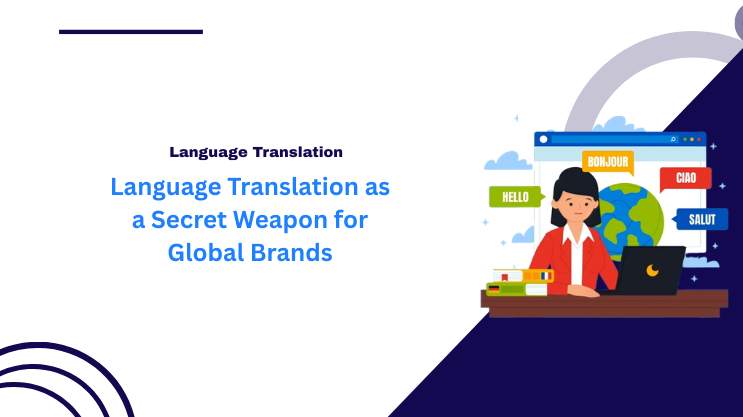
  • Language Translation as a Secret Weapon for Global Brands

    Language Translation as a Secret Weapon for Global Brands

    In today’s hyper-connected world, businesses are no longer limited by geography. Global expansion is within reach, but success depends on more than just products or services-it hinges on communication. Language translation has emerged as a secret weapon for global brands, enabling them to connect with diverse audiences, strengthen their reputation, and drive sustainable growth.

    1. Breaking Language Barriers to Expand Markets

    Effective translation allows brands to communicate clearly with customers worldwide. By presenting products, services, and marketing materials in local languages, businesses can tap into new markets with confidence.

    Key benefits:

    • Access to international customers
    • Increased market share
    • Faster global growth

    2. Strengthening Brand Identity and Trust

    A brand that speaks the language of its audience demonstrates cultural sensitivity and professionalism. Accurate, high-quality translations help maintain brand consistency and credibility across different regions.

    Impact:

    • Enhanced brand recognition
    • Greater customer trust
    • Stronger emotional connection with audiences

    3. Boosting Marketing ROI

    Localized content performs significantly better than generic messages. Translation allows brands to adapt campaigns to local preferences, idioms, and cultural nuances, ensuring marketing efforts resonate effectively.

    Advantages include:

    • Higher engagement and conversion rates
    • Improved campaign effectiveness
    • Better return on marketing investment

    4. Supporting Customer Experience and Loyalty

    Customers prefer brands that communicate in their native language. Translation enhances the user experience across websites, apps, product manuals, and support channels, creating loyal, satisfied customers.

    Benefits:

    • Seamless customer interactions
    • Reduced confusion and errors
    • Increased customer retention

    5. Enabling Competitive Advantage

    Brands that invest in professional translation gain a strategic edge over competitors who overlook the importance of language. It’s not just about communication-it’s about creating meaningful connections that drive business growth.

    Outcome:

    • Differentiation in global markets
    • Stronger international partnerships
    • Sustainable long-term growth

    Conclusion

    Language translation is more than a tool-it’s a strategic asset that empowers global brands to succeed across borders. By breaking language barriers, building trust, and enhancing customer engagement, translation serves as a secret weapon that fuels international expansion and long-term brand success.
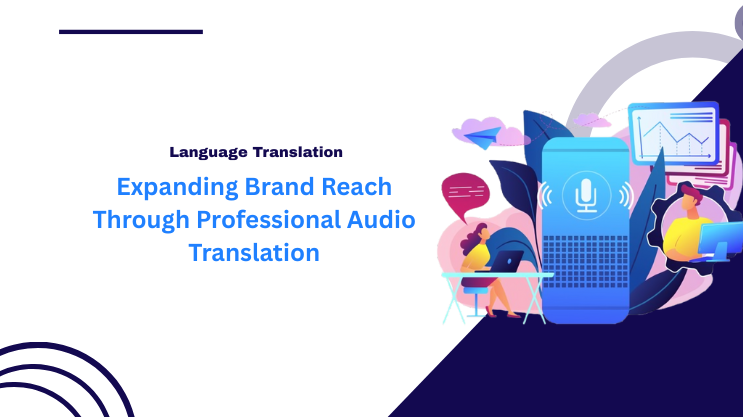
  • Expanding Brand Reach Through Professional Audio Translation

    Expanding Brand Reach Through Professional Audio Translation

    In an era where digital media dominates, audio content such as podcasts, voiceovers, advertisements, and training materials has become a powerful way to connect with audiences. However, to reach global markets effectively, businesses need more than just good content-they need professional audio translation. By accurately translating and localizing audio, brands can expand their reach, engage diverse audiences, and strengthen their global presence.

    1. Connecting With Global Audiences

    Audio content transcends borders when delivered in the listener’s native language. Professional audio translation ensures that your message is understood clearly, resonating with audiences across cultures.

    Benefits include:

    • Wider audience engagement
    • Enhanced brand accessibility
    • Increased international reach

    2. Maintaining Brand Voice and Tone

    Audio is not just about words; it conveys emotion, personality, and brand identity. Professional translators ensure that the tone, style, and intent of your original content are preserved across languages.

    Why it matters:

    • Consistent brand identity globally
    • Emotional connection with listeners
    • Authentic communication across markets

    3. Improving Marketing ROI

    Localized audio campaigns are more effective in attracting and retaining customers. By speaking the listener’s language, brands can increase conversions and strengthen loyalty.

    Key advantages:

    • Higher engagement rates
    • Improved customer retention
    • Better return on marketing investments

    4. Supporting Training and Internal Communication

    For multinational organizations, professional audio translation helps in delivering training programs, corporate announcements, and onboarding materials in multiple languages, ensuring clear understanding across teams.

    Impact on business:

    • Improved employee comprehension
    • Streamlined internal communication
    • Enhanced productivity and collaboration

    5. Ensuring Accuracy and Compliance

    In industries such as healthcare, finance, or legal, accuracy in audio translation is critical. Professional translators ensure compliance with local regulations and avoid miscommunication that could lead to legal or reputational risks.

    Benefits:

    • Accurate messaging
    • Regulatory compliance
    • Risk mitigation

    Conclusion

    Professional audio translation is more than converting words-it is about preserving meaning, emotion, and brand essence while reaching new audiences. Businesses that invest in high-quality audio translation can expand their global footprint, enhance engagement, and achieve measurable results in international markets.

    In today’s multilingual world, your brand’s voice should be heard clearly-in every language that matters.

  • Document Translation Trends to Watch in 2025

    Document Translation Trends to Watch in 2025

    As globalization accelerates and digital transformation reshapes industries, document translation continues to evolve rapidly. In 2025, businesses are no longer looking for simple word-for-word translation-they demand accuracy, speed, security, and cultural relevance. Understanding the latest document translation trends can help organizations stay competitive in an increasingly multilingual world.

    1. AI-Powered Translation with Human Expertise

    AI and machine translation tools are becoming faster and more sophisticated. However, in 2025, the strongest trend is AI-assisted human translation, where technology supports linguists rather than replacing them.

    Why it matters:

    • Faster turnaround times
    • Cost efficiency
    • High-quality, context-aware translations

    2. Industry-Specific and Specialized Translation

    Businesses now require translators with deep subject-matter expertise. Legal, medical, financial, technical, and regulatory documents demand precision and industry knowledge.

    Growing demand for:

    • Legal contracts and compliance documents
    • Medical and healthcare records
    • Technical manuals and patents

    3. Increased Focus on Data Security and Confidentiality

    With stricter data protection laws and rising cybersecurity concerns, secure document handling is a top priority. Translation providers are investing in encrypted systems and secure workflows.

    Key security measures include:

    • Confidentiality agreements
    • Secure file transfer protocols
    • Compliance with global data protection standards

    4. Localization Beyond Language

    In 2025, document translation goes beyond linguistic accuracy to include cultural, regional, and legal adaptation. Localization ensures documents feel native and relevant to the target audience.

    Benefits of localization:

    • Improved clarity and acceptance
    • Reduced legal and cultural risks
    • Stronger local market engagement

    5. Demand for Faster Turnaround Without Quality Loss

    Businesses expect speed without compromising accuracy. Advanced translation management systems and streamlined workflows help meet tight deadlines while maintaining quality.

    Result:

    • Real-time collaboration
    • Efficient project management
    • Consistent terminology across documents

    6. Multilingual Compliance and Regulatory Translation

    As companies expand globally, compliance documents must meet regional laws and standards. Accurate translation of regulatory content is becoming increasingly critical.

    Industries impacted:

    • Finance and banking
    • Healthcare and pharmaceuticals
    • Manufacturing and global trade

    7. Sustainability and Paperless Translation Workflows

    Digital-first operations are driving eco-friendly translation practices. Cloud-based document translation reduces paper usage and supports sustainable business operations.

    Advantages:

    • Environmentally responsible processes
    • Improved accessibility
    • Better document version control

    Conclusion

    Document translation in 2025 is defined by a balance of technology, expertise, and trust. Businesses that stay ahead of these trends can communicate more effectively, reduce risks, and expand confidently into global markets. Investing in professional, future-ready document translation services is not just a necessity-it’s a strategic advantage.

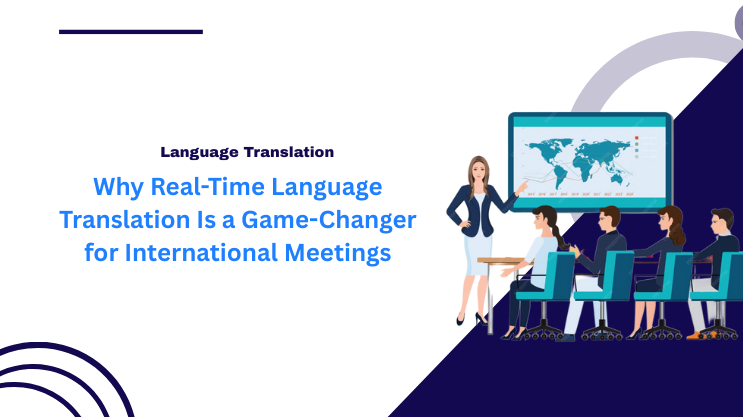
  • Why Real-Time Language Translation Is a Game-Changer for International Meetings

    Why Real-Time Language Translation Is a Game-Changer for International Meetings

    In today’s global business environment, international meetings are no longer limited by geography-but language can still be a barrier. Real-time language translation is transforming how global teams communicate, collaborate, and make decisions. By enabling instant understanding across languages, it has become a true game-changer for international meetings.

    1. Eliminates Language Barriers Instantly

    Real-time language translation allows participants to understand discussions as they happen, without waiting for follow-up explanations or summaries. This ensures that every voice is heard and every idea is clearly understood.

    Key benefits:

    • Immediate communication
    • Reduced misunderstandings
    • Inclusive participation for all attendees

    2. Improves Meeting Efficiency and Productivity

    When language barriers are removed, meetings flow more smoothly. Participants can focus on content and decision-making rather than struggling to interpret language differences.

    Business impact:

    • Faster discussions and decisions
    • Less repetition and clarification
    • More productive meetings

    3. Enables Inclusive Global Collaboration

    International teams are often diverse and multilingual. Real-time translation ensures equal participation, empowering team members to contribute confidently in their native language.

    Why it matters:

    • Promotes inclusivity
    • Strengthens teamwork
    • Encourages open communication

    4. Supports High-Stakes Discussions

    From negotiations and client presentations to executive meetings, accuracy is critical. Professional real-time translation—often supported by skilled interpreters and advanced technology-ensures that tone, intent, and nuance are preserved.

    Strategic advantage:

    • Clear understanding in critical discussions
    • Reduced risk of costly errors
    • Stronger trust between stakeholders

    5. Enhances Virtual and Hybrid Meetings

    With the rise of remote work, real-time translation has become essential for virtual and hybrid meetings. It allows global participants to engage fully, regardless of location or language.

    Key outcomes:

    • Seamless cross-border communication
    • Improved engagement in online meetings
    • Better global connectivity

    Conclusion

    Real-time language translation is reshaping international meetings by making them more inclusive, efficient, and effective. By enabling instant communication across languages, it empowers global teams to collaborate confidently and make better decisions together.

    Investing in real-time translation solutions is not just a technological upgrade-it’s a strategic move toward stronger global collaboration and business success.

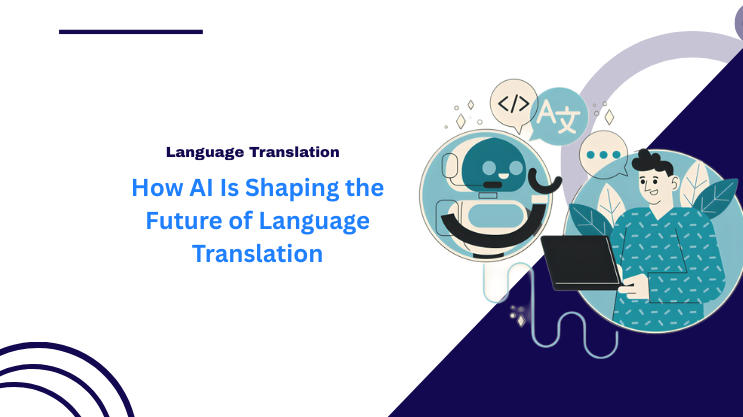
  • How AI Is Shaping the Future of Language Translation

    How AI Is Shaping the Future of Language Translation

    Artificial Intelligence (AI) is transforming the way the world communicates. In the field of language translation, AI-powered technologies are enabling faster, more scalable, and more accessible multilingual communication. While human expertise remains essential, AI is reshaping workflows and redefining what’s possible in global language translation.

    1. The Rise of AI-Powered Translation Tools

    AI-driven translation systems use machine learning and neural networks to analyze vast amounts of linguistic data. These tools can process text in real time, delivering instant translations across multiple languages.

    Key advantages:

    • Faster turnaround times
    • Cost-effective solutions for large volumes
    • Support for real-time communication

    2. Improved Accuracy with Neural Machine Translation (NMT)

    Modern AI translation relies on Neural Machine Translation, which understands context rather than translating word by word. This has significantly improved fluency and consistency compared to earlier machine translation models.

    Benefits include:

    • More natural-sounding translations
    • Better handling of complex sentences
    • Improved consistency across content

    3. Real-Time Speech and Multimodal Translation

    AI is also advancing speech-to-text and speech-to-speech translation, enabling real-time interpretation for meetings, calls, and global events. Multimodal AI can combine text, audio, and visual inputs to enhance communication.

    Impact:

    • Seamless cross-language conversations
    • Improved accessibility
    • Enhanced global collaboration

    4. Human-AI Collaboration: The Hybrid Future

    Despite AI’s progress, human translators remain essential for creativity, cultural nuance, and critical accuracy. The future of translation lies in a hybrid model, where AI handles speed and volume while humans ensure quality, tone, and cultural relevance.

    Why this works:

    • Higher quality output
    • Reduced errors and bias
    • Balanced efficiency and authenticity

    5. Expanding Accessibility and Global Inclusion

    AI-powered translation tools make information more accessible to people worldwide, breaking down language barriers in education, healthcare, and public services.

    Long-term benefits:

    • Greater global inclusion
    • Wider access to knowledge
    • Enhanced cross-cultural understanding

    Conclusion

    AI is shaping the future of language translation by making it faster, smarter, and more accessible. However, true excellence in translation comes from combining AI technology with human expertise. Businesses that embrace this balanced approach can communicate effectively across borders and thrive in an increasingly multilingual world.

  • Language Translation as a Strategic Business Investment

    Language Translation as a Strategic Business Investment

    In a globalized economy, businesses no longer compete within borders-they compete across languages and cultures. Language translation is often viewed as a supporting service, but in reality, it is a strategic business investment that directly influences growth, credibility, and long-term success. Companies that invest in professional translation gain a powerful advantage in global communication and market expansion.

    1. Expanding Access to Global Markets

    Language translation allows businesses to connect with international audiences by making their products, services, and content accessible in multiple languages. Customers are far more likely to engage with brands that communicate in their native language.

    Business impact:

    • Entry into new markets
    • Increased global reach
    • Higher conversion rates

    2. Building Trust and Brand Credibility

    Clear and accurate communication builds confidence. Professional translation ensures consistency, accuracy, and cultural relevance, helping businesses present a trustworthy and professional image worldwide.

    Why it matters:

    • Stronger brand reputation
    • Reduced communication errors
    • Improved customer loyalty

    3. Enhancing Customer Experience

    A seamless multilingual experience improves customer satisfaction at every touchpoint-from websites and apps to support documents and marketing content. Translation helps customers feel understood and valued.

    Key benefits:

    • Better engagement
    • Lower bounce rates
    • Increased customer retention

    4. Supporting Legal and Regulatory Compliance

    Many industries require precise and compliant documentation. Professional translation minimizes the risk of errors in contracts, policies, medical records, and financial documents.

    Risk management through:

    • Industry-specific expertise
    • Terminology accuracy
    • Compliance with local regulations

    5. Strengthening Global Marketing and Localization

    Effective translation goes beyond words. Localization adapts tone, messaging, and cultural references to resonate with local audiences, improving marketing performance across regions.

    Marketing advantages:

    • Higher campaign effectiveness
    • Consistent global branding
    • Improved return on investment

    6. Driving Sustainable Long-Term Growth

    Language translation is not a one-time expense but a scalable asset. Multilingual content continues to generate value by attracting new customers, partnerships, and opportunities worldwide.

    Long-term value:

    • Competitive differentiation
    • Strong global presence
    • Sustainable business expansion

    Conclusion

    Language translation is a strategic investment that empowers businesses to grow globally with confidence. By enabling clear communication, building trust, ensuring compliance, and enhancing customer experience, professional translation plays a vital role in long-term business success.

    Investing in quality translation today is investing in your company’s global future.

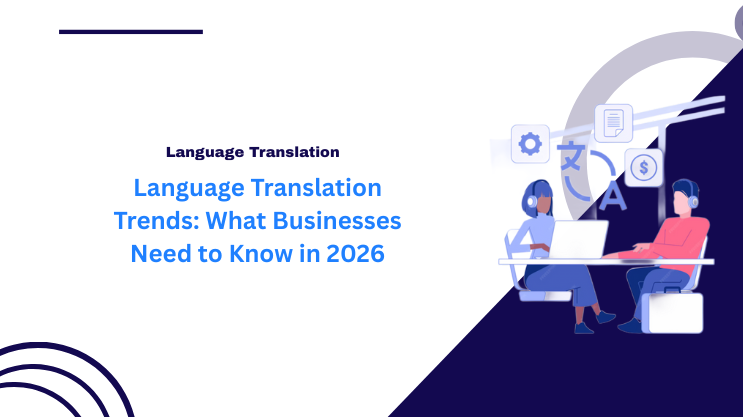
  • Language Translation Trends: What Businesses Need to Know in 2026

    Language Translation Trends: What Businesses Need to Know in 2026

    As businesses continue to expand across borders, language translation is evolving faster than ever. Advances in AI, changing customer expectations, and the demand for culturally relevant communication are reshaping how organizations approach multilingual content. Understanding the key translation trends for 2026 will help businesses stay competitive, credible, and globally connected.

    1. AI-Powered Translation with Human Expertise

    AI and machine translation tools are becoming faster and more accurate, but they are no longer viewed as standalone solutions. In 2026, the focus is on human-in-the-loop translation, where professional linguists refine and validate AI-generated content.

    What this means for businesses:

    • Faster turnaround times
    • Cost efficiency without sacrificing quality
    • Higher accuracy for industry-specific content

    2. Growing Demand for Localization over Literal Translation

    Businesses are moving beyond word-for-word translation to full localization. This includes adapting tone, visuals, formats, and cultural references to local markets.

    Key benefits:

    • Better audience engagement
    • Stronger brand relevance in regional markets
    • Higher conversion rates

    3. Industry-Specific Translation Expertise

    Generic translations are no longer sufficient. In 2026, businesses increasingly seek translators with domain expertise in sectors such as legal, medical, IT, finance, and eCommerce.

    Why it matters:

    • Accurate use of technical terminology
    • Reduced compliance and legal risks
    • Improved clarity and professionalism

    4. Rise of Multilingual Digital Experiences

    Websites, mobile apps, SaaS platforms, and eCommerce stores now require seamless multilingual user experiences. Translation is becoming a core part of UX and product design, not just content management.

    Business impact:

    • Improved user satisfaction
    • Expanded global reach
    • Stronger digital presence

    5. Real-Time Translation and Interpretation Solutions

    With remote work and global collaboration on the rise, real-time translation and interpretation tools are gaining importance. Businesses are investing in live interpretation for meetings, webinars, and virtual events.

    Advantages include:

    • Smoother international collaboration
    • Faster decision-making
    • More inclusive global communication

    6. Focus on Data Security and Confidentiality

    As translation workflows become more digital, data protection is a top priority. Businesses in 2026 expect secure translation processes that comply with global data privacy standards.

    What to expect:

    • Secure file handling
    • Confidentiality agreements
    • Compliance with international regulations

    Conclusion

    Language translation in 2026 is smarter, faster, and more strategic than ever before. Businesses that embrace AI-powered tools, prioritize localization, invest in expert linguists, and focus on secure multilingual communication will gain a strong competitive advantage.

    Staying informed about translation trends isn’t just about keeping up-it’s about preparing your business to thrive in a truly global future.

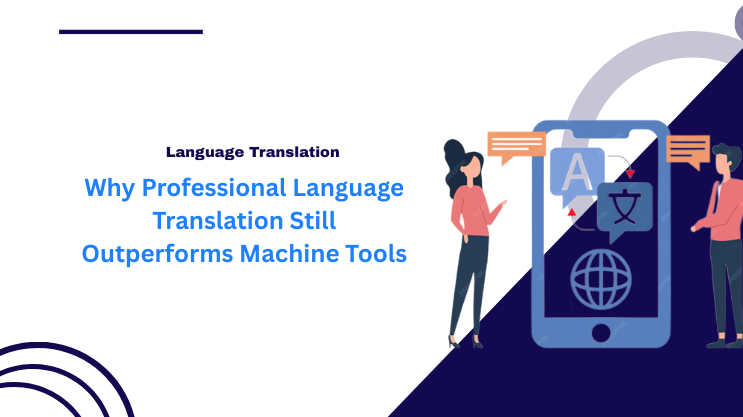
  • Why Professional Language Translation Still Outperforms Machine Tools

    Why Professional Language Translation Still Outperforms Machine Tools

    Machine translation tools have become faster, smarter, and more accessible than ever. While they offer convenience and speed, they still fall short in delivering the accuracy, nuance, and cultural understanding required for effective global communication. This is why professional language translation continues to outperform machine tools—especially for businesses that value quality, trust, and long-term success.

    1. Human Understanding of Context and Meaning

    Machine tools translate based on algorithms and data patterns, often missing context, tone, or intent. Professional translators understand the deeper meaning behind words and adapt content accordingly.

    Why it matters:

    • Preserves intended message
    • Avoids literal or misleading translations
    • Ensures clarity and relevance

    2. Cultural Nuance and Localization Expertise

    Language is deeply tied to culture. Professional translators localize content by considering cultural references, idioms, humor, and social norms-something machine tools struggle to do effectively.

    Benefits include:

    • Culturally appropriate messaging
    • Stronger audience connection
    • Reduced risk of cultural misunderstandings

    3. Industry-Specific Knowledge and Accuracy

    Professional translators often specialize in fields such as legal, medical, technical, or marketing translation. This expertise ensures correct terminology and compliance with industry standards.

    Key advantages:

    • Accurate technical language
    • Reduced risk of costly errors
    • Reliable industry-specific communication

    4. Consistent Brand Voice and Tone

    Maintaining a consistent brand voice across languages is critical for global businesses. Human translators adapt tone and style to suit different audiences while preserving brand identity.

    Results:

    • Unified global brand presence
    • Improved brand credibility
    • Enhanced customer trust

    5. Quality Control and Accountability

    Professional translation services include editing, proofreading, and quality assurance processes. Machine tools lack accountability and cannot guarantee error-free or contextually correct output.

    Professional standards ensure:

    • High accuracy and consistency
    • Confidentiality and data security
    • Responsibility for final output

    Conclusion

    While machine translation tools are useful for basic, informal understanding, they cannot replace the expertise of professional language translators. Human translators deliver accuracy, cultural relevance, industry expertise, and quality assurance that machines cannot match. For businesses aiming to communicate clearly and confidently on a global scale, professional translation remains the superior choice.

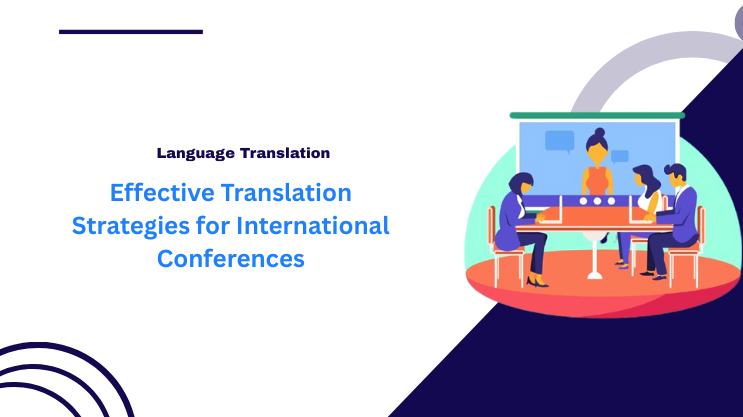
  • Effective Translation Strategies for International Conferences

    Effective Translation Strategies for International Conferences

    International conferences bring together diverse audiences, cultures, and languages under one platform. Clear and accurate communication is critical to ensure that ideas are shared effectively and every participant feels included. Implementing the right translation strategies can significantly enhance attendee experience, engagement, and the overall success of an international conference.

    1. Understand Your Audience and Language Needs

    The first step in planning translation for an international conference is identifying who your attendees are and what languages they speak. This includes speakers, delegates, sponsors, and virtual participants.

    Key actions:

    • Analyze registration data to identify language requirements
    • Prioritize languages based on audience size and regions
    • Plan for accessibility needs such as subtitles or sign language

    2. Choose the Right Translation Method

    Different conference formats require different translation solutions. Selecting the appropriate method ensures clarity and smooth communication.

    Common options include:

    • Simultaneous interpretation: Ideal for live speeches and panel discussions
    • Consecutive interpretation: Suitable for smaller sessions or Q&A segments
    • Live captioning and subtitling: Essential for hybrid or virtual events
    • Written translation: For agendas, presentations, and conference materials

    3. Engage Professional Conference Interpreters

    Conference interpretation demands specialized skills beyond general translation. Professional interpreters are trained to handle industry terminology, fast-paced discussions, and cultural nuances.

    Benefits:

    • Accurate and fluent delivery
    • Proper handling of technical or domain-specific content
    • Professional tone and consistency across sessions

    4. Prepare and Share Materials in Advance

    Providing interpreters with conference materials ahead of time improves translation accuracy and confidence during live sessions.

    Share in advance:

    • Speaker presentations and scripts
    • Event agendas and session outlines
    • Industry-specific glossaries or reference documents

    5. Use Reliable Technology and Equipment

    Technical reliability plays a major role in conference translation. Poor audio quality or unstable platforms can disrupt communication and frustrate participants.

    Best practices:

    • Use high-quality interpretation equipment or platforms
    • Test microphones, headsets, and translation channels
    • Ensure technical support is available throughout the event

    6. Plan for Hybrid and Virtual Conferences

    With the rise of hybrid and virtual events, translation strategies must extend beyond physical venues.

    Considerations include:

    • Multilingual live streams
    • Real-time subtitles for online attendees
    • On-demand translated recordings after the event

    7. Ensure Cultural Sensitivity and Localization

    Translation is not just about language-it’s also about culture. Cultural awareness ensures that messages are respectful, relevant, and well-received.

    Focus areas:

    • Local idioms and expressions
    • Formal vs. informal communication styles
    • Cultural expectations and etiquette

    8. Conduct Post-Conference Review and Feedback

    Evaluating translation effectiveness helps improve future events.

    Post-event actions:

    • Gather feedback from attendees on language support
    • Review interpreter performance and technical setup
    • Update language strategies for upcoming conferences

    Conclusion

    Effective translation strategies are essential for the success of international conferences. By planning ahead, working with professional interpreters, using the right technology, and prioritizing cultural understanding, organizers can create inclusive, engaging, and impactful global events. Investing in professional translation ensures that language never becomes a barrier to meaningful communication.

  • Language Polishing: Making Your Content Shine Globally

    Language Polishing: Making Your Content Shine Globally

    In a globalized digital world, content is often the first point of connection between a brand and its audience. However, even well-written content can lose its impact if it lacks clarity, consistency, or cultural sensitivity. Language polishing goes beyond basic proofreading-it refines your message to ensure it resonates clearly and professionally across global audiences.

    What Is Language Polishing?

    Language polishing is the process of refining content to improve clarity, tone, accuracy, and flow while preserving the original meaning. It ensures that your content sounds natural, professional, and culturally appropriate, especially when addressing international or multilingual audiences.

    Language polishing typically includes:

    • Grammar and spelling correction
    • Sentence structure improvement
    • Tone and style consistency
    • Terminology alignment
    • Cultural and linguistic refinement

    Why Language Polishing Matters for Global Content

    When content is shared across borders, even small language inconsistencies can affect credibility. Polished language builds trust and enhances reader engagement, regardless of the audience’s native language.

    Key benefits include:

    • Clear and professional communication
    • Stronger brand credibility
    • Improved global readability
    • Reduced risk of misinterpretation

    Enhancing Brand Voice Across Markets

    Every brand has a distinct voice. Language polishing ensures that this voice remains consistent across all platforms and regions, whether the content is marketing copy, corporate communication, or technical documentation.

    Result:

    • Unified global brand identity
    • Consistent messaging across languages
    • Greater audience recognition and trust

    Supporting Non-Native English and Multilingual Content

    For businesses operating internationally, content is often written by non-native speakers or translated from other languages. Language polishing ensures that such content reads fluently and naturally, without sounding literal or awkward.

    This is especially valuable for:

    • Websites and landing pages
    • Business proposals and reports
    • Academic and research content
    • Marketing and promotional materials

    Language Polishing vs. Proofreading

    While proofreading focuses on correcting errors, language polishing improves overall quality and readability. It enhances sentence flow, strengthens word choice, and ensures the content feels professionally crafted.

    In short:

    • Proofreading = error correction
    • Language polishing = quality enhancement

    Conclusion

    Language polishing transforms good content into impactful communication. By refining tone, structure, and clarity, it helps your message shine globally and connect meaningfully with diverse audiences. For businesses aiming to build trust, professionalism, and international presence, language polishing is not an option-it’s a necessity.