Tag: #GlobalBusiness

  • The Role of Secure Document Translation in Global Operations

    The Role of Secure Document Translation in Global Operations

    In today’s global business environment, organizations deal with sensitive information across borders-contracts, financial reports, legal documents, medical records, and technical manuals. Ensuring these documents are accurately translated while maintaining confidentiality is critical for smooth operations, regulatory compliance, and protecting business interests. Secure document translation is no longer optional-it’s a strategic necessity.

    1. Safeguarding Sensitive Information

    Global businesses handle highly confidential data. Professional secure translation services implement strict protocols to protect client information during the translation process.

    Key practices include:

    • Encrypted file transfers and storage
    • Confidentiality agreements with translators
    • Limited access to sensitive content

    Impact:

    • Protects intellectual property
    • Reduces risk of data breaches
    • Maintains business reputation

    2. Ensuring Accuracy in Critical Documents

    Errors in legal, financial, medical, or technical translations can have serious consequences. Secure document translation combines accuracy with confidentiality, ensuring critical information is translated correctly without exposing it to unnecessary risk.

    Benefits:

    • Minimizes legal and operational risks
    • Ensures compliance with industry standards
    • Enhances trust among global stakeholders

    3. Supporting Regulatory Compliance

    Many industries require strict adherence to privacy regulations, such as HIPAA in healthcare or GDPR in Europe. Professional translation services help companies meet these compliance requirements across multiple regions.

    Advantages include:

    • Avoidance of fines or legal penalties
    • Clear communication in all regulated markets
    • Streamlined cross-border operations

    4. Facilitating Global Business Operations

    Secure document translation enables companies to operate confidently in international markets. Whether negotiating contracts, sharing technical manuals, or submitting regulatory documents, businesses can rely on precise, secure translations.

    Operational benefits:

    • Faster global collaboration
    • Reduced miscommunication risks
    • Efficient expansion into new markets

    5. Building Trust with Partners and Clients

    Maintaining confidentiality while delivering accurate translations signals professionalism and reliability. Partners, clients, and stakeholders are more likely to trust businesses that prioritize both security and quality.

    Outcome:

    • Stronger international relationships
    • Enhanced corporate reputation
    • Competitive advantage in global markets

    Conclusion

    Secure document translation is a vital component of global business operations. By combining accuracy, confidentiality, and regulatory compliance, companies can protect sensitive information, ensure smooth international operations, and build trust with partners and clients. Investing in secure translation services is not just a precaution-it is a strategic move for sustainable global success.
  • The Hidden Power of Native-Language Communication in Business Growth

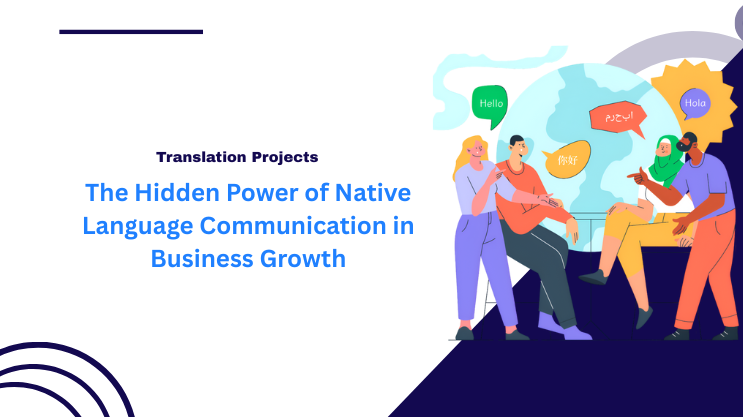
    The Hidden Power of Native-Language Communication in Business Growth

    In a global marketplace where competition is intense and customer expectations are high, businesses are constantly searching for ways to stand out. One often underestimated factor is native-language communication. Speaking to customers in their own language is not just a courtesy-it is a powerful driver of trust, engagement, and sustainable business growth.

    Building Trust Through Familiar Language

    Customers naturally feel more comfortable and confident when information is presented in their native language. It reduces uncertainty and creates a sense of familiarity, making businesses appear more approachable and reliable. When people clearly understand what a brand offers, they are more likely to engage and build long-term relationships.

    Improving Customer Experience and Engagement

    Native-language communication enhances the overall customer journey. From websites and marketing content to customer support and documentation, clear communication eliminates confusion and frustration. This leads to better engagement, longer interaction times, and higher satisfaction levels.

    Increasing Conversion Rates and Sales

    Customers are more likely to take action-such as making a purchase or signing up for a service-when they fully understand the message. Native-language content helps convey value propositions more effectively, directly influencing buying decisions and increasing conversion rates.

    Strengthening Brand Credibility

    Brands that invest in native-language communication demonstrate respect for local cultures and audiences. This cultural awareness strengthens brand credibility and positions the business as customer-centric and globally conscious. Over time, this approach builds loyalty and positive brand perception.

    Supporting Market Expansion and Scalability

    Entering new markets becomes smoother when businesses communicate in the local language. Native-language communication helps brands adapt to regional preferences, comply with local regulations, and build strong connections with partners and customers, enabling scalable global growth.

    Conclusion

    The hidden power of native-language communication lies in its ability to create genuine connections. By speaking directly to customers in the language they understand best, businesses unlock trust, improve engagement, and drive long-term growth. Investing in native-language communication is not just a strategy-it is a competitive advantage in today’s global business landscape.

  • The Evolution of Translation Services in a Rapidly Connected World

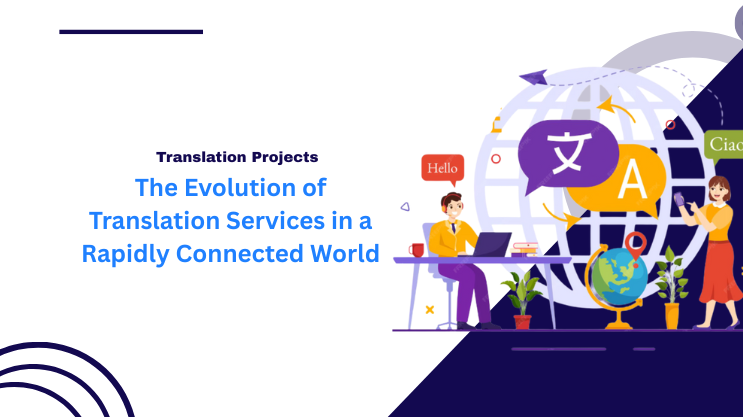
    The Evolution of Translation Services in a Rapidly Connected World

    The way the world communicates has changed dramatically over the past few decades. As businesses, communities, and individuals connect across borders more than ever before, translation services have evolved from a supportive function into a critical global enabler. In a rapidly connected world, translation is no longer just about converting words—it is about enabling understanding, trust, and collaboration across cultures.

    From Manual Translation to Professional Expertise

    In the early days, translation relied heavily on bilingual individuals and manual processes. While effective for basic needs, these methods often lacked consistency and domain-specific accuracy. As global trade and international communication expanded, the demand for professional translators with subject-matter expertise grew, marking a shift toward quality-driven translation services.

    The Rise of Technology in Translation

    Technological advancements transformed the translation industry. Computer-assisted translation tools, terminology management systems, and translation memories improved efficiency and consistency. These innovations allowed translators to work faster while maintaining accuracy, making translation more scalable for growing global demands.

    The Impact of AI and Automation

    Artificial intelligence and machine translation introduced speed and accessibility to the translation process. Businesses gained the ability to translate large volumes of content quickly. However, while AI enhanced efficiency, it also highlighted the ongoing need for human expertise to ensure context, tone, and cultural relevance are preserved.

    From Translation to Localization and Transcreation

    Modern translation services go beyond language conversion. Localization adapts content to cultural norms, regional preferences, and market expectations, while transcreation ensures creative content retains its emotional impact across languages. This evolution reflects the need for deeper cultural connection in global communication.

    Meeting the Needs of a Connected Global Economy

    Today’s businesses operate in real time across multiple regions. Translation services now support websites, mobile apps, global marketing campaigns, legal documentation, healthcare communication, and international events. Speed, accuracy, and cultural sensitivity are no longer optional-they are essential.

    The Future of Translation Services

    As global connectivity continues to grow, translation services will increasingly blend technology with human expertise. The future lies in hybrid models that combine AI efficiency with professional linguistic and cultural insight, enabling seamless communication in a multilingual world.

    Conclusion

    The evolution of translation services mirrors the evolution of global communication itself. In a rapidly connected world, translation has become a strategic necessity-empowering businesses to expand, connect, and succeed across languages and cultures. Those who invest in modern, professional translation services are better prepared to thrive in the global future.

  • Localization Challenges in Subscription-Based Digital Platforms

    Localization Challenges in Subscription-Based Digital Platforms

    Subscription-based digital platforms, including streaming services, SaaS products, and online learning tools, are rapidly expanding across global markets. While localization is key to reaching diverse audiences, these platforms face unique challenges when adapting content, interfaces, and experiences for different languages and cultures. Successfully addressing these challenges ensures higher engagement, retention, and customer satisfaction worldwide.

    1. Adapting User Interfaces for Multiple Languages

    One of the main challenges in localization is designing interfaces that work seamlessly across languages. Text length, script direction, and formatting can vary, impacting button placement, menus, and readability. Platforms must ensure that UI elements remain intuitive and visually appealing in every language.

    2. Handling Regional Pricing and Payment Methods

    Subscription platforms must localize pricing, currency, and payment options to align with each market. Different countries have preferred payment methods, and failure to provide them can result in abandoned subscriptions and lost revenue.

    3. Translating Dynamic and Frequently Updated Content

    Digital platforms often feature dynamic content such as product updates, notifications, and promotional banners. Localizing this constantly changing content in real-time while maintaining accuracy is a significant challenge.

    4. Maintaining Consistency Across Features and Tools

    Consistency in terminology and messaging is critical across multiple features like dashboards, help centers, and onboarding guides. Inconsistent translations can confuse users and negatively affect the overall user experience.

    5. Addressing Cultural Preferences and Legal Requirements

    Localization must account for cultural nuances, local norms, and regulatory compliance. For instance, certain content, imagery, or subscription terms may need adaptation to comply with local laws and consumer expectations.

    6. Managing Customer Support in Multiple Languages

    Providing support in native languages is essential for subscription retention. Platforms must equip customer support teams or chatbots with accurate multilingual responses to handle inquiries, technical issues, and complaints effectively.

    7. Ensuring Seamless Content Updates and Version Control

    When platforms roll out new features or updates, ensuring that localized versions are updated simultaneously can be complex. Proper version control and content management systems are vital to prevent discrepancies across markets.

    8. Balancing Automation and Human Expertise

    AI and machine translation tools help scale localization, but human review is essential for cultural accuracy and tone. Striking the right balance between automation and professional linguistic oversight ensures high-quality localized experiences.

    In conclusion, subscription-based digital platforms face multiple localization challenges, from UI adaptation and pricing to cultural compliance and multilingual support. Addressing these challenges strategically enables platforms to deliver seamless, culturally relevant, and engaging experiences, ultimately driving global growth and subscriber loyalty.

  • How Cultural Adaptation Improves International Marketing ROI

    How Cultural Adaptation Improves International Marketing ROI

    Expanding into global markets requires more than translating content-it demands cultural adaptation. Understanding local customs, values, and consumer behavior allows brands to communicate effectively, build trust, and maximize marketing ROI. By aligning marketing strategies with cultural expectations, businesses can engage audiences more meaningfully and drive measurable results.

    1. Understanding Local Consumer Behavior

    Cultural adaptation begins with analyzing how target audiences think, shop, and make decisions. Understanding preferences, social norms, and purchasing triggers helps brands create campaigns that resonate and increase the likelihood of conversions.

    2. Tailoring Messaging and Tone

    Messages that work in one region may not connect in another. Adjusting tone, humor, and phrasing to align with local sensibilities ensures campaigns are well-received, reducing the risk of misinterpretation or offense.

    3. Designing Culturally Relevant Visuals

    Colors, imagery, and symbols carry different meanings across cultures. Localized visuals enhance engagement, convey the right emotions, and support brand storytelling in ways that appeal to specific audiences.

    4. Optimizing Campaigns for Local Platforms

    Different regions favor different digital platforms and channels. Cultural adaptation involves choosing the right channels and formats for maximum reach, whether social media, email, search engines, or messaging apps.

    5. Enhancing Customer Trust and Credibility

    Brands that demonstrate cultural awareness show respect for their audience, building credibility and trust. Trust drives loyalty, repeat purchases, and positive word-of-mouth, all of which improve ROI.

    6. Personalizing Offers and Promotions

    Localized campaigns with region-specific offers, discounts, or seasonal promotions increase relevance and engagement. Personalized marketing enhances the perceived value of the brand and encourages higher conversion rates.

    7. Reducing Marketing Inefficiencies

    Campaigns that ignore cultural differences often fail, wasting budget and effort. By investing in cultural adaptation, brands reduce missteps, improve campaign performance, and achieve better returns on investment.

    8. Leveraging Analytics for Continuous Improvement

    Monitoring metrics across regions provides insights into what resonates culturally. Brands can refine messaging, visuals, and targeting strategies to optimize campaigns continually, further increasing ROI.

    In conclusion, cultural adaptation is a critical factor in maximizing international marketing ROI. By understanding local audiences, tailoring messaging, and aligning campaigns with cultural norms, businesses can drive engagement, build loyalty, and achieve measurable success in global markets.

  • The Importance of Translating Customer Reviews for Global Buyers

    The Importance of Translating Customer Reviews for Global Buyers

    Customer reviews play a crucial role in influencing buying decisions, building trust, and shaping brand perception. For businesses operating internationally, translating reviews into multiple languages ensures that global audiences can access authentic feedback, understand product value, and make informed choices. Effective translation of customer reviews enhances credibility, engagement, and overall e-commerce success.

    1. Building Trust with International Customers

    Reviews in a customer’s native language create a sense of transparency and reliability. When buyers can read authentic feedback in a language they understand, they are more likely to trust the product and the brand.

    2. Improving Purchase Confidence

    Global buyers may hesitate to purchase products if they cannot access reviews in their own language. Translating reviews removes this barrier, providing the reassurance needed to complete a purchase and reducing cart abandonment.

    3. Expanding Global Reach

    Multilingual reviews allow businesses to connect with wider audiences. By ensuring feedback is accessible across languages, brands can reach potential customers in new markets and increase international sales opportunities.

    4. Enhancing SEO and Online Visibility

    Translating customer reviews contributes to multilingual SEO by including relevant keywords and phrases naturally used by local audiences. This improves search engine rankings and drives organic traffic in international markets.

    5. Highlighting Product Features and Local Preferences

    Translated reviews can provide insights into how products are perceived in different regions. Businesses can use this feedback to tailor marketing strategies, improve product offerings, and better cater to local customer needs.

    6. Increasing Engagement and Interaction

    Allowing global customers to read and interact with reviews in their own language encourages engagement, such as comments, ratings, and sharing. This fosters a sense of community and strengthens the brand’s global presence.

    7. Maintaining Brand Credibility

    Accurate translation ensures that the tone, sentiment, and authenticity of reviews are preserved. Poorly translated reviews can mislead or confuse buyers, negatively impacting brand reputation.

    8. Supporting Customer Retention and Loyalty

    When international customers feel understood and supported through translated content, they are more likely to return for repeat purchases. Translated reviews contribute to a positive experience, reinforcing long-term loyalty.

    In conclusion, translating customer reviews is essential for building trust, improving purchase confidence, and expanding global reach. By delivering authentic, accessible, and culturally accurate feedback, businesses can enhance credibility, boost engagement, and drive international growth.

  • Why Global Brands Fail Without Proper Localization Strategies

    Why Global Brands Fail Without Proper Localization Strategies

    Expanding into international markets offers tremendous growth opportunities, but many global brands fail because they underestimate the importance of localization. Simply translating content is not enough; businesses must adapt their messaging, products, and user experience to resonate with local audiences. Without proper localization strategies, brands risk miscommunication, cultural misunderstandings, and lost market share.

    1. Misunderstanding Cultural Nuances

    Brands that ignore cultural differences often deliver messages that confuse or offend local audiences. Understanding local traditions, humor, social norms, and values is crucial to creating marketing and product content that feels relevant and authentic.

    2. Poorly Translated Content

    Literal translations without adaptation can lead to awkward phrasing, errors, or misinterpretation. Poorly translated websites, ads, or product descriptions reduce credibility and make the brand appear unprofessional.

    3. Inconsistent Brand Messaging

    Global consistency is important, but it should not come at the expense of local relevance. Brands that fail to adapt tone, imagery, and messaging for each market often struggle to connect with consumers and lose trust.

    4. Ignoring Local SEO and Search Behavior

    Failing to optimize content for local search engines and keywords limits visibility. Understanding how people search in different regions ensures the brand reaches potential customers and drives organic traffic effectively.

    5. Inadequate User Experience

    Localization is not just about language—it also involves adjusting website layouts, navigation, payment options, and customer support for local expectations. A poor user experience can result in high bounce rates and lost sales.

    6. Underestimating Legal and Regulatory Requirements

    Different markets have unique laws regarding advertising, product labeling, and data privacy. Brands that overlook localization in compliance risk fines, legal action, or reputational damage.

    7. Lack of Local Market Research

    Without understanding the target audience, competitors, and market preferences, global campaigns may fail to resonate. Effective localization requires thorough market research to guide messaging, offers, and content strategies.

    8. Missing Emotional Connection with Customers

    Successful brands connect emotionally with their audience. Failure to localize content, messaging, and experiences prevents brands from forming meaningful relationships, reducing loyalty and long-term engagement.

    In conclusion, proper localization strategies are essential for global brand success. By respecting cultural nuances, adapting messaging, optimizing user experience, and complying with local regulations, brands can build trust, enhance engagement, and achieve sustainable growth in international markets.

  • Language Translation as a Secret Weapon for Global Brands

    Language Translation as a Secret Weapon for Global Brands

    In today’s hyper-connected world, businesses are no longer limited by geography. Global expansion is within reach, but success depends on more than just products or services-it hinges on communication. Language translation has emerged as a secret weapon for global brands, enabling them to connect with diverse audiences, strengthen their reputation, and drive sustainable growth.

    1. Breaking Language Barriers to Expand Markets

    Effective translation allows brands to communicate clearly with customers worldwide. By presenting products, services, and marketing materials in local languages, businesses can tap into new markets with confidence.

    Key benefits:

    • Access to international customers
    • Increased market share
    • Faster global growth

    2. Strengthening Brand Identity and Trust

    A brand that speaks the language of its audience demonstrates cultural sensitivity and professionalism. Accurate, high-quality translations help maintain brand consistency and credibility across different regions.

    Impact:

    • Enhanced brand recognition
    • Greater customer trust
    • Stronger emotional connection with audiences

    3. Boosting Marketing ROI

    Localized content performs significantly better than generic messages. Translation allows brands to adapt campaigns to local preferences, idioms, and cultural nuances, ensuring marketing efforts resonate effectively.

    Advantages include:

    • Higher engagement and conversion rates
    • Improved campaign effectiveness
    • Better return on marketing investment

    4. Supporting Customer Experience and Loyalty

    Customers prefer brands that communicate in their native language. Translation enhances the user experience across websites, apps, product manuals, and support channels, creating loyal, satisfied customers.

    Benefits:

    • Seamless customer interactions
    • Reduced confusion and errors
    • Increased customer retention

    5. Enabling Competitive Advantage

    Brands that invest in professional translation gain a strategic edge over competitors who overlook the importance of language. It’s not just about communication-it’s about creating meaningful connections that drive business growth.

    Outcome:

    • Differentiation in global markets
    • Stronger international partnerships
    • Sustainable long-term growth

    Conclusion

    Language translation is more than a tool-it’s a strategic asset that empowers global brands to succeed across borders. By breaking language barriers, building trust, and enhancing customer engagement, translation serves as a secret weapon that fuels international expansion and long-term brand success.

  • Document Translation Mistakes That Could Harm Your Business Reputation

    Document Translation Mistakes That Could Harm Your Business Reputation

    In the global business landscape, accuracy in communication is critical. Document translation is not just about converting words from one language to another-it is about conveying meaning, tone, and intent. Mistakes in translated documents can lead to confusion, legal issues, and even damage your business reputation. Understanding common pitfalls can help companies protect their brand and communicate effectively across markets.

    1. Literal Translation Without Context

    Translating word-for-word may seem efficient, but it often results in awkward phrasing or misunderstood meaning. Ignoring context, idioms, or cultural nuances can make your documents seem unprofessional or confusing.

    Impact:

    • Miscommunication with international clients
    • Loss of credibility
    • Confusion in contracts, manuals, or marketing materials

    2. Ignoring Cultural Sensitivity

    Cultural differences influence how messages are perceived. Failing to localize content appropriately can offend or alienate your target audience, even if the translation is technically correct.

    Consequences:

    • Damaged brand reputation
    • Reduced customer trust
    • Missed opportunities in target markets

    3. Using Unqualified Translators

    Relying on inexperienced or non-specialist translators can lead to errors, especially in technical, legal, or medical documents. Industry-specific terminology requires precision and expertise.

    Risks include:

    • Misinterpretation of critical information
    • Legal or compliance issues
    • Potential financial losses

    4. Neglecting Proofreading and Quality Checks

    Even skilled translators can make mistakes. Skipping review and quality assurance increases the likelihood of errors in grammar, formatting, or accuracy.

    Negative outcomes:

    • Typos and inconsistencies
    • Reduced professionalism
    • Potential misunderstandings with partners or clients

    5. Overlooking Formatting and Design

    Documents often contain tables, charts, or specific layouts. Poorly adapted formatting in translated documents can create confusion or appear sloppy, undermining credibility.

    Effects:

    • Unprofessional presentation
    • Misalignment in reports or manuals
    • Frustration for readers

    6. Not Considering Legal or Regulatory Requirements

    Legal documents, contracts, or compliance materials require precise translation. Failing to meet legal standards in another language can lead to disputes, penalties, or reputational damage.

    Critical risks:

    • Legal disputes
    • Non-compliance with regulations
    • Financial and reputational losses

    Conclusion

    Document translation is more than a linguistic task—it is a critical business function that affects reputation, credibility, and operational success. Avoiding common translation mistakes requires professional translators, cultural awareness, and stringent quality checks. Investing in accurate, context-sensitive document translation safeguards your brand and ensures clear communication in every market.

  • Translating Academic Documents for Global Study Opportunities

    Translating Academic Documents for Global Study Opportunities

    Studying abroad opens doors to global education, diverse cultures, and career growth. However, applying to universities overseas often requires accurate translation of academic documents. From transcripts and diplomas to recommendation letters, professional academic translation ensures that your credentials are correctly interpreted and accepted worldwide.

    1. Ensuring Accuracy in Academic Credentials

    Universities and institutions require precise documentation to evaluate applications. Even minor translation errors can lead to misunderstandings, delays, or rejection. Professional translators with experience in academic terminology ensure every detail is correct.

    Benefits include:

    • Accurate representation of academic achievements
    • Avoidance of application errors
    • Higher acceptance rates

    2. Supporting International Admissions

    Different countries and universities have specific documentation standards. Professional translation services provide formatted and certified translations that meet international academic requirements.

    Advantages:

    • Smooth admission process
    • Compliance with university guidelines
    • Reduced administrative hurdles

    3. Maintaining Clarity and Context

    Academic documents often include technical terms, abbreviations, and institution-specific references. Professional translators understand context and subject-specific terminology, ensuring clarity and coherence.

    Why it matters:

    • Preserves the original meaning
    • Avoids misinterpretation of academic credentials
    • Enhances credibility of applications

    4. Certification and Legal Acceptance

    Many universities require certified translations for official documents. Professional translation agencies provide notarized or certified translations recognized by educational authorities, embassies, and visa offices.

    Impact:

    • Legal acceptance of documents
    • Streamlined visa and admission process
    • Peace of mind for applicants

    5. Facilitating Scholarships and Career Opportunities

    Accurate translation of academic records not only supports university admissions but also strengthens applications for scholarships, internships, and global career opportunities.

    Long-term benefits:

    • Increased eligibility for scholarships
    • Better opportunities for international internships
    • Enhanced professional credibility

    Conclusion

    Professional translation of academic documents is a vital step for students seeking global study opportunities. By ensuring accuracy, clarity, and compliance with international standards, translation services help students present their academic achievements confidently, opening doors to education and career prospects worldwide.