Tag: #GlobalBusiness

  • When Every Second Counts: The Real Value of Live Interpretation

    When Every Second Counts: The Real Value of Live Interpretation

    In a world where communication happens in real time, language barriers can no longer afford delays. Whether it’s a high-stakes business negotiation, a medical emergency, or a global virtual conference, every second matters. This is where live interpretation proves its true value-not as a luxury, but as a necessity.

    What Is Live Interpretation?

    Live interpretation is the immediate oral translation of spoken language from one language to another. Unlike written translation, it requires speed, accuracy, cultural awareness, and sharp decision-making-all in real time.

    Common forms of live interpretation include:

    • Simultaneous interpretation (real-time delivery)
    • Consecutive interpretation (speaker pauses for interpretation)
    • Remote interpretation (via phone or video platforms)

    Why Live Interpretation Is Critical in Time-Sensitive Situations

    1. No Room for Delay

    In live environments, waiting is not an option. A few seconds of misunderstanding can lead to:

    • Lost business opportunities
    • Medical miscommunication
    • Legal complications
    • Safety risks

    Live interpreters ensure that communication flows instantly and seamlessly, keeping conversations on track.

    2. Accuracy Under Pressure

    Professional interpreters are trained to think, listen, translate, and speak simultaneously. This skill ensures:

    • Precise delivery of meaning, not just words
    • Correct terminology in technical or legal contexts
    • Clarity even during fast-paced discussions

    Accuracy under pressure is what separates professional interpretation from automated tools.

    3. Cultural Sensitivity in Real Time

    Live interpretation goes beyond language. Interpreters adjust tone, context, and expressions to suit cultural norms. This helps:

    • Avoid misunderstandings
    • Build trust instantly
    • Maintain professionalism across cultures

    In critical moments, cultural awareness can be just as important as linguistic accuracy.

    Where Live Interpretation Makes the Biggest Impact

    Business & Corporate Meetings

    From boardroom negotiations to international partnerships, live interpretation helps decision-makers act confidently and swiftly.

    Healthcare & Emergency Services

    In medical situations, clear communication can be life-saving. Live interpreters help patients and professionals understand each other without delay.

    Legal & Government Proceedings

    Courtrooms, immigration interviews, and official hearings demand precision and neutrality-live interpretation ensures fairness and compliance.

    Conferences & Global Events

    Real-time interpretation keeps international audiences engaged, informed, and included, regardless of language.

    Human Expertise vs. Automated Solutions

    While technology plays a role in language services, live interpretation remains a human-driven skill. Machines may translate words, but they often miss:

    • Emotion
    • Intent
    • Context
    • Cultural nuance

    When the stakes are high, human expertise delivers reliability that technology alone cannot match.

    The True Value: Confidence, Clarity, and Connection

    Live interpretation enables people to speak naturally, respond instantly, and connect meaningfully-without language holding them back. It empowers organizations to:

    • Make faster decisions
    • Avoid costly misunderstandings
    • Build stronger global relationships

    Final Thoughts

    When every second counts, live interpretation is more than a service-it’s a strategic advantage. It ensures that language never becomes a barrier when clarity, speed, and understanding are essential.

    In moments that matter most, real-time communication makes all the difference.

  • What Happens When You Ignore Localization

    What Happens When You Ignore Localization

    In today’s global-first digital economy, reaching international audiences is easier than ever. But while many businesses translate their content, far fewer invest in localization-the process of adapting content to cultural, linguistic, and regional nuances. Ignoring localization can quietly damage brand credibility, customer trust, and revenue.

    Let’s explore what really happens when localization is overlooked.

    1. Your Message Loses Its Meaning

    Direct translation focuses on words, not intent. Idioms, humor, tone, and context often don’t carry the same meaning across cultures. Without localization, your message may sound confusing, awkward, or even offensive.

    Result:
    Customers misunderstand your brand’s value or ignore your message entirely.

    2. Customer Trust Declines

    People trust brands that speak their language -not just linguistically, but culturally. When content feels foreign or poorly adapted, users may question the quality and reliability of your product or service.

    Result:
    Lower engagement, higher bounce rates, and reduced conversions.

    3. Your Brand Feels Distant and Generic

    Global audiences don’t want one-size-fits-all messaging. Localization allows your brand to feel local, familiar, and relevant in each market.

    Without localization:
    Your brand sounds generic, impersonal, and disconnected from local audiences.

    4. Marketing Campaigns Underperform

    Marketing strategies that work in one country may fail in another. Colors, symbols, slogans, and calls-to-action can have different meanings across regions.

    Result:
    Ad campaigns miss emotional triggers, leading to poor ROI despite high spending.

    5. User Experience Suffers

    Websites, apps, and software that aren’t localized often have issues like incorrect date formats, currencies, measurements, or reading direction.

    Result:
    Users struggle to navigate your product and may abandon it altogether.

    6. SEO Visibility Drops in Global Markets

    Localization goes beyond translation-it includes localized keywords and search behavior. Ignoring this means your content may never appear in regional search results.

    Result:
    Lost organic traffic and reduced global discoverability.

    7. Legal and Compliance Risks Increase

    Certain regions have strict regulations regarding language usage, disclaimers, and consumer information. Poorly localized content can lead to misunderstandings or legal consequences.

    Result:
    Compliance issues, penalties, or damaged reputation.

    8. Competitors Gain the Advantage

    While you rely on generic global content, competitors who invest in localization build stronger emotional connections with local audiences.

    Result:
    They win trust, loyalty, and market share-while you struggle to catch up.

    Why Localization Is No Longer Optional

    Localization is not an extra cost-it’s a strategic investment. It bridges cultural gaps, enhances user experience, and ensures your message resonates exactly as intended across borders.

    In a world where customers expect personalized experiences, ignoring localization means choosing invisibility in global markets.

    Final Thought

    If translation helps your content be understood, localization helps it be remembered. Businesses that localize don’t just enter new markets-they belong there.

  • The Hidden Psychology Behind Successful Localized Content

    The Hidden Psychology Behind Successful Localized Content

    In a world where brands speak to global audiences, language alone is no longer enough. Successful localized content goes beyond translation-it taps into human psychology, cultural behavior, and emotional triggers that influence how people think, feel, and act.

    Understanding this hidden psychology is what separates content that merely exists in another language from content that truly connects.

    1. People Trust What Feels Familiar

    Human brains are wired to trust familiarity. When content reflects local expressions, cultural references, and everyday language patterns, audiences feel an instant sense of comfort.

    Localized content:

    • Uses region-specific phrases and idioms
    • Matches local communication styles (formal vs informal)
    • Reflects familiar social norms

    This familiarity reduces cognitive effort, making users more open to your message-and your brand.

    2. Culture Shapes Decision-Making

    Buying decisions are deeply influenced by cultural values. What motivates action in one market may not work in another.

    For example:

    • Some cultures value individual success, while others prioritize community and harmony
    • Colors, symbols, and numbers carry different emotional meanings
    • Humor, storytelling, and persuasion styles vary widely

    Effective localization aligns content with these cultural motivations, increasing engagement and conversion rates.

    3. Emotion Drives Engagement, Not Words

    People don’t remember perfect grammar-they remember how content makes them feel.

    Localized content succeeds when it:

    • Mirrors emotional tone appropriate to the region
    • Respects local sensitivities and taboos
    • Uses culturally relevant storytelling

    When emotions are aligned correctly, content feels natural, relatable, and trustworthy.

    4. Language Identity Creates Belonging

    Language is tied to identity. When brands communicate in a way that respects local dialects, terminology, and linguistic nuances, audiences feel seen and valued.

    This psychological effect:

    • Builds stronger brand loyalty
    • Encourages repeat engagement
    • Turns customers into brand advocates

    Localization isn’t just about clarity-it’s about inclusion.

    5. Visual Psychology Matters Too

    Localization isn’t limited to text. Visual elements also carry psychological weight.

    Successful localized content considers:

    • Local color psychology
    • Image relevance and cultural representation
    • Reading patterns and layout preferences

    Even a perfectly translated message can fail if visuals don’t resonate culturally.

    6. Trust Is Built Through Cultural Respect

    Audiences can sense when content is forced or generic. Poor localization signals lack of effort and cultural awareness, damaging brand credibility.

    On the other hand, thoughtful localization:

    • Shows respect for the audience
    • Demonstrates market understanding
    • Positions the brand as authentic and reliable

    Trust, once built, directly influences long-term success.

    Conclusion: Localization Is Psychology in Action

    At its core, localization is about human connection. The most successful global brands understand that words must align with emotions, culture, and identity.

    When content speaks the audience’s language-psychologically and culturally-it doesn’t just communicate.
    It connects. It persuades. It converts.

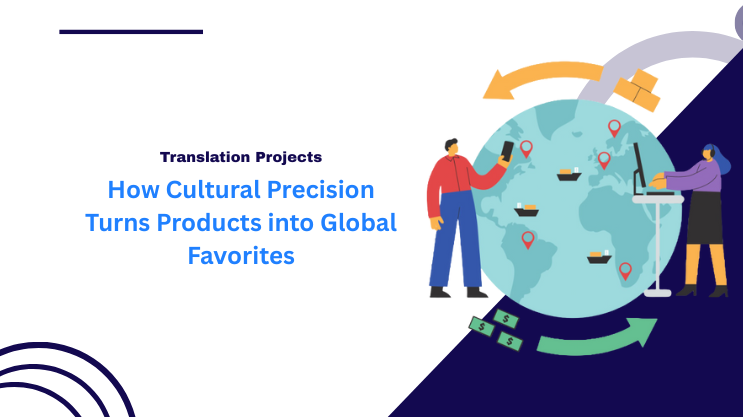
  • How Cultural Precision Turns Products into Global Favorites

    How Cultural Precision Turns Products into Global Favorites

    In today’s borderless marketplace, a great product alone is no longer enough. What separates globally loved brands from those that struggle abroad is cultural precision-the ability to understand, respect, and adapt to local cultures without losing brand identity.

    When businesses invest in cultural precision, they don’t just sell products; they create connections, trust, and loyalty across regions.

    What Is Cultural Precision?

    Cultural precision goes beyond literal translation. It involves adapting:

    • Language and tone
    • Visual design and color symbolism
    • User behavior and expectations
    • Local values, customs, and sensitivities

    The goal is to make a product feel native, not foreign.

    A culturally precise product feels as though it was created for the local audience-even if it originated thousands of miles away.

    Why Cultural Precision Matters in Global Markets

    1. Consumers Buy What Feels Familiar

    People trust what resonates with their cultural norms. A message that feels natural increases comfort, confidence, and purchase intent.

    2. Avoids Costly Cultural Missteps

    A single poorly adapted phrase, image, or color can damage brand reputation. Cultural precision prevents misunderstandings and protects brand credibility.

    3. Builds Emotional Connections

    Global favorites don’t just communicate-they connect emotionally. Cultural relevance helps brands speak to values, humor, and aspirations unique to each region.

    Key Elements of Cultural Precision

    1. Language That Reflects Local Thinking

    Effective localization adapts:

    • Idioms and expressions
    • Formal vs. casual tone
    • Regional dialects and variations

    Literal translations may convey words, but cultural precision conveys meaning.

    2. Design That Matches Cultural Preferences

    Colors, layouts, and imagery carry different meanings worldwide.

    • Colors symbolize different emotions across cultures
    • Reading patterns vary by region
    • Visual density preferences differ

    Design localization ensures visuals support, not contradict, your message.

    3. Content That Aligns with Cultural Values

    Cultural precision means understanding:

    • What motivates local audiences
    • How authority and trust are perceived
    • What storytelling styles resonate

    This alignment transforms marketing from promotion into conversation.

    4. Voice, Audio, and Human Touch

    Voice-over, dubbing, and subtitling require cultural nuance.

    • Accent and pronunciation matter
    • Voice tone influences credibility
    • Timing and emotional delivery vary

    The right voice can make global content feel deeply personal.

    Real Impact: From Products to Global Favorites

    Brands that succeed globally:

    • Adapt packaging and instructions for local use
    • Localize apps and websites for regional habits
    • Customize campaigns to reflect local festivals and values

    These brands aren’t just recognized-they are embraced.

    Cultural precision turns users into advocates and products into trusted companions.

    Cultural Precision Is a Long-Term Investment

    While speed matters, accuracy and cultural relevance matter more. Businesses that prioritize cultural precision:

    • Build long-lasting global trust
    • Reduce rework and brand risk
    • Increase customer retention and loyalty

    Global success is not about being everywhere-it’s about belonging everywhere.

    Final Thoughts

    In a world full of choices, customers choose brands that understand them. Cultural precision transforms products from international offerings into local favorites with global reach.

    When brands respect culture, culture rewards them with loyalty.

  • From Market Entry to Market Trust: The Power of Smart Localization

    From Market Entry to Market Trust: The Power of Smart Localization

    Entering a new market is an exciting milestone for any business-but true success doesn’t come from entry alone. It comes when your brand earns trust, relevance, and emotional connection with local audiences. This is where smart localization plays a transformative role.

    Localization goes far beyond translation. It’s the strategic process of adapting content, design, tone, and user experience to resonate naturally within a specific market. When done right, localization becomes a powerful trust-building tool.

    Understanding Smart Localization

    Smart localization is the intentional alignment of your brand message with local culture, language, and expectations. It combines linguistic accuracy with cultural intelligence and market insight.

    Unlike basic translation, smart localization considers:

    • Cultural nuances and sensitivities
    • Local buying behavior and preferences
    • Regional tone, humor, and communication style
    • Market-specific regulations and norms

    The result? Content that feels created for the audience-not converted for them.

    Market Entry Is Just the First Step

    Many brands believe launching in a new language equals market readiness. However, audiences can quickly sense when content feels foreign or generic.

    Poorly localized content can lead to:

    • Misunderstood messaging
    • Loss of credibility
    • Low engagement and conversion rates

    Smart localization ensures your first impression is authentic, culturally appropriate, and aligned with local expectations—setting a strong foundation from day one.

    How Smart Localization Builds Market Trust

    1. Speaks the Language of the Audience

    When content mirrors how people naturally communicate, it creates instant familiarity. Customers feel understood, not targeted.

    2. Respects Cultural Identity

    Localization that honors traditions, values, and social norms demonstrates respect-an essential element in trust-building.

    3. Creates Emotional Connection

    Trust grows when audiences feel your brand understands their world, not just their words.

    4. Enhances Brand Credibility

    Consistent, high-quality localized content signals professionalism and long-term commitment to the market.

    Beyond Words: Localization Across Touchpoints

    Smart localization extends to every brand interaction, including:

    • Websites and mobile apps
    • Marketing campaigns and ads
    • Product packaging and manuals
    • Voiceovers, subtitling, and dubbing
    • Visual design, colors, and layouts

    Each touchpoint reinforces trust when localized cohesively and thoughtfully.

    Localization as a Long-Term Strategy

    Market trust is not built overnight. Smart localization evolves with the market:

    • Adapting to language trends
    • Updating cultural references
    • Aligning with changing consumer expectations

    Brands that invest in ongoing localization are seen as local players, not outsiders.

    The Competitive Advantage of Smart Localization

    Businesses that prioritize smart localization benefit from:

    • Higher engagement and customer loyalty
    • Improved conversion and retention rates
    • Stronger brand reputation across regions
    • Sustainable global growth

    In competitive global markets, trust is the ultimate differentiator.

    Conclusion: From Presence to Belonging

    Market entry gets you noticed.
    Smart localization helps you belong.

    When your brand communicates with cultural intelligence and linguistic precision, it transforms from a foreign name into a trusted local voice. In today’s global economy, local relevance is global power.

  • The Science Behind Voice Choice in Multilingual Content

    The Science Behind Voice Choice in Multilingual Content

    In today’s globalized digital landscape, content is more than words-it’s the voice that communicates your brand’s identity, values, and intent. But when content crosses linguistic and cultural boundaries, voice choice becomes a science. Selecting the right tone, style, and personality for multilingual audiences is critical to engagement, comprehension, and brand loyalty.

    1. Understanding the Psychology of Voice

    Voice influences how audiences perceive and respond to content. Studies in psychology and linguistics show that tone, formality, and phrasing affect trust, credibility, and emotional engagement. In multilingual content, maintaining the intended emotional and cognitive impact is key.

    Why it matters:

    • Shapes audience perception
    • Enhances emotional resonance
    • Influences decision-making

    2. Cultural Nuances Affect Voice Perception

    A voice that feels authoritative in one culture may seem distant in another. Different languages carry unique connotations, formalities, and social norms. Understanding these cultural nuances ensures that content resonates naturally with local audiences.

    Benefits:

    • Avoids miscommunication and cultural faux pas
    • Builds relatability and trust
    • Enhances user engagement

    3. Balancing Formality, Tone, and Style

    Different audiences have varied expectations regarding formality, humor, and storytelling. A successful multilingual strategy considers these factors when adapting content, ensuring that messaging aligns with cultural and contextual norms.

    Impact:

    • Better audience comprehension
    • Increased content effectiveness
    • Consistent brand voice across regions

    4. Combining AI and Human Expertise

    While AI tools help scale multilingual content, the subtlety of voice requires human insight. Linguists and content strategists ensure that tone, nuance, and cultural references are preserved across translations and adaptations.

    The ideal approach:

    • AI for efficiency and consistency
    • Humans for nuance, context, and cultural sensitivity

    5. Measuring Voice Effectiveness

    Data-driven approaches help brands evaluate the impact of voice in different languages. Engagement metrics, sentiment analysis, and user feedback provide insights into how voice affects comprehension, perception, and behavior.

    Outcomes:

    • Informed content strategy
    • Continuous optimization for each market
    • Improved global communication effectiveness

    Conclusion

    Voice choice in multilingual content is both an art and a science. By understanding cultural psychology, linguistic nuances, and audience expectations, brands can craft content that resonates authentically across borders. Combining technology with human expertise ensures that your voice remains consistent, impactful, and globally understood.

  • The One Sentence That Could Make or Break International Negotiations

    The One Sentence That Could Make or Break International Negotiations

    In international business, communication is everything. A single sentence, if mistranslated, misinterpreted, or poorly phrased, can dramatically alter the outcome of a negotiation. Understanding the power of language and cultural nuance is essential for global success. In international negotiations, it’s not just what you say, but how it is conveyed that can make or break a deal.

    1. Words Carry Weight Across Borders

    Languages carry not only meaning but also cultural context and emotion. A sentence that seems neutral in one language may come across as aggressive, ambiguous, or disrespectful in another. Professional translation and interpretation ensure that messages convey the intended tone.

    Impact on negotiations:

    • Avoids misunderstandings
    • Maintains professionalism
    • Preserves trust between parties

    2. Cultural Nuance Can Change Interpretation

    Different cultures interpret phrasing, politeness, and directness differently. What is considered assertive in one country might be seen as rude in another. Understanding cultural norms is critical to framing key sentences appropriately.

    Benefits:

    • Shows respect for cultural expectations
    • Enhances rapport and credibility
    • Reduces the risk of offense

    3. Precision Prevents Legal and Strategic Risk

    Contracts, agreements, and proposals often hinge on the phrasing of a single sentence. Ambiguity or error can lead to disputes, legal complications, or lost opportunities. High-quality translation and careful phrasing protect both parties’ interests.

    Advantages:

    • Minimizes legal risk
    • Ensures clarity in agreements
    • Supports confident decision-making

    4. The Role of Professional Interpretation

    Live negotiations often require interpreters who can convey not only words but also intent, tone, and subtle cues. A skilled interpreter can prevent miscommunication, clarify meaning, and maintain the flow of discussion, ensuring that no sentence undermines the negotiation.

    Strategic value:

    • Real-time accuracy
    • Maintains relationship dynamics
    • Facilitates smooth, productive discussions

    5. Language as a Strategic Tool

    Savvy international negotiators recognize language as a tool, not just a medium. Carefully crafting and translating each sentence allows businesses to convey confidence, respect, and clarity-creating opportunities rather than obstacles.

    Outcome:

    • Stronger deals
    • Trusted global partnerships
    • Enhanced reputation in international markets

    Conclusion

    In international negotiations, a single sentence can have enormous impact. Investing in professional translation, interpretation, and cultural insight ensures that every word supports your objectives rather than jeopardizing them. By treating language as a strategic asset, businesses can negotiate with confidence, clarity, and success on the global stage.

  • How Top Companies Leverage Interpretation for Instant Global Success

    How Top Companies Leverage Interpretation for Instant Global Success

    In an increasingly global business landscape, success often hinges on effective communication. While translation helps with written content, interpretation enables real-time, seamless dialogue across languages and cultures. Leading companies recognize that investing in professional interpretation is not just a support function—it is a strategic tool that accelerates international growth and strengthens global presence.

    1. Real-Time Communication Across Borders

    Professional interpretation allows executives, teams, and clients to communicate instantly without language barriers. This capability is crucial during negotiations, board meetings, webinars, and virtual conferences.

    Benefits include:

    • Immediate understanding between international stakeholders
    • Smooth collaboration across countries
    • Faster decision-making

    2. Enhancing Negotiations and Partnerships

    In high-stakes business discussions, every word matters. Top companies use interpreters to ensure clarity, nuance, and cultural context, which can be the difference between sealing a deal or losing an opportunity.

    Strategic advantage:

    • Accurate, nuanced communication
    • Improved negotiation outcomes
    • Stronger trust and credibility with partners

    3. Supporting Global Events and Conferences

    Multilingual conferences, product launches, and investor meetings require interpretation to engage diverse audiences. Professional interpreters ensure that all participants can actively contribute, enhancing the effectiveness of global events.

    Event benefits:

    • Inclusive and accessible communication
    • Higher audience engagement
    • Positive attendee experience

    4. Strengthening Brand Reputation

    Companies that invest in high-quality interpretation demonstrate professionalism and cultural awareness. Accurate interpretation reflects respect for clients and partners, reinforcing a brand’s reputation worldwide.

    Outcomes include:

    • Increased credibility and trust
    • Stronger international relationships
    • Positive global brand perception

    5. Accelerating Global Expansion

    By enabling instant communication and fostering trust, interpretation supports rapid market entry and international growth. Top companies leverage interpretation as a strategic investment to operate confidently across regions.

    Long-term impact:

    • Faster expansion into new markets
    • Improved cross-border collaboration
    • Sustainable global growth

    Conclusion

    Interpretation is more than a linguistic service-it is a strategic enabler for instant global success. Top companies leverage professional interpretation to communicate clearly, build trust, and expand rapidly across borders. In a multilingual world, real-time understanding is a competitive advantage that drives growth, credibility, and lasting relationships.

  • Why Global Brands Invest Heavily in Professional Content Writing

    Why Global Brands Invest Heavily in Professional Content Writing

    In a world dominated by digital communication, content is more than just information-it is the lifeblood of brand identity, audience engagement, and business growth. Global brands understand that high-quality, professional content writing is not an expense but a strategic investment that drives tangible results across markets and platforms.

    1. Establishing Brand Authority and Credibility

    Professionally written content helps brands articulate their expertise, values, and vision. Accurate, compelling, and well-structured content positions businesses as leaders in their industry, earning the trust of audiences worldwide.

    Benefits include:

    • Enhanced brand reputation
    • Authority in niche markets
    • Increased customer trust

    2. Driving Engagement and Customer Interaction

    Global brands rely on content to spark conversations, inform audiences, and encourage action. High-quality content, tailored for target demographics, keeps readers engaged and motivates interaction.

    Impact on business:

    • Higher website traffic and social media engagement
    • Improved lead generation and conversions
    • Stronger audience relationships

    3. Supporting Global Marketing Strategies

    Content writing is a key component of marketing campaigns. Professional writers craft messaging that aligns with brand strategy, resonates with diverse audiences, and adapts to local markets, helping businesses expand internationally with consistency and impact.

    Advantages include:

    • Consistent brand voice across markets
    • Effective localization for global reach
    • Better ROI on marketing campaigns

    4. Enhancing SEO and Digital Visibility

    Global brands invest in content that not only informs but also performs. SEO-optimized content increases online visibility, attracts targeted traffic, and supports search engine rankings across languages and regions.

    Benefits:

    • Improved discoverability in global markets
    • Higher organic traffic and engagement
    • Long-term digital growth

    5. Ensuring Quality, Accuracy, and Professionalism

    In a crowded digital landscape, poorly written or generic content can damage brand image. Professional content writing ensures clarity, correctness, and creative excellence, reinforcing the brand’s professionalism and reliability.

    Outcomes:

    • Reduced errors and miscommunication
    • Polished, compelling messaging
    • Stronger audience perception and loyalty

    Conclusion

    Global brands invest heavily in professional content writing because it is a strategic asset, not a mere operational task. From building authority and driving engagement to supporting marketing strategy and SEO, high-quality content empowers brands to connect meaningfully with audiences, maintain credibility, and achieve sustainable growth worldwide.

    In today’s competitive global marketplace, investing in professional content writing is investing in a brand’s long-term success.

  • How to Expand Your Startup Globally with Localized Content

    How to Expand Your Startup Globally with Localized Content

    For startups looking to scale beyond domestic borders, global expansion offers immense opportunity-and significant challenges. One of the most effective ways to succeed internationally is through localized content. Localization goes beyond translation, adapting your messaging, product experience, and brand voice to resonate with local audiences. For startups, this strategy can be a powerful growth accelerator.


    Why Localized Content Matters for Startups

    1. Builds Instant Trust: Customers are more likely to engage with brands that speak their native language.
    2. Improves User Experience: Localized websites, apps, and support content feel intuitive and user-friendly.
    3. Increases Conversion Rates: Tailored messaging encourages sign-ups, downloads, and purchases.
    4. Reduces Market Entry Risk: Localization minimizes cultural missteps and misunderstandings.
    5. Strengthens Brand Credibility: A localized presence signals professionalism and long-term commitment.

    Key Areas to Localize for Global Expansion

    • Website and Landing Pages: Adapt content, tone, currency, and visuals for each market.
    • Product Interfaces: Localize UI text, onboarding flows, and microcopy.
    • Marketing Campaigns: Customize ads, emails, and social media content by region.
    • Customer Support: Offer multilingual FAQs, chat, and help documentation.
    • Legal and Compliance Content: Translate terms, policies, and disclosures accurately.

    Challenges Startups Face Without Localization

    • Low engagement from international users
    • High bounce rates and abandoned sign-ups
    • Misinterpretation of product value
    • Reduced trust and credibility
    • Slower global growth

    Best Practices for Startup Localization

    1. Start with Priority Markets: Focus on regions with the highest growth potential.
    2. Use Professional Localization Services: Ensure cultural accuracy and consistency.
    3. Create Style Guides and Glossaries: Maintain brand voice across languages.
    4. Leverage Technology: Use translation management systems (TMS) to scale efficiently.
    5. Test with Local Users: Validate content through feedback and usability testing.

    Tools That Support Scalable Localization

    • Translation Management Systems (TMS): Centralize multilingual content workflows.
    • Glossaries and Brand Guidelines: Ensure consistent messaging.
    • In-Context Review Platforms: Visualize content in real product environments.
    • Analytics Tools: Measure performance across regions and languages.

    Conclusion

    Localized content is a strategic investment that enables startups to expand globally with confidence. By speaking the language of your customers-both linguistically and culturally-you can create meaningful connections, improve conversions, and accelerate international growth. Startups that prioritize localization early are better positioned to compete, scale, and succeed in global markets

    Startup localization, global expansion strategy, localized content, multilingual marketing, international growth, translation and localization, Honey Translation Services.