Tag: #DocumentTranslation

  • Preparing Multilingual Websites for International SEO

    Preparing Multilingual Websites for International SEO

    Expanding a business globally requires more than just translating your website into multiple languages. To reach international audiences effectively, your website must be optimized for search engines in each target region. International SEO for multilingual websites ensures higher visibility, better user experience, and increased organic traffic across different countries and languages.

    1. Conducting Comprehensive Keyword Research

    Before translating content, identify keywords that are relevant in each target market. Search behaviors, terminology, and search volume differ by region and language. Using tools like Ubersuggest, Google Keyword Planner, or local search engines, businesses can discover high-performing keywords to optimize their multilingual pages effectively.

    2. Implementing Proper Hreflang Tags

    Hreflang tags indicate the language and regional targeting of a webpage to search engines. Proper implementation prevents duplicate content issues, ensures users are directed to the correct version of a page, and improves indexing for each language. Accurate hreflang setup is critical for multilingual SEO success.

    3. Structuring URLs for Multiple Languages

    Organize your website with clear URL structures for each language, such as subdirectories (example.com/fr/) or subdomains (fr.example.com). Clean and consistent URL structures enhance user navigation, help search engines crawl your site efficiently, and improve overall SEO performance.

    4. Translating and Localizing Content

    Effective multilingual SEO requires more than literal translation. Content should be localized to reflect cultural nuances, local terminology, and user preferences. This approach ensures that content is relevant, engaging, and optimized for the search intent of users in each target region.

    5. Optimizing Meta Tags and On-Page SEO

    Title tags, meta descriptions, headers, and image alt texts should be translated and optimized for local keywords. Proper on-page SEO improves click-through rates, search rankings, and user engagement while maintaining consistency with the brand’s global messaging.

    6. Building Local Backlinks and Citations

    Backlinks from reputable local websites boost domain authority and credibility in each market. Engaging with local blogs, directories, and industry platforms helps improve search visibility and enhances the website’s reputation within the target region.

    7. Ensuring Fast Loading Speed and Mobile Optimization

    Website performance is critical for SEO and user experience. Multilingual websites must be optimized for speed, responsive design, and mobile accessibility across regions. Slow-loading pages can hurt search rankings and reduce engagement with international audiences.

    8. Monitoring Performance and Adjusting Strategy

    Regularly track metrics such as organic traffic, keyword rankings, bounce rates, and conversions in each language. Using analytics and SEO tools helps identify areas for improvement, refine localization strategies, and ensure continued growth in global markets.

    In conclusion, preparing multilingual websites for international SEO requires a strategic approach combining keyword research, technical SEO, localization, and continuous monitoring. By implementing these best practices, businesses can increase visibility, attract targeted international traffic, and provide a seamless user experience across all global markets.
  • Why Video Content Needs Localization for Global Success

    Why Video Content Needs Localization for Global Success

    In today’s digital era, video content has become one of the most powerful tools for engaging audiences worldwide. From marketing campaigns and product demos to training and educational materials, videos communicate messages quickly and effectively. However, to truly reach a global audience, simply creating content in one language is not enough. Localization of video content ensures that it resonates with viewers across different cultures and languages, maximizing engagement and impact.

    1. Reaching a Wider Global Audience

    Localization allows your video content to be understood by audiences in multiple regions. Subtitling, dubbing, and translating on-screen text make videos accessible to viewers who speak different languages. This broader reach increases brand visibility, engagement, and potential conversions in international markets.

    2. Enhancing Viewer Engagement

    Videos that speak directly to the audience in their native language create a stronger emotional connection. Localized content feels more personal and relevant, encouraging viewers to watch longer, interact with the content, and share it within their networks.

    3. Preserving Cultural Relevance

    Localization goes beyond language translation. It adapts visuals, gestures, humor, and references to align with local cultural norms. This ensures the message is not only understood but also appreciated, avoiding misinterpretations or offense that could harm your brand reputation.

    4. Improving Brand Consistency Across Markets

    Consistent messaging is key for global brands. Localization ensures that your core brand values, tone, and messaging are maintained while adapting to local audiences. This consistency strengthens brand identity and builds trust with international viewers.

    5. Increasing Accessibility

    Localized videos are more inclusive, allowing audiences with different language abilities or disabilities to engage with your content. Subtitles, captions, and voiceovers make your content accessible to a wider demographic, including those who are deaf or hard of hearing.

    6. Boosting SEO and Discoverability

    Search engines favor localized content in different languages. By localizing video titles, descriptions, and metadata, your content becomes discoverable in global search results, driving more organic traffic from international markets.

    7. Supporting Marketing and Sales Goals

    Localized videos can be tailored to specific regions, highlighting relevant products, services, or promotions. This targeted approach improves conversion rates, strengthens campaigns, and drives ROI for global marketing efforts.

    8. Staying Competitive in a Global Market

    Businesses that invest in video localization gain a competitive advantage by appealing to international audiences more effectively. Brands that neglect localization risk losing engagement, credibility, and market share to competitors who communicate clearly in the local language.

    In conclusion, localizing video content is essential for businesses seeking global success. It enhances engagement, ensures cultural relevance, improves accessibility, and strengthens brand presence across markets. By investing in professional video localization, companies can communicate effectively with diverse audiences, expand their reach, and achieve meaningful global impact.

  • Why Translation Is Critical for Legal and Compliance Documents

    Why Translation Is Critical for Legal and Compliance Documents

    In a globalized business environment, legal and compliance documents often cross borders, jurisdictions, and languages. Contracts, agreements, policies, and regulatory filings must be understood exactly as intended, leaving no room for ambiguity. Accurate translation of legal and compliance documents is not optional—it is essential to protect organizations from risk, ensure compliance, and maintain credibility.

    1. Precision in Legal Language

    Legal documents rely on precise terminology and carefully structured language. A single mistranslated word or phrase can change the meaning of a clause and alter legal obligations. Professional legal translators understand how to convey exact meanings while preserving the original intent and legal validity of the document.

    2. Avoiding Legal and Financial Risks

    Errors in legal or compliance translations can result in disputes, penalties, contract breaches, or regulatory fines. Inaccurate translations may lead to misinterpretation of rights, responsibilities, or compliance requirements, exposing businesses to serious financial and reputational risks.

    3. Ensuring Regulatory Compliance Across Jurisdictions

    Different countries have specific legal frameworks and regulatory standards. Compliance documents must align with local laws, terminology, and formats. Accurate translation ensures that documents meet regional requirements and are accepted by authorities, regulators, and legal bodies.

    4. Maintaining Consistency Across Legal Documentation

    Legal and compliance documents often reference recurring terms, clauses, and definitions. Consistent translation of these elements is crucial to avoid confusion or contradictions. Professional translators use glossaries and quality checks to ensure uniformity across all documents.

    5. Protecting Confidential and Sensitive Information

    Legal and compliance materials often contain confidential data. Professional translation services follow strict confidentiality protocols to safeguard sensitive information while ensuring accurate and secure handling of documents.

    6. Supporting Cross-Border Communication

    Legal translation enables clear communication between international partners, stakeholders, and authorities. When all parties fully understand the content in their own language, it reduces misunderstandings and strengthens cross-border cooperation.

    7. Enhancing Clarity for Non-Legal Audiences

    Compliance documents are often read by employees, partners, or clients who may not have a legal background. Accurate and well-structured translation improves clarity, making complex legal information easier to understand while maintaining its formal integrity.

    8. Building Trust and Professional Credibility

    Clear, accurate legal translations reflect professionalism and reliability. When organizations present well-translated legal and compliance documents, they demonstrate respect for legal standards and reinforce trust among regulators, partners, and customers.

    In conclusion, translation plays a critical role in legal and compliance documentation. Accuracy, consistency, confidentiality, and regulatory awareness are essential to ensure documents are legally sound and globally understood. Investing in professional legal translation helps organizations minimize risk, maintain compliance, and operate confidently across international markets.

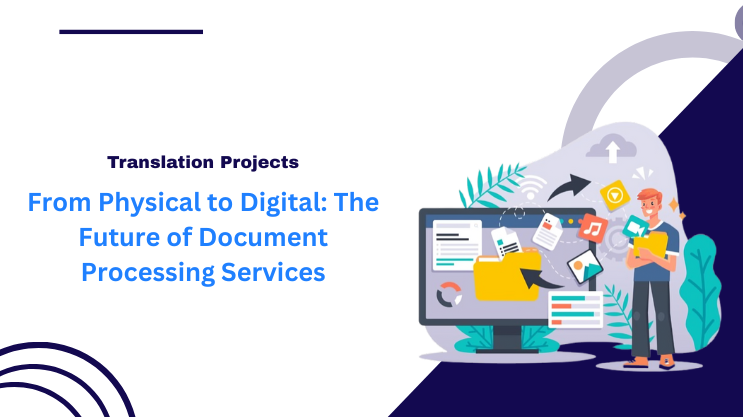
  • From Physical to Digital: The Future of Document Processing Services

    From Physical to Digital: The Future of Document Processing Services

    In today’s fast-paced digital era, businesses and individuals alike are moving away from traditional paper-based processes toward digital solutions. Document Processing Services (DPS) have evolved from manual handling to sophisticated digital systems that streamline workflow, enhance accuracy, and reduce operational costs. At Honey Translation Services, we embrace this transformation, offering cutting-edge solutions that cater to global businesses, multilingual projects, and diverse documentation needs.

    1. The Evolution of Document Processing


    Traditionally, document processing involved manual data entry, physical storage, and tedious verification processes. With the rise of digital technology, these processes have shifted to automated platforms that allow instant access, editing, and management of documents. The transition from paper to digital not only saves time but also improves data accuracy – a critical factor for translation and localization services.

    2. Benefits of Digital Document Processing


    Digital document processing reduces human errors, accelerates turnaround times, and enables remote accessibility. For companies offering translation, transcription, or DTP services, this means faster project delivery and enhanced client satisfaction. At Honey Translation Services, our digital systems ensure that your documents are processed efficiently, securely, and ready for multilingual adaptation.

    3. Integration with Translation Services


    Document processing and translation go hand-in-hand. Converting physical documents to digital formats simplifies the translation workflow, allowing our experts to focus on linguistic accuracy rather than manual handling. With advanced OCR (Optical Character Recognition) and file conversion tools, Honey Translation Services ensures seamless integration between document processing and professional translation services.

    4. Enhancing Multilingual Projects


    Globalization demands that businesses communicate effectively across multiple languages. Digital document processing supports this by providing a centralized system where content can be easily managed, edited, and shared among translators, editors, and proofreaders. This approach minimizes errors, maintains formatting consistency, and speeds up delivery for projects requiring localization and DTP services.

    5. Security and Compliance


    Digital document processing offers robust security measures, including encryption, secure cloud storage, and access control. For sensitive documents – legal, financial, or corporate—this ensures confidentiality and compliance with international standards. Honey Translation Services prioritizes document security while providing accurate translation and localization services for global clients.

    6. AI and Automation in Document Processing


    Artificial Intelligence is revolutionizing document management. Automated data extraction, content verification, and workflow management reduce manual effort and improve efficiency. At Honey Translation Services, we leverage AI-powered tools to process large volumes of documents, enabling faster translation, transcription, and DTP services without compromising quality.

    7. The Role of Cloud Solutions


    Cloud-based document processing allows real-time collaboration, remote access, and centralized storage. For translation agencies handling multilingual projects, this is a game-changer. Teams across different geographies can simultaneously work on a document, ensuring faster project completion and seamless communication between clients and service providers.

    8. The Future Outlook


    The future of document processing lies in fully integrated digital ecosystems. Combining AI, cloud solutions, and automated workflows, businesses can expect near-instant processing, minimal errors, and enhanced scalability. Honey Translation Services is at the forefront of this transformation, helping clients transition from physical to digital solutions while maintaining high-quality translation, transcription, and localization standards.

    Conclusion


    The shift from physical to digital document processing is more than just a technological upgrade – it’s a strategic necessity for businesses aiming for efficiency, security, and global reach. By embracing digital document solutions, companies can streamline their operations and ensure that their content is ready for multilingual and multicultural audiences. Honey Translation Services continues to innovate in this space, providing comprehensive, secure, and reliable document processing solutions that empower businesses to thrive in the digital age.

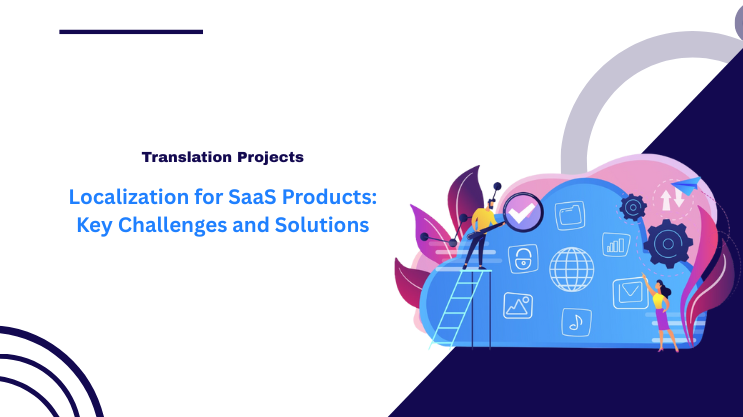
  • Localization for SaaS Products: Key Challenges and Solutions

    Localization for SaaS Products: Key Challenges and Solutions

    As SaaS (Software as a Service) products expand globally, localization becomes a critical factor for success. Simply translating the interface is not enough; businesses must adapt content, functionality, and user experience to meet the expectations of users in different regions. Effective localization improves usability, engagement, and customer satisfaction, while overcoming the unique challenges that SaaS products face.

    1. Understanding User Preferences Across Regions

    Different regions have distinct preferences regarding interface design, navigation, and workflow. Understanding these preferences helps tailor the SaaS product to feel intuitive and natural for users. Localized design ensures higher adoption rates and reduces friction for global audiences.

    2. Handling Language and Terminology

    SaaS products often include technical terms, product-specific vocabulary, and workflow instructions. Accurate translation and consistent terminology are essential to avoid user confusion. Using industry-specific translators or glossaries helps maintain clarity and professionalism across all languages.

    3. Adapting Date, Time, and Number Formats

    Date formats, currencies, time zones, units of measurement, and number formats differ across regions. Localizing these elements ensures that users can interact with the software without errors or misunderstandings, creating a smoother and more reliable experience.

    4. Addressing Regulatory and Compliance Requirements

    Certain SaaS products, especially those handling data, must comply with local regulations like GDPR or HIPAA. Localization involves aligning the product’s interface, privacy policies, and terms of service with local laws, ensuring compliance and building user trust.

    5. Optimizing Multilingual User Interfaces

    A multilingual UI requires careful planning to prevent text expansion, layout issues, and truncation. Proper localization accounts for language length, font compatibility, and interface flexibility to maintain a consistent and visually appealing experience across all languages.

    6. Providing Localized Customer Support

    Effective localization extends beyond the product itself to include help documentation, chat support, and tutorials. Providing support in the user’s native language increases satisfaction, reduces churn, and strengthens the relationship between the company and its customers.

    7. Testing and Quality Assurance for Global Versions

    Localized SaaS products must undergo rigorous testing to identify functional, linguistic, and cultural errors. Quality assurance ensures that translations are accurate, interfaces display correctly, and all features work as expected in different languages and regions.

    8. Continuous Updates and Iteration

    SaaS products are continuously updated with new features and improvements. Ongoing localization processes are necessary to ensure that all updates are consistently adapted for global users. Automation tools, translation memory, and efficient workflows help manage continuous localization without delays.

    In conclusion, localizing SaaS products involves more than translation—it requires a comprehensive approach addressing cultural, technical, and regulatory factors. By understanding user preferences, ensuring accuracy, and continuously optimizing, businesses can deliver a truly global SaaS experience that drives engagement, retention, and growth.

  • Preparing Your Business Documents for Professional Translation

    Preparing Your Business Documents for Professional Translation

    Professional translation delivers the best results when source documents are clear, well-structured, and complete. Proper preparation not only improves translation accuracy but also saves time, reduces costs, and ensures your message is conveyed correctly across languages. Preparing your business documents before translation is a crucial step in achieving high-quality multilingual communication.

    1. Clarify the Purpose and Target Audience

    Before sending documents for translation, clearly define their purpose and intended audience. Understanding whether the content is for legal use, marketing, internal communication, or customer-facing material helps translators choose the appropriate tone, terminology, and style for the target market.

    2. Review and Finalize the Source Content

    Ensure the source document is complete and approved before translation begins. Last-minute edits or unclear sections can lead to inconsistencies and rework. A finalized document helps translators focus on accuracy and consistency from start to finish.

    3. Use Clear and Simple Language

    Well-written source content leads to better translations. Avoid ambiguous wording, unnecessary jargon, or complex sentence structures. Clear and concise language makes it easier for translators to accurately convey the intended meaning in another language.

    4. Organize Content with Proper Structure

    Headings, bullet points, tables, and consistent formatting improve readability and translation efficiency. A well-structured document helps translators understand context quickly and maintain logical flow in the translated version.

    5. Provide Reference Materials and Terminology

    Supplying glossaries, previous translations, brand guidelines, or preferred terminology ensures consistency. Reference materials help translators align with your company’s language style and industry-specific terms.

    6. Identify Special Requirements Early

    Inform the translation provider about any specific requirements such as certification, localization needs, formatting constraints, or regulatory standards. Early communication prevents misunderstandings and ensures the final output meets your expectations.

    7. Consider Cultural and Regional Adaptation

    Some content may require localization rather than direct translation. Be open to adapting examples, measurements, currencies, or cultural references to suit the target audience, improving clarity and relevance.

    8. Plan for Review and Quality Assurance

    Allocate time for reviewing translated content before final use. Internal review or professional proofreading ensures accuracy, consistency, and alignment with your business objectives, resulting in polished and reliable multilingual documents.

    In conclusion, preparing your business documents for professional translation is an investment in quality and efficiency. With clear content, proper structure, and effective communication, businesses can achieve accurate translations that support strong global communication and growth.

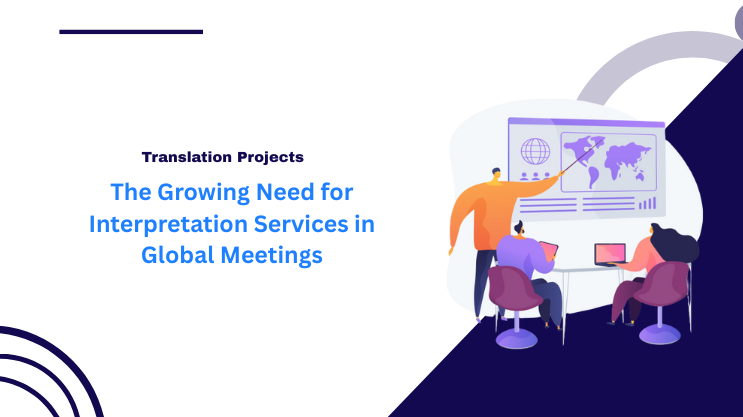
  • The Growing Need for Interpretation Services in Global Meetings

    The Growing Need for Interpretation Services in Global Meetings

    As businesses and organizations operate across borders, global meetings have become a regular part of international collaboration. While technology has made it easier to connect remotely, language differences remain a major challenge. Interpretation services play a vital role in ensuring clear communication, inclusivity, and successful outcomes in multilingual meetings.

    1. Enabling Clear Real-Time Communication

    Interpretation allows participants to understand and respond instantly, without language delays. In global meetings where decisions are made quickly, real-time interpretation ensures everyone stays aligned and actively involved in discussions.

    2. Supporting Inclusive Participation

    Global meetings often involve participants from diverse linguistic backgrounds. Interpretation services ensure that all attendees, regardless of their language proficiency, can fully participate, express ideas, and contribute equally to the conversation.

    3. Preventing Misunderstandings and Errors

    Miscommunication in meetings can lead to costly mistakes, especially in business negotiations, legal discussions, or technical briefings. Professional interpreters accurately convey meaning, tone, and intent, reducing the risk of misunderstandings.

    4. Enhancing Cross-Cultural Understanding

    Interpreters do more than translate words; they bridge cultural gaps. By understanding cultural nuances, formality levels, and communication styles, interpreters help ensure messages are delivered respectfully and appropriately.

    5. Improving Decision-Making and Collaboration

    When participants clearly understand one another, discussions become more productive. Interpretation services help teams collaborate effectively, share insights freely, and make informed decisions without language barriers slowing the process.

    6. Supporting Virtual and Hybrid Meetings

    With the rise of virtual and hybrid meetings, interpretation services have adapted to digital platforms. Remote interpretation enables smooth multilingual communication across video conferences, webinars, and online events, regardless of location.

    7. Strengthening Professional Image and Credibility

    Providing interpretation services demonstrates professionalism and respect for international partners and clients. It shows a commitment to clear communication and positions organizations as globally prepared and culturally aware.

    8. Driving Successful Global Partnerships

    Clear communication is the foundation of strong international relationships. Interpretation services help build trust, reduce friction, and support long-term partnerships by ensuring that language differences never hinder collaboration.

    In conclusion, the growing need for interpretation services reflects the reality of today’s globalized business environment. By enabling clarity, inclusivity, and effective collaboration, professional interpretation ensures global meetings are productive, respectful, and successful across languages and cultures.

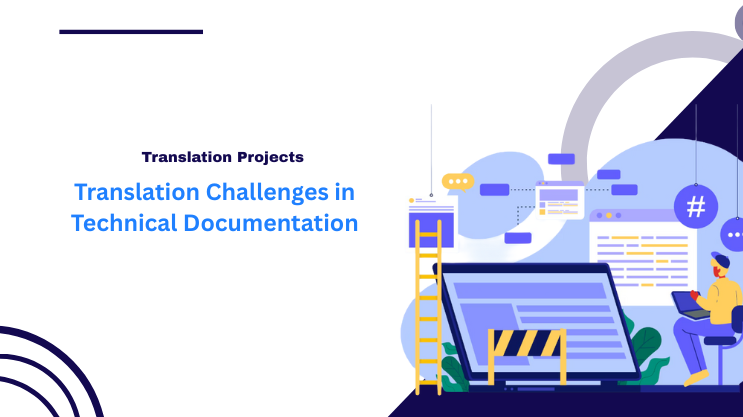
  • Translation Challenges in Technical Documentation

    Translation Challenges in Technical Documentation

    Technical documentation is a critical part of any product or service, providing users with instructions, specifications, and guidance. Accurate translation of these materials is essential for global operations, customer satisfaction, and safety compliance. However, translating technical content comes with unique challenges that require expertise, precision, and industry knowledge.

    1. Understanding Complex Terminology

    Technical documents are filled with industry-specific terms, acronyms, and jargon. Translators must have subject-matter expertise to interpret these accurately. Misunderstanding a term can lead to errors, misuse of products, or confusion, making it essential to use translators familiar with the technical field.

    2. Maintaining Consistency Across Documents

    Technical manuals often span multiple volumes or versions. Consistent terminology, units, and phrasing are critical to avoid confusion. Using translation memory tools and glossaries helps maintain uniformity across all documents and ensures that recurring terms are accurately translated.

    3. Adapting to Measurement Systems and Standards

    Different regions use varying units of measurement, date formats, and regulatory standards. Translators must convert these accurately while keeping the instructions clear and compliant with local laws and technical standards.

    4. Handling Complex Sentence Structures

    Technical documents often contain long, complex sentences with multiple clauses. Translators must preserve meaning while making the content readable and understandable in the target language, without oversimplifying important details.

    5. Ensuring Accuracy in Safety and Compliance Information

    Errors in translating safety warnings, operational instructions, or compliance guidelines can have serious consequences, including accidents or legal liability. High attention to detail and rigorous proofreading are necessary to ensure accuracy.

    6. Managing Multimedia and Visual Elements

    Technical documentation often includes diagrams, charts, and illustrations. Translators must coordinate text with visuals, ensure labels are correctly adapted, and maintain formatting to preserve the usability of the document.

    7. Balancing Technical Accuracy with Readability

    The translated content must be technically accurate but also user-friendly. Overly literal translations can confuse readers, while oversimplification can compromise critical information. Finding the right balance is a key challenge.

    8. Keeping Up with Software and Technology Updates

    Technical products and software are frequently updated, which means documentation must be regularly revised and retranslated. Translators must stay updated with product changes and maintain version control to ensure users always have accurate information.

    In conclusion, translating technical documentation requires more than language skills—it demands technical expertise, attention to detail, and an understanding of the target audience. Overcoming these challenges ensures safe, clear, and effective communication across global markets.

  • How Language Barriers Affect Customer Experience

    How Language Barriers Affect Customer Experience

    In today’s global marketplace, businesses interact with customers from diverse linguistic backgrounds. Language barriers can significantly impact how customers perceive a brand, affecting satisfaction, loyalty, and overall experience. Addressing these challenges through professional translation, localization, and communication strategies is essential for building strong relationships and maintaining a positive brand image.

    1. Miscommunication Leads to Frustration

    When customers cannot fully understand product information, instructions, or support responses, misunderstandings occur. Miscommunication can lead to frustration, confusion, and a negative perception of the brand, potentially resulting in lost sales and reduced trust.

    2. Poor Customer Support Experiences

    Customer service interactions are often the first point of contact. If support agents cannot communicate effectively in the customer’s language, problems take longer to resolve. Slow or ineffective service lowers customer satisfaction and can harm the company’s reputation.

    3. Decreased Accessibility for Global Audiences

    A lack of multilingual content makes products, services, or information less accessible to international customers. This limits market reach and creates barriers for non-native speakers, making it harder for them to engage with the brand effectively.

    4. Impact on Brand Perception

    Language barriers can make a company appear unprofessional or unconcerned about its international customers. Accurate translation and culturally adapted content convey respect, professionalism, and attention to customer needs, enhancing overall brand perception.

    5. Reduced Customer Loyalty and Retention

    Customers are more likely to remain loyal to brands that communicate clearly in their preferred language. Language barriers can weaken emotional connection, reduce trust, and increase the likelihood of customers switching to competitors with better multilingual support.

    6. Challenges in Marketing Communication

    Promotions, advertisements, and product campaigns may lose their impact if language barriers are not addressed. Messages can be misunderstood or fail to resonate culturally, reducing engagement and limiting the effectiveness of marketing efforts.

    7. Increased Risk of Errors and Misunderstandings

    Incorrect translations or unclear communication can lead to mistakes in orders, instructions, or contractual agreements. These errors can cause financial loss, customer dissatisfaction, and even legal issues, highlighting the need for professional language services.

    8. Strengthening Customer Relationships Through Language Solutions

    Investing in translation, localization, and multilingual support enhances customer experience by making interactions smoother, clearer, and culturally relevant. Businesses that prioritize language accessibility foster trust, loyalty, and long-term relationships with global audiences.

    In conclusion, language barriers are more than just a communication challenge – they directly affect customer experience and business success. Companies that address these barriers proactively can improve satisfaction, loyalty, and brand reputation across diverse markets.

  • Why Document Layout Matters More Than You Think

    Why Document Layout Matters More Than You Think

    In the world of translation and localization, accuracy is often the primary focus – but what about document layout? At Honey Translation Services, we understand that a well-structured document is just as important as precise translation. A poor layout can lead to misinterpretation, confusion, or a negative impression, even if the content itself is flawless.

    1. First Impressions Count

    When clients or international partners receive documents, the layout is the first thing they notice. A clean, professional design communicates credibility and attention to detail. At Honey Translation Services, we ensure that every document not only reads well in the target language but also looks visually appealing, maintaining professionalism across all formats.

    2. Preserving Meaning Across Languages

    Different languages have varying text lengths, reading directions, and formatting rules. For example, German translations tend to expand by 15–30% compared to English, while Arabic and Hebrew require right-to-left formatting. Without adjusting the layout, translations can look cramped or misaligned, affecting readability. Our DTP (Desktop Publishing) experts adapt layouts to accommodate these differences without compromising the original design.

    3. Enhancing Readability

    A well-laid-out document guides the reader naturally through the content. Proper headings, bullet points, spacing, and font choices make documents easier to navigate. At Honey Translation Services, we pay careful attention to typography, spacing, and alignment, ensuring your translated documents remain clear and reader-friendly.

    4. Maintaining Branding Consistency

    For companies expanding globally, maintaining consistent branding is crucial. Colors, fonts, logos, and formatting all contribute to brand recognition. Our team ensures that every translated document mirrors your brand guidelines while adapting to cultural and linguistic nuances, helping your brand maintain a professional image worldwide.

    5. Avoiding Costly Errors

    Poorly formatted documents can cause misunderstandings, especially in legal, technical, or financial translations. Misaligned tables, missing headers, or incorrect text flow can lead to costly errors. Honey Translation Services combines expert translation with meticulous layout adjustments, ensuring your documents are error-free and reliable.

    6. Optimizing for Different Formats

    In today’s digital age, documents are not only printed but also shared online. PDFs, Word files, PowerPoint presentations, and even e-books require layout optimization for different devices. Our team ensures your content looks perfect whether it’s on a desktop, tablet, or mobile device, maintaining both aesthetics and functionality.

    7. Supporting Accessibility

    Accessibility is a growing concern in global communication. A good layout supports screen readers, clear navigation, and legible fonts, making content accessible to all audiences. At Honey Translation Services, we implement layout practices that make your documents inclusive, reaching a wider international audience.

    8. Seamless Integration of Translation and Design

    Many companies underestimate the synergy between translation and design. Translating content without considering layout often leads to a document that looks awkward or confusing. Honey Translation Services bridges this gap through integrated translation and DTP services, ensuring your message is not only understood but also beautifully presented.

    Conclusion

    A document’s layout is more than just aesthetics – it affects readability, comprehension, branding, and overall impact. At Honey Translation Services, we combine expert translations with meticulous document layout adjustments, helping your content resonate globally. When every detail matters, trust us to make your documents both accurate and visually compelling.