Tag: #BusinessLocalization

  • Cultural UX: The Next Big Thing in Website Localization

    Cultural UX: The Next Big Thing in Website Localization

    In today’s global digital marketplace, having a multilingual website is no longer enough. Businesses that truly succeed internationally go a step further by adapting their websites to match the cultural expectations, behaviors, and emotions of local users. This approach is known as Cultural UX, and it is rapidly becoming the next big thing in website localization.

    At Honey Translation Services, we believe that effective localization is not just about translating words – it’s about creating meaningful user experiences across cultures.

    What Is Cultural UX in Website Localization?

    Cultural UX (User Experience) focuses on how cultural differences influence the way users interact with a website. It considers language nuances, visual preferences, reading habits, color symbolism, layout expectations, and even decision-making patterns.

    For example, a website designed for users in India may emphasize trust signals, detailed information, and local imagery, while a site targeting European users may prioritize minimalism and concise messaging. Cultural UX ensures that users feel the website was designed for them, not just translated into their language.

    Why Traditional Localization Is No Longer Enough

    Traditional website localization often focuses only on text translation. While this is important, it does not address deeper cultural expectations. A perfectly translated website can still fail if it feels unfamiliar or uncomfortable to local users.

    Modern audiences expect websites to:

    • Reflect local values and cultural norms
    • Use familiar terminology and tone
    • Follow region-specific navigation patterns
    • Present visuals that resonate culturally

    This is where Cultural UX bridges the gap between translation and user engagement.

    Key Elements of Cultural UX in Website Localization

    Cultural UX involves a holistic approach to localization. Below are the key elements that make a culturally optimized website successful.

    Language Beyond Literal Translation

    Words carry different meanings and emotional weight across cultures. Cultural UX focuses on context-driven translation rather than word-for-word conversion. Tone, formality, humor, and idiomatic expressions are adapted to match local communication styles.

    Honey Translation Services emphasizes culturally accurate language that sounds natural and trustworthy to native users.

    Visual and Design Localization

    Colors, images, symbols, and icons can mean very different things across regions. Cultural UX ensures that visuals align with cultural preferences and avoid misinterpretation.

    For instance, color choices, typography, and imagery are adjusted to suit regional tastes while maintaining brand consistency.

    Navigation and Content Structure

    User behavior varies by culture. Some audiences prefer detailed content and layered navigation, while others expect quick access and simplicity. Cultural UX adapts layouts, menus, and content flow to match how local users consume information.

    This improves usability and reduces bounce rates significantly.

    Cultural Trust Signals and Conversions

    Trust is built differently in different markets. Testimonials, certifications, payment methods, and calls-to-action must be culturally appropriate to drive conversions.

    Localization that incorporates Cultural UX helps websites feel credible, familiar, and reliable to international users.

    SEO Benefits of Cultural UX Localization

    Search engines increasingly prioritize user experience and relevance. Cultural UX supports international SEO by:

    • Improving user engagement metrics
    • Reducing bounce rates
    • Increasing time spent on localized pages
    • Aligning keywords with local search intent

    By combining multilingual SEO with Cultural UX, businesses can achieve better visibility and stronger global performance.

    Industries Benefiting Most from Cultural UX

    Cultural UX is especially impactful for industries such as:

    • E-commerce and retail
    • SaaS and technology platforms
    • Education and study abroad services
    • Healthcare and life sciences
    • Travel, hospitality, and media

    For these sectors, localized user experience directly influences trust, conversions, and brand perception.

    How Honey Translation Services Supports Cultural UX

    Honey Translation Services provides end-to-end website localization solutions that go beyond translation. Our approach integrates linguistic expertise, cultural research, UX awareness, and industry knowledge.

    We work closely with businesses to ensure that every localized website reflects cultural authenticity while maintaining brand identity. From content translation and localization to multilingual UX adaptation, we help brands connect genuinely with global audiences.

    The Future of Website Localization

    As digital competition increases, Cultural UX will no longer be optional – it will be essential. Websites that respect cultural differences and design for local users will outperform those that rely on basic translation alone.

    The future of website localization lies in creating experiences that feel local, intuitive, and emotionally engaging. Cultural UX is not just the next trend – it is the new standard.

    By embracing Cultural UX today, businesses can build stronger international relationships and achieve sustainable global growth.
  • Preparing for a Global Future Through Language Learning

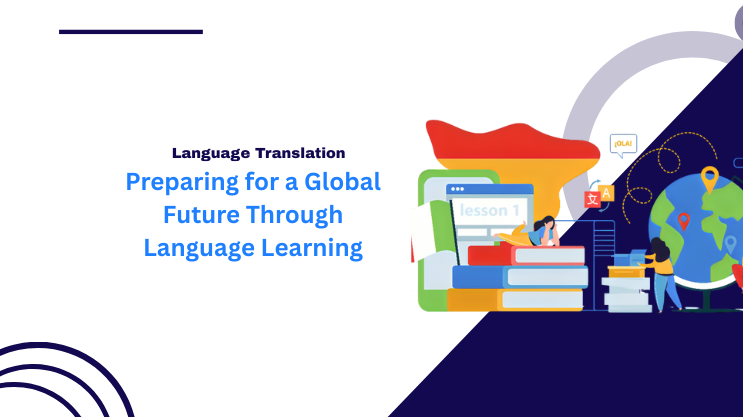
    Preparing for a Global Future Through Language Learning

    As the world becomes more interconnected, the ability to communicate across languages is no longer optional—it is essential. Language learning plays a critical role in preparing individuals and organizations for a global future, enabling meaningful connections, cultural understanding, and sustainable growth in an international environment.

    1. Language Learning as a Foundation for Global Readiness

    Learning a new language equips people with the skills needed to interact confidently across borders. It enhances communication, broadens perspectives, and fosters adaptability in a rapidly changing global landscape.

    Key advantages:

    • Improved global communication skills
    • Greater cultural awareness
    • Increased personal and professional confidence

    2. Building Cross-Cultural Competence

    Language is deeply tied to culture. By learning a language, individuals gain insight into traditions, values, and social norms, helping them engage respectfully and effectively with people from diverse backgrounds.

    Why it matters:

    • Encourages mutual respect and understanding
    • Reduces cultural misunderstandings
    • Strengthens international relationships

    3. Expanding Career Opportunities

    Multilingual skills are highly valued in today’s global job market. Employers seek professionals who can collaborate with international teams, communicate with global clients, and adapt to multicultural environments.

    Career benefits include:

    • Competitive advantage in global industries
    • Increased employability and career mobility
    • Leadership opportunities in international roles

    4. Supporting Global Business Growth

    For businesses, investing in language learning helps teams navigate international markets more effectively. Employees who understand local languages and cultures can build trust, negotiate better, and represent the brand more authentically.

    Business impact:

    • Stronger global partnerships
    • Enhanced customer relationships
    • Improved market expansion strategies

    5. Language Learning in the Digital Era

    Modern technology has transformed how languages are learned. Online platforms, virtual classrooms, and AI-powered tools provide flexible and personalized learning experiences for learners at all levels.

    Modern learning benefits:

    • Accessibility from anywhere in the world
    • Self-paced and interactive learning
    • Continuous skill development

    Conclusion

    Preparing for a global future requires more than technological innovation-it requires effective communication and cultural understanding. Language learning empowers individuals and organizations to connect beyond borders, embrace diversity, and thrive in a multilingual world.

    By investing in language learning today, you build a foundation for global success tomorrow.

  • The Role of Medical Translation in Global Healthcare Communication

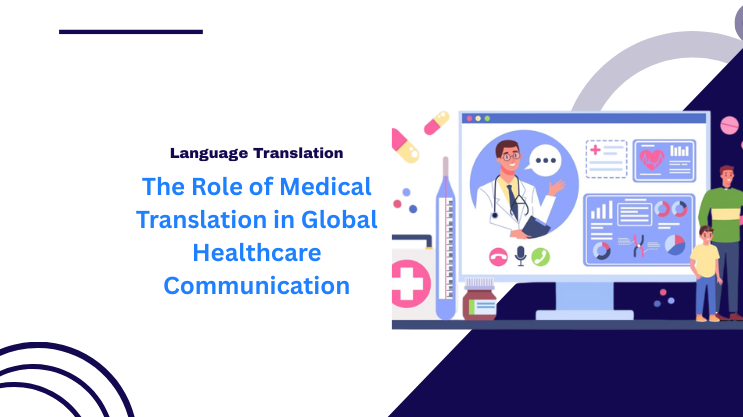
    The Role of Medical Translation in Global Healthcare Communication

    In today’s globalized healthcare landscape, effective communication can be the difference between accurate treatment and serious medical risk. As patients, healthcare providers, and pharmaceutical companies operate across borders, medical translation plays a critical role in ensuring clarity, safety, and trust in global healthcare communication.

    1. Bridging Language Gaps in Patient Care

    Patients must fully understand diagnoses, treatment plans, and medication instructions. Medical translation ensures that language differences do not compromise patient safety or outcomes.

    Key benefits:

    • Clear doctor–patient communication
    • Improved patient understanding and compliance
    • Reduced risk of medical errors

    2. Supporting Accurate Medical Documentation

    Medical records, discharge summaries, lab reports, and consent forms require precise and accurate translation. Even minor errors can lead to misinterpretation and serious consequences.

    Why accuracy matters:

    • Ensures continuity of care
    • Maintains data integrity
    • Protects healthcare providers from liability

    3. Enabling Global Clinical Research and Trials

    Medical translation supports international clinical trials by translating protocols, informed consent forms, case reports, and regulatory submissions. This ensures ethical participation and consistent data collection across regions.

    Impact on research:

    • Enables multinational collaboration
    • Ensures regulatory compliance
    • Improves research transparency

    4. Facilitating Pharmaceutical and Medical Device Communication

    Pharmaceutical companies and medical device manufacturers rely on medical translation for packaging, labeling, instructions for use (IFUs), and marketing materials. These translations must meet strict regulatory and safety standards.

    Essential outcomes:

    • Regulatory approval across markets
    • Safe and correct product usage
    • Global market access

    5. Ensuring Compliance with Global Healthcare Regulations

    Healthcare communication must comply with international and local regulations such as FDA, EMA, and WHO guidelines. Professional medical translators understand these regulatory frameworks and industry terminology.

    Compliance advantages:

    • Reduced legal and regulatory risks
    • Accurate standardized terminology
    • Faster approval processes

    6. The Importance of Human Expertise in Medical Translation

    While AI tools can assist with speed, medical translation requires human expertise, subject-matter knowledge, and ethical responsibility. Professional medical translators ensure accuracy, cultural sensitivity, and contextual understanding.

    Why human translators matter:

    • Deep medical knowledge
    • Context-aware translations
    • Patient safety assurance

    Conclusion

    Medical translation is a vital component of global healthcare communication. By bridging language barriers, it improves patient care, supports medical innovation, and ensures regulatory compliance. Investing in professional medical translation is not just about communication-it is about safeguarding lives and advancing global health.

  • Medical Localization: Making Healthcare Content Clear Across Cultures

    Medical Localization: Making Healthcare Content Clear Across Cultures

    In healthcare, clear communication can save lives. As medical services, research, and digital health platforms expand globally, the need for accurate and culturally sensitive medical localization has become critical. Medical localization ensures that healthcare content is not only translated correctly but also adapted to meet cultural, linguistic, and regulatory expectations across regions.

    1. What Is Medical Localization?

    Medical localization goes beyond word-for-word translation. It involves adapting medical content—such as patient information, clinical documents, apps, and websites-to align with local language usage, cultural norms, and healthcare systems.

    Key elements include:

    • Accurate medical terminology
    • Cultural and linguistic adaptation
    • Compliance with local regulations

    2. Why Medical Localization Matters in Healthcare

    Misunderstood medical information can lead to serious consequences, including misdiagnosis, improper medication use, or lack of patient compliance. Localization ensures clarity, safety, and trust in healthcare communication.

    Healthcare impact:

    • Improved patient understanding
    • Reduced medical errors
    • Increased patient trust and engagement

    3. Addressing Cultural Sensitivities in Healthcare

    Health beliefs, symptoms descriptions, and treatment acceptance vary across cultures. Medical localization accounts for these differences to ensure healthcare messages are respectful, clear, and effective.

    Benefits include:

    • Better patient-provider communication
    • Increased treatment adherence
    • Stronger patient confidence

    4. Ensuring Regulatory and Legal Compliance

    Healthcare content must meet strict regulatory requirements that vary by country. Professional medical localization ensures compliance with regional healthcare authorities and international standards.

    Areas of compliance:

    • Patient consent forms
    • Clinical trial documentation
    • Medical device and pharmaceutical labeling

    5. Medical Localization in Digital Healthcare

    With the growth of telemedicine, healthcare apps, and patient portals, localized digital content is essential. Users expect healthcare information in their own language, presented clearly and intuitively.

    Digital healthcare advantages:

    • Improved usability of health platforms
    • Wider access to medical services
    • Enhanced patient satisfaction

    Conclusion

    Medical localization plays a vital role in delivering safe, effective, and inclusive healthcare across cultures. By combining medical expertise, linguistic precision, and cultural understanding, localized healthcare content empowers patients, supports healthcare professionals, and strengthens global health outcomes.

    Investing in medical localization is not just about communication-it’s about improving lives through clarity and trust.

  • How AI-Powered Translation Tools Are Shaping Global Business Communication

    How AI-Powered Translation Tools Are Shaping Global Business Communication

    In an increasingly connected world, businesses must communicate across languages quickly and accurately. AI-powered translation tools are transforming global business communication by enabling faster content delivery, improving consistency, and supporting multilingual interactions at scale. These technologies are helping organizations expand internationally while maintaining clarity and efficiency.

    1. Enabling Faster Multilingual Communication

    AI-powered translation tools allow businesses to translate emails, documents, websites, and marketing content in real time. This speed helps companies respond quickly to international clients, partners, and customers, reducing delays caused by language barriers.

    2. Supporting Global Collaboration

    Multinational teams rely on AI translation to communicate seamlessly across borders. Integrated into messaging platforms, video conferencing tools, and collaboration software, AI translation enables employees to share ideas and information in their preferred languages, improving teamwork and productivity.

    3. Improving Consistency in Business Content

    Maintaining consistent terminology and tone across multiple languages is essential for brand credibility. AI translation tools often work with translation memories and glossaries, ensuring uniform messaging across all markets and communication channels.

    4. Enhancing Customer Engagement Worldwide

    AI-powered chatbots and customer support systems provide instant multilingual assistance. This allows businesses to engage customers globally, resolve queries faster, and deliver a more personalized and accessible customer experience.

    5. Scaling Content for Global Markets

    Businesses frequently need to translate large volumes of content such as product descriptions, manuals, policies, and training materials. AI translation enables efficient scaling, helping companies enter new markets without significantly increasing time or costs.

    6. Integrating with Business Platforms

    Modern AI translation tools integrate smoothly with content management systems, CRM platforms, eCommerce websites, and support tools. This integration allows continuous multilingual communication and reduces the need for manual workflows.

    7. Addressing Accuracy and Context Challenges

    While AI translation has advanced significantly, challenges remain in handling cultural nuances, idioms, and industry-specific terminology. Human review and expertise are still essential for high-stakes communication, legal documents, and creative content.

    8. Shaping the Future of Global Communication

    The future of AI-powered translation lies in hybrid models that combine machine efficiency with human expertise. As AI continues to evolve, businesses that adopt these tools strategically will communicate more effectively, build stronger global relationships, and remain competitive in international markets.

    In conclusion, AI-powered translation tools are reshaping global business communication by breaking language barriers and enabling faster, more consistent interactions. When combined with professional linguistic expertise, these tools empower businesses to operate confidently and successfully on a global scale.

  • Why One Message Needs Different Words for Different Markets

    Why One Message Needs Different Words for Different Markets

    In global communication, a single message rarely works the same way everywhere. While a brand’s core idea may remain consistent, the words used to express it must change from market to market. Language, culture, and local expectations shape how messages are received, making adaptation essential for global success.

    1. Language Shapes Perception

    Words carry meaning beyond their literal definition. A phrase that sounds persuasive in one language may feel unclear or even inappropriate in another. Direct translation often fails to capture tone, intent, and emotion.

    Why it matters:

    • Prevents misinterpretation
    • Preserves brand intent
    • Ensures clarity and impact

    2. Cultural Context Influences Understanding

    Each market has its own cultural norms, values, and communication styles. Humor, symbolism, and expressions vary widely across regions, and what resonates in one culture may not in another.

    Key benefits of adaptation:

    • Culturally relevant messaging
    • Stronger audience connection
    • Reduced risk of cultural missteps

    3. Consumer Behavior Differs Across Markets

    Buying decisions are influenced by local habits, preferences, and expectations. Messaging must align with how consumers think, shop, and interact with brands in each region.

    Localized messaging helps:

    • Improve engagement and trust
    • Increase conversion rates
    • Strengthen customer loyalty

    4. Beyond Translation: The Role of Localization and Transcreation

    Localization adapts content to regional standards, while transcreation reshapes messages creatively to maintain emotional impact. Together, they ensure the message feels natural and compelling in every market.

    Advantages include:

    • Consistent brand voice worldwide
    • Market-specific relevance
    • Higher marketing effectiveness

    5. Protecting Brand Reputation Globally

    Using the same wording everywhere can harm credibility and brand image. Professional adaptation ensures your message reflects respect for local audiences while staying true to your brand identity.

    Long-term value:

    • Builds global trust
    • Enhances brand authority
    • Supports sustainable growth

    Conclusion

    One message can carry many meanings, but only when expressed in the right words for each market. Adapting language is not about changing your brand’s voice-it’s about making it heard, understood, and valued worldwide. Businesses that invest in localized communication connect more deeply, perform better, and succeed globally.

  • Translation Challenges in Legal and Government Documents

    Translation Challenges in Legal and Government Documents

    Legal and government documents require the highest level of accuracy, clarity, and consistency. These documents often carry legal authority and are used for official, regulatory, and compliance purposes. Translating them is a complex task that goes beyond language proficiency, as even minor errors can lead to serious legal consequences. Understanding the key challenges involved helps ensure reliable and effective translations.

    1. Complex Legal Terminology

    Legal and government documents contain specialized terminology that may not have direct equivalents in other languages. Translators must understand both the source and target legal systems to select accurate terms that preserve the intended meaning and legal effect.

    2. Differences in Legal Systems

    Laws, regulations, and administrative structures vary significantly between countries. A term or concept in one legal system may not exist in another. Translators must adapt content carefully while ensuring that the translated document remains legally valid and understandable in the target jurisdiction.

    3. Maintaining Accuracy and Precision

    Legal language demands precision. A small mistranslation or omission can change the meaning of a clause, affect rights and obligations, or invalidate a document. Professional translators follow strict quality control processes to ensure every detail is translated correctly.

    4. Handling Formal Tone and Structure

    Legal and government documents follow formal writing styles and standardized formats. Maintaining the correct tone, sentence structure, and formatting is essential to ensure the translated document meets official requirements and is accepted by authorities.

    5. Confidentiality and Data Security

    These documents often contain sensitive personal, financial, or governmental information. Translators must adhere to strict confidentiality protocols and data protection standards to ensure information remains secure throughout the translation process.

    6. Consistency Across Documents

    Legal and government projects often involve multiple related documents. Consistent use of terminology, phrasing, and references across all translations is critical. Glossaries and translation memory tools help maintain uniformity throughout the project.

    7. Compliance with Local Regulations

    Government and legal translations must comply with local laws, certification requirements, and formatting standards. In many cases, certified or notarized translations are required for official use, adding another layer of complexity.

    8. Time Sensitivity and Deadlines

    Legal and government processes often operate under strict deadlines. Translators must deliver accurate translations within limited timeframes without compromising quality, making experience and expertise essential.

    In conclusion, translating legal and government documents presents unique challenges that require specialized knowledge, precision, and professionalism. By working with experienced translators who understand legal terminology, regulatory requirements, and confidentiality standards, organizations can ensure their documents are accurate, compliant, and reliable across languages.

  • Avoiding Translation Mishaps: The Role of Proofreading

    Avoiding Translation Mishaps: The Role of Proofreading

    In today’s interconnected world, effective communication across languages is vital. Whether you’re a business expanding globally, a content creator, or an academic institution, ensuring accurate translations is crucial. However, even professional translations can sometimes contain errors, nuances lost in translation, or cultural misinterpretations. This is where proofreading plays a pivotal role in maintaining quality and clarity.

    At Honey Translation Services, we understand that every word matters. Our comprehensive approach to translation goes beyond mere word-for-word conversion – we ensure that your message is accurate, culturally appropriate, and error-free.

    Why Translation Errors Happen

    Translation errors can occur due to multiple reasons:

    • Literal translations: Direct translation of phrases without considering context.
    • Cultural differences: Certain idioms, expressions, or references may not resonate across cultures.
    • Technical jargon: Specialized terms in legal, medical, or technical documents require precision.
    • Human oversight: Even professional translators may occasionally miss small errors or inconsistencies.

    Such errors can lead to confusion, miscommunication, and in some cases, damage your brand reputation. Proofreading helps to catch these mistakes before the final delivery.

    The Importance of Proofreading in Translation

    Proofreading is not just about grammar and spelling. In the context of translation, it ensures:

    • Accuracy: Confirms that the translation conveys the original meaning correctly.
    • Consistency: Maintains uniform terminology and style across documents.
    • Cultural relevance: Ensures that the content is culturally sensitive and appropriate.
    • Professional presentation: Polishes the text for readability, flow, and impact.

    At Honey Translation Services, our proofreading team works meticulously to guarantee that your translations are flawless, reliable, and ready for any audience.

    How Honey Translation Services Ensures Error-Free Translations

    We adopt a structured approach to prevent translation mishaps:

    1. Expert Translators: Our team of certified translators specializes in various industries, ensuring accurate and context-sensitive translations.
    2. Dedicated Proofreaders: Every document passes through a professional proofreader who checks grammar, style, and context.
    3. Technology Integration: We use advanced translation tools and glossaries to maintain consistency across large projects.
    4. Client Collaboration: We actively involve clients to review terminology, preferences, and feedback, minimizing errors.

    This multi-step process helps us deliver high-quality translations every time.

    Common Proofreading Mistakes to Avoid

    Even with professional services, some common pitfalls can occur if proofreading is not thorough:

    • Overlooking context: Focusing only on grammar without considering the overall meaning.
    • Ignoring localization: Not adapting content for local culture, currency, or measurement systems.
    • Rushing the process: Proofreading under tight deadlines may lead to missed errors.
    • Neglecting style guides: Failing to follow client-specific formatting and terminology rules.

    Avoiding these mistakes ensures a polished, professional final product that resonates with the target audience.

    Conclusion

    In a globalized world, the accuracy of your translations can make or break your communication. Proofreading is an essential step that ensures your message is clear, accurate, and culturally appropriate.

    At Honey Translation Services, we combine human expertise with cutting-edge technology to prevent translation mishaps. Our commitment to quality ensures that your content not only reaches your audience but leaves a lasting impression.

  • How Multilingual Marketing Builds Trust in International Markets

    How Multilingual Marketing Builds Trust in International Markets

    Trust is the foundation of successful relationships between brands and customers, especially in international markets. When businesses communicate in the native language of their audience, they demonstrate respect, transparency, and commitment. Multilingual marketing plays a vital role in building credibility, strengthening customer relationships, and establishing a reliable global brand presence.

    1. Speaking the Customer’s Language

    Communicating in a customer’s native language makes them feel valued and understood. It reduces confusion, improves clarity, and creates a more comfortable experience, which is essential for building trust in new and unfamiliar markets.

    2. Enhancing Cultural Relevance

    Multilingual marketing goes beyond translation by adapting content to cultural norms, values, and expectations. When messaging aligns with local culture, customers perceive the brand as more relatable and trustworthy, rather than foreign or disconnected.

    3. Improving Transparency and Clarity

    Clear communication minimizes misunderstandings about products, services, pricing, and policies. Multilingual content ensures that important information is easily accessible and accurately conveyed, reinforcing honesty and openness with international audiences.

    4. Strengthening Brand Credibility

    Brands that invest in multilingual marketing appear more professional and globally prepared. Accurate and well-structured content in multiple languages reflects attention to detail and reliability, which are key factors in earning customer confidence.

    5. Supporting Consistent Brand Messaging

    Consistency across languages is crucial for maintaining trust. Multilingual marketing ensures that brand values, tone, and messaging remain uniform across regions, creating a cohesive and dependable global brand identity.

    6. Increasing Engagement and Loyalty

    Customers are more likely to engage with and remain loyal to brands that communicate in their preferred language. Multilingual marketing encourages stronger emotional connections, leading to repeat interactions and long-term relationships.

    7. Building Trust Through Localized Customer Support

    Providing customer support in multiple languages enhances trust and satisfaction. When customers can seek assistance and receive responses in their own language, it reinforces the brand’s commitment to customer care and reliability.

    8. Establishing Long-Term Relationships in Global Markets

    Trust built through multilingual marketing leads to sustainable growth. By continuously communicating clearly, respectfully, and culturally appropriately, businesses can establish strong, long-term relationships with customers across international markets.

    In conclusion, multilingual marketing is a powerful strategy for building trust in international markets. By combining language accessibility, cultural understanding, and consistent messaging, businesses can connect authentically with global audiences, strengthen credibility, and achieve lasting success worldwide.

  • Why Visual and Written Content Must Work Together

    Why Visual and Written Content Must Work Together

    In today’s fast-paced digital world, content competes for attention across multiple platforms. Relying solely on visuals or text is no longer enough. When visual and written content work together, they create a powerful, memorable message that informs, engages, and converts audiences more effectively.

    1. Visuals Capture Attention, Words Add Meaning

    Visual elements such as images, videos, infographics, and graphics instantly grab attention. Written content then provides context, explanation, and depth, ensuring the audience clearly understands the message.

    Why this matters:

    • Faster audience engagement
    • Clear communication of ideas
    • Stronger message retention

    2. Enhancing Storytelling Through Integration

    Storytelling becomes more impactful when visuals and words complement each other. Images evoke emotion, while written content builds narrative and purpose, creating a complete and compelling story.

    Benefits include:

    • Emotional connection with audiences
    • Improved brand storytelling
    • Greater content recall

    3. Boosting Understanding and Clarity

    Complex ideas are easier to understand when supported by visuals. Diagrams, charts, and illustrations simplify information, while text ensures accuracy and explanation.

    Results:

    • Better comprehension
    • Reduced confusion
    • Improved learning experience

    4. Strengthening Brand Identity

    Consistent visual style combined with a clear written voice reinforces brand identity. Together, they help build recognition and trust across all communication channels.

    Brand advantages:

    • Unified brand presence
    • Increased credibility
    • Stronger audience trust

    5. Improving Engagement and Conversion Rates

    Content that blends visuals and writing performs better across digital platforms. From websites and social media to marketing campaigns, this combination encourages interaction and drives action.

    Performance impact:

    • Higher engagement rates
    • Increased conversions
    • Better overall content performance

    Conclusion

    Visual and written content are most effective when they work in harmony. Together, they create richer experiences, clearer communication, and stronger emotional connections. Businesses that strategically integrate visuals with well-crafted written content stand out, communicate better, and achieve greater impact in today’s content-driven world.