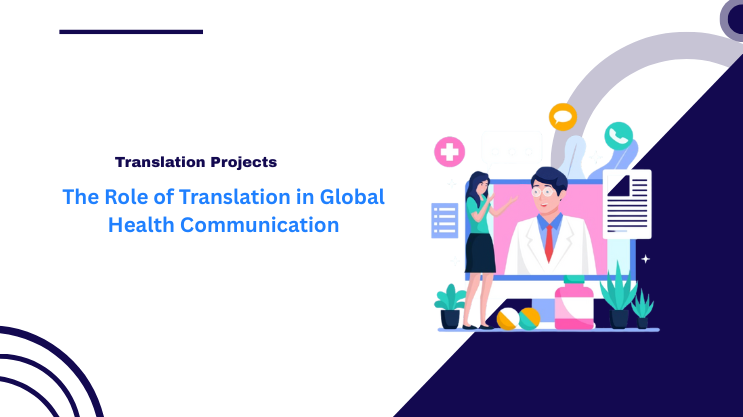
Effective communication is vital in the global health sector, where accurate information can directly impact public safety, patient outcomes, and policy implementation. Translation plays a critical role in ensuring that health-related messages are understood across languages, cultures, and regions. By breaking language barriers, translation supports equitable access to healthcare information and strengthens international health initiatives.
1. Ensuring Accurate Medical Information
In healthcare, precision is essential. Professional translation ensures that medical guidelines, treatment instructions, and public health advisories are conveyed accurately, reducing the risk of misunderstandings and medical errors.
2. Supporting Public Health Awareness Campaigns
Global health campaigns rely on clear messaging to educate populations about disease prevention, vaccination, and healthy practices. Translated content helps reach diverse communities and ensures consistent understanding across regions.
3. Improving Patient-Provider Communication
Language barriers can affect diagnosis, treatment, and patient trust. Translation and interpretation services enable effective communication between healthcare professionals and patients, leading to better care and improved health outcomes.
4. Facilitating International Health Collaboration
Global health initiatives often involve collaboration between governments, NGOs, and research institutions. Translation enables the sharing of research findings, policies, and best practices across borders, supporting coordinated efforts.
5. Ensuring Accessibility and Inclusion
Translating health information ensures that vulnerable and multilingual populations have equal access to essential services. Inclusive communication helps address health disparities and promotes community well-being.
6. Supporting Emergency and Crisis Response
During health emergencies, timely and accurate communication is crucial. Translation ensures that urgent updates, safety guidelines, and response measures are delivered clearly to all affected populations.
7. Adapting Content for Cultural Sensitivity
Health beliefs and practices vary across cultures. Localization ensures that translated content respects cultural norms and values, increasing acceptance and effectiveness of health communication.
8. Maintaining Compliance with Health Regulations
Healthcare organizations must comply with regional and international regulations. Accurate translation of medical documentation and regulatory content supports legal compliance and ethical standards.
In conclusion, translation is a cornerstone of global health communication. By delivering accurate, culturally sensitive, and accessible information, translation services help protect public health, improve patient care, and support collaboration in addressing global health challenges.