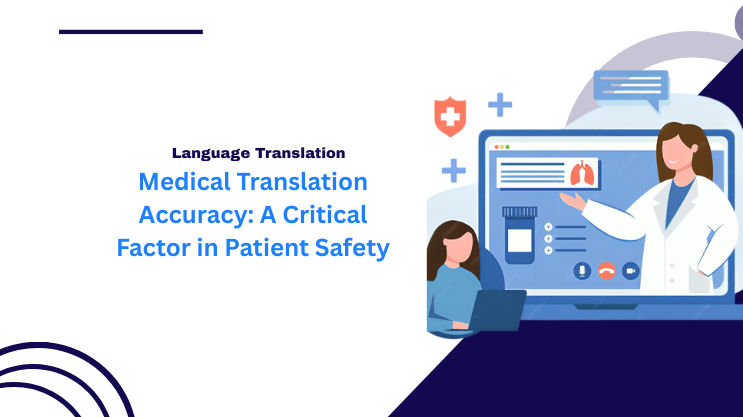
In healthcare, clear communication can be a matter of life and death. As medical services increasingly serve multilingual and multicultural populations, accurate medical translation has become essential. Even minor translation errors can lead to misdiagnosis, incorrect treatment, or serious patient harm. This makes medical translation accuracy a critical factor in ensuring patient safety and quality care.
1. Why Accuracy Matters in Medical Translation
Medical content involves complex terminology, precise instructions, and sensitive information. Inaccurate translations can distort meaning and create dangerous misunderstandings between healthcare providers and patients.
Risks of poor translation include:
- Incorrect medication usage or dosage
- Misinterpretation of symptoms or diagnoses
- Failure to follow treatment or aftercare instructions
2. Impact on Patient Safety and Care Quality
Accurate medical translation ensures that patients fully understand their health conditions, treatment plans, and consent forms. It empowers patients to make informed decisions and follow medical guidance correctly.
Key benefits:
- Improved patient understanding and compliance
- Reduced medical errors
- Better health outcomes
3. Role of Specialized Medical Translators
Medical translation requires more than language skills-it demands expertise in medical terminology, healthcare systems, and regulatory standards. Professional medical translators are trained to handle this complexity with precision.
Professional expertise includes:
- Knowledge of medical and pharmaceutical terminology
- Familiarity with healthcare regulations
- Strict adherence to accuracy and confidentiality
4. Regulatory Compliance and Legal Protection
Healthcare providers must comply with strict legal and regulatory requirements. Accurate medical translation helps organizations meet international standards and avoid legal risks related to patient consent and documentation.
Compliance advantages:
- Accurate informed consent forms
- Proper documentation for audits and legal review
- Reduced liability risks
5. Human Expertise in an AI-Assisted World
While AI tools can support speed and efficiency, medical translation demands human oversight. Context, nuance, and clinical judgment are essential to ensure accuracy and patient safety.
Why human review is essential:
- Validation of critical information
- Error detection and correction
- Ethical and responsible translation practices
Conclusion
Medical translation accuracy is not optional-it is a fundamental requirement for patient safety. By investing in professional medical translation services, healthcare providers can ensure clear communication, reduce risks, and deliver safe, effective, and inclusive care to diverse patient populations.
Accurate medical translation saves more than time and cost-it saves lives.