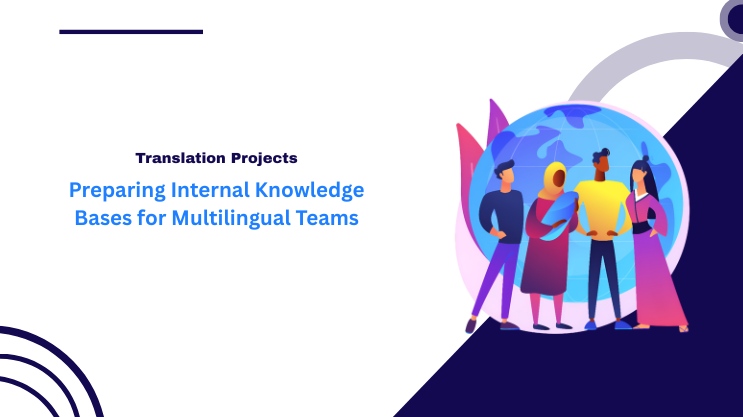
As organizations expand globally, internal teams increasingly operate across different countries and languages. An effective internal knowledge base that supports multilingual teams is essential for maintaining productivity, consistency, and collaboration. Preparing knowledge resources in multiple languages ensures that employees can access accurate information, perform their roles efficiently, and stay aligned with organizational goals.
1. Identifying Language Requirements Across Teams
Understanding the languages spoken by employees in different regions helps prioritize which content should be translated. This ensures that critical information is accessible to all team members, regardless of location.
2. Structuring Content for Easy Localization
A well-organized knowledge base with clear categories and modular content simplifies translation and updates. Structured content allows teams to localize information efficiently without disrupting workflows.
3. Translating Core Policies and Procedures
Key documents such as HR policies, IT guidelines, onboarding materials, and operational procedures should be accurately translated. Clear understanding of these materials reduces errors and ensures compliance across regions.
4. Maintaining Terminology Consistency
Using standardized terminology across languages is essential for clarity. Translation glossaries and style guides help maintain consistency and avoid confusion in technical or role-specific content.
5. Leveraging Translation Technology
AI-powered translation tools, combined with human review, help scale multilingual knowledge bases efficiently. Translation memory systems ensure consistency and reduce turnaround time for updates.
6. Ensuring Regular Content Updates
Knowledge bases must be updated frequently to remain relevant. Multilingual update workflows ensure that changes in one language are reflected promptly across all versions, preventing outdated information.
7. Encouraging Multilingual Feedback and Contributions
Allowing employees to provide feedback or contribute content in their preferred language increases engagement. Multilingual input helps improve accuracy and relevance across regions.
8. Monitoring Usage and Effectiveness
Tracking how employees access and use the knowledge base provides insights into content effectiveness. Analytics help identify gaps, improve usability, and optimize multilingual resources continuously.
In conclusion, preparing internal knowledge bases for multilingual teams strengthens communication, improves efficiency, and supports global collaboration. By investing in structured content, quality translation, and scalable workflows, organizations can empower employees worldwide with reliable and accessible knowledge resources.