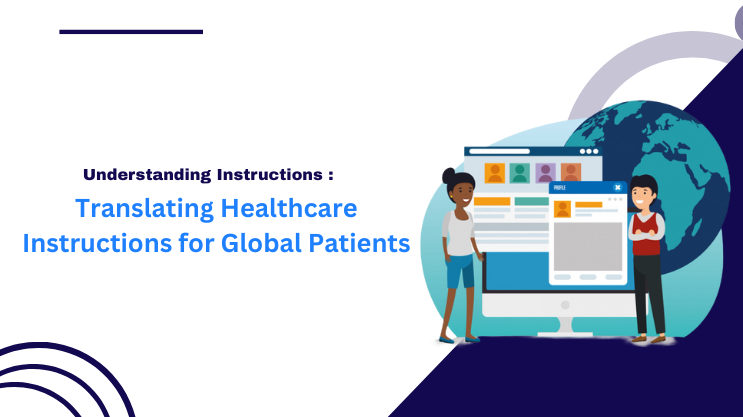
In the healthcare industry, clear communication can be a matter of life and death. For patients around the world, understanding medical instructions, prescriptions, and treatment guidelines is critical. Translating healthcare instructions accurately is not just about language-it’s about safeguarding patient health, ensuring compliance, and fostering trust across diverse populations.
Why Accurate Healthcare Translation Matters
- Patient Safety: Misinterpretation of medical instructions can lead to serious health risks or complications.
- Regulatory Compliance: Many countries require healthcare content to be available in local languages to meet legal and ethical standards.
- Global Accessibility: Accurate translations make healthcare services and information accessible to patients who speak different languages.
- Building Trust: Clear, culturally sensitive translations demonstrate professionalism and commitment to patient care.
Challenges in Translating Healthcare Instructions
- Medical Terminology: Complex terms and jargon require expert translators with medical knowledge.
- Cultural Sensitivity: Health practices and expressions vary across cultures; translations must resonate with local patients.
- Clarity and Simplicity: Instructions must be easily understood by patients of all literacy levels.
- Regulatory Variations: Different countries have specific rules for labeling, packaging, and documentation.
Best Practices for Translating Healthcare Instructions
- Engage Professional Medical Translators: Experts with medical and linguistic knowledge ensure precision and clarity.
- Use Clear, Simple Language: Avoid unnecessary technical jargon for better comprehension.
- Localize, Don’t Just Translate: Adapt content to cultural norms, units of measurement, and medical practices in the target region.
- Implement a Review Process: Have healthcare professionals review translations for accuracy and compliance.
- Leverage Translation Tools: Use Translation Memory (TM) systems and glossaries for consistency across multiple documents.
Tools to Aid Healthcare Translation
- Translation Memory Systems (TMS): Ensure consistent use of terminology across documents.
- Medical Glossaries and Style Guides: Standardize terms and brand-specific language.
- In-context Review Platforms: Enable translators to view content as it appears to patients.
- Quality Assurance Tools: Verify accuracy, formatting, and regulatory compliance.
Conclusion
Translating healthcare instructions for global patients is more than converting words—it is about protecting lives, ensuring clarity, and maintaining trust. By investing in professional translation and localization services, healthcare providers can deliver accurate, culturally sensitive information that supports patient well-being worldwide. Accurate translation is an essential component of effective global healthcare communication.
Healthcare translation, medical instruction translation, patient safety translation, multilingual healthcare content, medical document localization, global patient communication, Honey Translation Services.
