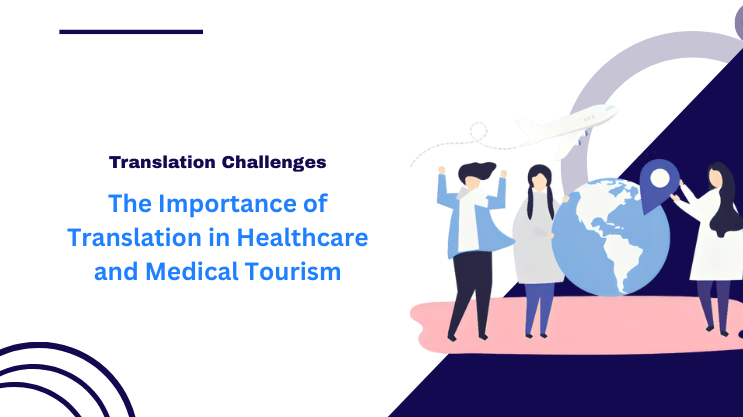
Healthcare and medical tourism depend on one critical factor above all-clear and accurate communication. As patients travel across borders seeking quality treatment, language differences can become a serious barrier. Professional translation plays a vital role in ensuring patient safety, trust, and seamless medical experiences.
1. Ensuring Patient Safety and Accurate Diagnosis
In healthcare, even a small misunderstanding can have serious consequences. Medical histories, symptoms, allergies, and treatment plans must be communicated with absolute clarity.
Professional medical translation ensures:
- Accurate interpretation of symptoms and conditions
- Clear communication of diagnoses and procedures
- Proper understanding of prescriptions and aftercare instructions
This accuracy directly impacts patient safety and treatment outcomes.
2. Building Trust Between Patients and Healthcare Providers
Patients traveling for medical care are often anxious and unfamiliar with local systems. Communicating in their native language helps them feel understood, respected, and confident in their healthcare decisions.
Translated consent forms, reports, and patient guides create transparency and strengthen trust between healthcare providers and international patients.
3. Supporting Medical Tourism Growth
Medical tourism relies heavily on international communication-from hospital websites and treatment brochures to visa documents and insurance forms.
Accurate translation helps:
- Promote healthcare services to global audiences
- Explain treatment options and costs clearly
- Improve international patient engagement and conversion
Well-translated content positions healthcare providers as reliable and professional in the global market.
4. Compliance with Legal and Ethical Standards
Healthcare communication must meet strict regulatory and ethical standards. Incorrect translations can lead to legal issues, consent disputes, or compliance failures.
Professional translators with medical expertise ensure terminology aligns with international standards and local healthcare regulations, reducing risks for both patients and providers.
5. Cultural Sensitivity in Patient Care
Healthcare is deeply personal and culturally sensitive. Medical translation must consider cultural beliefs, communication styles, and emotional nuances.
Culturally adapted translations improve patient comfort, cooperation, and satisfaction-essential elements in successful medical tourism.
6. Beyond Documents: Multilingual Support Services
Translation in healthcare goes beyond medical records. Appointment scheduling, discharge summaries, emergency instructions, and patient support services all require clear multilingual communication.
Professional translation services ensure continuity of care from first inquiry to post-treatment follow-up.
Conclusion
In healthcare and medical tourism, language is not just a convenience-it is a lifeline. Accurate and culturally sensitive translation ensures patient safety, legal compliance, and positive healthcare experiences.
By investing in professional medical translation, healthcare providers can build global trust, improve patient outcomes, and successfully serve international patients in an increasingly connected world.