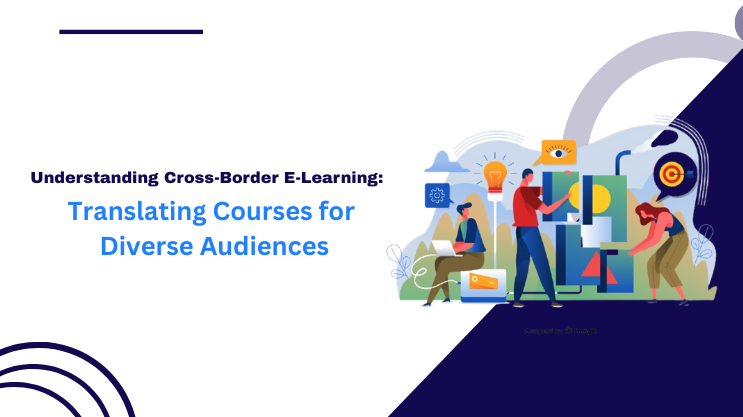
E-learning has transformed education and corporate training, allowing learners worldwide to access courses anytime, anywhere. However, reaching a global audience requires more than just uploading content-it demands thoughtful translation and localization. Translating e-learning courses ensures content is understandable, culturally relevant, and engaging for learners across different regions.
Why Translating E-Learning Courses Matters
- Global Accessibility: Learners prefer content in their native language, enhancing comprehension and retention.
- Cultural Relevance: Adapting examples, scenarios, and visuals ensures learners relate to the material.
- Improved Engagement: Clear, localized content keeps learners motivated and reduces drop-off rates.
- Compliance and Certification: In professional training, accurate translations ensure learners meet regulatory requirements.
Challenges in Translating E-Learning Content
- Technical Terminology: Courses often contain industry-specific or technical terms that require precise translation.
- Multimedia Integration: Audio, video, and interactive elements must be synchronized with translated text.
- Cultural Sensitivity: Certain examples, idioms, or graphics may not resonate or may even offend in different cultures.
- Consistency Across Modules: Maintaining uniform terminology, tone, and style across multiple lessons is crucial.
Best Practices for Translating E-Learning Courses
- Use Professional Translators and Localizers: Ensure accuracy and cultural relevance in every module.
- Develop a Glossary and Style Guide: Maintain consistent terminology, tone, and formatting.
- Adapt Multimedia Content: Translate subtitles, voiceovers, and on-screen text while keeping timing accurate.
- Test with Target Learners: Conduct usability testing to ensure clarity, engagement, and comprehension.
- Leverage Technology: Utilize Translation Management Systems (TMS) and e-learning authoring tools for efficiency.
Tools and Techniques for Effective Course Translation
- Translation Memory (TM) Systems: Ensure consistent use of terms across multiple modules.
- Subtitle and Voiceover Software: Synchronize translations with multimedia elements.
- In-context Review Platforms: Allow translators to view courses as learners see them.
- Learning Analytics: Track learner performance and feedback to improve translated content.
Conclusion
Cross-border e-learning requires more than literal translation-it demands localization that considers culture, context, and learner experience. By investing in professional translation services and adopting best practices, educational institutions and organizations can create courses that are accessible, engaging, and effective for diverse global audiences. Translating e-learning content not only broadens reach but also enhances learning outcomes and fosters a truly global learning environment.
e-learning translation, course localization, multilingual training, cross-border e-learning, learning content translation, global education, Honey Translation Services.