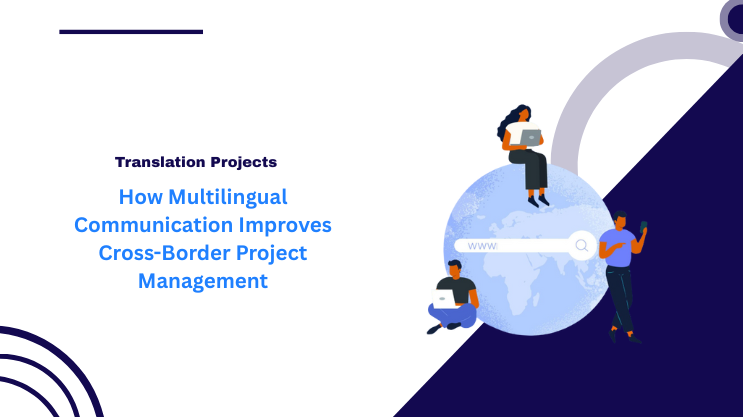
In cross-border projects, teams often collaborate across different countries, cultures, and time zones. Language differences can create misunderstandings, delays, and misalignment if not managed properly. Multilingual communication plays a vital role in ensuring clarity, collaboration, and efficiency, enabling project teams to work together smoothly and achieve shared goals.
1. Improving Clarity in Project Requirements
Clear communication of project goals, timelines, and deliverables is essential for success. Multilingual communication ensures that all stakeholders fully understand requirements in their preferred language, reducing misinterpretation and rework.
2. Enhancing Collaboration Across Global Teams
When team members can communicate in their native language, they feel more confident contributing ideas and feedback. Multilingual communication fosters inclusivity, encouraging active participation and stronger collaboration among international teams.
3. Reducing Errors and Project Delays
Language barriers often lead to mistakes in documentation, instructions, or reporting. Providing translated materials and multilingual support minimizes errors, speeds up decision-making, and keeps projects on schedule.
4. Supporting Effective Stakeholder Communication
Cross-border projects involve multiple stakeholders, including clients, vendors, and partners. Multilingual communication ensures consistent and transparent information sharing, strengthening trust and alignment across all parties.
5. Improving Risk Management and Compliance
Accurate multilingual communication helps teams understand legal, regulatory, and safety requirements in different regions. This reduces compliance risks and ensures that projects meet local standards and expectations.
6. Strengthening Team Engagement and Morale
Employees who receive updates and instructions in their native language feel valued and respected. This improves morale, motivation, and commitment, contributing to better overall project performance.
7. Streamlining Documentation and Reporting
Project plans, progress reports, and technical documentation must be clearly understood by all teams. Multilingual documentation ensures consistency and transparency, supporting smoother coordination and accountability.
8. Leveraging Technology for Real-Time Collaboration
Translation tools, multilingual project management platforms, and real-time interpretation enable faster communication across borders. These technologies help teams collaborate effectively despite language differences.
In conclusion, multilingual communication is a key enabler of successful cross-border project management. By ensuring clarity, inclusivity, and efficiency, organizations can reduce risks, improve collaboration, and deliver projects successfully in a global business environment.
