Category: Guide

  • Translating Legal Contracts for Cross-Border Businesses

    Translating Legal Contracts for Cross-Border Businesses

    In today’s globalized economy, businesses frequently engage in cross-border transactions. Legal contracts are the backbone of these agreements, outlining obligations, rights, and liabilities. Accurate translation of these contracts is essential to prevent misunderstandings, ensure compliance with local laws, and protect businesses from costly legal disputes.


    Why Legal Contract Translation Matters

    1. Legal Accuracy: Even a minor mistranslation can lead to misinterpretation of obligations or terms, risking legal disputes.
    2. Cross-Border Compliance: Different countries have unique legal requirements; translations ensure adherence to local regulations.
    3. Investor Confidence: Clear and precise contracts build trust among international partners and investors.
    4. Business Continuity: Correct translations prevent delays or disputes in negotiations and implementation.

    Challenges in Translating Legal Contracts

    • Complex Legal Terminology: Terms often have precise definitions in each jurisdiction, requiring expert knowledge.
    • Cultural and Jurisdictional Differences: Legal concepts may not have direct equivalents in another language.
    • Maintaining Tone and Clarity: Contracts must remain formal and unambiguous while translating into another language.
    • Volume and Deadlines: Large contracts require quick turnaround without compromising accuracy.

    Best Practices for Translating Legal Contracts

    1. Hire Specialized Legal Translators: Use linguists with expertise in legal and cross-border business translation.
    2. Maintain Consistent Terminology: Use glossaries or translation memory tools to ensure uniform language throughout documents.
    3. Collaborate with Legal Teams: Translators should work closely with lawyers to verify context and legal meaning.
    4. Focus on Accuracy, Not Literal Translation: Adapt terms carefully to convey the intended legal effect.
    5. Use Quality Assurance Processes: Proofread, review, and validate translations to avoid errors.

    Tools and Services to Aid Legal Translation

    • Translation Memory Systems (TMS): Ensure consistent terminology and faster turnaround.
    • Legal Glossaries: Standardize terminology across multiple languages and contracts.
    • Secure File Sharing: Protect sensitive contract information during translation.
    • In-context Review Platforms: Allow translators and legal teams to view text in the document format.

    Conclusion

    Translating legal contracts for cross-border businesses is a high-stakes task that demands precision, expertise, and cultural awareness. Professional translation ensures contracts are legally sound, clear, and enforceable across jurisdictions, safeguarding businesses from disputes and facilitating smooth international operations. Investing in expert legal translation is essential for global business success.

    legal contract translation, cross-border business translation, international contract translation, legal document translation, multilingual contract services, Honey Translation Services.

  • From Agreements to Affidavits: The Importance of Professional Legal Translators

    From Agreements to Affidavits: The Importance of Professional Legal Translators

    In the legal world, precision is everything. A single mistranslated word can change the meaning of a clause, invalidate a document, or lead to costly disputes. From contracts and agreements to affidavits and court filings, professional legal translators play a critical role in ensuring accuracy, compliance, and clarity across languages.

    1. Why Legal Translation Requires Specialized Expertise

    Legal language is complex, technical, and highly structured. Professional legal translators possess not only linguistic skills but also a deep understanding of legal terminology, systems, and procedures in both source and target languages.

    Key expertise includes:

    • Knowledge of legal concepts and frameworks
    • Mastery of legal terminology
    • Awareness of jurisdiction-specific requirements

    2. Accuracy and Risk Mitigation

    Legal documents carry binding consequences. Errors in translation can lead to misinterpretation, contract breaches, or legal liabilities. Professional legal translators ensure precise and faithful translations that reduce risk.

    Why accuracy matters:

    • Protects legal rights and obligations
    • Prevents costly disputes and delays
    • Ensures enforceability of documents

    3. Ensuring Compliance Across Jurisdictions

    Different countries follow different legal systems and regulations. Professional legal translators understand these differences and adapt documents to meet local legal standards without altering their original intent.

    Compliance benefits:

    • Acceptance by courts and authorities
    • Alignment with local laws and regulations
    • Smooth cross-border legal processes

    4. Confidentiality and Ethical Responsibility

    Legal documents often contain sensitive and confidential information. Professional legal translators follow strict confidentiality protocols and ethical standards to protect client data.

    Professional safeguards include:

    • Secure document handling
    • Non-disclosure agreements
    • Ethical translation practices

    5. From Agreements to Affidavits: Documents That Demand Precision

    Professional legal translators handle a wide range of legal documents, including:

    • Contracts and agreements
    • Affidavits and declarations
    • Court judgments and pleadings
    • Power of attorney documents
    • Compliance and regulatory filings

    Each document requires careful attention to tone, structure, and legal intent.

    Conclusion

    Professional legal translators are essential partners in today’s global legal environment. By ensuring accuracy, confidentiality, and compliance, they help individuals, law firms, and businesses navigate legal matters across languages with confidence.

    From agreements to affidavits, investing in professional legal translation is not just a necessity-it’s a safeguard for legal integrity and peace of mind.

  • The Role of Medical Translation in Global Healthcare Communication

    The Role of Medical Translation in Global Healthcare Communication

    In today’s globalized healthcare landscape, effective communication can be the difference between accurate treatment and serious medical risk. As patients, healthcare providers, and pharmaceutical companies operate across borders, medical translation plays a critical role in ensuring clarity, safety, and trust in global healthcare communication.

    1. Bridging Language Gaps in Patient Care

    Patients must fully understand diagnoses, treatment plans, and medication instructions. Medical translation ensures that language differences do not compromise patient safety or outcomes.

    Key benefits:

    • Clear doctor–patient communication
    • Improved patient understanding and compliance
    • Reduced risk of medical errors

    2. Supporting Accurate Medical Documentation

    Medical records, discharge summaries, lab reports, and consent forms require precise and accurate translation. Even minor errors can lead to misinterpretation and serious consequences.

    Why accuracy matters:

    • Ensures continuity of care
    • Maintains data integrity
    • Protects healthcare providers from liability

    3. Enabling Global Clinical Research and Trials

    Medical translation supports international clinical trials by translating protocols, informed consent forms, case reports, and regulatory submissions. This ensures ethical participation and consistent data collection across regions.

    Impact on research:

    • Enables multinational collaboration
    • Ensures regulatory compliance
    • Improves research transparency

    4. Facilitating Pharmaceutical and Medical Device Communication

    Pharmaceutical companies and medical device manufacturers rely on medical translation for packaging, labeling, instructions for use (IFUs), and marketing materials. These translations must meet strict regulatory and safety standards.

    Essential outcomes:

    • Regulatory approval across markets
    • Safe and correct product usage
    • Global market access

    5. Ensuring Compliance with Global Healthcare Regulations

    Healthcare communication must comply with international and local regulations such as FDA, EMA, and WHO guidelines. Professional medical translators understand these regulatory frameworks and industry terminology.

    Compliance advantages:

    • Reduced legal and regulatory risks
    • Accurate standardized terminology
    • Faster approval processes

    6. The Importance of Human Expertise in Medical Translation

    While AI tools can assist with speed, medical translation requires human expertise, subject-matter knowledge, and ethical responsibility. Professional medical translators ensure accuracy, cultural sensitivity, and contextual understanding.

    Why human translators matter:

    • Deep medical knowledge
    • Context-aware translations
    • Patient safety assurance

    Conclusion

    Medical translation is a vital component of global healthcare communication. By bridging language barriers, it improves patient care, supports medical innovation, and ensures regulatory compliance. Investing in professional medical translation is not just about communication-it is about safeguarding lives and advancing global health.

  • How Cultural Context Shapes Brand Messaging

    How Cultural Context Shapes Brand Messaging

    In a global marketplace, one-size-fits-all marketing no longer works. A message that resonates in one country may fall flat-or even offend-in another. Understanding cultural context is essential for crafting brand messaging that connects, engages, and builds trust with diverse audiences.


    What Is Cultural Context in Branding?

    Cultural context refers to the beliefs, values, customs, and social norms that influence how people perceive communication. When brands consider these factors, they create messaging that aligns with local expectations while maintaining global brand identity.

    Examples include:

    • Colors and symbols with cultural significance
    • Language nuances and idioms
    • Humor, tone, and formality
    • Consumer behavior and societal values

    Why Cultural Context Matters for Brand Messaging

    1. Builds Trust and Credibility: Respecting cultural norms shows audiences that a brand understands and values them.
    2. Enhances Engagement: Culturally relevant messaging resonates more, encouraging interactions and conversions.
    3. Prevents Missteps: Avoids misunderstandings, offensive language, or negative brand perception.
    4. Strengthens Global Identity: Balances local adaptation with a consistent international brand voice.

    Challenges in Adapting Brand Messaging

    • Literal Translations: Direct translation may miss nuances or cultural references.
    • Tone and Humor: Jokes, metaphors, or informal tones may not translate well.
    • Visual Elements: Images, colors, and layouts can carry different meanings across cultures.
    • Diverse Market Segments: Even within a single country, cultural perceptions can vary widely.

    Best Practices for Culturally-Aware Brand Messaging

    1. Invest in Localization: Adapt messaging to local languages, customs, and consumer expectations.
    2. Conduct Cultural Research: Study the target audience’s values, communication style, and preferences.
    3. Work With Native Experts: Collaborate with translators and marketers who understand the cultural context.
    4. Test Campaigns Locally: Run focus groups or pilot campaigns to gather feedback before full-scale launches.
    5. Maintain Brand Consistency: Ensure that local adaptations align with the global brand identity.

    Tools That Support Cultural Localization

    • Translation Management Systems (TMS): Streamline multilingual messaging while maintaining consistency.
    • Glossaries and Style Guides: Standardize terminology and tone across languages.
    • Cultural Consultants: Provide guidance on customs, taboos, and trends.
    • Market Research Tools: Analyze consumer behavior and sentiment in target regions.

    Conclusion

    Cultural context shapes how brand messages are received. By understanding local values, preferences, and communication styles, businesses can craft messaging that resonates globally while respecting local sensibilities. Effective localization ensures brands connect meaningfully with international audiences, enhance engagement, and strengthen reputation worldwide.

    cultural context in branding, brand messaging localization, global marketing strategies, multilingual brand communication, international marketing, Honey Translation Services.


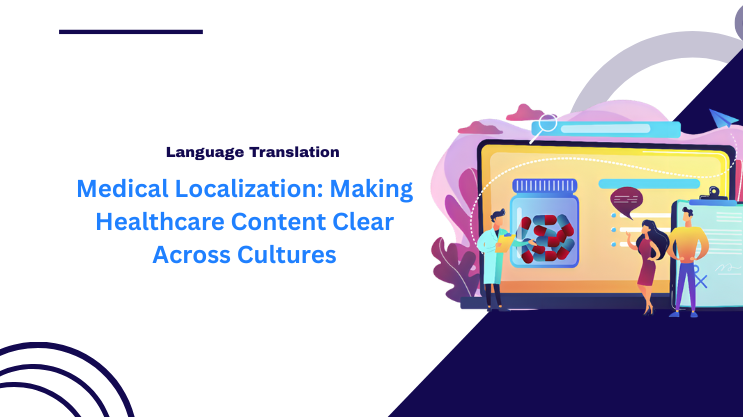
  • Medical Localization: Making Healthcare Content Clear Across Cultures

    Medical Localization: Making Healthcare Content Clear Across Cultures

    In healthcare, clear communication can save lives. As medical services, research, and digital health platforms expand globally, the need for accurate and culturally sensitive medical localization has become critical. Medical localization ensures that healthcare content is not only translated correctly but also adapted to meet cultural, linguistic, and regulatory expectations across regions.

    1. What Is Medical Localization?

    Medical localization goes beyond word-for-word translation. It involves adapting medical content—such as patient information, clinical documents, apps, and websites-to align with local language usage, cultural norms, and healthcare systems.

    Key elements include:

    • Accurate medical terminology
    • Cultural and linguistic adaptation
    • Compliance with local regulations

    2. Why Medical Localization Matters in Healthcare

    Misunderstood medical information can lead to serious consequences, including misdiagnosis, improper medication use, or lack of patient compliance. Localization ensures clarity, safety, and trust in healthcare communication.

    Healthcare impact:

    • Improved patient understanding
    • Reduced medical errors
    • Increased patient trust and engagement

    3. Addressing Cultural Sensitivities in Healthcare

    Health beliefs, symptoms descriptions, and treatment acceptance vary across cultures. Medical localization accounts for these differences to ensure healthcare messages are respectful, clear, and effective.

    Benefits include:

    • Better patient-provider communication
    • Increased treatment adherence
    • Stronger patient confidence

    4. Ensuring Regulatory and Legal Compliance

    Healthcare content must meet strict regulatory requirements that vary by country. Professional medical localization ensures compliance with regional healthcare authorities and international standards.

    Areas of compliance:

    • Patient consent forms
    • Clinical trial documentation
    • Medical device and pharmaceutical labeling

    5. Medical Localization in Digital Healthcare

    With the growth of telemedicine, healthcare apps, and patient portals, localized digital content is essential. Users expect healthcare information in their own language, presented clearly and intuitively.

    Digital healthcare advantages:

    • Improved usability of health platforms
    • Wider access to medical services
    • Enhanced patient satisfaction

    Conclusion

    Medical localization plays a vital role in delivering safe, effective, and inclusive healthcare across cultures. By combining medical expertise, linguistic precision, and cultural understanding, localized healthcare content empowers patients, supports healthcare professionals, and strengthens global health outcomes.

    Investing in medical localization is not just about communication-it’s about improving lives through clarity and trust.

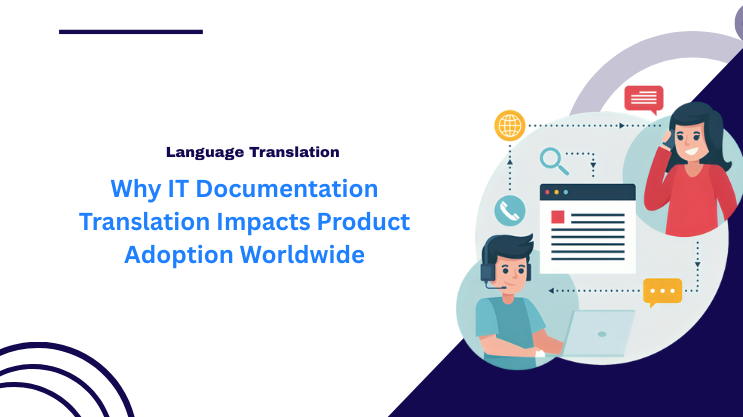
  • Why IT Documentation Translation Impacts Product Adoption Worldwide

    Why IT Documentation Translation Impacts Product Adoption Worldwide

    In the global tech market, even the most innovative product can fail if users don’t understand how to use it. Clear, accurate, and localized IT documentation plays a crucial role in product adoption across international markets. Translating IT documentation is not just a technical requirement-it is a strategic driver of global user engagement and business success.

    1. Makes Technology Accessible to Global Users

    IT documentation such as user manuals, installation guides, FAQs, and help files helps users understand and use a product effectively. When this content is available in the user’s native language, it removes barriers to adoption.

    Impact:

    • Easier onboarding for global users
    • Faster product understanding
    • Increased user confidence

    2. Reduces User Frustration and Support Costs

    Poorly translated or untranslated documentation often leads to confusion, errors, and increased support tickets. Professional translation ensures clarity, reducing the burden on customer support teams.

    Key benefits:

    • Fewer helpdesk requests
    • Lower support costs
    • Improved customer satisfaction

    3. Enhances User Experience and Product Trust

    Users trust products that communicate clearly and professionally. Well-translated documentation reflects product quality and reliability, encouraging users to adopt and continue using the software or system.

    Why it matters:

    • Builds user trust
    • Strengthens product credibility
    • Encourages long-term usage

    4. Supports Compliance and Industry Standards

    Many regions require technical documentation to meet local language and regulatory standards. Accurate IT documentation translation ensures compliance with international laws, data protection requirements, and industry norms.

    Risk reduction through:

    • Regulatory-compliant documentation
    • Accurate technical terminology
    • Reduced legal exposure

    5. Improves Global Market Penetration

    Localized documentation helps products compete effectively in international markets. It allows businesses to tailor their offerings to regional expectations, improving acceptance and adoption.

    Results include:

    • Faster entry into new markets
    • Higher adoption rates
    • Competitive advantage

    6. Strengthens Brand Reputation Globally

    Consistent and high-quality documentation across languages reinforces a strong global brand image. Users perceive the product as user-focused and professionally managed.

    Brand impact:

    • Consistent global messaging
    • Increased customer loyalty
    • Stronger brand recognition

    Conclusion

    IT documentation translation is a critical factor in global product adoption. By ensuring clarity, usability, and cultural relevance, businesses empower users to fully embrace their technology-no matter where they are. Investing in professional IT documentation translation leads to better user experiences, stronger market presence, and sustained global growth.

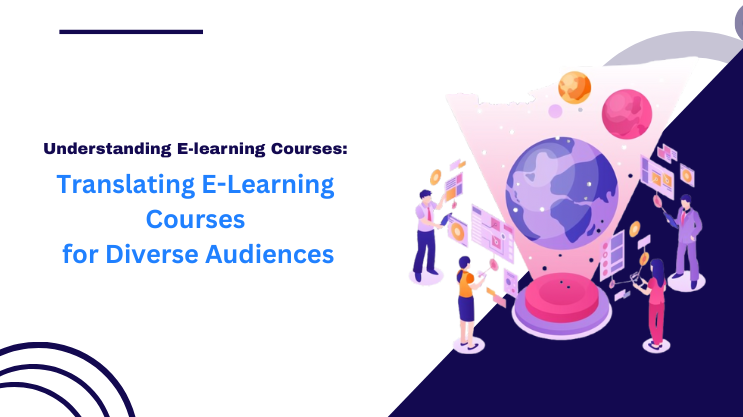
  • Translating E-Learning Courses for Diverse Audiences

    Translating E-Learning Courses for Diverse Audiences

    E-learning has transformed education and corporate training, allowing content to reach learners across the globe. To make these courses effective for international audiences, translation is more than converting text-it involves cultural adaptation, multimedia localization, and learner-centric design. Proper translation ensures your content resonates with diverse learners while maintaining clarity, engagement, and instructional integrity.


    Why Translating E-Learning Courses Matters

    1. Global Accessibility: Learners understand content in their native language, improving comprehension and retention.
    2. Cultural Relevance: Localizing examples, scenarios, and references makes learning more relatable.
    3. Brand Consistency: Professional translations maintain your organization’s tone, style, and messaging.
    4. Enhanced Engagement: Clear and culturally adapted content keeps learners motivated and reduces dropout rates.

    Challenges in Translating E-Learning Content

    • Technical Jargon: Industry-specific terms or complex concepts require accurate translation.
    • Multimedia Integration: Audio, video, animations, and graphics must be localized alongside text.
    • Platform Compatibility: Learning Management Systems (LMS) may have character limits or formatting constraints.
    • Cultural Sensitivity: Idioms, humor, and imagery may need adaptation to suit diverse audiences.

    Best Practices for Translating E-Learning Courses

    1. Use Professional Translators: Choose linguists with e-learning or instructional design experience.
    2. Maintain Context: Provide translators with full course content, scripts, and visuals to ensure accurate adaptation.
    3. Leverage Localization Tools: Use Translation Management Systems (TMS) and e-learning authoring tools for consistency.
    4. Test with Target Audiences: Conduct pilot runs to ensure content is clear, engaging, and culturally appropriate.
    5. Update Regularly: Keep translations current with course updates, new modules, or changes in regulations.

    Tools to Aid E-Learning Translation

    • CAT Tools and TMS: Streamline translations while maintaining consistency.
    • Glossaries and Style Guides: Ensure correct terminology and brand tone across languages.
    • LMS Integration Tools: Ensure translations fit platform constraints and multimedia content.
    • QA and Testing Tools: Review translated courses for linguistic, technical, and cultural accuracy.

    Conclusion

    Translating e-learning courses for diverse audiences goes beyond simple translation-it’s about creating inclusive, engaging, and culturally relevant learning experiences. Professional translation and localization enable organizations to reach global learners effectively, enhance knowledge retention, and maintain brand credibility. Investing in high-quality translation ensures that e-learning content is accessible and impactful worldwide.

    e-learning translation, online course localization, multilingual e-learning, instructional content translation, global training programs, LMS localization, Honey Translation Services.


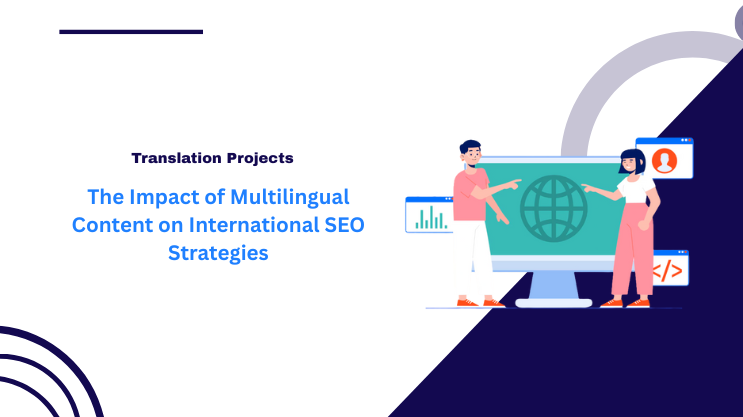
  • The Impact of Multilingual Content on International SEO Strategies

    The Impact of Multilingual Content on International SEO Strategies

    As businesses expand into global markets, search engine optimization must evolve beyond a single language. Multilingual content plays a crucial role in international SEO by helping brands reach diverse audiences, improve visibility in regional search results, and deliver a better user experience. When implemented strategically, multilingual SEO becomes a powerful driver of global traffic and growth.

    1. Expanding Reach Across Global Search Markets

    Creating content in multiple languages allows businesses to appear in search results across different countries and regions. Users are more likely to search in their native language, and multilingual content ensures that brands are discoverable where their audiences are actively searching.

    2. Targeting Region-Specific Keywords

    Search behavior varies by language and location. Multilingual SEO focuses on identifying and optimizing for local keywords that reflect how users search in each market. This approach improves relevance, attracts qualified traffic, and increases the chances of higher rankings in regional search engines.

    3. Improving User Experience and Engagement

    Users engage more with content that is presented in their own language. Multilingual websites reduce bounce rates, increase time on page, and improve overall engagement—factors that positively influence search engine rankings and SEO performance.

    4. Proper Use of Hreflang and Site Structure

    Implementing hreflang tags and clear URL structures helps search engines understand language and regional targeting. This prevents duplicate content issues and ensures users are directed to the most relevant version of a website, improving both SEO accuracy and usability.

    5. Optimizing On-Page SEO Elements

    Title tags, meta descriptions, headers, and image alt texts must be translated and optimized for each language. Localized on-page SEO enhances click-through rates and ensures that content aligns with the search intent of international users.

    6. Building Authority Through Local Backlinks

    Multilingual content enables businesses to earn backlinks from local websites, directories, and publications. These region-specific backlinks strengthen domain authority and signal relevance to search engines within each target market.

    7. Supporting Multilingual Content Marketing

    Blogs, landing pages, and resources in multiple languages support global content marketing strategies. Consistently publishing localized content helps maintain search visibility, engage international audiences, and reinforce brand authority across regions.

    8. Measuring Performance and Continuous Optimization

    Tracking SEO performance separately for each language and region is essential. Analyzing traffic, rankings, and conversions allows businesses to refine multilingual strategies, update content, and improve long-term international SEO results.

    In conclusion, multilingual content significantly impacts international SEO strategies by enhancing visibility, relevance, and user engagement across global markets. Businesses that invest in well-planned multilingual SEO can achieve sustainable growth, stronger global presence, and long-term search success.

  • Payment, Policy, and Product Localization: The Complete eCommerce Guide

    Payment, Policy, and Product Localization: The Complete eCommerce Guide

    As eCommerce continues to expand across borders, localization has become essential for success in global markets. Customers expect more than translated product descriptions-they want familiar payment options, clear policies, and culturally relevant experiences. This complete guide explains how payment, policy, and product localization work together to build trust, improve conversions, and drive international growth.

    1. Why Localization Matters in Global eCommerce

    Localization adapts your online store to the language, culture, and expectations of each target market. When customers feel understood, they are more confident in completing purchases.

    Key outcomes:

    • Higher conversion rates
    • Improved customer trust
    • Reduced cart abandonment

    2. Payment Localization: Making Checkout Easy

    Payment preferences vary widely across regions. Offering local payment methods is critical to ensuring a smooth checkout experience.

    Key elements of payment localization:

    • Local currencies and pricing formats
    • Region-specific payment methods (cards, wallets, bank transfers)
    • Clear tax and fee displays

    Result:

    • Faster checkouts
    • Increased payment success rates
    • Better customer satisfaction

    3. Policy Localization: Building Transparency and Trust

    Policies are often overlooked but play a crucial role in customer confidence. Localizing return policies, shipping terms, privacy statements, and terms of service ensures clarity and compliance.

    Benefits include:

    • Clear expectations for customers
    • Compliance with local regulations
    • Fewer disputes and returns

    4. Product Localization: Beyond Translation

    Product localization goes deeper than language. It ensures product names, descriptions, images, and measurements align with local preferences and cultural norms.

    Key aspects:

    • Accurate translations with localized terminology
    • Adapted measurements, sizes, and units
    • Cultural relevance in visuals and messaging

    Impact:

    • Better product understanding
    • Increased engagement
    • Higher purchase intent

    5. The Role of Professional Localization Services

    Professional localization combines linguistic expertise with technical and cultural knowledge. Experts ensure consistency across platforms while maintaining brand identity.

    Why professionals matter:

    • Industry-specific accuracy
    • Cultural sensitivity
    • Scalable global solutions

    6. Best Practices for Successful eCommerce Localization

    • Research target markets thoroughly
    • Prioritize high-impact pages (checkout, policies, top products)
    • Use native-language professionals
    • Continuously test and optimize localized content

    Conclusion

    Successful global eCommerce requires more than selling internationally-it requires thinking locally. By localizing payments, policies, and products, businesses create seamless shopping experiences that build trust and drive growth. With the right localization strategy, your eCommerce

  • The Role of Language Services in the Future of Online Gaming

    The Role of Language Services in the Future of Online Gaming

    The online gaming industry is booming, with millions of players connecting across the globe. As games become more immersive and communities more diverse, the role of language services is evolving. Companies like Honey Translation Services are at the forefront, enabling seamless communication, localization, and accessibility for gamers worldwide.

    The Rise of Global Gaming Communities

    Online gaming is no longer limited by geography. Players from different countries interact in real-time, competing or collaborating in complex virtual worlds. This global interaction requires accurate translation and localization to ensure every player feels included. Honey Translation Services specializes in bridging these gaps, making games accessible and enjoyable for international audiences.

    Importance of Game Localization

    Localization goes beyond translation. It adapts the game’s content, interface, and cultural references to resonate with players in different regions. A joke or idiom that works in English may not make sense in Japanese or Spanish. Honey Translation Services provides expert localization that captures cultural nuances while maintaining the game’s original spirit.

    • Text Localization: Translating dialogues, instructions, and menus accurately.
    • Voice-over & Dubbing: Ensuring in-game characters speak naturally in the target language.
    • Subtitling: Providing precise subtitles for cutscenes and gameplay videos.

    Enhancing User Experience Through Multilingual Support

    Gamers value experiences that feel personal and immersive. Offering multilingual support improves user engagement and retention. Honey Translation Services helps game developers deliver intuitive interfaces and authentic storylines, ensuring that language barriers never hinder gameplay.

    AI and Human Collaboration in Game Translation

    While AI-driven translation tools are advancing, human expertise remains critical in gaming. Machine translation alone cannot capture cultural context, humor, or emotional depth. Honey Translation Services combines AI efficiency with human creativity, delivering translations that are accurate, culturally relevant, and engaging.

    Challenges in Online Gaming Translation

    Translating games is not without challenges:

    • Rapid content updates require continuous translation.
    • Maintaining consistency in terminology across multiple languages.
    • Preserving the tone, humor, and storyline without loss of meaning.

    Honey Translation Services addresses these challenges with specialized teams, advanced translation tools, and rigorous quality checks.

    Future Trends in Gaming Language Services

    The future of online gaming will see even more sophisticated use of language services:

    • Real-time multiplayer translation: Breaking language barriers during live gameplay.
    • Localized marketing campaigns: Promoting games effectively in global markets.
    • Cultural adaptation for immersive storytelling: Enhancing player engagement through culturally relevant narratives.

    Honey Translation Services is positioned to support these trends, helping developers expand their reach and deliver exceptional gaming experiences worldwide.

    Conclusion

    Language services are no longer an optional add-on – they are central to the future of online gaming. By partnering with experts like Honey Translation Services, game developers can ensure global accessibility, cultural relevance, and an enhanced gaming experience for players everywhere.