Category: Guide

  • How Interpretation Enhances Cross-Cultural Business Negotiations

    How Interpretation Enhances Cross-Cultural Business Negotiations

    In today’s global economy, business negotiations often span multiple countries, languages, and cultures. Miscommunication or cultural misunderstandings can lead to lost opportunities or strained relationships. Professional interpretation plays a critical role in bridging these gaps, ensuring that every conversation is clear, accurate, and culturally sensitive.

    1. Ensuring Clear and Accurate Communication

    Interpretation provides real-time translation of spoken language, allowing participants to fully understand each other’s messages without delay or confusion. Accurate interpretation ensures that all parties are on the same page, reducing the risk of misunderstandings that can derail negotiations.

    Key benefits:

    • Precise communication of complex ideas
    • Avoidance of misinterpretation
    • Confidence in discussions and agreements

    2. Navigating Cultural Nuances

    Cross-cultural negotiations involve more than just language—they include understanding etiquette, tone, and nonverbal cues. Professional interpreters are trained to recognize cultural differences and convey messages in a way that respects local customs and expectations.

    Strategic advantages:

    • Builds trust with international partners
    • Enhances cultural sensitivity
    • Improves relationship-building

    3. Supporting Effective Decision-Making

    When participants understand the discussion clearly, they can make informed decisions quickly. Interpretation facilitates smoother negotiations by ensuring that critical details, concerns, and proposals are accurately communicated.

    Benefits include:

    • Streamlined decision-making
    • Reduced risk of errors or misunderstandings
    • Increased efficiency in negotiations

    4. Enhancing Professionalism and Credibility

    Investing in professional interpretation demonstrates respect for partners’ languages and cultures. It signals that your business values clear communication and professionalism, which strengthens your credibility in international markets.

    Impact on business relationships:

    • Builds confidence among stakeholders
    • Promotes positive impressions
    • Supports long-term partnerships

    5. Maximizing Negotiation Outcomes

    With accurate communication and cultural awareness, interpretation increases the likelihood of successful negotiation outcomes. It enables businesses to explore opportunities fully, negotiate terms effectively, and foster mutual understanding.

    Long-term advantages:

    • Improved global partnerships
    • Higher success rates in negotiations
    • Strategic growth in international markets

    Conclusion

    Interpretation is more than a language service-it is a strategic tool for cross-cultural business success. By facilitating accurate communication, navigating cultural nuances, and supporting effective decision-making, professional interpreters enhance negotiations and help businesses build stronger, more fruitful international relationships.
  • Translating Scientific Research for International Journals

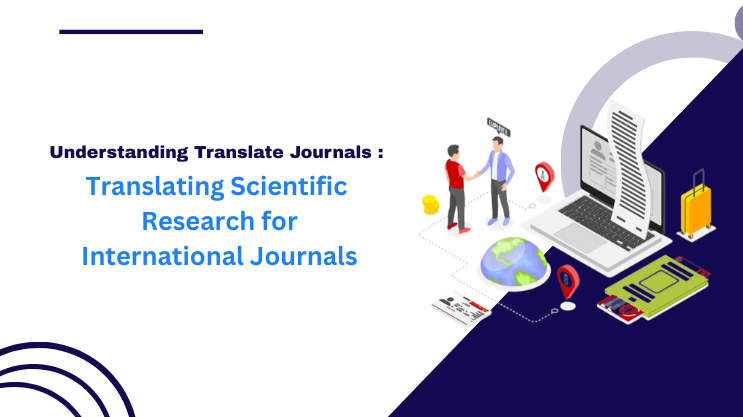
    Translating Scientific Research for International Journals

    Publishing scientific research internationally requires more than strong data and groundbreaking insights-it demands precise, professional translation. Scientific papers must be clear, accurate, and adhere to journal-specific standards to ensure credibility and global accessibility. Translating research effectively allows scientists to share findings with a wider audience, collaborate internationally, and advance global knowledge.


    Why Accurate Translation Matters in Scientific Research

    1. Maintains Precision: Scientific terminology, formulas, and methodologies must be accurately translated to avoid misinterpretation.
    2. Enhances Credibility: Journals and peer reviewers rely on clear, professional language to assess research quality.
    3. Facilitates Global Collaboration: Translated research fosters communication and collaboration across countries and disciplines.
    4. Supports Compliance: Many journals require submissions in specific languages or formats, making translation essential.

    Challenges in Translating Scientific Papers

    • Complex Terminology: Technical terms and specialized vocabulary require expert knowledge.
    • Maintaining Academic Tone: The formal, objective voice of scientific writing must be preserved across languages.
    • Data and Figure Accuracy: Tables, graphs, and statistical data need careful translation to maintain integrity.
    • Formatting and Style Compliance: Journals have strict guidelines for structure, citations, and references that must be followed.

    Best Practices for Translating Scientific Research

    1. Hire Subject-Matter Experts: Translators with scientific or academic expertise ensure accurate terminology and comprehension.
    2. Use Translation Memory Tools: Maintain consistency across similar terms and previously translated research.
    3. Provide Context: Supply abstracts, references, and supporting materials to translators for better accuracy.
    4. Peer Review Translations: Collaborate with bilingual researchers or editors to verify technical and contextual accuracy.
    5. Adhere to Journal Guidelines: Ensure translations comply with submission requirements for format, style, and references.

    Tools and Resources for Scientific Translation

    • Translation Management Systems (TMS): Streamline workflow and maintain term consistency.
    • Glossaries and Style Guides: Standardize scientific terminology across papers and projects.
    • In-context Review Platforms: Allow translators to see figures, tables, and formatting in final layouts.
    • Reference Management Tools: Ensure accurate translation of citations, references, and bibliographies.

    Conclusion

    Translating scientific research for international journals is critical to sharing knowledge, fostering collaboration, and advancing scientific progress. Accurate, professional translation ensures that research is accessible, credible, and meets publication standards. By investing in expert translation services, researchers can reach a global audience, increase citations, and make meaningful contributions to their field.

    scientific translation services, academic paper translation, research paper translation, multilingual scientific publishing, journal submission translation, Honey Translation Services.


  • The Growing Need for Professional Translation in Healthcare Communications

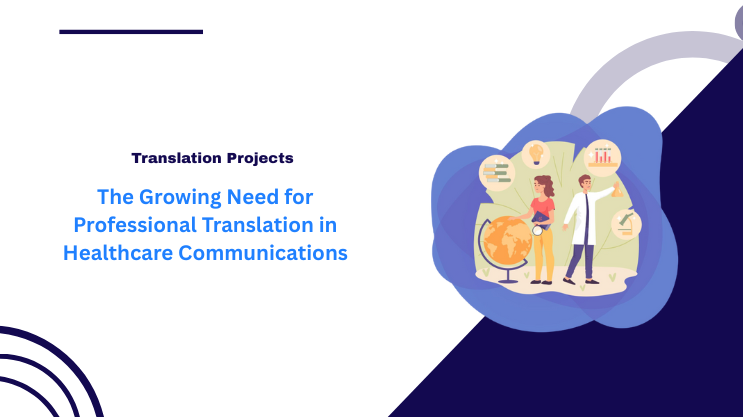
    The Growing Need for Professional Translation in Healthcare Communications

    In today’s global healthcare environment, accurate communication is critical. Patients, medical professionals, and organizations rely on precise information to ensure safety, compliance, and effective care. Professional translation in healthcare goes beyond literal word-for-word translation—it requires expertise in medical terminology, cultural sensitivity, and regulatory knowledge. High-quality translations improve patient outcomes, reduce errors, and support global healthcare operations.

    1. Ensuring Patient Safety

    Accurate translation of medical instructions, prescriptions, consent forms, and diagnostic reports is essential to prevent misunderstandings that could lead to medical errors. Professional translators ensure clarity, minimizing risks and safeguarding patient health.

    2. Maintaining Compliance with Regulations

    Healthcare communications must comply with local and international regulations, including HIPAA, GDPR, and other medical standards. Professional translators are trained to adhere to these guidelines, ensuring that all documentation meets legal and ethical requirements.

    3. Facilitating Access to Multilingual Patient Care

    Patients often speak multiple languages or may not be fluent in the local language. Translating patient education materials, discharge instructions, and informational brochures enables healthcare providers to deliver equitable care and improve patient satisfaction.

    4. Supporting Clinical Trials and Research

    Global clinical trials require accurate translation of protocols, informed consent forms, and study materials. Professional translation ensures that participants understand procedures, risks, and benefits, maintaining ethical standards and research integrity.

    5. Translating Complex Medical Terminology Accurately

    Medical content includes specialized terminology that must be understood precisely. Professional translators with healthcare expertise can interpret complex terms correctly, ensuring that information is clear and consistent across languages.

    6. Enhancing Telemedicine and Digital Health Communication

    As telemedicine grows, multilingual digital platforms are essential for remote consultations, patient portals, and online resources. Professional translation ensures that digital health communication is reliable and accessible to global users.

    7. Strengthening Healthcare Marketing and Outreach

    Hospitals, clinics, and pharmaceutical companies require localized marketing and educational materials to connect with international audiences. Professional translation ensures messages are culturally appropriate and maintain brand credibility.

    8. Building Trust with Patients and Communities

    Accurate and culturally sensitive translation fosters trust between healthcare providers and patients. When patients feel understood and respected, they are more likely to follow treatment plans, engage with services, and maintain long-term relationships with healthcare organizations.

    In conclusion, professional translation in healthcare communications is no longer optional—it is a necessity for ensuring patient safety, regulatory compliance, and effective global healthcare delivery. By investing in expert translation services, healthcare organizations can improve outcomes, enhance accessibility, and build trust across diverse populations.

  • Multilingual Customer Feedback Analysis for 2026

    Multilingual Customer Feedback Analysis for 2026

    As businesses expand globally, understanding customer sentiment across multiple languages is vital. Multilingual customer feedback analysis helps companies gain actionable insights, identify trends, and improve products or services for diverse markets. In 2026, leveraging advanced tools and professional translation expertise will be key to unlocking the full potential of international feedback.


    Why Multilingual Feedback Analysis Matters

    1. Global Customer Insights: Understand needs, expectations, and pain points of customers across different regions.
    2. Improved Product Development: Data-driven insights guide enhancements and innovations tailored to specific markets.
    3. Enhanced Customer Experience: Responding accurately to feedback in the customer’s language boosts satisfaction and loyalty.
    4. Brand Reputation Management: Detect potential issues early and address them proactively to maintain trust.

    Challenges in Multilingual Feedback Analysis

    • Language Nuances: Idioms, tone, and context can alter the meaning of feedback.
    • Volume and Variety: Large-scale feedback across channels (emails, social media, surveys) can be overwhelming.
    • Cultural Differences: Expressions of satisfaction or dissatisfaction vary across cultures, affecting sentiment analysis.
    • Automated Translation Limitations: Machine translation alone may misinterpret subtle feedback nuances.

    Best Practices for 2026

    1. Combine Human Expertise with AI: Professional translators ensure accuracy, while AI tools speed up large-scale analysis.
    2. Use Advanced Sentiment Analysis Tools: Identify positive, negative, and neutral sentiments accurately across languages.
    3. Standardize Terminology: Glossaries and style guides prevent misinterpretation of key terms or product names.
    4. Segment Feedback by Region and Language: Tailor insights to specific markets for actionable results.
    5. Continuously Update Models: Machine learning models improve with fresh data, keeping analysis relevant and precise.

    Tools Supporting Multilingual Feedback Analysis

    • Translation Management Systems (TMS): Streamline multilingual content handling for analysis.
    • AI-Powered Sentiment Analysis Platforms: Extract insights from text, audio, and social media feedback.
    • Dashboards and Analytics Tools: Visualize patterns, trends, and emerging issues across regions.
    • Integration with CRM Systems: Connect feedback insights to customer profiles for personalized follow-ups.

    Conclusion

    In 2026, businesses that master multilingual customer feedback analysis will have a competitive advantage. By combining professional translation, cultural understanding, and advanced analytics, companies can make data-driven decisions that improve products, enhance customer satisfaction, and strengthen their global brand presence. Effective feedback analysis ensures that language is no longer a barrier but a bridge to better customer relationships worldwide.


    SEO Keywords:
    multilingual customer feedback, international feedback analysis, global CX insights, translation for customer feedback, sentiment analysis multilingual, Honey Translation Services.


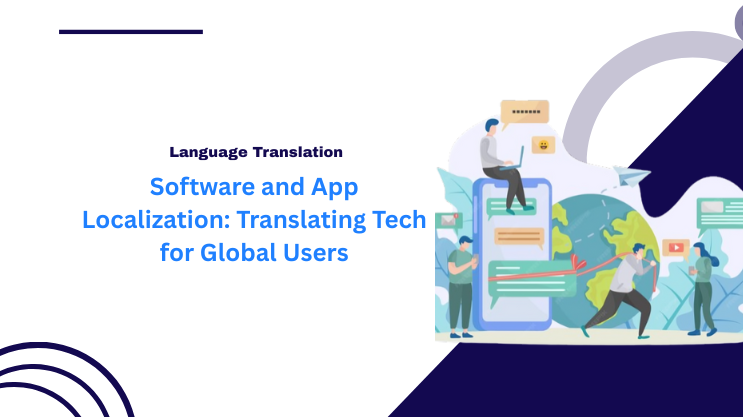
  • Software and App Localization: Translating Tech for Global Users

    Software and App Localization: Translating Tech for Global Users

    In today’s digital-first world, software and mobile applications are no longer limited to local audiences. Businesses aiming for global reach must ensure that their tech solutions resonate with users across cultures and languages. Software and app localization goes beyond simple translation-it adapts interfaces, functionality, and content to meet the expectations of global users, enhancing usability, engagement, and satisfaction.

    1. What Is Software and App Localization?

    Localization involves adapting software or apps for different languages, cultures, and regions. This includes translating text, adjusting formats (like date, time, and currency), and ensuring cultural relevance in graphics, colors, and design elements.

    Key components:

    • Multilingual user interfaces
    • Region-specific formatting
    • Cultural adaptation of visuals and content

    2. Enhancing User Experience Globally

    A seamless user experience is critical to app adoption and retention. Localization ensures that users can navigate, understand, and interact with software intuitively in their native language.

    Benefits:

    • Increased user engagement and satisfaction
    • Reduced errors and support requests
    • Higher retention and adoption rates

    3. Expanding Market Reach

    Localized software opens doors to international markets by removing language barriers. Users are more likely to download, purchase, and recommend apps that feel native to their language and culture.

    Impact on business:

    • Access to a wider audience
    • Increased global downloads and sales
    • Stronger brand presence worldwide

    4. Improving Competitive Advantage

    In a crowded tech market, software that feels native to each region stands out. Localization not only enhances usability but also demonstrates a commitment to global users, strengthening brand reputation.

    Advantages include:

    • Differentiation from competitors
    • Enhanced user trust and loyalty
    • Positive reviews and word-of-mouth growth

    5. Reducing Legal and Compliance Risks

    Global software must comply with local regulations, including data privacy, accessibility, and labeling requirements. Localization ensures that legal and regulatory standards are met in each target market.

    Risk mitigation:

    • Compliance with local laws
    • Reduced liability for miscommunication
    • Safer global operations

    Conclusion

    Software and app localization is a strategic investment that drives global growth, enhances user experience, and strengthens brand credibility. By tailoring tech solutions to the linguistic and cultural expectations of users worldwide, businesses can ensure that their software and apps are truly global-ready.

    Investing in professional localization transforms technology from a local tool into a globally embraced solution.

  • How Localization Impacts User Retention in Mobile Apps

    How Localization Impacts User Retention in Mobile Apps

    In the competitive world of mobile apps, retaining users is as important as acquiring them. Localization plays a crucial role in keeping international users engaged by adapting the app experience to their language, culture, and regional preferences. By providing a personalized and culturally relevant experience, businesses can significantly increase user retention and build long-term loyalty.

    1. Creating a Seamless User Experience

    Localized apps ensure that menus, buttons, instructions, and notifications are presented in the user’s native language. This reduces confusion, improves usability, and creates a smooth experience that encourages users to continue using the app.

    2. Enhancing Cultural Relevance

    Localization goes beyond translation by adapting graphics, icons, colors, and design elements to fit local cultural preferences. Users are more likely to feel comfortable and connected when the app reflects their culture, which improves engagement and retention.

    3. Personalizing Content for Regional Preferences

    Offering region-specific content, promotions, and features tailored to local interests increases user satisfaction. Personalized experiences make users feel valued and encourage them to return regularly.

    4. Reducing Frustration and Errors

    Language barriers or poorly translated content can lead to errors, misunderstandings, and app abandonment. High-quality localization ensures clear instructions and error messages, minimizing frustration and improving overall user retention.

    5. Improving Onboarding Experience

    A localized onboarding process helps new users understand app features quickly and efficiently. Clear, culturally adapted guidance ensures users can navigate the app confidently from the start, boosting long-term engagement.

    6. Supporting Customer Communication and Feedback

    Offering support in multiple languages through chat, FAQs, and notifications helps users resolve issues quickly. Prompt and understandable communication strengthens trust and increases the likelihood of continued app usage.

    7. Boosting In-App Engagement and Monetization

    Localized push notifications, rewards, and in-app messages resonate better with users. This targeted approach encourages frequent interactions, higher engagement rates, and increased revenue opportunities.

    8. Strengthening Brand Loyalty Globally

    Apps that prioritize localization demonstrate respect for diverse audiences. Users are more likely to develop loyalty to a brand that provides a relevant, convenient, and culturally aware experience, leading to long-term retention and advocacy.

    In conclusion, localization is a critical factor in mobile app user retention. By adapting language, culture, design, and content to meet the expectations of international audiences, businesses can enhance engagement, reduce churn, and foster lasting relationships with their global user base.

  • Top Challenges in IT Translation and How Professionals Solve Them

    Top Challenges in IT Translation and How Professionals Solve Them

    The Information Technology (IT) industry is global, fast-paced, and highly technical. For IT companies expanding into international markets, translation is critical-but not without challenges. From complex technical terminology to software localization, IT translation requires precision, expertise, and cultural understanding. Professional translators play a vital role in overcoming these hurdles, ensuring that IT content is accurate, user-friendly, and globally relevant.

    1. Managing Complex Technical Terminology

    IT content often includes specialized terminology related to software, hardware, programming languages, and emerging technologies. Misinterpretation can lead to confusion, user errors, or reputational damage.

    Professional solution:

    • Use of standardized glossaries and terminology databases
    • Expertise in IT concepts and jargon
    • Consistent translations across documents and platforms

    2. Adapting Content for Different Cultures

    Software, apps, and websites must resonate with local users. Cultural nuances, date formats, currencies, and symbols vary across regions, making localization a crucial part of IT translation.

    Professional solution:

    • Cultural adaptation of content without altering meaning
    • Customized user interfaces for regional preferences
    • Ensuring intuitive and culturally sensitive UX

    3. Maintaining Accuracy Across Multiple Platforms

    IT content often exists in multiple formats-manuals, websites, software interfaces, and marketing materials. Consistency across platforms is critical for user trust and brand credibility.

    Professional solution:

    • Implementing translation management systems (TMS)
    • Maintaining style guides and quality checks
    • Coordinated translation across all digital and print platforms

    4. Handling Rapidly Evolving Technology

    The IT sector evolves quickly, with frequent updates and releases. Translators must keep pace with changes to ensure documentation, help guides, and software updates remain accurate.

    Professional solution:

    • Agile translation workflows for fast turnaround
    • Regular updates to translation memory databases
    • Collaboration with developers and technical teams

    5. Ensuring Security and Confidentiality

    IT content often involves sensitive information, including proprietary code, software architecture, or cybersecurity protocols. Protecting this data during translation is essential.

    Professional solution:

    • Strict confidentiality agreements and secure file transfer protocols
    • Professional translators trained in IT security practices
    • Use of encrypted translation platforms

    Conclusion

    IT translation is complex, demanding both technical expertise and cultural awareness. Professional translators not only bridge language barriers but also ensure accuracy, consistency, and relevance across global markets. By addressing these challenges strategically, IT companies can expand internationally with confidence, delivering content that is precise, user-friendly, and culturally adapted.

  • How Localization Impacts Global Mobile App Success

    How Localization Impacts Global Mobile App Success

    In today’s competitive app market, reaching a global audience requires more than a functional app-it demands cultural and linguistic adaptation. Mobile app localization goes beyond translation, tailoring content, design, and functionality to meet the expectations of users in different regions. Effective localization can drive downloads, increase user engagement, and improve retention rates worldwide.


    Why Mobile App Localization Matters

    1. Enhanced User Experience: Localized apps feel native to users, improving usability and satisfaction.
    2. Increased Engagement: Content in a user’s native language leads to higher interaction, retention, and app ratings.
    3. Competitive Advantage: Apps tailored for local markets stand out from competitors who only provide generic content.
    4. Global Revenue Growth: Localization enables monetization strategies, like region-specific pricing and promotions, to appeal to diverse audiences.

    The Role of Localization in App Success

    • Language Adaptation: Translating menus, buttons, notifications, and help sections to ensure clarity.
    • Cultural Relevance: Adapting visuals, colors, symbols, and content to align with local cultural preferences.
    • Date, Time, and Currency Formats: Ensuring numerical data matches local conventions to avoid confusion.
    • Legal Compliance: Adjusting content to comply with regional privacy laws, data regulations, and accessibility standards.

    Challenges in Mobile App Localization

    • Technical Constraints: Space limitations in buttons and UI elements require concise translations.
    • Maintaining Brand Voice: Adapting tone and messaging without losing brand identity.
    • Dynamic Content Updates: Apps often release frequent updates, requiring ongoing localization efforts.
    • Cultural Sensitivity: Colors, symbols, or humor may have different interpretations across regions.

    Best Practices for Effective App Localization

    1. Plan Localization Early: Integrate localization during development to avoid costly redesigns.
    2. Use Professional Localization Services: Ensure linguistic and cultural accuracy across all app elements.
    3. Implement Translation Management Systems (TMS): Streamline workflow and maintain consistency across updates.
    4. Test with Local Users: Conduct usability testing in target regions to validate the experience.
    5. Monitor Analytics: Track engagement and feedback to continuously optimize localized content.

    Tools to Enhance Mobile App Localization

    • CAT Tools & TMS: Maintain consistency in translations and terminology.
    • Glossaries and Style Guides: Ensure brand voice is preserved across languages.
    • In-context Review Platforms: Preview translations within the app interface for accuracy.
    • Feedback Loops: Collect user input to refine localization and improve experience.

    Conclusion

    Localization is a critical factor in global mobile app success. By adapting language, design, and functionality for international users, companies can enhance engagement, build trust, and maximize revenue across diverse markets. Thoughtful, culturally-aware localization ensures that your mobile app is not just available globally, but also truly resonates with users worldwide.

    Mobile app localization, app translation, global app success, multilingual apps, international UX, localization services, Honey Translation Services.


  • The Importance of Translating Marketing Collateral for International Campaigns

    The Importance of Translating Marketing Collateral for International Campaigns

    Expanding a brand globally requires more than reaching new markets—it requires connecting with audiences in their own language. Translating marketing collateral is a critical step in international campaigns, ensuring that messages are understood, culturally relevant, and persuasive. Effective translation builds trust, enhances engagement, and drives campaign success across diverse markets.

    1. Communicating Clearly with Global Audiences

    Marketing materials such as brochures, flyers, presentations, and advertisements must convey the brand message accurately. Translating collateral ensures clarity and prevents misinterpretation, allowing potential customers to understand offerings and make informed decisions.

    2. Adapting Content for Cultural Relevance

    Literal translation is not enough. Collateral must be adapted to fit local culture, values, and preferences. Adjusting slogans, imagery, examples, and tone makes campaigns more relatable, increases resonance, and enhances audience engagement.

    3. Maintaining Brand Consistency Across Markets

    A consistent brand identity is crucial for international recognition. Translated marketing collateral should preserve brand tone, style, and key messaging while adapting language and cultural nuances. This balance strengthens brand credibility globally.

    4. Supporting Multichannel Campaigns

    Marketing campaigns often span multiple channels—print, digital, social media, and events. Translating collateral ensures consistency and cohesion across all platforms, providing a seamless brand experience for international audiences.

    5. Enhancing Customer Trust and Credibility

    Localized marketing materials demonstrate professionalism and commitment to international customers. High-quality translations reduce confusion, show attention to detail, and build trust, which is essential for brand loyalty and long-term engagement.

    6. Boosting Conversion Rates and ROI

    When marketing collateral is accurately translated and culturally adapted, it resonates better with the audience. Clear messaging and persuasive language increase the likelihood of conversions, making international campaigns more effective and profitable.

    7. Facilitating Collaboration with Global Partners

    Translated collateral supports communication with distributors, partners, and affiliates in different regions. Providing marketing assets in the local language streamlines collaboration and ensures that all stakeholders are aligned with campaign goals.

    8. Staying Competitive in International Markets

    Brands that invest in translating and localizing marketing collateral gain an edge over competitors who rely on generic or untranslated content. Effective localization demonstrates respect for the audience and strengthens the brand’s position in global markets.

    In conclusion, translating marketing collateral is an essential component of successful international campaigns. By combining linguistic accuracy, cultural adaptation, and consistent branding, businesses can communicate effectively, engage global audiences, and achieve greater impact across international markets.

  • Product Description Translation That Boosts International Sales

    Product Description Translation That Boosts International Sales

    In the global marketplace, product descriptions do more than describe-they sell, inform, and build trust. When expanding into international markets, accurate and persuasive product description translation is essential. A well-translated product description not only communicates features but also resonates culturally, persuading customers and driving sales worldwide.

    1. Making Products Accessible to Global Audiences

    Translating product descriptions allows potential customers to understand your products in their native language. Clear communication removes barriers and encourages purchase decisions.

    Key benefits:

    • Wider audience reach
    • Increased international sales opportunities
    • Improved customer understanding

    2. Preserving Brand Voice Across Markets

    Professional translation ensures that the tone, style, and personality of your brand remain consistent, even across languages and cultures. This consistency strengthens brand identity and recognition globally.

    Impact:

    • Builds brand trust
    • Maintains brand personality
    • Enhances professional image

    3. Cultural Relevance Drives Engagement

    Product descriptions are more effective when culturally adapted. Translators who understand local preferences, idioms, and purchasing habits can tailor descriptions that appeal to specific audiences.

    Benefits include:

    • Higher engagement with target customers
    • Increased conversion rates
    • Stronger emotional connection with buyers

    4. Boosting SEO for International Markets

    Multilingual SEO is key to ensuring your products are discoverable worldwide. Translators and localization experts optimize product descriptions with relevant keywords for each market, improving search engine visibility.

    SEO advantages:

    • Higher rankings in local search results
    • Increased organic traffic
    • More qualified leads and sales

    5. Reducing Misunderstandings and Returns

    Accurate product description translation minimizes misinterpretation, helping customers make informed purchase decisions. This reduces complaints, returns, and negative reviews.

    Business impact:

    • Lower product return rates
    • Fewer customer service issues
    • Enhanced customer satisfaction

    Conclusion

    Product description translation is more than a language service-it is a strategic investment that drives international sales, strengthens brand identity, and ensures customer satisfaction. Businesses that invest in high-quality translation unlock global opportunities and position themselves for success in the competitive international marketplace.