Category: Guide

  • Remote Interpretation: The New Normal for Cross-Border Communication

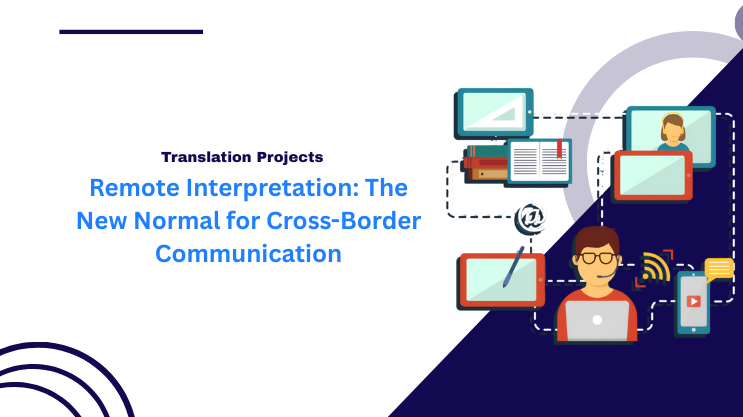
    Remote Interpretation: The New Normal for Cross-Border Communication

    The way the world communicates has changed-permanently. As businesses, institutions, and communities operate beyond borders, the demand for instant, accurate multilingual communication has never been higher. At the center of this shift is remote interpretation, now firmly established as the new normal for cross-border communication.

    What began as a necessity has evolved into a global standard.

    The Rise of Remote Interpretation

    Advancements in technology, combined with the growth of virtual meetings and global collaboration, have transformed interpretation services. Organizations no longer need interpreters to be physically present to enable multilingual conversations.

    Remote interpretation allows interpreters to connect with speakers and audiences from anywhere in the world-breaking geographical barriers while maintaining communication quality.

    What Is Remote Interpretation?

    Remote interpretation is the delivery of interpretation services through digital platforms. It enables real-time language support via audio or video connections.

    Common formats include:

    • Remote Simultaneous Interpretation (RSI)
    • Remote Consecutive Interpretation
    • Over-the-phone Interpretation (OPI)
    • Video Remote Interpretation (VRI)

    Each format serves different communication needs, from business meetings to conferences and customer support.

    Why Remote Interpretation Is the New Normal

    Remote interpretation has moved beyond being a temporary solution. Its advantages make it a preferred choice for global communication.

    Key benefits include:

    • Instant global access to professional interpreters
    • Cost efficiency by eliminating travel and accommodation
    • Faster scheduling and scalability
    • Support for multilingual audiences in real time
    • Flexibility across time zones and locations

    These benefits make remote interpretation practical for both small meetings and large international events.

    Where Remote Interpretation Is Making an Impact

    Remote interpretation is now widely used across industries, including:

    • Corporate meetings and negotiations
    • International conferences and webinars
    • Healthcare consultations
    • Legal proceedings and court hearings
    • E-learning and training programs
    • Government and NGO communications

    Its adaptability has made it an essential communication tool in both public and private sectors.

    Quality and Accuracy in a Remote Environment

    While technology enables remote interpretation, quality still depends on human expertise. Professional interpreters bring linguistic accuracy, cultural awareness, and contextual understanding that machines cannot replace.

    Ensuring quality involves:

    • Using trained and experienced interpreters
    • Choosing reliable, secure platforms
    • Providing interpreters with materials in advance
    • Maintaining proper audio and technical standards

    When these elements align, remote interpretation can match-and often exceed-on-site effectiveness.

    Challenges and How to Overcome Them

    Remote interpretation does come with challenges, such as technical issues or reduced non-verbal cues. However, these can be managed with preparation and the right tools.

    Best practices include:

    • Conducting technical checks before sessions
    • Ensuring stable internet and quality audio
    • Selecting platforms designed for interpretation
    • Coordinating closely with interpreters and organizers

    Preparation is key to seamless communication.

    The Future of Cross-Border Communication

    As global collaboration continues to grow, remote interpretation will remain a core communication strategy. Hybrid events, virtual workplaces, and international partnerships all rely on its flexibility.

    The future points toward:

    • Greater integration with virtual platforms
    • Improved interpreter tools and workflows
    • Increased demand for specialized interpreters
    • Higher expectations for quality and speed

    Remote interpretation isn’t just a trend-it’s a long-term shift.

    Final Thoughts

    In a world where conversations cross borders instantly, language should never be a barrier. Remote interpretation empowers organizations to connect, collaborate, and grow-regardless of location.

    As cross-border communication becomes the norm, remote interpretation stands at the heart of global understanding.

  • Localization Challenges Businesses Face When Scaling Globally

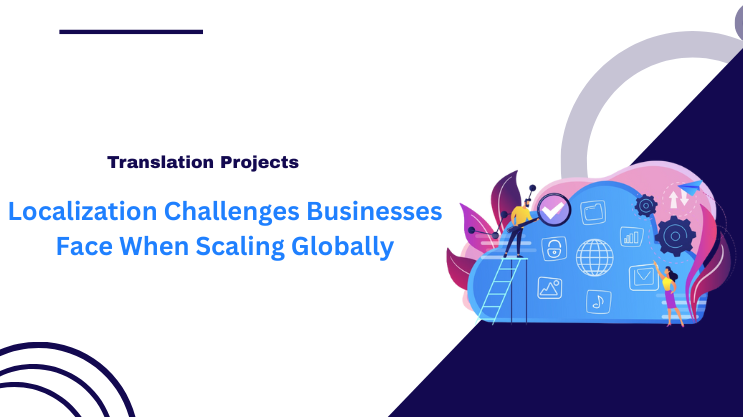
    Localization Challenges Businesses Face When Scaling Globally

    Expanding a business globally is an exciting prospect, but it comes with its own set of challenges. Among these, localization plays a crucial role in ensuring your products, services, and marketing resonate with diverse audiences. Effective localization goes beyond translation – it requires understanding cultural nuances, adapting content, and maintaining consistency across markets. Honey Translation Service helps businesses navigate these complexities, making global expansion smoother and more effective.

    Understanding Localization in Global Business

    Localization is the process of adapting your content, products, and services to meet the linguistic, cultural, and social expectations of a target market. While translation converts words from one language to another, localization ensures the message feels natural and relevant to the local audience. For businesses scaling globally, failing to localize can lead to miscommunication, brand misalignment, and lost revenue.

    With Honey Translation Service, companies can ensure that every aspect of their communication – from marketing materials to legal documents – is accurately localized for each market. This not only improves user engagement but also builds trust and credibility.

    Common Localization Challenges Businesses Encounter

    Scaling globally introduces several challenges that can impact localization efforts:

    1. Cultural Nuances and Sensitivities

    Every market has its unique cultural context. Colors, images, phrases, and humor can have different connotations in different regions. Missteps in cultural adaptation can result in negative customer experiences or even public relations issues. Honey Translation Service employs native linguists who understand cultural subtleties, ensuring your content aligns perfectly with local expectations.

    2. Maintaining Brand Consistency

    When expanding to multiple countries, maintaining a consistent brand voice across languages is challenging. Different teams or agencies might interpret brand guidelines differently, resulting in fragmented messaging. Honey Translation Service ensures brand consistency through comprehensive style guides and translation memory tools, keeping your messaging cohesive worldwide.

    3. Adapting to Regional Legal and Regulatory Requirements

    Each country has its own legal and regulatory requirements regarding marketing, product information, and data privacy. Failure to comply can lead to fines or restricted market access. Honey Translation Service provides expert localization that accounts for regional laws and regulations, ensuring compliance while maintaining clarity and effectiveness.

    4. Managing Multilingual Content at Scale

    As businesses grow internationally, the volume of content to be translated and localized can become overwhelming. From website pages to user manuals and customer support materials, keeping everything up to date is a logistical challenge. Honey Translation Service uses advanced project management and translation tools to handle large-scale multilingual projects efficiently, without compromising quality.

    5. Balancing Speed and Quality

    Global expansion often requires rapid adaptation of marketing campaigns and product updates. However, speed should never compromise the quality of localization. Honey Translation Service combines AI-assisted translation tools with human expertise to deliver fast, accurate, and culturally appropriate translations.

    How Honey Translation Service Supports Global Growth

    By partnering with Honey Translation Service, businesses can overcome these localization challenges and focus on growth. Here’s how Honey helps:

    • Expert Linguists: Native translators with industry-specific knowledge ensure precise, culturally appropriate localization.
    • Consistent Brand Voice: Style guides, glossaries, and translation memory tools maintain brand identity across all markets.
    • Comprehensive Services: From document translation to website and multimedia localization, Honey handles diverse content types.
    • Scalable Solutions: Efficient project management allows businesses to manage large volumes of content across multiple languages seamlessly.
    • Quality Assurance: Every project undergoes rigorous review to guarantee accuracy and cultural relevance.

    Conclusion

    Scaling globally is an ambitious journey, but effective localization is the key to success. Businesses that overlook localization risk miscommunication, lost revenue, and diminished brand reputation. Honey Translation Service provides the expertise, tools, and support needed to overcome localization challenges, helping companies connect authentically with international audiences. By partnering with a professional service like Honey, businesses can focus on growth while ensuring their message resonates worldwide.

  • Interpretation Trends Shaping Global Meetings & Conferences in 2026

    Interpretation Trends Shaping Global Meetings & Conferences in 2026

    Global meetings and conferences are evolving fast. As businesses expand across borders and events become increasingly hybrid, interpretation is no longer just a support service-it’s a strategic enabler of global collaboration.

    In 2026, interpretation is being reshaped by technology, audience expectations, and the demand for seamless multilingual experiences. Let’s explore the key trends redefining how the world connects in real time.

    The New Reality of Global Events

    International conferences today are:

    • Hybrid or fully virtual
    • Attended by multicultural, multilingual audiences
    • Content-heavy and time-sensitive
    • Focused on engagement, not just information

    This shift has placed interpreters at the center of global communication rather than behind the scenes.

    1. Rise of Hybrid and Remote Interpretation

    Hybrid events are now the norm, not the exception. Remote Simultaneous Interpretation (RSI) continues to grow as organizers prioritize flexibility and scalability.

    Why it matters:

    • Reduces travel and logistics costs
    • Enables access to global interpreter talent
    • Supports last-minute language additions

    In 2026, successful events plan interpretation infrastructure alongside event platforms from day one.

    2. AI-Assisted Interpretation (With Human Control)

    AI-powered tools are increasingly used to support interpreters—but not replace them.

    Key applications include:

    • Terminology management
    • Speech recognition support
    • Pre-event glossary creation
    • Faster onboarding for complex subjects

    Human interpreters remain essential for nuance, tone, and cultural sensitivity, especially in high-stakes meetings.

    3. Growing Demand for Industry-Specific Interpreters

    Generic interpretation is no longer enough. Global audiences expect interpreters who understand their industry language.

    High-demand sectors include:

    • Healthcare and life sciences
    • Legal and regulatory forums
    • Technology and AI conferences
    • Finance and global trade summits

    In 2026, subject-matter expertise is a major differentiator in interpretation quality.

    4. Multilingual Accessibility as a Standard, Not a Feature

    Accessibility is moving from optional to expected. Interpretation now plays a major role in inclusive communication.

    This includes:

    • Multiple language channels
    • Clear audio quality across devices
    • Integration with live captions and subtitles
    • Support for diverse global audiences

    Events that prioritize language access see higher engagement and satisfaction.

    5. Shorter Sessions, Higher Precision

    Attention spans are shrinking, but expectations are rising. Interpreters must deliver high accuracy in shorter, faster-paced sessions.

    This trend drives:

    • Better speaker preparation
    • Pre-event interpreter briefings
    • Structured content delivery
    • Real-time collaboration between event teams and interpreters

    Precision is becoming as important as fluency.

    6. Stronger Focus on Data Security and Confidentiality

    As more high-level meetings move online, data protection is critical.

    Event organizers now prioritize:

    • Secure interpretation platforms
    • NDA-compliant interpreter teams
    • Encrypted audio channels
    • Controlled access to language feeds

    Trust and confidentiality are key factors when choosing interpretation partners in 2026.

    7. Interpretation as a Strategic Event Investment

    Organizations increasingly view interpretation as a value driver, not a cost.

    Well-executed interpretation:

    • Enhances speaker impact
    • Improves audience participation
    • Strengthens brand credibility
    • Enables true global dialogue

    In global conferences, interpretation quality directly influences event success.

    Preparing for the Future of Interpretation

    To stay ahead in 2026, event organizers should:

    • Integrate interpretation early in event planning
    • Choose experienced, industry-trained interpreters
    • Combine technology with human expertise
    • Prioritize audience experience across languages

    The future belongs to events that communicate clearly-everywhere, in every language.

    Final Thoughts

    Interpretation is no longer just about translating words in real time. It’s about connecting people, ideas, and cultures without friction. As global meetings grow more complex, interpretation will continue to shape how the world collaborates, negotiates, and innovates.

    In 2026, clear communication isn’t just powerful-it’s essential.

  • How Cultural Adaptation Improves Website Engagement

    How Cultural Adaptation Improves Website Engagement

    In today’s globalized digital world, having a website that resonates with diverse audiences is more important than ever. Simply translating your content into multiple languages is no longer enough. To truly engage international visitors, cultural adaptation plays a crucial role. Honey Translation Service specializes in helping businesses create websites that speak to every audience in a way that feels natural and authentic.

    What Is Cultural Adaptation?

    Cultural adaptation, also known as localization, is the process of modifying content to align with the cultural preferences, values, and expectations of a target audience. Unlike basic translation, which only converts words from one language to another, cultural adaptation ensures that your website communicates effectively and appropriately for each market.

    For example, colors, images, date formats, humor, idioms, and even navigation styles can vary widely across cultures. A design or message that works in one country may not resonate – or could even offend – another audience. By tailoring these elements, businesses can create a more welcoming and engaging experience for international users.

    Why Cultural Adaptation Matters for Website Engagement

    1. Builds Trust and Credibility

    Users are more likely to trust a website that feels familiar and relevant to their culture. Cultural adaptation shows that your brand respects and understands local preferences, which strengthens credibility and encourages users to explore your website further.

    2. Increases Conversion Rates

    Websites that resonate culturally are more persuasive. For instance, localized product descriptions, pricing formats, and calls-to-action can significantly improve user decisions and drive higher conversions. Honey Translation Service ensures that every aspect of your content is culturally tailored to maximize engagement and conversion.

    3. Enhances User Experience

    A culturally adapted website is easier to navigate, read, and interact with. When users find content that aligns with their expectations and preferences, they are more likely to stay longer, explore multiple pages, and return in the future. Optimizing user experience through localization also reduces bounce rates and increases engagement metrics.

    4. Strengthens Brand Loyalty

    Brands that respect cultural nuances foster a stronger emotional connection with their audience. Customers are more likely to feel valued and understood, which builds loyalty over time. Honey Translation Service helps businesses maintain a consistent brand voice while adapting messaging to suit local cultures.

    Key Elements of Website Cultural Adaptation

    Language and Tone

    Translating text accurately is only part of the process. The tone, style, and choice of words must reflect local communication norms. Honey Translation Service provides expert linguistic solutions to ensure your message is not just translated, but culturally relevant.

    Visuals and Design

    Colors, images, graphics, and layout can carry different meanings across cultures. For instance, while white symbolizes purity in some cultures, it may be associated with mourning in others. Choosing culturally appropriate visuals ensures your website connects positively with visitors.

    Local Practices and Conventions

    Different regions have unique conventions for dates, numbers, currencies, and even social media integration. Adapting these details to local standards makes your website intuitive and user-friendly, demonstrating attention to detail and care for your audience.

    Cultural Sensitivity

    Avoiding content that could be misinterpreted or offensive is crucial. Honey Translation Service works closely with cultural consultants and native experts to ensure all content is sensitive and suitable for each target market.

    How Honey Translation Service Can Help

    Honey Translation Service specializes in creating websites that engage global audiences through effective cultural adaptation. Their team of skilled translators, localization experts, and cultural consultants works meticulously to adapt text, visuals, and functionality to each market. By leveraging advanced translation tools and a deep understanding of cultural nuances, Honey Translation Service ensures your website delivers a seamless, engaging experience worldwide.

    From e-commerce platforms to corporate websites, Honey Translation Service helps brands expand their reach, increase engagement, and improve user satisfaction by combining linguistic accuracy with cultural expertise.

    Conclusion

    Cultural adaptation is no longer optional for businesses aiming to thrive in the global digital landscape. A culturally adapted website enhances engagement, builds trust, increases conversions, and fosters brand loyalty. Honey Translation Service empowers businesses to connect with diverse audiences effectively, ensuring that every visitor feels understood and valued.

    By prioritizing cultural adaptation, your website becomes more than just a digital presence – it becomes a global experience that resonates deeply with every visitor. Invest in cultural adaptation today and watch your website engagement soar.

  • How Accurate Translation Prevents Corporate Liability

    How Accurate Translation Prevents Corporate Liability

    In a global business environment, even a small translation error can lead to serious legal, financial, and reputational consequences. From contracts and compliance documents to marketing claims and employee policies, accurate translation plays a crucial role in protecting companies from corporate liability. It is not just a language task-it is a risk-management strategy.


    Why Translation Accuracy Matters in Corporate Risk

    1. Legal Compliance: Regulations often require documents to be available in local languages. Errors can result in fines or legal action.
    2. Contractual Clarity: Precise translation ensures all parties understand obligations, terms, and liabilities equally.
    3. Consumer Protection: Clear product information and disclaimers help prevent customer disputes and lawsuits.
    4. Employee Safety and Policies: Accurately translated HR policies reduce workplace misunderstandings and legal exposure.

    Common Risks Caused by Inaccurate Translation

    • Misinterpreted contract clauses
    • Incorrect regulatory disclosures
    • Misleading marketing or product claims
    • Safety instruction errors
    • Breach of local language laws

    Even minor inconsistencies can escalate into major corporate liabilities.


    Key Areas Where Accurate Translation Protects Businesses

    Legal and Contract Documents

    Agreements, NDAs, and terms & conditions require word-for-word accuracy to ensure enforceability.

    Regulatory and Compliance Content

    Industries such as healthcare, finance, and manufacturing depend on precise terminology to meet local laws.

    Product Documentation and Warnings

    Incorrect translations of manuals or safety labels can lead to injuries, recalls, and lawsuits.

    Corporate Communications

    Internal policies, codes of conduct, and training materials must be clearly understood across regions.


    Best Practices to Ensure Translation Accuracy

    1. Use Professional Legal and Corporate Translators: Specialists understand industry terminology and legal implications.
    2. Implement Quality Assurance Reviews: Multiple review stages reduce the risk of errors.
    3. Maintain Glossaries and Style Guides: Consistent terminology minimizes ambiguity.
    4. Combine Human Expertise with Technology: AI supports speed, while human linguists ensure accuracy and context.
    5. Ensure Confidentiality: Secure handling of sensitive documents is essential.

    Tools That Support Risk-Free Translation

    • Translation Management Systems (TMS): Ensure consistency and version control.
    • Terminology Management Tools: Prevent incorrect or inconsistent terminology.
    • In-Context Review Platforms: Verify accuracy in real document layouts.
    • Compliance Checklists: Align translations with regional legal requirements.

    Conclusion

    Accurate translation is a critical defense against corporate liability. It protects businesses from legal disputes, regulatory penalties, and reputational damage while enabling confident global operations. Companies that invest in professional translation services are not just improving communication-they are safeguarding their future.

    Accurate translation, corporate liability prevention, legal translation services, compliance translation, risk management translation, business translation, Honey Translation Services.


  • Localization Planning Checklist for Global Businesses

    Localization Planning Checklist for Global Businesses

    Expanding your business globally is exciting, but without a solid localization strategy, even the best products can fail to connect with local audiences. Effective localization goes beyond simple translation  –  it adapts your content, product, and marketing to align with cultural nuances, preferences, and regulations.

    Honey Translation Service specializes in helping global businesses navigate this complex process, ensuring your brand resonates with diverse audiences. Here’s a comprehensive Localization Planning Checklist to guide your international growth.

    1. Define Your Global Goals

    Before you begin localizing, clearly define your international objectives. Ask yourself:

    • Which countries or regions are priorities for growth?
    • What are the target demographics in each market?
    • What key metrics will define success?

    Having clear goals allows your localization efforts to be strategic rather than reactive, ensuring resources are allocated efficiently.

    2. Conduct Market Research

    Every market has unique cultural, linguistic, and regulatory landscapes. Conduct research to understand:

    • Local language variations and dialects
    • Cultural preferences and taboos
    • Legal requirements and compliance standards
    • Competitor presence and local trends

    Honey Translation Service provides in-depth localization insights, helping businesses avoid common pitfalls and craft messages that truly resonate.

    3. Audit Your Content

    Before translating or localizing content, audit your existing materials:

    • Website pages and product descriptions
    • Marketing campaigns and social media posts
    • User manuals, software interfaces, and documentation
    • Multimedia content like videos and graphics

    Identify content that needs adaptation versus content that can remain universal. This prevents unnecessary translation costs and maintains brand consistency.

    4. Establish Localization Guidelines

    To ensure a consistent brand voice across markets:

    • Create a style guide with tone, terminology, and branding rules
    • Define formatting preferences (dates, currency, units)
    • Decide on local imagery, colors, and design elements

    Honey Translation Service helps develop detailed localization guidelines tailored to each market, ensuring your brand feels native everywhere.

    5. Choose the Right Technology

    Localization technology can streamline your workflow and reduce errors. Consider:

    • Translation Management Systems (TMS) for project organization
    • CAT tools to maintain translation consistency
    • Automated quality checks for accuracy and style

    Integrating the right tools with professional services ensures speed, efficiency, and high-quality results.

    6. Select Trusted Language Experts

    Human expertise is essential in localization. Work with translators, editors, and cultural consultants who understand your industry and target audience.

    Honey Translation Service provides certified linguists with specialized knowledge, ensuring content is not only accurate but culturally engaging.

    7. Plan for Continuous Updates

    Localization is not a one-time effort. Products, services, and marketing campaigns evolve, and your localized content must evolve too. Implement a process for:

    • Regularly reviewing and updating translations
    • Incorporating user feedback from local markets
    • Coordinating updates across all channels

    Continuous updates maintain relevance and prevent brand inconsistencies.

    8. Test Your Localized Content

    Before launching in new markets, test your localized content:

    • Conduct user testing with local audiences
    • Check technical functionality (e.g., website, apps, software)
    • Ensure messaging aligns with cultural expectations

    Testing allows you to refine content and avoid costly mistakes after launch.

    9. Monitor Performance Metrics

    Measure the success of your localization strategy using clear KPIs:

    • Engagement rates on localized content
    • Conversion rates in target markets
    • Customer feedback and satisfaction
    • SEO performance in local search engines

    Data-driven insights guide future localization efforts and help optimize ROI.

    Conclusion

    Localization is a critical factor in global business success. By following this Localization Planning Checklist, you can expand confidently, connecting with audiences in a meaningful and culturally relevant way.

    Honey Translation Service combines expert linguists, cutting-edge technology, and industry insights to ensure your brand speaks the local language – literally and culturally. Start your global expansion journey today with a localization strategy that works.

  • Technical Translation Tips for Precision-Driven Industries

    Technical Translation Tips for Precision-Driven Industries

    In precision-driven industries, words are not just words-they are instructions, specifications, and safety guidelines. A single mistranslated term can lead to operational failures, compliance issues, or serious safety risks. That’s why technical translation demands a level of accuracy far beyond general translation.

    Precision isn’t optional. It’s the foundation.

    Why Technical Translation Requires Special Expertise

    Technical content is complex, specialized, and highly regulated. Unlike marketing content, it leaves little room for interpretation.

    Precision-driven industries rely on technical translation for:

    • Engineering manuals and specifications
    • Medical and pharmaceutical documentation
    • Legal and compliance materials
    • IT and software documentation
    • Manufacturing and safety guidelines

    Each document must be technically accurate, consistent, and clear across languages.

    1. Use Subject-Matter Experts, Not Just Linguists

    Fluency alone isn’t enough. Technical translators must understand the industry they translate for.

    Best practice:

    • Assign translators with domain-specific expertise
    • Ensure familiarity with industry standards and terminology
    • Encourage collaboration with engineers or technical teams

    Subject-matter knowledge reduces ambiguity and errors.

    2. Build and Maintain Terminology Glossaries

    Consistency is critical in technical documentation. A single term translated multiple ways can cause confusion or misuse.

    Best practice:

    • Create approved multilingual glossaries
    • Define preferred terms and forbidden variants
    • Update glossaries regularly as products evolve

    Standardized terminology ensures clarity across all documents.

    3. Follow Industry Standards and Regulations

    Many industries operate under strict regulatory frameworks. Translations must comply with these requirements.

    Best practice:

    • Align translations with ISO, IEC, FDA, or regional standards
    • Use officially recognized terminology
    • Ensure formatting and labeling meet local regulations

    Compliance-focused translation protects both users and organizations.

    4. Prioritize Clarity Over Style

    Technical documents are meant to instruct, not impress. Overly complex language can introduce risk.

    Best practice:

    • Use clear, concise sentence structures
    • Avoid unnecessary idioms or stylistic flourishes
    • Maintain consistent tone and structure

    Clarity ensures usability across all skill levels.

    5. Leverage Translation Memory and CAT Tools Wisely

    Technology supports consistency and efficiency-but only when used correctly.

    Best practice:

    • Use translation memory for repeated content
    • Validate legacy translations before reuse
    • Combine automation with human review

    Tools enhance precision when guided by expertise.

    6. Account for Localization Beyond Language

    Technical accuracy alone isn’t enough. Units, formats, and conventions vary by region.

    Best practice:

    • Convert measurements, symbols, and units correctly
    • Adapt date, time, and number formats
    • Adjust diagrams, labels, and screenshots when needed

    Localization ensures instructions work in real-world environments.

    7. Ensure Layout and DTP Accuracy

    Technical documents often include diagrams, tables, and callouts. Poor formatting can disrupt understanding.

    Best practice:

    • Check alignment of text with visuals
    • Prevent text overflow in tables and labels
    • Maintain readability in multilingual layouts

    Precision in layout supports precision in content.

    Final Thoughts

    In precision-driven industries, technical translation is not a support function-it’s a safety and quality function. Accuracy, consistency, and clarity directly impact performance, compliance, and trust.

    By following these technical translation tips, organizations can ensure their global documentation works exactly as intended-everywhere.

  • Translating Labor Laws for Multinational Companies

    Translating Labor Laws for Multinational Companies

    For multinational companies, operating across borders means navigating a complex landscape of labor laws, employment regulations, and compliance requirements. Accurate translation of labor laws is essential to protect both employers and employees, reduce legal risk, and ensure fair workplace practices worldwide. This process goes beyond word-for-word translation-it requires legal expertise, cultural awareness, and precision.


    Why Translating Labor Laws Is Critical

    1. Regulatory Compliance: Governments require employment policies, contracts, and labor guidelines to be available in local languages.
    2. Risk Mitigation: Accurate translations help prevent disputes, penalties, and legal misunderstandings.
    3. Employee Trust: Clear communication of rights and obligations builds transparency and confidence among employees.
    4. Operational Consistency: Ensures HR policies align across regions while respecting local laws.

    Key Challenges in Translating Labor Laws

    • Complex Legal Terminology: Labor law language is highly technical and varies by jurisdiction.
    • Frequent Updates: Employment regulations change often, requiring ongoing translation updates.
    • Cultural and Legal Differences: Labor rights and workplace norms differ significantly across countries.
    • High Stakes: Even small translation errors can lead to serious compliance issues.

    Best Practices for Translating Labor Laws

    1. Use Legal Translation Experts: Engage translators with experience in labor and employment law.
    2. Collaborate with Legal Teams: Translators should work closely with HR and legal departments to ensure accuracy.
    3. Maintain Legal Glossaries: Standardize terminology across all documents and regions.
    4. Apply Localization: Adapt content to reflect local legal frameworks and employment practices.
    5. Implement Quality Assurance: Use multi-step review and legal validation processes.

    Tools That Support Labor Law Translation

    • Translation Management Systems (TMS): Manage updates and maintain consistency across documents.
    • Terminology Databases: Ensure accurate and approved legal terms are used consistently.
    • Secure File Systems: Protect sensitive employment and compliance documents.
    • Version Control Tools: Track changes to laws and policy updates efficiently.

    The Role of Translation in Global HR Strategy

    Effective translation of labor laws supports global workforce management by aligning corporate policies with local legal requirements. It enables HR teams to communicate clearly, enforce fair practices, and create inclusive workplaces that respect regional regulations and cultural expectations.


    Conclusion

    Translating labor laws is a critical responsibility for multinational companies operating in diverse legal environments. Professional translation ensures compliance, reduces risk, and promotes transparency across global operations. By investing in specialized legal translation services, organizations can safeguard their workforce, strengthen governance, and operate confidently across borders.

    Labor law translation, employment law translation, legal translation services, multinational HR compliance, global labor regulations, workforce compliance, Honey Translation Services.


  • Why Multilingual Websites Perform Better in International SEO

    Why Multilingual Websites Perform Better in International SEO

    In today’s globalized digital world, businesses aiming to expand internationally need more than just a standard English website. Multilingual websites have become a critical asset for companies targeting diverse markets. With the right strategy, they can significantly improve international SEO performance, attract more qualified traffic, and boost conversions.

    Honey Translation Services specializes in helping businesses create effective multilingual websites that resonate with local audiences while maintaining SEO best practices. Here’s why multilingual websites outperform single-language sites in global search rankings.

    Reach a Broader Audience

    The most obvious advantage of a multilingual website is accessibility. Over 75% of internet users prefer browsing in their native language. By offering content in multiple languages, your website becomes more appealing and trustworthy to a wider audience.

    Honey Translation Services ensures translations are not just literal but culturally accurate, capturing local nuances that engage readers. This approach encourages visitors to spend more time on your site, reducing bounce rates – a factor search engines consider for ranking.

    Improve Search Engine Visibility

    Search engines like Google prioritize relevant and localized content for users. A multilingual website allows you to target keywords in multiple languages, increasing your chances of ranking in different regions.

    For example, a company selling eco-friendly products in Germany and Spain can rank for “umweltfreundliche Produkte” in German searches and “productos ecológicos” in Spanish searches. Honey Translation Services implements proper hreflang tags and localized keyword strategies to help your pages get indexed correctly, avoiding duplicate content issues and improving regional search visibility.

    Build Credibility and Trust

    Local consumers are more likely to trust businesses that communicate in their language. A multilingual website signals that your brand values the local culture and customer experience.

    Honey Translation Services emphasizes quality translations that sound natural, helping businesses build credibility. When visitors see content in their language that reflects cultural understanding, they are more likely to engage, share, and convert.

    Enhance User Experience (UX)

    SEO isn’t just about keywords – it’s about user satisfaction. Multilingual websites improve UX by providing content in a language users understand, simplifying navigation, and ensuring calls-to-action resonate.

    By working with Honey Translation Services, businesses can adapt website structure, forms, and buttons for local audiences. This optimization not only boosts engagement but also sends positive signals to search engines, further improving rankings.

    Stay Ahead of Competitors

    Not all international businesses invest in multilingual SEO. By offering high-quality, localized content, you can differentiate your brand in competitive markets. Companies that neglect this opportunity often lose potential traffic to local competitors who prioritize language accessibility.

    Honey Translation Services helps businesses identify key languages to target, create content tailored to specific regions, and implement SEO strategies that drive measurable results.

    Boost Conversions and ROI

    Ultimately, multilingual websites don’t just increase traffic – they drive conversions. Visitors who understand your offerings are more likely to make purchases, subscribe, or contact your business.

    Honey Translation Services ensures that both content and messaging are culturally relevant, persuasive, and aligned with your business goals. This combination of localization and SEO optimization maximizes ROI from international markets.

    Final Thoughts

    Investing in a multilingual website is no longer optional for businesses aiming for global growth. By expanding your reach, improving search engine visibility, building trust, and enhancing user experience, multilingual websites deliver a clear advantage in international SEO.

    Honey Translation Services provides the expertise to create multilingual content that is culturally accurate, SEO-optimized, and conversion-focused. With professional translation and localization strategies, your website can perform better globally, connecting with audiences in their own language and driving sustainable growth.

  • Financial Translation: Ensuring Accuracy in International Markets

    Financial Translation: Ensuring Accuracy in International Markets

    In international markets, trust is built on numbers, terminology, and clarity. A single mistranslated figure or financial term can lead to compliance issues, legal risk, and loss of investor confidence. This is why financial translation demands absolute accuracy, consistency, and subject-matter expertise.

    Unlike general translation, financial translation operates in a high-stakes environment where precision is non-negotiable.

    Why Financial Translation Is Critical

    Financial documents directly influence decision-making for investors, regulators, partners, and stakeholders. Any error-no matter how small-can have serious consequences.

    Accurate financial translation ensures:

    • Regulatory compliance across regions
    • Transparent communication with global stakeholders
    • Reduced legal and financial risk
    • Stronger credibility in international markets

    For global businesses, financial translation is a foundation-not a support function.

    Documents That Require Financial Translation

    Financial translation spans a wide range of sensitive materials, including:

    • Annual reports and financial statements
    • Audit and compliance documents
    • Investor presentations and disclosures
    • Banking and insurance documentation
    • Mergers and acquisitions reports
    • Tax filings and regulatory submissions

    Each document requires not only linguistic accuracy but also deep financial understanding.

    The Challenges of Financial Translation

    Financial language is complex and highly standardized. Translators must navigate:

    • Industry-specific terminology
    • Country-specific accounting standards
    • Regulatory language differences
    • Numerical formatting and currency conventions
    • Tight deadlines and confidentiality requirements

    A literal or automated translation without context can introduce costly errors.

    The Importance of Terminology Consistency

    Consistency is vital in financial documentation. The same term must carry the same meaning throughout a document-and across multiple documents.

    Inconsistent terminology can:

    • Confuse readers and regulators
    • Undermine data credibility
    • Delay approvals and audits

    Professional financial translation relies on approved glossaries and style guides to maintain clarity and uniformity.

    Accuracy Beyond Words: Numbers and Formatting

    Financial translation goes beyond text. Translators must ensure:

    • Correct decimal separators and number formats
    • Accurate currency symbols and conversions
    • Proper table alignment and layout
    • Preservation of formulas and references

    Even a misplaced comma can change financial meaning entirely.

    Human Expertise Over Automation

    While AI and machine translation can assist with speed, financial translation requires human expertise and professional review. Trained financial linguists understand context, compliance, and risk-areas where automation alone falls short.

    Human-led translation ensures:

    • Correct interpretation of financial intent
    • Adherence to regional regulations
    • Clear, professional tone for stakeholders

    Quality Assurance and Confidentiality

    Financial documents often contain sensitive information. Secure workflows, confidentiality agreements, and multi-step quality checks are essential.

    Best practices include:

    • Translator and reviewer validation
    • Financial subject-matter review
    • Secure data handling processes
    • Final linguistic and numerical QA

    Accuracy and security go hand in hand.

    Final Thoughts

    In international markets, financial translation is not just about language-it’s about trust, compliance, and credibility. When businesses invest in accurate financial translation, they protect their reputation, reduce risk, and communicate with confidence across borders.

    In finance, precision isn’t a preference. It’s a requirement.