Category: Guide

  • Future Trends in Website and App Localization

    Future Trends in Website and App Localization

    In today’s digital-first world, websites and mobile applications are often the first touchpoints between a brand and its global audience. As businesses expand beyond borders, localization has evolved from simple translation into a strategic necessity. At Honey Translation Services, we help brands adapt their digital platforms to meet the expectations of multilingual users. Understanding future localization trends can help businesses stay competitive and culturally relevant.

    1. Localization Beyond Language

    Modern localization goes far beyond translating text. It now includes adapting visuals, layouts, colors, symbols, currencies, date formats, and even user interaction patterns. A website that feels intuitive in one country may feel unfamiliar in another. Future-ready localization focuses on delivering a native user experience, making global users feel the platform was built specifically for them.

    2. AI-Powered Localization with Human Expertise

    Artificial intelligence is transforming localization workflows by increasing speed and consistency. AI tools assist with translation memory, terminology management, and real-time updates. However, human expertise remains essential for cultural accuracy and tone. At Honey Translation Services, we combine advanced localization technology with professional linguists to ensure quality, accuracy, and brand consistency.

    3. Rise of Continuous Localization

    Websites and apps are no longer static. Regular updates, feature releases, and content changes demand ongoing localization. Continuous localization integrates translation into the development cycle, ensuring multilingual content is updated simultaneously with the original version. This trend reduces time-to-market and ensures global users receive updates without delay.

    4. Personalization for Regional Audiences

    Future localization will increasingly focus on hyper-personalization. This includes region-specific content, localized promotions, and culturally relevant messaging. Users expect apps and websites to reflect their local preferences, not just their language. Businesses that invest in personalized localization experience higher engagement, retention, and conversion rates.

    5. Mobile-First Localization Strategies

    With mobile usage surpassing desktop in many regions, localization strategies are becoming mobile-first. This includes adapting UI text length, navigation flow, and readability for smaller screens. App localization must also consider app store descriptions, in-app messaging, and user support content. Honey Translation Services ensures that mobile apps deliver seamless experiences across languages and devices.

    6. Voice, Video, and Multimedia Localization

    As websites and apps incorporate more multimedia elements, localization now includes voice-overs, subtitles, and dubbing. Voice-enabled interfaces, chatbots, and virtual assistants also require localized voice content. Professional multimedia localization helps brands communicate clearly while maintaining emotional connection and authenticity across cultures.

    7. Cultural Sensitivity and Compliance

    Future localization trends place strong emphasis on cultural sensitivity and local regulations. From privacy laws to accessibility standards, localized digital platforms must comply with regional requirements. Missteps can impact brand trust and legal standing. Expert localization partners like Honey Translation Services ensure content aligns with both cultural expectations and compliance standards.

    8. SEO-Driven Localization

    Localized SEO is becoming a critical component of global digital success. Simply translating keywords is no longer effective. Future localization involves region-specific keyword research, localized metadata, and culturally relevant search intent. Optimized multilingual SEO helps websites and apps rank higher in local search engines, driving organic traffic and visibility.

    9. User Experience-Centered Localization

    The future of localization is deeply connected to UX design. From reading direction and font choices to call-to-action placement, every element impacts usability. Localization teams will work more closely with designers and developers to create inclusive and intuitive digital experiences for global audiences.

    10. Choosing the Right Localization Partner

    As localization becomes more complex, choosing the right service provider is essential. A trusted partner understands languages, cultures, technology, and business goals. Honey Translation Services offers end-to-end website and app localization, combining linguistic expertise, cultural insight, and technical precision to help brands succeed globally.

    Conclusion

    The future of website and app localization is dynamic, technology-driven, and user-focused. Businesses that adapt to these trends will build stronger global connections and deliver meaningful digital experiences. With professional localization support from Honey Translation Services, brands can confidently expand their digital presence and connect with audiences worldwide.

  • The Future of Content Accuracy in Global Communication

    The Future of Content Accuracy in Global Communication

    In today’s interconnected world, content travels faster and farther than ever before. Businesses are no longer limited by borders, but this global reach comes with a major responsibility: content accuracy. A single mistranslation, cultural mismatch, or contextual error can damage brand trust, legal compliance, and customer relationships. As global communication evolves, the future belongs to organizations that prioritize accuracy across languages, cultures, and platforms.

    At Honey Translation Services, we believe content accuracy is not just about correct words – it’s about delivering the right message to the right audience, everywhere.

    Why Content Accuracy Matters More Than Ever

    Global audiences are highly informed and digitally connected. They notice inconsistencies quickly, and inaccurate content can spread just as fast as accurate messaging. In industries such as legal, healthcare, education, technology, and marketing, even small errors can have serious consequences.

    Accurate multilingual content builds:

    • Brand credibility across markets
    • Clear and consistent messaging
    • Customer trust and loyalty
    • Compliance with local regulations

    As businesses expand globally, accuracy becomes a competitive advantage rather than an optional extra.

    The Shift from Translation to Meaning-Based Communication

    The future of global communication is moving beyond word-for-word translation. Audiences expect content that feels natural, localized, and culturally aligned. This shift requires a deeper understanding of context, tone, intent, and industry-specific terminology.

    At Honey Translation Services, our approach focuses on meaning-based accuracy, ensuring that content communicates the same intent and impact across languages, not just the same words.

    The Role of Human Expertise in a Tech-Driven World

    While AI and machine translation tools continue to evolve, they cannot fully replace human linguistic expertise – especially for business-critical content. Automated tools often struggle with:

    • Cultural nuances
    • Industry-specific language
    • Emotional tone and brand voice
    • Legal and technical precision

    The future of content accuracy lies in human-led, technology-assisted workflows. At Honey Translation Services, professional translators, proofreaders, and localization experts work alongside advanced tools to ensure accuracy, consistency, and efficiency.

    Localization as the Foundation of Accurate Global Content

    True content accuracy goes hand in hand with localization. This includes adapting:

    • Terminology and expressions
    • Visual elements and layouts
    • Measurements, currencies, and formats
    • Cultural references and user expectations

    Whether it’s website localization, marketing campaigns, software interfaces, or multimedia content, localization ensures your message resonates authentically with each target market. Honey Translation Services specializes in delivering localized content that feels native, relevant, and trustworthy.

    Content Accuracy Across Multiple Formats

    Global communication today goes far beyond text. Accurate content must be maintained across various formats, including:

    • Websites and mobile applications
    • Marketing materials and brochures
    • Subtitles, voice-overs, and dubbing
    • Legal documents and certificates
    • Technical manuals and training materials

    Our integrated services – including translation, proofreading, transcription, DTP, subtitling, and voice-over – ensure accuracy remains consistent across every content type and channel.

    Proofreading and Quality Assurance: The Future Standard

    As global content volumes grow, quality assurance will become a non-negotiable standard. Proofreading by native-language experts helps identify linguistic errors, tone mismatches, and cultural inconsistencies before content reaches the audience.

    At Honey Translation Services, every project follows strict quality checks to ensure:

    • Linguistic accuracy
    • Terminology consistency
    • Cultural appropriateness
    • Brand voice alignment

    This structured quality process is essential for future-ready global communication.

    Building Trust Through Accurate Communication

    Trust is the currency of global business. Accurate content reassures customers, partners, and stakeholders that your brand understands and respects their language and culture. Inaccurate or poorly localized content, on the other hand, can create confusion and harm reputation.

    By investing in professional language services, businesses demonstrate commitment to clarity, inclusivity, and excellence.

    Conclusion

    The future of content accuracy in global communication will be defined by precision, cultural intelligence, and strategic localization. Businesses that succeed will be those who treat language as a core part of their growth strategy.

    At Honey Translation Services, we help brands communicate accurately and confidently across borders through expert translation, localization, proofreading, and multimedia language solutions. As global communication continues to evolve, we remain committed to delivering content that is not only correct – but impactful, consistent, and trusted worldwide.

  • DTP & Typing Services in 2026: Bridging Design, Language, and Automation

    DTP & Typing Services in 2026: Bridging Design, Language, and Automation

    In the fast-evolving digital landscape of 2026, Desktop Publishing (DTP) and typing services have transcended their traditional roles. No longer just about formatting documents or typing content, these services now lie at the intersection of design, language, and automation, offering businesses an efficient and visually compelling way to communicate across borders.

    The Evolution of DTP and Typing Services

    Historically, DTP focused on creating print-ready layouts, and typing services were primarily manual transcription tasks. However, with the advent of AI-driven tools, cloud-based collaboration, and advanced multilingual support, these services have become:

    • Language-Aware: Modern DTP platforms support multiple languages and scripts, from Latin and Cyrillic to complex scripts like Arabic, Hindi, and Japanese. This ensures accurate representation of content in localized markets.
    • Design-Centric: Automated layout and template engines now allow content to fit beautifully within any medium — print, web, or mobile. Designers can focus on creativity while tools handle consistency and alignment.
    • Automation-Driven: Repetitive tasks like formatting, font replacement, and numbering are now automated, reducing errors and turnaround time drastically.

    Why Businesses Need Advanced DTP & Typing Services

    1. Global Communication: Multinational businesses require documents, presentations, and marketing material in multiple languages. Efficient typing and DTP services ensure that the content is not only translated but culturally adapted.
    2. Consistency Across Platforms: From brochures and manuals to social media posts and e-books, maintaining a consistent visual identity is crucial. DTP services bridge this gap seamlessly.
    3. Speed Without Compromise: Automated workflows and AI-assisted typesetting significantly reduce project timelines, allowing businesses to meet tight deadlines without sacrificing quality.

    Key Trends Shaping 2026

    • AI-Powered Typesetting: AI tools can detect design inconsistencies, font mismatches, or layout errors, offering near-instant corrections.
    • Cloud Collaboration: Teams across continents can work on the same document simultaneously, with live updates and version control.
    • Interactive and Dynamic Content: Modern DTP isn’t limited to static pages. Interactive PDFs, animated e-books, and adaptive documents are now a reality.
    • Accessibility & Compliance: With rising global regulations, DTP services now include automated checks for accessibility standards, ensuring documents are inclusive and compliant.

    Choosing the Right Partner

    When selecting a DTP and typing service provider in 2026, businesses should look for:

    • Multilingual Expertise: Ability to handle multiple languages and scripts accurately.
    • Technological Proficiency: Mastery of AI tools, automation software, and cloud-based platforms.
    • Design Understanding: Knowledge of typography, layout principles, and visual storytelling.
    • Scalability: Capacity to manage large projects and multiple document types efficiently.

    Conclusion

    As we move further into 2026, DTP and typing services are no longer isolated functions but strategic enablers that integrate language, design, and automation. Businesses that leverage these modern services can communicate effectively, maintain brand consistency, and stay ahead in a fast-paced global marketplace.

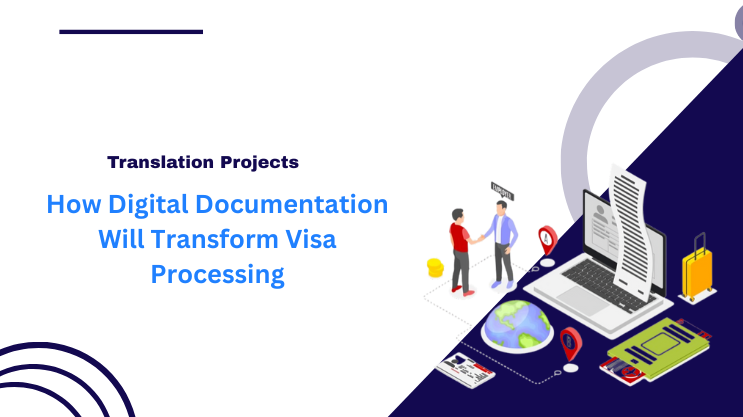
  • How Digital Documentation Will Transform Visa Processing

    How Digital Documentation Will Transform Visa Processing

    Visa processing has long been synonymous with stacks of paperwork, long waiting times, and endless verification steps. But the rise of digital documentation is set to revolutionize how individuals and organizations navigate visa applications worldwide. At Honey Translation Services, we recognize the crucial role that accurate, multilingual document handling plays in making visa processing faster, more efficient, and more reliable.

    1. The Rise of Digital Documentation

    Gone are the days when applicants had to submit physical copies of passports, certificates, and financial statements. Digital documentation enables applicants to upload, store, and share their documents securely online. This shift not only saves time but also reduces the risk of document loss or damage.

    2. Faster Verification Processes

    Digital documents can be instantly verified through secure systems, eliminating the delays caused by manual checks. By converting paper documents into standardized digital formats, authorities can cross-check information faster, leading to quicker approvals. Honey Translation Services ensures that your documents are accurately translated and formatted for such digital verification, leaving no room for errors.

    3. Multilingual Document Management

    Visa applications often require documents in multiple languages. Digital documentation systems support multilingual uploads, allowing applicants to submit documents in their native language while ensuring they are understood by immigration authorities. Honey Translation Services specializes in precise translations, localization, and certification of documents, making international submissions seamless and compliant with global standards.

    4. Enhanced Security and Compliance

    Digital documentation platforms implement advanced encryption and secure storage protocols, drastically reducing the risk of data breaches. Coupled with certified translations, these measures ensure that sensitive personal and professional information is safely transmitted across borders. Our team at Honey Translation Services follows strict confidentiality and compliance standards, guaranteeing that your documents are secure and recognized by relevant authorities.

    5. Reducing Errors and Misinterpretations

    Paper-based processes are prone to human errors, from missing signatures to misread information. Digitized documents, when paired with professional translation services, minimize the risk of misinterpretation. Honey Translation Services offers meticulous proofreading and localization services to ensure that all documents are accurate, contextually correct, and ready for official submission.

    6. Streamlined Workflow for Applicants and Agencies

    Digital documentation allows visa processing agencies to manage applications more efficiently, track progress in real-time, and communicate updates directly with applicants. This streamlined workflow improves transparency and reduces stress for applicants. Honey Translation Services enhances this workflow by delivering ready-to-submit multilingual documents that comply with international standards.

    7. Eco-Friendly and Cost-Effective Solutions

    Reducing reliance on paper not only benefits the environment but also lowers administrative costs. Applicants no longer need to print, courier, or physically submit documents, saving both money and time. Honey Translation Services supports eco-friendly digital processes by providing secure, accurate, and paperless translation and document management solutions.

    8. The Future of Visa Processing

    As governments and agencies increasingly adopt digital documentation, the role of professional translation services becomes even more critical. Accurate, culturally-sensitive translations, proper formatting, and certified documentation will be essential to ensure smooth visa approvals. Honey Translation Services is at the forefront of this digital transformation, offering comprehensive solutions that cater to individuals, educational institutions, and businesses looking to navigate global mobility with ease.

    Conclusion:

    Digital documentation is not just a technological upgrade; it’s a transformation in how the world handles visa applications. By embracing digital solutions and partnering with expert translation services like Honey Translation Services, applicants can ensure faster processing, secure submissions, and a stress-free experience. In an increasingly globalized world, combining technology with linguistic expertise is the key to seamless international travel and mobility.

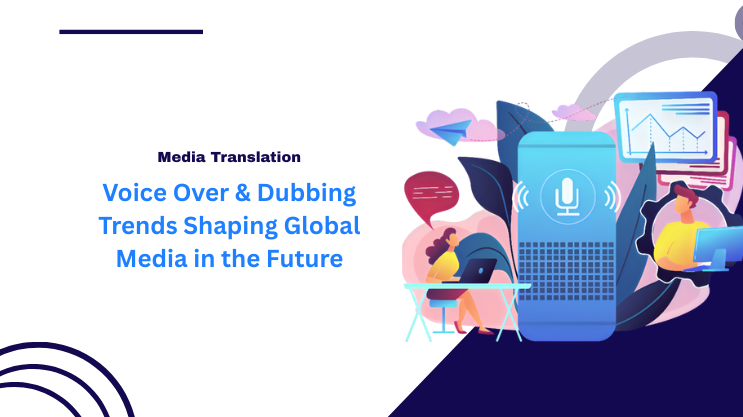
  • Voice Over & Dubbing Trends Shaping Global Media in the Future

    Voice Over & Dubbing Trends Shaping Global Media in the Future

    As global media consumption continues to grow across borders, voice over and dubbing have become powerful tools for connecting audiences with content in their native languages. From streaming platforms and gaming to e-learning and advertising, the future of media is multilingual-and voice localization is at the heart of it.

    Let’s explore the key voice over and dubbing trends that are shaping the future of global media.

    1. Rising Demand for Multilingual Content

    With OTT platforms expanding into new markets, audiences now expect content in their own language. This has led to a surge in demand for:

    • Regional language dubbing
    • Multilingual voice over for global campaigns
    • Localized audio content for emerging markets

    Media companies that invest in professional dubbing gain wider reach, better engagement, and stronger audience loyalty.

    2. AI-Enhanced Voice Technology (With Human Expertise)

    AI-powered voice tools are transforming the industry by speeding up processes like:

    • Script alignment and timing
    • Voice matching and modulation
    • Audio cleanup and noise reduction

    However, human voice artists remain essential for emotional depth, cultural authenticity, and storytelling-especially for films, series, and branded content. The future lies in AI-assisted, human-led dubbing.

    3. Hyper-Localization Beyond Translation

    Modern dubbing is no longer just about translating words. It focuses on:

    • Cultural references and local expressions
    • Tone, humor, and emotional nuance
    • Regional accents and voice styles

    This level of localization ensures that content feels native, natural, and relatable, not foreign or forced.

    4. Growth of Regional and Indigenous Languages

    Global media is increasingly embracing regional and indigenous languages to reach untapped audiences. This trend is especially strong in:

    • Asia, Africa, and the Middle East
    • Regional OTT content and web series
    • Government and educational media

    Professional dubbing services now require skilled voice talents across diverse dialects and cultural backgrounds.

    5. Remote Recording & Virtual Studios

    Advancements in technology have made remote voice recording mainstream. Benefits include:

    • Access to global voice talent
    • Faster turnaround times
    • Cost-effective production

    Cloud-based studios and real-time collaboration tools are redefining how dubbing projects are managed worldwide.

    6. Personalization in Voice Over

    Brands are increasingly using personalized voice content to improve user experience. Examples include:

    • Customized voice messages in apps
    • Interactive voice responses (IVR)
    • Localized voice ads based on user location

    Personalized audio builds stronger emotional connections and improves customer engagement.

    7. Accessibility and Inclusive Media

    Voice over plays a vital role in making media accessible. Growing focus areas include:

    • Audio descriptions for visually impaired audiences
    • Clear and neutral narration for e-learning
    • Inclusive language and tone in media content

    Accessibility is no longer optional-it’s a global standard.

    8. Increased Demand in Gaming & Immersive Media

    The gaming, AR, and VR industries are driving new opportunities for voice over and dubbing. These platforms require:

    • Emotion-rich character voices
    • Real-time multilingual interactions
    • Seamless audio integration for immersive experiences

    High-quality dubbing enhances realism and player engagement.

    Conclusion: The Future Is Voice-Driven and Borderless

    Voice over and dubbing are no longer supporting elements-they are strategic drivers of global media success. As technology evolves and audiences demand more localized, authentic experiences, businesses must partner with professional voice and dubbing experts to stay competitive.

    By combining advanced technology with human creativity, the future of global media will speak every language–naturally and powerfully.

  • The Role of UX and Visual Design in International Communication

    The Role of UX and Visual Design in International Communication

    In today’s interconnected world, businesses are no longer limited by geography. Global audiences bring opportunities – and challenges – that require more than simple translation. Effective international communication hinges on user experience (UX) and visual design, which, when paired with professional translation services, can help brands truly connect across cultures. At Honey Translation Services, we specialize in ensuring your content is not only linguistically accurate but also visually and experientially engaging for diverse audiences.

    1. Why UX Matters in Global Communication

    User experience is at the heart of how audiences interact with your content. Poor UX can frustrate users, lower engagement, and ultimately hurt conversions – regardless of language. International audiences often have different navigation habits, reading patterns, and accessibility expectations. At Honey Translation Services, we understand these nuances and integrate localization with UX design to ensure your global audience enjoys a seamless, culturally relevant experience.

    2. Visual Design as a Universal Language

    Visual elements-colors, typography, icons, and images-communicate messages often more powerfully than text. However, visual cues are culturally sensitive. For instance, colors can evoke different emotions depending on the region; symbols may carry unintended meanings. Our team helps businesses adapt visual content so it resonates globally while preserving brand identity.

    3. Localization Beyond Words

    Localization goes beyond translating text; it includes adapting design elements to suit local markets. This could involve modifying layouts to accommodate text expansion in some languages, choosing culturally appropriate imagery, or adjusting iconography. Honey Translation Services ensures your website, app, or marketing material is fully localized, blending language, UX, and design harmoniously.

    4. Responsive Design for Multilingual Platforms

    A website or application must function seamlessly across devices, languages, and regions. Responsive design is essential, but multilingual content adds complexity. Text may expand in certain languages, requiring flexible layouts. UX and visual design optimization, combined with our translation services, ensures content remains visually appealing and easy to navigate on any device.

    5. Accessibility in International Markets

    Accessibility is critical for reaching all users, including those with disabilities. International audiences may rely on screen readers, subtitles, or alternative text in their native language. Honey Translation Services incorporates accessibility best practices alongside UX and visual design adjustments, helping your brand engage inclusively on a global scale.

    6. Cultural Sensitivity in Design Choices

    Cultural nuances influence how users perceive content. For example, imagery depicting gestures, social interactions, or certain animals may be interpreted differently in various regions. Our localization experts evaluate visual and textual content to ensure cultural appropriateness, helping brands avoid missteps and foster trust worldwide.

    7. The Role of Testing in Global UX

    Testing is critical when launching multilingual platforms. User behavior can vary greatly across regions, and assumptions from one market may not apply to another. Honey Translation Services conducts thorough UX testing in target languages, ensuring both visual design and content meet the expectations of your global audience.

    8. Integrating UX, Visual Design, and Translation

    Successful international communication is a synergy of language, design, and experience. By integrating translation services with UX and visual design strategies, businesses can enhance engagement, boost brand loyalty, and improve conversions across markets. Honey Translation Services provides this comprehensive approach, helping brands deliver impactful messages that transcend language barriers.

    Conclusion


    In global communication, words alone are not enough. UX and visual design are essential components of an effective multilingual strategy. From culturally sensitive visuals to responsive layouts and accessibility considerations, integrating design with professional translation ensures your brand speaks fluently to every audience. With Honey Translation Services, your content will not only be understood but also experienced positively, creating meaningful connections across the globe.

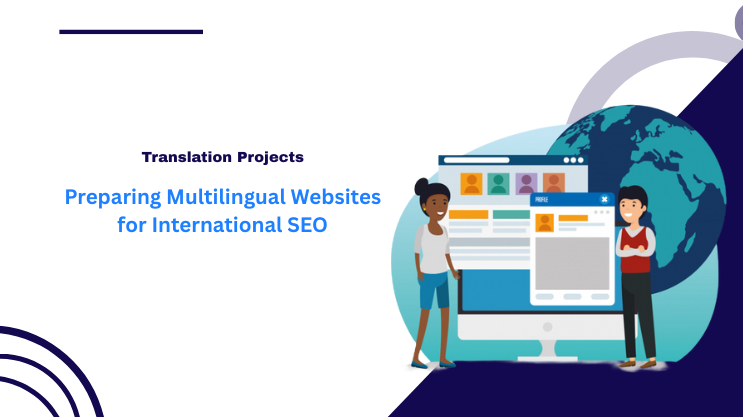
  • Preparing Multilingual Websites for International SEO

    Preparing Multilingual Websites for International SEO

    Expanding a business globally requires more than just translating your website into multiple languages. To reach international audiences effectively, your website must be optimized for search engines in each target region. International SEO for multilingual websites ensures higher visibility, better user experience, and increased organic traffic across different countries and languages.

    1. Conducting Comprehensive Keyword Research

    Before translating content, identify keywords that are relevant in each target market. Search behaviors, terminology, and search volume differ by region and language. Using tools like Ubersuggest, Google Keyword Planner, or local search engines, businesses can discover high-performing keywords to optimize their multilingual pages effectively.

    2. Implementing Proper Hreflang Tags

    Hreflang tags indicate the language and regional targeting of a webpage to search engines. Proper implementation prevents duplicate content issues, ensures users are directed to the correct version of a page, and improves indexing for each language. Accurate hreflang setup is critical for multilingual SEO success.

    3. Structuring URLs for Multiple Languages

    Organize your website with clear URL structures for each language, such as subdirectories (example.com/fr/) or subdomains (fr.example.com). Clean and consistent URL structures enhance user navigation, help search engines crawl your site efficiently, and improve overall SEO performance.

    4. Translating and Localizing Content

    Effective multilingual SEO requires more than literal translation. Content should be localized to reflect cultural nuances, local terminology, and user preferences. This approach ensures that content is relevant, engaging, and optimized for the search intent of users in each target region.

    5. Optimizing Meta Tags and On-Page SEO

    Title tags, meta descriptions, headers, and image alt texts should be translated and optimized for local keywords. Proper on-page SEO improves click-through rates, search rankings, and user engagement while maintaining consistency with the brand’s global messaging.

    6. Building Local Backlinks and Citations

    Backlinks from reputable local websites boost domain authority and credibility in each market. Engaging with local blogs, directories, and industry platforms helps improve search visibility and enhances the website’s reputation within the target region.

    7. Ensuring Fast Loading Speed and Mobile Optimization

    Website performance is critical for SEO and user experience. Multilingual websites must be optimized for speed, responsive design, and mobile accessibility across regions. Slow-loading pages can hurt search rankings and reduce engagement with international audiences.

    8. Monitoring Performance and Adjusting Strategy

    Regularly track metrics such as organic traffic, keyword rankings, bounce rates, and conversions in each language. Using analytics and SEO tools helps identify areas for improvement, refine localization strategies, and ensure continued growth in global markets.

    In conclusion, preparing multilingual websites for international SEO requires a strategic approach combining keyword research, technical SEO, localization, and continuous monitoring. By implementing these best practices, businesses can increase visibility, attract targeted international traffic, and provide a seamless user experience across all global markets.

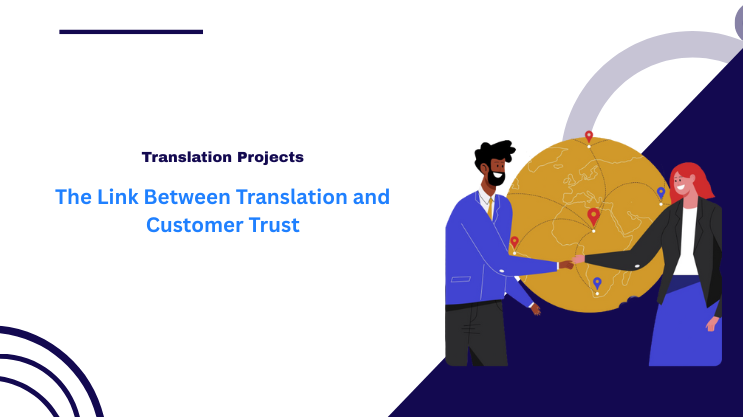
  • The Link Between Translation and Customer Trust

    The Link Between Translation and Customer Trust

    In an increasingly globalized world, businesses are reaching audiences across borders and languages. Accurate and culturally relevant translation is more than a convenience—it is a critical factor in establishing and maintaining customer trust. When customers understand a company’s message clearly and feel respected in their language, they are more likely to engage, make purchases, and remain loyal.

    1. Ensuring Clear Communication

    The foundation of trust is understanding. Misunderstandings caused by poor translation can lead to confusion, frustration, and even lost business. High-quality translations convey the intended meaning accurately, ensuring customers know exactly what products, services, or policies entail.

    2. Demonstrating Cultural Sensitivity

    Translation goes beyond words; it reflects a company’s awareness of cultural norms and values. By adapting content to respect local customs, idioms, and tone, businesses show customers that they care about their audience, which builds credibility and trust.

    3. Strengthening Brand Credibility

    A professional, accurate translation signals professionalism and attention to detail. Customers are more likely to trust brands that invest in high-quality multilingual content, perceiving them as reliable and globally competent.

    4. Reducing Misinterpretation and Errors

    Incorrect or careless translations can lead to misinterpretation of product instructions, legal terms, or marketing messages. Minimizing these errors protects the company from reputational damage and ensures customers feel confident in their interactions.

    5. Enhancing Transparency

    Customers value transparency, especially when dealing with terms, policies, or pricing. Clear translation ensures that customers understand contracts, warranties, or service conditions, which strengthens trust and prevents disputes.

    6. Supporting Customer Experience Across Languages

    Multilingual support and localized content make the customer experience seamless. When customers can navigate websites, read emails, and access support in their language, they feel valued and understood, fostering loyalty and positive engagement.

    7. Building Long-Term Relationships

    Consistent, reliable translation across all communication channels helps maintain ongoing trust. Customers are more likely to return to brands that consistently deliver accurate, clear, and culturally relevant content.

    8. Driving Global Growth Through Trust

    Ultimately, translation is a key driver of international growth. Businesses that prioritize accurate and localized communication gain the confidence of diverse audiences, paving the way for long-term customer relationships and sustainable global expansion.

    In conclusion, translation is not merely a technical task—it is a strategic tool for building trust. By investing in professional translation and cultural adaptation, businesses can communicate clearly, respect their audience, and cultivate loyalty that spans languages and borders.

  • Why Video Content Needs Localization for Global Success

    Why Video Content Needs Localization for Global Success

    In today’s digital era, video content has become one of the most powerful tools for engaging audiences worldwide. From marketing campaigns and product demos to training and educational materials, videos communicate messages quickly and effectively. However, to truly reach a global audience, simply creating content in one language is not enough. Localization of video content ensures that it resonates with viewers across different cultures and languages, maximizing engagement and impact.

    1. Reaching a Wider Global Audience

    Localization allows your video content to be understood by audiences in multiple regions. Subtitling, dubbing, and translating on-screen text make videos accessible to viewers who speak different languages. This broader reach increases brand visibility, engagement, and potential conversions in international markets.

    2. Enhancing Viewer Engagement

    Videos that speak directly to the audience in their native language create a stronger emotional connection. Localized content feels more personal and relevant, encouraging viewers to watch longer, interact with the content, and share it within their networks.

    3. Preserving Cultural Relevance

    Localization goes beyond language translation. It adapts visuals, gestures, humor, and references to align with local cultural norms. This ensures the message is not only understood but also appreciated, avoiding misinterpretations or offense that could harm your brand reputation.

    4. Improving Brand Consistency Across Markets

    Consistent messaging is key for global brands. Localization ensures that your core brand values, tone, and messaging are maintained while adapting to local audiences. This consistency strengthens brand identity and builds trust with international viewers.

    5. Increasing Accessibility

    Localized videos are more inclusive, allowing audiences with different language abilities or disabilities to engage with your content. Subtitles, captions, and voiceovers make your content accessible to a wider demographic, including those who are deaf or hard of hearing.

    6. Boosting SEO and Discoverability

    Search engines favor localized content in different languages. By localizing video titles, descriptions, and metadata, your content becomes discoverable in global search results, driving more organic traffic from international markets.

    7. Supporting Marketing and Sales Goals

    Localized videos can be tailored to specific regions, highlighting relevant products, services, or promotions. This targeted approach improves conversion rates, strengthens campaigns, and drives ROI for global marketing efforts.

    8. Staying Competitive in a Global Market

    Businesses that invest in video localization gain a competitive advantage by appealing to international audiences more effectively. Brands that neglect localization risk losing engagement, credibility, and market share to competitors who communicate clearly in the local language.

    In conclusion, localizing video content is essential for businesses seeking global success. It enhances engagement, ensures cultural relevance, improves accessibility, and strengthens brand presence across markets. By investing in professional video localization, companies can communicate effectively with diverse audiences, expand their reach, and achieve meaningful global impact.

  • The Importance of Glossaries in Maintaining Translation Consistency

    The Importance of Glossaries in Maintaining Translation Consistency

    In professional translation, consistency is key to maintaining clarity, credibility, and brand identity. One of the most effective tools for achieving this is a glossary—a curated list of terms, phrases, and their approved translations. Glossaries play a critical role in ensuring that every piece of content, regardless of language or translator, adheres to the same standards, improving both quality and efficiency.

    1. Defining a Translation Glossary

    A translation glossary is a reference document containing key terms, industry-specific phrases, and preferred translations. It may also include notes on tone, style, and context. By providing a clear reference, glossaries help translators maintain uniformity across multiple documents, projects, and languages.

    2. Ensuring Consistency Across Languages

    Glossaries guarantee that critical terms are translated the same way every time, preventing discrepancies. Whether it’s technical terminology, brand names, or product features, a glossary ensures that all translations reflect the intended meaning and maintain the company’s voice in each target language.

    3. Saving Time and Reducing Errors

    Having an established glossary reduces the need for repeated research or clarification. Translators can work faster and with greater confidence, minimizing errors caused by ambiguity or misinterpretation. This efficiency is particularly important for large-scale projects or ongoing content updates.

    4. Supporting Brand Identity and Voice

    Consistency in terminology is a key aspect of maintaining brand identity. Glossaries ensure that brand-specific language, slogans, and messaging remain consistent across all markets. This helps strengthen recognition and builds trust with international audiences.

    5. Facilitating Collaboration Among Multiple Translators

    For projects involving multiple translators or teams across regions, a shared glossary acts as a single point of reference. It ensures that everyone uses the same language standards and adheres to the same rules, creating a cohesive final product.

    6. Enhancing Quality Assurance Processes

    Glossaries are valuable tools for quality assurance. Editors and reviewers can quickly verify that terms are used correctly and consistently, reducing the need for extensive corrections and maintaining high-quality translations.

    7. Adapting to Industry and Technical Requirements

    Different industries have unique terminology, whether in legal, medical, technical, or marketing content. Glossaries allow translators to meet these specialized requirements accurately, ensuring compliance, precision, and professional communication.

    8. Future-Proofing Translation Projects

    A well-maintained glossary grows with a company’s content and language needs. It becomes a long-term resource that ensures future translations remain consistent, efficient, and aligned with the brand’s evolving identity.

    In conclusion, glossaries are indispensable for professional translation projects. They ensure consistency, save time, maintain brand voice, and enhance overall quality. By investing in comprehensive glossaries, businesses can deliver clear, accurate, and cohesive content across all languages, strengthening their global presence and credibility.