Category: Guide

  • Language Services for International Cybersecurity Firms

    Language Services for International Cybersecurity Firms

    As cybersecurity threats grow more complex and global, cybersecurity firms are increasingly operating across borders. From threat intelligence reports and compliance documentation to user alerts and training materials, clear multilingual communication is critical. Professional language services help international cybersecurity firms communicate securely, accurately, and effectively in every market they serve.


    Why Language Services Matter in Cybersecurity

    1. Global Threat Landscape: Cyber threats originate worldwide, requiring multilingual intelligence sharing.
    2. Clear Risk Communication: Accurate translations ensure clients understand vulnerabilities, alerts, and mitigation steps.
    3. Regulatory Compliance: Many regions require cybersecurity documentation in local languages.
    4. Trust and Credibility: Clear, professional communication builds confidence with global clients and partners.

    Key Content That Requires Translation in Cybersecurity

    • Threat Intelligence Reports: Accurate translation of technical findings and risk assessments.
    • Incident Response Documentation: Clear instructions during critical security events.
    • Compliance and Legal Documents: Policies aligned with regional cybersecurity regulations.
    • Software Interfaces and Dashboards: Localized UI for global security teams.
    • Training and Awareness Materials: Multilingual education for employees and end users.

    Challenges in Cybersecurity Translation

    • Highly Technical Terminology: Cybersecurity language requires specialized subject-matter expertise.
    • Time Sensitivity: Security alerts and incident responses demand fast yet accurate translations.
    • Data Confidentiality: Sensitive information must be protected throughout the translation process.
    • Consistency Across Markets: Uniform terminology is essential for global security operations.

    Best Practices for Language Services in Cybersecurity

    1. Work with Specialized Translators: Choose linguists with cybersecurity and IT expertise.
    2. Implement Strict Security Protocols: Use NDAs, secure file transfers, and access controls.
    3. Maintain Cybersecurity Glossaries: Ensure consistent use of technical terms across languages.
    4. Combine AI with Human Review: AI supports speed, while human experts ensure accuracy and clarity.
    5. Ensure Ongoing Updates: Cyber threats evolve quickly—translations must stay current.

    Tools Supporting Multilingual Cybersecurity Communication

    • Translation Management Systems (TMS): Centralize workflows and maintain version control.
    • Terminology Management Tools: Standardize cybersecurity language globally.
    • Secure Collaboration Platforms: Protect sensitive data during translation.
    • Quality Assurance Tools: Verify accuracy, formatting, and terminology usage.

    Conclusion

    For international cybersecurity firms, language services are a strategic necessity-not an afterthought. Accurate, secure, and timely translations enable global threat response, regulatory compliance, and effective client communication. By partnering with professional language service providers, cybersecurity firms can strengthen trust, reduce risk, and operate confidently in a multilingual digital landscape.

    cybersecurity translation services, language services for cybersecurity, IT security translation, multilingual cybersecurity, technical translation, global cybersecurity communication, Honey Translation Services.
  • From Contracts to Certificates: How Translation Opens Doors Worldwide

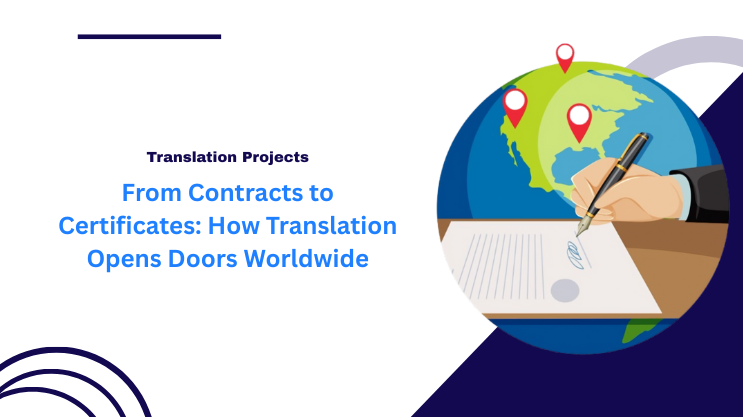
    From Contracts to Certificates: How Translation Opens Doors Worldwide

    In today’s globalized world, language is more than a means of communication-it is a gateway to opportunity. From international contracts and legal agreements to personal certificates and official records, accurate translation plays a vital role in helping individuals and businesses cross borders with confidence. Professional translation ensures that language differences never become obstacles to growth, compliance, or recognition.

    The Power of Translation in a Global Landscape

    As businesses expand internationally and individuals seek opportunities abroad, documents must be understood, accepted, and trusted across different countries and legal systems. Translation bridges this gap by ensuring that every word carries the same meaning, intent, and legal validity in the target language.

    A professionally translated document is not just readable-it is reliable, culturally appropriate, and often legally compliant.

    Translating Contracts: Enabling International Business

    Contracts form the backbone of global trade. Whether it’s a partnership agreement, employment contract, or service-level agreement, clarity and accuracy are essential.

    Why Contract Translation Matters

    • Ensures all parties fully understand their rights and obligations
    • Prevents disputes caused by misinterpretation
    • Meets legal requirements in international jurisdictions
    • Builds trust between global partners

    Even a minor error in a contract translation can lead to serious financial or legal consequences. That’s why professional legal translation is essential when dealing with cross-border agreements.

    Certificates and Personal Documents: Opening Personal Opportunities

    Certificates and personal documents are often required for life-changing processes such as immigration, education, employment, or marriage abroad.

    Commonly Translated Certificates

    • Birth and marriage certificates
    • Educational transcripts and diplomas
    • Police clearance certificates
    • Medical and death certificates

    Accurate translation of these documents ensures they are officially recognized by embassies, universities, courts, and government authorities worldwide.

    Certified Translation: Trust and Acceptance Worldwide

    Many official institutions require certified translations-documents translated and verified by professional translators to confirm accuracy and completeness.

    Certified translations:

    • Are accepted by immigration offices, courts, and universities
    • Include translator declarations and authentication
    • Provide legal credibility across borders

    At Honey Translation Services, certified translations are handled with strict quality checks to ensure global acceptance.

    Cultural Accuracy: Beyond Word-for-Word Translation

    Effective translation goes beyond replacing words from one language with another. Cultural context, tone, and regional usage all matter—especially in business and legal documents.

    Professional translators:

    • Adapt terminology to local legal systems
    • Ensure culturally appropriate phrasing
    • Preserve the original intent and tone

    This cultural sensitivity helps avoid misunderstandings and strengthens international relationships.

    How Professional Translation Opens Global Doors

    Accurate translation empowers individuals and organizations to:

    • Expand businesses into new markets
    • Secure overseas education and employment
    • Complete immigration and visa processes smoothly
    • Build legal and professional credibility worldwide

    With the right translation partner, language becomes a bridge-not a barrier.

    Conclusion

    From contracts that drive international business to certificates that shape personal journeys, translation plays a crucial role in unlocking global opportunities. Professional, certified, and culturally accurate translation ensures that documents are understood, accepted, and trusted across borders.

    At Honey Translation Services, we specialize in delivering precise and reliable translations that help you move forward with confidence-wherever your goals take you. When words matter, trust experts who open doors worldwide.

  • Localization in Global EdTech Certification Programs

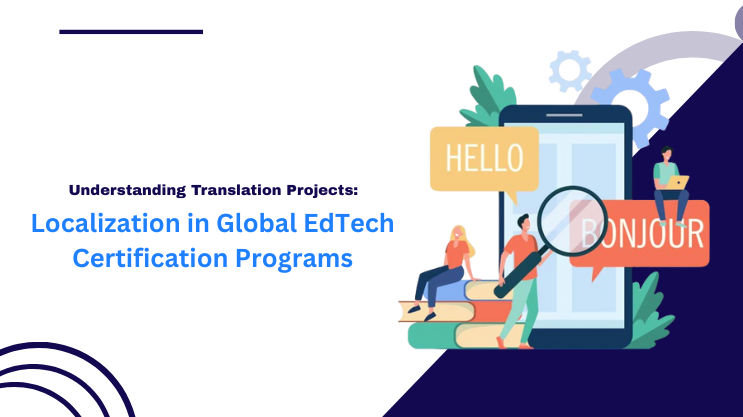
    Localization in Global EdTech Certification Programs

    The global EdTech industry is rapidly expanding, offering online certification programs to learners across borders. However, true global reach requires more than translated course content. Localization plays a crucial role in adapting certification programs to meet linguistic, cultural, and educational expectations of diverse regions-ensuring credibility, engagement, and learner success.


    Why Localization Matters in EdTech Certification

    1. Equal Learning Access: Localized content allows learners to understand complex concepts in their native language.
    2. Higher Completion Rates: Learners are more likely to complete certifications when instructions and assessments feel familiar.
    3. Global Credibility: Proper localization enhances the perceived value and trustworthiness of certifications.
    4. Regulatory Alignment: Some regions require localized educational content to meet academic or compliance standards.

    Key Areas to Localize in Certification Programs

    • Course Content & Modules: Adapt language, examples, and case studies for local relevance.
    • Assessments & Exams: Localize question formats, grading criteria, and instructions.
    • Certification Documents: Translate certificates, transcripts, and verification materials accurately.
    • User Interface & LMS: Localize dashboards, navigation, notifications, and help content.
    • Support & Communication: Provide multilingual learner support and onboarding materials.

    Challenges in Localizing EdTech Certifications

    • Maintaining Academic Accuracy: Educational terminology must be precise across languages.
    • Cultural Learning Styles: Teaching approaches vary by region and must be considered.
    • Consistency Across Versions: Ensuring uniform standards across localized certifications.
    • Frequent Content Updates: Courses evolve quickly, requiring agile localization workflows.

    Best Practices for EdTech Localization

    1. Work with Subject-Matter Experts: Combine linguistic expertise with educational knowledge.
    2. Use Translation Memory & Glossaries: Maintain consistent terminology across courses.
    3. Conduct Local Testing: Validate comprehension and usability with regional learners.
    4. Adapt Visual & Instructional Design: Modify graphics, icons, and layouts where needed.
    5. Ensure Certification Integrity: Maintain standardized learning outcomes across all languages.

    Tools Supporting EdTech Certification Localization

    • Learning Management Systems (LMS) with Localization Support: Manage multilingual content efficiently.
    • Translation Management Systems (TMS): Streamline course updates and version control.
    • In-Context Review Tools: Ensure content accuracy within the learning environment.
    • Analytics & Feedback Platforms: Monitor learner performance by region and language.

    Conclusion

    Localization is a strategic investment for global EdTech certification providers. By adapting content, assessments, and user experiences to local contexts, organizations can improve learner engagement, enhance certification credibility, and expand into new markets with confidence. In a competitive EdTech landscape, well-localized certification programs are key to long-term global success.

    EdTech localization, certification program localization, multilingual e-learning, global online certifications, education translation services, Honey Translation Services.


  • Translation Challenges in AI-Driven Healthcare Platforms

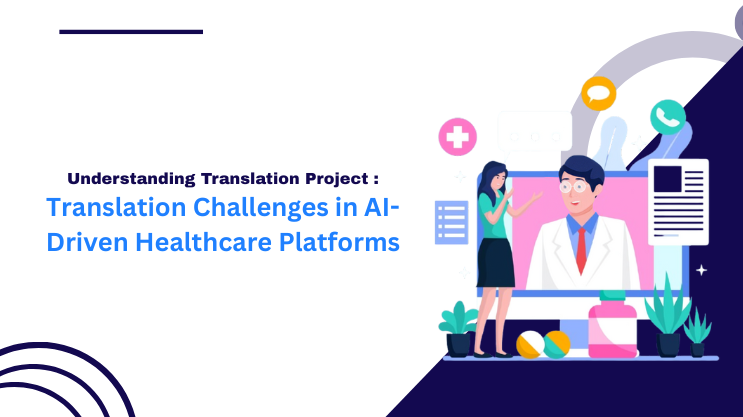
    Translation Challenges in AI-Driven Healthcare Platforms

    AI-driven healthcare platforms are transforming patient care-from virtual consultations and diagnostics to personalized treatment recommendations. As these platforms expand globally, language becomes a critical factor. Translation in AI-powered healthcare is not just about accessibility; it directly impacts patient safety, clinical accuracy, and regulatory compliance. Understanding the challenges involved is essential for building trustworthy and effective multilingual healthcare solutions.


    Why Translation Is Critical in AI-Driven Healthcare

    1. Patient Safety: Medical information must be clearly understood to avoid misdiagnosis or misuse.
    2. Clinical Accuracy: Precise translation ensures AI outputs, recommendations, and alerts retain their intended meaning.
    3. Regulatory Compliance: Healthcare regulations often require content to be available in local languages.
    4. User Trust: Patients are more likely to trust platforms that communicate clearly in their native language.

    Key Translation Challenges in AI-Driven Healthcare Platforms

    Complex Medical Terminology

    AI healthcare systems use advanced clinical, pharmaceutical, and diagnostic terms that require expert medical translators.

    Context Sensitivity

    AI-generated responses depend heavily on context. Poor translation can distort symptoms, dosage instructions, or diagnoses.

    Dynamic and Real-Time Content

    Chatbots, alerts, and AI recommendations update frequently, requiring continuous and accurate translation workflows.

    Cultural Differences in Healthcare Communication

    Health-related language, tone, and sensitivity vary across cultures and must be localized carefully.

    Data Consistency Across Systems

    Inconsistent terminology across AI models, interfaces, and documentation can lead to confusion and errors.


    Risks of Poor Translation in Healthcare AI

    • Misinterpretation of symptoms or instructions
    • Incorrect medication usage
    • Loss of patient confidence
    • Legal and regulatory consequences
    • Reduced effectiveness of AI-driven insights

    Best Practices to Overcome Translation Challenges

    1. Use Specialized Medical Translators: Linguists with healthcare expertise ensure accuracy and compliance.
    2. Build Medical Glossaries: Standardize terminology across AI systems and languages.
    3. Combine AI and Human Review: Use AI for scalability and human experts for validation.
    4. Test with Local Healthcare Professionals: Validate translations in real clinical contexts.
    5. Maintain Continuous Updates: Keep translations aligned with AI model updates and new features.

    Tools Supporting Healthcare Translation

    • Translation Management Systems (TMS): Manage multilingual medical content efficiently.
    • Terminology Management Tools: Ensure consistent medical vocabulary across platforms.
    • In-Context Review Platforms: Allow translators to see AI interfaces and outputs clearly.
    • Quality Assurance Tools: Detect linguistic, numerical, and formatting errors.

    Conclusion

    AI-driven healthcare platforms promise better access, efficiency, and outcomes – but only when language barriers are removed safely and accurately. Translation challenges in healthcare AI demand a careful balance of technology, medical expertise, and cultural understanding. By investing in professional medical translation and localization, healthcare providers and tech companies can protect patients, ensure compliance, and build truly global, trustworthy AI healthcare solutions.

    Healthcare translation, AI healthcare localization, medical translation services, multilingual healthcare platforms, healthcare AI translation, patient safety translation, Honey Translation Services.’


  • Global Expansion Fails Without the Right Translation Partner

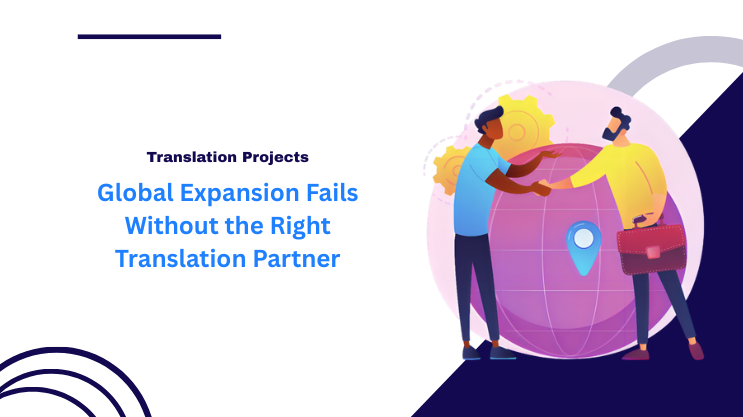
    Global Expansion Fails Without the Right Translation Partner

    Expanding into international markets is an exciting milestone for any business. New regions promise fresh customers, increased revenue, and global brand recognition. However, many global expansion strategies fail not because of product quality or pricing-but because of poor translation and localization choices.

    Language is more than words. It carries cultural meaning, legal nuance, emotional tone, and trust. Without the right translation partner, even well-funded global expansion plans can quickly collapse.

    Why Translation Is Critical for Global Growth

    When businesses enter new markets, they must communicate clearly with customers, partners, regulators, and employees. This includes:

    • Websites and mobile apps
    • Marketing campaigns and advertisements
    • Legal and compliance documents
    • Product manuals and user guides
    • Customer support and chatbot interactions

    A single translation error can lead to misunderstandings, loss of credibility, legal risks, or even public backlash.

    Common Reasons Global Expansion Fails Due to Poor Translation

    1. Literal Translation Instead of Localization

    Word-for-word translation ignores cultural context. What works in one country may sound confusing, offensive, or meaningless in another. Localization adapts content to local customs, tone, and expectations—something automated tools cannot fully achieve.

    2. Inconsistent Brand Voice Across Markets

    Without a professional translation partner, brand messaging becomes inconsistent. Customers may perceive the brand as unreliable or unprofessional when tone, terminology, and style vary across languages.

    3. Legal and Compliance Risks

    Incorrect translation of contracts, terms & conditions, or regulatory documents can lead to compliance violations, fines, or legal disputes. Certified and subject-matter-expert translators are essential for legal and technical accuracy.

    4. Poor Customer Experience

    Unnatural or confusing translations frustrate users. This can result in higher bounce rates, abandoned carts, negative reviews, and reduced customer loyalty—especially in competitive global markets.

    5. Over-Reliance on Machine Translation

    While machine translation is fast, it often fails to capture nuance, industry-specific terminology, and cultural sensitivity. Businesses that rely solely on automated tools risk damaging their reputation.

    What Makes the Right Translation Partner?

    Choosing the right translation partner is a strategic decision-not a cost-saving shortcut. The right partner offers:

    • Native-language professional translators
    • Industry-specific expertise (legal, medical, technical, marketing)
    • Cultural localization, not just translation
    • Quality assurance and review processes
    • Certified translations where required
    • Scalable solutions for growing global businesses

    A reliable translation partner acts as an extension of your brand, ensuring every message feels natural and trustworthy in every market.

    How the Right Partner Supports Successful Global Expansion

    A professional translation partner helps businesses:

    • Build trust with international audiences
    • Maintain brand consistency across regions
    • Reduce legal and operational risks
    • Improve user experience and engagement
    • Accelerate market entry with confidence

    At Honey Translations, we understand that global expansion requires more than language conversion. Our expert linguists and localization specialists ensure your message resonates accurately, culturally, and professionally—no matter the market.

    Conclusion

    Global expansion doesn’t fail because businesses aim too high-it fails when communication falls short. Language barriers, cultural misunderstandings, and inaccurate translations can undo years of planning and investment.

    Choosing the right translation partner is not optional; it is essential. With the right expertise, quality standards, and cultural insight, your business can expand globally with confidence, credibility, and clarity.

  • Measuring ROI of Localization Investments

    Measuring ROI of Localization Investments

    Localization is often seen as a cost-but for global businesses, it is a strategic investment. Companies that localize their content, products, and customer experiences gain access to new markets, improve engagement, and increase revenue. Measuring the return on investment (ROI) of localization helps businesses justify budgets, optimize strategies, and scale globally with confidence.


    Why Measuring Localization ROI Matters

    1. Justifies Business Spend: Clear ROI metrics help stakeholders understand the value of localization.
    2. Guides Strategic Decisions: Data-driven insights reveal which markets and languages deliver the best results.
    3. Improves Budget Allocation: Focus resources on high-performing regions and content types.
    4. Demonstrates Growth Impact: Localization directly influences conversions, retention, and brand trust.

    Key Metrics to Measure Localization ROI

    Revenue and Conversion Metrics
    • Increase in sales from localized markets
    • Higher conversion rates on localized websites and apps
    • Growth in average order value across regions
    Customer Experience Metrics
    • Reduced bounce rates on localized pages
    • Improved customer satisfaction (CSAT) scores
    • Higher engagement and retention rates
    Marketing Performance Metrics
    • Improved click-through rates (CTR) for localized campaigns
    • Better performance of multilingual SEO keywords
    • Increased social media engagement by language
    Operational Efficiency Metrics
    • Reduced support tickets due to clearer localized content
    • Faster time-to-market for global launches
    • Lower rework costs from consistent terminology

    Challenges in Measuring Localization ROI

    • Attribution Complexity: It can be difficult to isolate localization impact from other factors.
    • Market Variability: Cultural and economic differences affect performance across regions.
    • Long-Term Value: Brand trust and loyalty gains may take time to reflect in numbers.
    • Data Silos: Metrics may be spread across marketing, sales, and support systems.

    Best Practices for Tracking Localization ROI

    1. Set Clear Goals: Define success metrics before launching localization efforts.
    2. Track Performance by Language: Compare localized and non-localized markets.
    3. Use A/B Testing: Measure performance differences between localized and generic content.
    4. Align Teams: Ensure marketing, sales, and localization teams share data and insights.
    5. Review Regularly: Continuously analyze results and optimize localization strategies.

    Tools That Support Localization ROI Measurement

    • Analytics Platforms: Track traffic, conversions, and engagement by region and language.
    • Translation Management Systems (TMS): Monitor localization costs and efficiency.
    • CRM and Support Tools: Measure customer satisfaction and support trends globally.
    • SEO Tools: Analyze multilingual keyword performance and organic traffic growth.

    Conclusion

    Measuring the ROI of localization investments transforms localization from a perceived expense into a proven growth driver. By tracking the right metrics and aligning localization goals with business objectives, companies can demonstrate tangible value, improve global performance, and scale sustainably. Strategic localization delivers measurable returns – in revenue, customer trust, and long-term brand growth.

    localization ROI, measuring localization success, translation ROI, multilingual business growth, localization strategy, global expansion, Honey Translation Services.


  • Top Online Translation Services for Accurate and Certified Results

    Top Online Translation Services for Accurate and Certified Results

    In today’s globalized world, accurate translation is no longer a luxury—it’s a necessity. Whether you’re submitting documents for immigration, expanding your business internationally, or handling legal and medical paperwork, choosing the right online translation service is crucial. Certified and precise translations ensure your documents are accepted by authorities and clearly understood across languages.

    This article explores what makes a translation service reliable and highlights the key features to look for when choosing the top online translation services for accurate and certified results.

    Why Accuracy and Certification Matter in Translation

    Not all translations are created equal. A minor error in a legal contract, medical report, or official certificate can lead to serious consequences, including rejection, delays, or legal complications.

    Certified translations are typically required for:

    • Immigration and visa applications
    • Legal documents (contracts, court papers, affidavits)
    • Academic records (transcripts, diplomas)
    • Medical reports and prescriptions
    • Government and official submissions

    Certified translations confirm that the translated document is complete and accurate, often accompanied by a signed declaration from the translation provider.

    Key Features of Top Online Translation Services

    1. Certified and Professional Translators

    Reputable online translation services work with qualified translators who are native speakers and subject-matter experts. Certification ensures translations meet official standards required by embassies, courts, and institutions.

    2. Wide Language Coverage

    Top services support a broad range of languages, including rare and regional languages, allowing individuals and businesses to communicate effectively across global markets.

    3. Industry-Specific Expertise

    Professional services assign translators with experience in specific fields such as legal, medical, technical, financial, or marketing translation—ensuring correct terminology and context.

    4. Quality Assurance and Review

    High-quality providers follow multi-step review processes, including proofreading and quality checks, to ensure accuracy, consistency, and clarity.

    5. Data Security and Confidentiality

    Trusted online translation services maintain strict confidentiality protocols, protecting sensitive personal, legal, and business information.

    6. Fast Turnaround with Online Convenience

    Online platforms offer easy document uploads, transparent pricing, and quick delivery—making professional translation accessible anytime, anywhere.

    Types of Online Translation Services Available

    Certified Document Translation

    Ideal for official use, these translations are accepted by immigration authorities, courts, universities, and government bodies.

    Business and Corporate Translation

    Includes website localization, marketing content, contracts, and reports to help companies expand globally while maintaining brand consistency.

    Legal Translation

    Covers agreements, court documents, patents, and affidavits with high precision and compliance with legal standards.

    Medical Translation

    Ensures accurate translation of medical records, clinical reports, prescriptions, and healthcare documentation.

    Website and App Localization

    Adapts digital content to suit linguistic, cultural, and regional preferences for global audiences.

    How to Choose the Right Online Translation Service

    When selecting an online translation provider, consider:

    • Whether they offer certified translations
    • Their experience in your required industry
    • Customer reviews and testimonials
    • Turnaround time and pricing transparency
    • Customer support and consultation availability

    Choosing a professional service ensures your translated documents are accurate, compliant, and globally accepted.

    Conclusion

    Selecting one of the top online translation services is essential for achieving accurate and certified results that meet official and professional standards. Whether for personal, legal, medical, or business needs, a reliable translation partner helps you communicate clearly and confidently across languages.

    By prioritizing certified translators, industry expertise, quality assurance, and data security, you can ensure your documents are translated with precision and professionalism-saving time, avoiding errors, and gaining global trust.

  • Why Language Is the Hidden Driver of Global CX

    Why Language Is the Hidden Driver of Global CX

    Customer experience (CX) has become a major differentiator for global brands. While companies invest heavily in design, technology, and personalization, one powerful factor often goes unnoticed—language. Language influences how customers perceive a brand, understand products, and build trust. In global markets, translation and localization are the hidden drivers that shape exceptional customer experiences.


    Why Language Matters in Global Customer Experience

    1. First Impressions Count: Customers form opinions quickly, and content in their native language creates instant comfort and trust.
    2. Clarity Builds Confidence: Clear communication reduces confusion and frustration throughout the customer journey.
    3. Emotional Connection: Language triggers emotions; localized messaging feels personal and respectful.
    4. Inclusive Experiences: Multilingual content ensures all customers feel valued and understood.

    How Language Impacts Every CX Touchpoint

    Websites and Apps

    Localized interfaces improve navigation, usability, and engagement for global users.

    Customer Support

    Multilingual support interactions resolve issues faster and improve satisfaction.

    Marketing and Sales

    Customers are more likely to engage and convert when offers speak their language and culture.

    Onboarding and Documentation

    Clear, localized instructions reduce friction and increase product adoption.


    The Risks of Ignoring Language in CX
    • Increased customer frustration and churn
    • Misunderstood policies, pricing, or product details
    • Inconsistent brand perception across regions
    • Missed growth opportunities in international markets

    Best Practices to Leverage Language for Better CX

    1. Invest in Professional Translation and Localization: Go beyond machine translation for accuracy and cultural relevance.
    2. Maintain Consistent Brand Voice: Use glossaries and style guides across all languages.
    3. Adopt an Omnichannel Approach: Ensure consistent language quality across websites, apps, emails, and support.
    4. Test with Local Users: Validate messaging with real audiences to uncover gaps.
    5. Continuously Improve: Monitor CX feedback and update localized content regularly.

    Tools That Support Multilingual CX

    • Translation Management Systems (TMS): Centralize multilingual content efficiently.
    • Glossaries and Style Guides: Ensure terminology and tone consistency.
    • In-context Review Platforms: Improve accuracy by reviewing content in real layouts.
    • CX Analytics Tools: Measure performance across languages and regions.

    Conclusion

    Global customer experience, language and CX, translation for customer experience, multilingual CX, localization services, customer experience strategy, Honey Translation Service.

    Language is more than a communication tool – it is a strategic driver of global customer experience. Brands that prioritize translation and localization create seamless, emotionally resonant interactions that build trust and loyalty worldwide. By investing in language – driven CX strategies, businesses can turn communication into a competitive advantage and unlock sustainable global growth.


  • Multilingual Demand Generation Strategies

    Multilingual Demand Generation Strategies

    As businesses expand globally, generating demand across different regions requires more than a one-size-fits-all marketing approach. Multilingual demand generation focuses on creating awareness, nurturing leads, and driving conversions through language- and culture-specific strategies. When done right, it helps brands connect authentically with global audiences and accelerate international growth.


    Why Multilingual Demand Generation Matters

    1. Reaches Global Audiences Effectively: Customers engage more with content presented in their native language.
    2. Builds Brand Trust: Localized messaging demonstrates cultural respect and credibility.
    3. Improves Conversion Rates: Language-specific campaigns reduce friction in the buyer journey.
    4. Supports Market Expansion: Multilingual strategies enable smoother entry into new regions.

    Key Components of Multilingual Demand Generation

    • Localized Content Marketing: Blogs, ebooks, case studies, and landing pages tailored to each market.
    • Multilingual SEO: Optimizing keywords based on local search behavior and language nuances.
    • Email Campaign Localization: Personalized, culturally relevant email messaging for better open and click rates.
    • Paid Media Localization: Ads adapted to local language, tone, and audience preferences.
    • Sales Enablement Materials: Translated brochures, presentations, and product sheets for regional teams.

    Challenges in Multilingual Demand Generation

    • Maintaining Brand Consistency: Aligning messaging across multiple languages and channels.
    • Cultural Differences: Buying behavior and communication styles vary by region.
    • Scalability: Managing content creation and updates across many languages.
    • Data Alignment: Measuring performance consistently across markets.

    Best Practices for Multilingual Demand Generation

    1. Invest in Professional Translation and Localization: Ensure accuracy and cultural relevance.
    2. Create Multilingual Brand Guidelines: Maintain consistent tone and terminology globally.
    3. Use Market-Specific Keyword Research: Adapt SEO strategies for each language.
    4. Leverage Technology: Use Translation Management Systems (TMS) to streamline workflows.
    5. Analyze and Optimize: Track performance by region and continuously refine strategies.

    Tools That Support Multilingual Demand Generation

    • Translation Management Systems (TMS): Manage multilingual content efficiently.
    • Marketing Automation Platforms: Deliver localized campaigns at scale.
    • SEO and Analytics Tools: Monitor performance across languages and markets.
    • Glossaries and Style Guides: Ensure messaging consistency across all content.

    Conclusion

    Multilingual demand generation is a powerful growth driver for global businesses. By localizing content, optimizing for regional search behavior, and delivering culturally relevant campaigns, companies can attract, engage, and convert international audiences more effectively. A strategic investment in professional translation and localization services ensures your demand generation efforts resonate worldwide and deliver measurable results.

    multilingual demand generation, global demand generation, multilingual marketing strategy, localization for marketing, international lead generation, Honey Translation Services.


  • Translating Customer Education for Market Expansion

    Translating Customer Education for Market Expansion

    Customer education plays a vital role in helping users understand products, services, and value propositions. As businesses expand into global markets, translating customer education materials becomes essential for driving adoption, reducing support costs, and building lasting customer relationships. Effective translation ensures that learning content is clear, culturally relevant, and accessible to international audiences.


    Why Customer Education Matters in Global Expansion

    1. Improves Product Adoption: Customers understand and use products better when instructions are in their native language.
    2. Reduces Support Queries: Clear educational content minimizes confusion and repetitive customer support requests.
    3. Builds Trust and Loyalty: Well-translated learning materials show commitment to customer success.
    4. Accelerates Market Entry: Localized education shortens onboarding time in new regions.

    Types of Customer Education Content That Need Translation

    • User manuals and guides
    • Tutorials and how-to articles
    • FAQs and knowledge base content
    • Training videos and e-learning modules
    • Webinars and onboarding materials

    Each format requires careful adaptation to ensure clarity and engagement across cultures.


    Challenges in Translating Customer Education Content

    • Complex Terminology: Technical or industry-specific terms must be translated accurately.
    • Consistency Across Materials: Learning content must align across documents, videos, and platforms.
    • Cultural Learning Preferences: Different regions prefer different instructional styles and formats.
    • Multimedia Localization: Voiceovers, subtitles, and visuals often require additional localization effort.

    Best Practices for Translating Customer Education

    1. Use Subject-Matter Experts: Professional translators with domain knowledge ensure clarity and accuracy.
    2. Create Glossaries and Style Guides: Maintain consistent terminology across all educational materials.
    3. Localize Examples and Scenarios: Adapt real-life examples to suit local markets.
    4. Test Content with Local Users: Validate comprehension and effectiveness before full rollout.
    5. Update Regularly: Keep translations aligned with product updates and feature changes.

    Tools That Support Educational Content Translation

    • Translation Management Systems (TMS): Manage large volumes of educational content efficiently.
    • Learning Management System (LMS) Integrations: Support multilingual training delivery.
    • Subtitling and Voiceover Tools: Enable effective multimedia localization.
    • Analytics Platforms: Measure learner engagement and content performance by region.

    Conclusion

    Translating customer education is a strategic investment for market expansion. When customers clearly understand how to use and benefit from a product, adoption increases and long-term loyalty follows. By prioritizing professional translation and localization of educational content, businesses can enter new markets with confidence, reduce friction, and create empowered global customers.

    customer education translation, multilingual training content, localized learning materials, market expansion translation, product education localization, Honey Translation Services.