Category: Guide

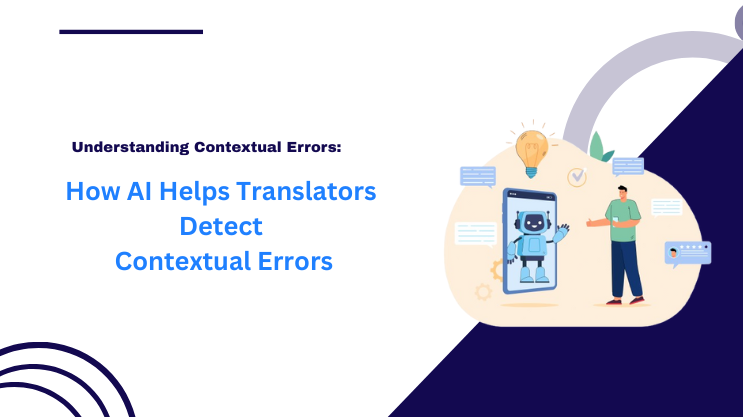
  • How AI Helps Translators Detect Contextual Errors

    How AI Helps Translators Detect Contextual Errors

    In translation, accuracy is more than word-for-word correctness; context matters. Even small contextual errors can change meaning, confuse readers, or damage brand reputation. Artificial Intelligence (AI) is transforming the translation industry by helping linguists detect and correct these errors, enhancing quality, consistency, and efficiency across multilingual content.


    Why Context Matters in Translation

    Contextual errors occur when a word or phrase is translated literally without considering the surrounding text, cultural nuances, or industry-specific terminology. Common issues include:

    • Misinterpreted idioms or expressions
    • Ambiguous pronouns or references
    • Incorrect technical or domain-specific terms
    • Tone or style inconsistencies

    By addressing these errors, translators ensure the message is accurate, culturally appropriate, and aligned with the brand voice.


    How AI Supports Translators

    1. Contextual Analysis: AI algorithms analyze surrounding sentences to suggest translations that fit the intended meaning.
    2. Terminology Consistency: AI detects inconsistent use of terms across documents, helping maintain uniformity.
    3. Error Detection: AI flags potential mistranslations, ambiguous phrasing, or missing references for human review.
    4. Quality Assurance: AI-powered tools run real-time checks, reducing human oversight errors and improving accuracy.
    5. Efficiency: AI accelerates the translation process, enabling translators to focus on nuanced language choices rather than repetitive proofreading.

    Benefits of AI-Enhanced Translation

    • Higher Accuracy: Context-aware AI reduces semantic and grammatical errors.
    • Improved Productivity: Translators can handle larger volumes without compromising quality.
    • Enhanced Consistency: AI helps maintain terminology, tone, and style across multiple languages and documents.
    • Faster Turnaround: Automated checks speed up workflows while retaining human oversight for nuanced content.

    Best Practices for Using AI in Translation

    1. Combine AI with Human Expertise: AI tools assist translators, but final judgment should remain human.
    2. Use Domain-Specific AI Models: Specialized models for legal, medical, technical, or marketing content improve contextual accuracy.
    3. Regularly Update Translation Memories: Keep AI and translation memory databases current for better consistency.
    4. Review and Train AI Systems: Continuous learning from human feedback refines AI accuracy over time.

    Conclusion

    AI is revolutionizing translation by helping linguists detect and correct contextual errors that might otherwise compromise meaning or clarity. By integrating AI into the translation workflow, companies can achieve faster, more accurate, and consistent multilingual content while preserving the human touch essential for nuance, tone, and cultural relevance.

    AI in translation, contextual error detection, translation technology, machine-assisted translation, multilingual content quality, Honey Translation Services.
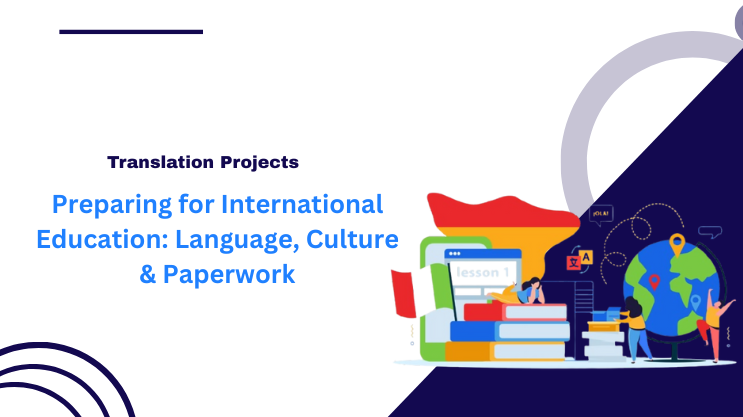
  • Preparing for International Education: Language, Culture & Paperwork

    Preparing for International Education: Language, Culture & Paperwork

    Studying abroad is an exciting journey filled with new experiences, knowledge, and opportunities. However, preparing for international education goes beyond booking flights and accommodation. Language proficiency, cultural understanding, and accurate paperwork are crucial for a smooth and successful academic experience. At Honey Translation Service, we specialize in helping students navigate these essential steps efficiently.

    Understanding Language Requirements

    One of the first hurdles for international students is language. Whether it’s English, French, German, or any other language, proficiency tests like IELTS, TOEFL, or DELF are often mandatory. Beyond academic requirements, strong language skills help students communicate effectively in daily life, understand lectures, and integrate socially.

    How Honey Translation Service Helps:

    • Translation of language certificates and academic records.
    • Assistance with multilingual communication and document verification.
    • Proofreading services to ensure application essays and statements are accurate and professional.

    Adapting to Cultural Differences

    Culture plays a significant role in how students experience their new environment. Understanding local customs, social norms, and academic etiquette helps students avoid misunderstandings and adapt faster. Awareness of cultural differences enhances personal growth, builds confidence, and fosters meaningful connections with peers and faculty abroad.

    Honey Translation Service Advantage:

    • Multilingual content localization to help students understand university guidelines, community rules, and cultural practices.
    • Interpretation services for pre-departure orientation or online consultations.
    • Guidance on effective communication in both formal and informal settings.

    Managing Academic & Legal Paperwork

    Paperwork is one of the most critical aspects of studying abroad. From transcripts and diplomas to visa applications and medical records, accuracy and compliance are mandatory. Mistakes in documentation can lead to delays, rejections, or even missed enrollment deadlines.

    Honey Translation Service Solutions:

    • Document Translation: Certified translation of academic transcripts, recommendation letters, and certificates.
    • Apostille & Attestation Services: Ensuring legal recognition of documents in the destination country.
    • Visa & Application Support: Assisting with clear, precise, and correctly formatted paperwork to meet university and embassy requirements.

    Tips for a Smooth Pre-Departure Process

    1. Start Early: Begin your preparations months in advance to accommodate translation, certification, and submission timelines.
    2. Check Requirements: Each country and university has unique document and language requirements. Verify them carefully.
    3. Use Professional Services: Avoid errors by leveraging services like Honey Translation Service for translations, attestations, and guidance.
    4. Learn Basic Language Skills: Even basic conversational skills can help navigate everyday life and demonstrate respect for the host culture.
    5. Keep Copies of Documents: Always maintain digital and physical copies of important certificates and applications.

    Why Choose Honey Translation Service?

    At Honey Translation Service, we understand the challenges faced by international students. Our comprehensive solutions ensure that language barriers and paperwork don’t stand in the way of your dreams. From translation and proofreading to attestation, apostille, and localization, we provide a one-stop solution tailored to your unique educational journey.

    Conclusion

    Preparing for international education involves careful attention to language, cultural adaptation, and paperwork accuracy. By partnering with Honey Translation Service, students can focus on their studies and personal growth while we handle the complex translation and documentation process. Begin your international journey confidently with our expert services and make your study abroad experience seamless and successful.

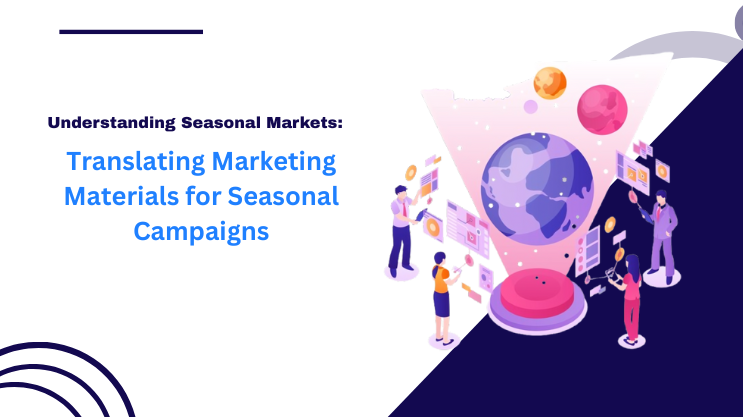
  • Translating Marketing Materials for Seasonal Campaigns

    Translating Marketing Materials for Seasonal Campaigns

    Seasonal marketing campaigns-like holidays, product launches, or special promotions-require timely, engaging, and culturally relevant messaging. For global brands, translating these materials is essential to connect with international audiences effectively. Accurate translation ensures your message resonates, avoids cultural missteps, and drives engagement across regions.


    Why Translation Matters in Seasonal Campaigns

    1. Cultural Relevance: Holidays and seasonal events vary worldwide; content must align with local customs and traditions.
    2. Audience Engagement: Well-translated campaigns capture attention, encourage participation, and increase conversions.
    3. Brand Consistency: Ensures your messaging, tone, and visuals remain cohesive across languages and regions.
    4. Timely Delivery: Rapid translation is key to launching campaigns on schedule without compromising quality.

    Challenges in Translating Seasonal Marketing Materials

    • Cultural Sensitivity: Misinterpreted messages or visuals can cause offense or reduce campaign effectiveness.
    • Creative Adaptation: Slogans, wordplay, or idioms may require localization rather than literal translation.
    • Volume and Speed: Campaigns often involve multiple materials – emails, social media posts, banners – that need fast translation.
    • Maintaining Brand Voice: Creative and persuasive tone must remain intact in every language.

    Best Practices for Translating Seasonal Campaigns

    1. Plan Ahead: Start translation early to allow for review, adaptation, and design adjustments.
    2. Use Expert Translators: Hire linguists experienced in marketing and localization to capture nuance and persuasion.
    3. Adapt Creative Content: Localize slogans, visuals, and metaphors to resonate with each target audience.
    4. Implement a Style Guide: Maintain consistent terminology, tone, and branding across all translations.
    5. Test and Optimize: Gather feedback from local teams or users to ensure messaging is clear and impactful.

    Tools That Help With Campaign Translation

    • Translation Management Systems (TMS): Streamline workflow and maintain version control.
    • Glossaries and Brand Guides: Keep terminology, tone, and visual references consistent.
    • In-context Review Platforms: Allow translators to view text in the final campaign layout for accuracy.
    • Project Management Tools: Coordinate deadlines, multiple languages, and campaign materials efficiently.

    Conclusion

    Translating marketing materials for seasonal campaigns is crucial for global brands to engage audiences effectively and maintain a consistent, culturally sensitive presence. By leveraging professional translation services and localization strategies, businesses can deliver impactful campaigns that resonate with diverse markets, strengthen brand loyalty, and drive international growth.

    Seasonal marketing translation, campaign localization, multilingual marketing materials, global campaign translation, marketing content translation, Honey Translation Services.


  • Translation Quality vs Speed: Finding the Perfect Balance

    Translation Quality vs Speed: Finding the Perfect Balance

    In today’s fast-paced global marketplace, businesses increasingly rely on professional translation services to reach international audiences. However, when it comes to translation, two critical factors often compete: quality and speed. At Honey Translation Services, we understand that finding the perfect balance between these two is essential to delivering accurate, impactful, and timely translations.

    Understanding the Importance of Translation Quality

    Translation quality is more than just correct grammar or vocabulary. It ensures that your message resonates with the target audience, aligns with cultural norms, and maintains brand consistency. Poor translation quality can lead to miscommunication, misunderstandings, or even legal complications, which can significantly harm a brand’s reputation.

    At Honey Translation Services, our team of experienced linguists ensures every translation is not only linguistically accurate but also culturally appropriate. We implement a thorough quality assurance process, including proofreading, editing, and contextual validation, to guarantee that your content communicates effectively across languages.

    The Role of Speed in Translation Projects

    In many industries, time is of the essence. Marketing campaigns, product launches, or legal documentation often require fast translations to meet tight deadlines. Speed in translation ensures that businesses can operate efficiently and capitalize on time-sensitive opportunities.

    However, prioritizing speed over quality can be risky. Machine translation tools may offer quick solutions, but without human oversight, nuances, idioms, and cultural references may be lost. Honey Translation Services offers fast turnaround solutions without compromising the integrity of your content. Through a combination of skilled translators and advanced technology, we streamline workflows to deliver both accuracy and efficiency.

    Striking the Perfect Balance

    The key to successful translation lies in finding a balance between quality and speed. Here’s how Honey Translation Services achieves this:

    1. Project Assessment: We evaluate each project’s complexity, purpose, and audience to determine the optimal approach.
    2. Customized Workflow: We design a workflow that prioritizes both precision and timeliness, using translation memory tools and collaborative platforms.
    3. Skilled Team Allocation: Complex or specialized content is handled by subject-matter experts, ensuring high-quality translations even under tight deadlines.
    4. Continuous Review: Our multi-step review process allows for rapid delivery while maintaining a high standard of quality.

    By carefully managing these factors, Honey Translation Services ensures that your message reaches the audience accurately and on time.

    When to Prioritize Quality vs Speed

    While both quality and speed are important, the nature of your project determines which should take precedence:

    • High-Stakes Documents: Legal contracts, medical records, or international agreements demand top-tier quality even if it takes longer. Errors can have serious consequences.
    • Time-Sensitive Content: Marketing campaigns, social media posts, or product descriptions often require faster translation with high, but manageable, quality standards.

    At Honey Translation Services, we offer flexible solutions tailored to your priorities, ensuring that your business goals are met without compromise.

    The Honey Translation Advantage

    Choosing Honey Translation Services means entrusting your translations to a provider that values both accuracy and efficiency. With our professional linguists, cutting-edge tools, and robust quality control systems, we provide translations that are reliable, culturally aware, and delivered within your required timelines.

    By finding the right balance between translation quality and speed, businesses can communicate effectively with global audiences, enhance brand credibility, and achieve international growth.

    Conclusion

    Balancing translation quality and speed is not a trade-off – it’s a strategic approach. Honey Translation Services helps businesses navigate this balance by delivering translations that are precise, culturally relevant, and timely. Whether your project demands meticulous accuracy or quick turnaround, we ensure that your global communication is always a success.

  • How Multilingual Customer Support Boosts Retention

    How Multilingual Customer Support Boosts Retention

    In today’s globalized marketplace, customer support is more than solving issues-it’s a key driver of loyalty and retention. Providing support in multiple languages ensures customers feel valued, understood, and connected to your brand. Multilingual customer support is no longer optional; it’s a strategic necessity for businesses aiming to expand internationally.


    Why Multilingual Support Matters

    1. Enhances Customer Satisfaction: Customers are more satisfied when they can communicate in their native language.
    2. Builds Trust and Loyalty: Personalized support in the customer’s language fosters confidence and long-term relationships.
    3. Reduces Miscommunication: Addressing concerns accurately prevents misunderstandings and improves problem resolution.
    4. Expands Global Reach: Companies can serve diverse markets effectively, driving growth and retention.

    Challenges in Implementing Multilingual Support

    • Recruiting Skilled Agents: Finding support staff fluent in target languages with product knowledge can be difficult.
    • Maintaining Consistency: Ensuring consistent messaging, tone, and service quality across languages requires careful coordination.
    • Handling Complex Queries: Some technical or specialized questions may require expert translation or interpretation.
    • Scalability: Supporting multiple languages across different channels—chat, email, phone—requires proper planning and tools.

    Best Practices for Multilingual Customer Support

    1. Invest in Professional Translators: Use experts for content translation, FAQs, and technical documentation.
    2. Train Support Teams: Equip agents with cultural sensitivity and language-specific communication skills.
    3. Leverage Translation Technology: Use live translation tools, chatbots, and TMS for efficiency and consistency.
    4. Monitor Customer Feedback: Regularly gather insights to improve multilingual support and adapt to user needs.
    5. Integrate Across Channels: Ensure consistent multilingual support across email, chat, social media, and self-service portals.

    Tools That Help Multilingual Support

    • Translation Management Systems (TMS): Streamline translations for knowledge bases and documentation.
    • AI-Powered Chatbots: Provide instant multilingual support for common queries.
    • Glossaries and Style Guides: Maintain consistent terminology and brand voice across languages.
    • Analytics Platforms: Track customer satisfaction and retention metrics by language and region.

    Conclusion

    Multilingual customer support is a strategic investment that drives customer retention, satisfaction, and loyalty. By combining skilled support teams, professional translation, and smart technology, businesses can deliver a seamless, culturally sensitive experience that resonates with global audiences. Providing support in the customer’s language transforms service interactions into long-term relationships, fueling growth and brand advocacy worldwide.

    Multilingual customer support, global customer retention, multilingual CX, translation for support, international customer service, Honey Translation Services.


  • Creative Copy That Speaks Every Language

    Creative Copy That Speaks Every Language

    In today’s global marketplace, creativity alone is not enough. Words must resonate across cultures, languages, and audiences to make an impact. Crafting creative copy that speaks every language is both an art and a science, combining linguistic expertise with cultural understanding to deliver messages that engage, persuade, and inspire worldwide.

    1. The Power of Multilingual Creativity

    Effective copywriting isn’t just about translating words—it’s about adapting ideas to fit the mindset, values, and emotions of diverse audiences. Multilingual creative copy captures the essence of your brand while making it relevant and relatable across borders.

    Impact:

    • Connects with audiences in their native language
    • Maintains brand voice across cultures
    • Strengthens emotional engagement

    2. Cultural Sensitivity Matters

    What works in one culture may fail in another. Creative copywriters consider cultural nuances, idioms, humor, and context to avoid misinterpretations and build meaningful connections.

    Benefits include:

    • Avoiding cultural missteps
    • Enhancing brand credibility
    • Driving audience trust and loyalty

    3. Creativity + Strategy = Global Success

    Great copy is both imaginative and goal-driven. When combined with marketing strategy, it motivates action, increases conversions, and strengthens your global presence.

    Why it works:

    • Persuasive messaging tailored to local markets
    • Alignment with marketing campaigns
    • Measurable business results

    4. Beyond Translation: Transcreation

    Transcreation takes copywriting to the next level. It’s the process of creatively adapting messages while preserving intent, tone, and style, ensuring that content feels natural in every language.

    Advantages of transcreation:

    • Maintains emotional impact
    • Ensures consistent brand voice
    • Optimizes content for diverse markets

    5. Human Touch in the AI Era

    AI can assist with speed and efficiency, but true creative impact requires human intuition, cultural insight, and emotional intelligence. Professional copywriters deliver authenticity that resonates across languages and cultures.

    Key takeaway:

    • AI can support, but humans create connection
    • Creativity and nuance remain irreplaceable

    Conclusion

    Creative copy that speaks every language is more than translation-it’s a strategic tool for building global relationships. By blending creativity, cultural awareness, and linguistic expertise, businesses can craft messages that transcend borders, engage audiences, and drive growth worldwide.

    Investing in multilingual creative copy is investing in global impact and lasting brand success.

  • Translating Interactive Content for Cross-Cultural Audiences

    Translating Interactive Content for Cross-Cultural Audiences

    Interactive content-such as quizzes, polls, infographics, e-learning modules, and games-has become a powerful tool for engaging users. However, to resonate with a global audience, it’s essential to translate this content thoughtfully. Effective translation ensures cultural relevance, usability, and engagement, allowing users from different regions to interact with your brand seamlessly.


    Why Translating Interactive Content Matters

    1. Enhanced Engagement: Users are more likely to participate when content is presented in their native language.
    2. Cultural Relevance: Localized interactive content reflects regional norms, values, and preferences, avoiding misunderstandings.
    3. Brand Consistency: Maintaining a uniform brand voice across languages strengthens recognition and trust.
    4. Better Learning Outcomes: In educational or training modules, accurate translations improve comprehension and retention.

    Challenges in Translating Interactive Content

    • Dynamic Text: Interactive elements often include pop-ups, hover texts, and buttons that need context-aware translation.
    • Character Limits: Space constraints in UI elements require concise yet clear translations.
    • Cultural Adaptation: Humor, metaphors, or culturally specific references may not translate literally.
    • Technical Integration: Ensuring translations align with code, software, or e-learning platforms requires collaboration between translators and developers.

    Best Practices for Translating Interactive Content

    1. Context is Key: Provide translators with mockups, screenshots, and user flows to understand how content will appear.
    2. Use Professional Localization Services: Automated translations may fail to capture tone, context, or cultural nuances.
    3. Create Glossaries and Style Guides: Maintain consistent terminology and brand voice across languages.
    4. Test with Local Audiences: Conduct usability testing to ensure interactive content is intuitive and culturally appropriate.
    5. Plan for Updates: Interactive content often changes; agile translation processes help keep all languages current.

    Tools to Support Translation

    • Translation Management Systems (TMS): Streamline updates, version control, and collaboration.
    • In-context Review Platforms: Allow translators to see content as users will experience it, reducing errors.
    • Glossaries and Style Guides: Standardize language for consistency and clarity.
    • QA Tools: Check for formatting, truncation, and functional issues in translated interactive content.

    Conclusion

    Translating interactive content for cross-cultural audiences is more than language conversion-it’s about creating meaningful, engaging, and culturally sensitive experiences. Companies that invest in professional translation and localization can foster stronger connections with global users, enhance engagement, and maintain a consistent brand presence worldwide.

    Interactive content translation, cross-cultural localization, multilingual engagement, e-learning translation, global content localization, Honey Translation Services.

  • The Role of Localization in the Global Gaming Industry

    The Role of Localization in the Global Gaming Industry

    The global gaming industry is evolving at an unprecedented pace, reaching players across continents. As games expand beyond borders, localization has become a critical strategy for success. By adapting content to local languages, cultures, and preferences, gaming companies can create immersive experiences that resonate with players worldwide. Honey Translation Services specializes in providing high-quality localization solutions that help game developers and publishers thrive in global markets.

    What is Game Localization?

    Game localization goes beyond simple translation. It involves adapting in-game text, dialogues, graphics, audio, and user interfaces to suit regional languages and cultural nuances. Effective localization ensures that the storyline, humor, and gameplay mechanics feel natural and engaging to players in each target market.

    At Honey Translation Services, we provide comprehensive localization services including:

    • Text Translation: Translating dialogues, menus, and instructions accurately.
    • Cultural Adaptation: Adjusting content to respect cultural norms and preferences.
    • Audio & Voiceover Localization: Recording in native languages to maintain immersion.
    • Visual Localization: Modifying graphics, symbols, and in-game visuals for regional relevance.

    Why Localization is Critical in Gaming

    1. Expanding Market Reach

    The gaming market is no longer limited to English-speaking countries. Asia, Latin America, and Europe represent some of the fastest-growing player bases. Games localized to these regions can attract millions of new users and significantly boost revenue. Honey Translation Services ensures that games are culturally and linguistically tailored to reach global audiences effectively.

    2. Enhancing Player Experience

    Gamers expect content that feels native and relatable. Poor translation or culturally insensitive content can harm the player experience and damage brand reputation. By leveraging professional localization, companies can maintain high player satisfaction and engagement. Honey Translation Services emphasizes accurate, context-aware localization to preserve the essence of the game while connecting with players.

    3. Increasing Revenue Potential

    Studies show that players are more likely to spend on games that are fully localized. Offering games in multiple languages increases accessibility, encourages in-game purchases, and strengthens player loyalty. Honey Translation Services helps gaming companies optimize localization strategies to maximize revenue.

    Key Challenges in Game Localization

    Game localization presents unique challenges that require expertise and precision:

    • Complex Narratives: Games often have intricate storylines that must be preserved in translation.
    • Technical Constraints: Limited screen space and code integration require careful adaptation.
    • Cultural Sensitivity: Humor, symbols, and references must align with local norms.
    • Multimedia Integration: Voiceovers, subtitles, and graphics need seamless synchronization.

    Honey Translation Services has the experience and tools to overcome these challenges, ensuring that localized games meet high-quality standards.

    How Honey Translation Services Supports Global Game Developers

    Honey Translation Services provides an end-to-end localization process tailored to the gaming industry:

    1. Initial Assessment: Analyzing game content to identify localization requirements.
    2. Professional Translation & Editing: Ensuring accuracy, consistency, and cultural relevance.
    3. Audio & Visual Adaptation: Recording voiceovers and adjusting visuals for target markets.
    4. Quality Assurance: Testing localized versions to detect errors and ensure a seamless experience.
    5. Post-Launch Support: Updating localized content for expansions, patches, and DLCs.

    By partnering with Honey Translation Services, gaming companies can ensure their titles resonate globally while saving time and resources.

    Conclusion

    In today’s competitive gaming market, localization is no longer optional – it is essential. From expanding market reach to enhancing player satisfaction and revenue, a well-executed localization strategy can make the difference between a global hit and a missed opportunity. Honey Translation Services stands as a trusted partner for gaming companies seeking precise, culturally-aware, and high-quality localization solutions.

    With the right localization partner, developers can bring immersive gaming experiences to players around the world, one language at a time.

  • How Multilingual Chatbots Improve Customer Experience Globally

    How Multilingual Chatbots Improve Customer Experience Globally

    In today’s global market, businesses must engage customers across multiple regions and languages. Multilingual chatbots have emerged as a powerful tool to bridge communication gaps, provide instant support, and enhance customer experience worldwide. By offering personalized, culturally relevant interactions, these AI-powered solutions help companies build trust, loyalty, and satisfaction among diverse audiences.

    1. Enhancing Accessibility for Global Customers

    Multilingual chatbots allow users to interact with businesses in their native language. This accessibility ensures that language barriers do not hinder customer support, inquiries, or transactions, making the overall experience more inclusive and user-friendly.

    2. Providing Instant 24/7 Support

    Customers expect quick responses at any time of day. Multilingual chatbots operate around the clock, delivering immediate assistance in multiple languages. This reduces wait times, resolves issues faster, and improves overall customer satisfaction.

    3. Reducing Operational Costs

    By handling routine queries, chatbots minimize the need for large customer support teams. Businesses can serve a global audience efficiently while reducing staffing costs, without compromising service quality.

    4. Maintaining Consistency Across Languages

    AI-powered chatbots use standardized responses and terminology, ensuring that the brand voice and messaging remain consistent across all languages. This helps reinforce trust and professionalism in international markets.

    5. Personalizing Customer Interactions

    Advanced multilingual chatbots can use customer data to provide personalized recommendations, answers, and offers. By understanding user preferences and language context, businesses can deliver a more engaging and relevant experience.

    6. Integrating with Multiple Platforms

    Multilingual chatbots can be deployed on websites, mobile apps, social media, and messaging platforms. This cross-platform integration ensures that customers can interact with the brand wherever they are, in the language they prefer.

    7. Supporting Sales and Conversions

    Chatbots can guide users through product selections, provide detailed information, and assist with checkout processes in multiple languages. This reduces friction in the buying process, boosting conversions and revenue in global markets.

    8. Gathering Insights and Improving Service

    Multilingual chatbots collect data on customer queries, behavior, and preferences across regions. Businesses can use these insights to optimize products, services, and localized content, continuously enhancing the global customer experience.

    In conclusion, multilingual chatbots are transforming customer experience by offering instant, personalized, and accessible support across languages and regions. By leveraging AI-driven chatbots, businesses can engage global audiences more effectively, build stronger relationships, and achieve long-term growth in international markets.

  • The Rise of AI Voice Cloning in Global Content Production

    The Rise of AI Voice Cloning in Global Content Production

    The content production landscape is rapidly evolving, and AI voice cloning is at the forefront of this transformation. By enabling realistic, human-like voice reproduction, AI voice cloning allows brands to produce localized audio content efficiently and cost-effectively. From advertisements and e-learning modules to audiobooks and podcasts, this technology is revolutionizing how global audiences consume content.


    What Is AI Voice Cloning?

    AI voice cloning uses machine learning algorithms to replicate a human voice accurately. By analyzing voice samples, the AI can generate new speech that mimics tone, pitch, and cadence, allowing content creators to produce high-quality audio in multiple languages without hiring additional voice talent.


    Why AI Voice Cloning Matters in Global Content Production

    1. Faster Localization: AI – generated voices can quickly adapt content to different languages and regional accents.
    2. Cost Efficiency: Reduces the need for multiple voice actors and recording sessions.
    3. Consistent Brand Voice: Ensures the same voice tone and style are maintained across all content.
    4. Scalability: Enables brands to produce large volumes of multilingual content for international audiences.

    Challenges and Considerations

    • Ethical Use: Ensuring voice cloning is used with consent and transparency is critical.
    • Quality Control: AI may require post-processing to sound fully natural and expressive.
    • Cultural Nuances: Voice delivery should align with cultural expectations in each target market.
    • Data Security: Voice samples and generated content must be protected to prevent misuse.

    Best Practices for Using AI Voice Cloning

    1. Obtain Consent: Use voice cloning ethically by securing permissions from original voice talent.
    2. Combine Human Oversight: Blend AI-generated audio with professional voice editing for natural results.
    3. Localize Thoughtfully: Adapt scripts to fit local idioms, expressions, and cultural context.
    4. Test Across Markets: Evaluate listener feedback to ensure clarity, engagement, and appropriateness.
    5. Leverage Technology Responsibly: Integrate AI tools into your content workflow while maintaining quality standards.

    Tools and Platforms

    • AI Voice Platforms: Offer pre-trained or custom voice cloning for content production.
    • Translation & Localization Tools: Sync translated scripts with AI-generated audio efficiently.
    • Editing Software: Refine AI voices to match tone, pitch, and pacing.
    • Content Management Systems (CMS): Organize and deploy multilingual audio content globally.

    Conclusion

    AI voice cloning is reshaping the way content is produced, localized, and delivered across global markets. When used responsibly, it enables brands to scale audio content, maintain consistent messaging, and connect with audiences in multiple languages. By combining AI technology with professional oversight, businesses can create engaging, high-quality audio content that resonates worldwide.

    AI voice cloning, global content production, multilingual audio content, voice AI localization, AI content tools, Honey Translation Services.