Author: admin

  • Why Poor DTP Ruins Even the Best Content

    Why Poor DTP Ruins Even the Best Content

    Great content alone is not enough to create impact. No matter how well-written or thoughtfully translated your content is, poor Desktop Publishing (DTP) can undermine its effectiveness. Layout, formatting, typography, and visual structure play a critical role in how content is perceived, understood, and trusted-especially in multilingual and global communication.

    1. Presentation Shapes First Impressions

    Before readers engage with the words, they notice the layout. Poor alignment, inconsistent spacing, and cluttered design can immediately reduce credibility, even if the content itself is excellent.

    Impact:

    • Weakens brand perception
    • Reduces reader trust
    • Lowers content engagement

    2. Readability Directly Affects Understanding

    Poor DTP can make even simple content difficult to read. Incorrect font sizes, improper line spacing, or badly placed images disrupt the reading flow and distract from the message.

    Why it matters:

    • Slows comprehension
    • Increases reader fatigue
    • Causes key messages to be missed

    3. Multilingual Content Demands Professional DTP

    Different languages have different text lengths, directions, and typographic rules. Poor DTP fails to accommodate these differences, leading to awkward layouts, broken text, or truncated content.

    Common issues include:

    • Text overflow or cut-offs
    • Incorrect font support for special characters
    • Misaligned graphics and tables

    4. Inconsistency Damages Brand Identity

    DTP ensures consistency across documents, brochures, manuals, and marketing materials. Poor execution results in inconsistent fonts, colors, and layouts, weakening brand recognition.

    Business consequences:

    • Unprofessional appearance
    • Confused brand messaging
    • Reduced brand recall

    5. Increased Rework and Hidden Costs

    Poor DTP often leads to repeated corrections, reformatting, and redesigns. This not only delays delivery but also increases costs and frustration for teams and clients.

    Long-term impact:

    • Wasted time and resources
    • Delayed campaigns and launches
    • Reduced operational efficiency

    Conclusion

    Poor DTP can undo the value of even the best content. Professional Desktop Publishing ensures that your message is clear, readable, visually appealing, and culturally appropriate-especially in multilingual contexts. When content, translation, and DTP work together seamlessly, your communication becomes more powerful, credible, and effective.
  • The Invisible Role Interpreters Play in Global Success

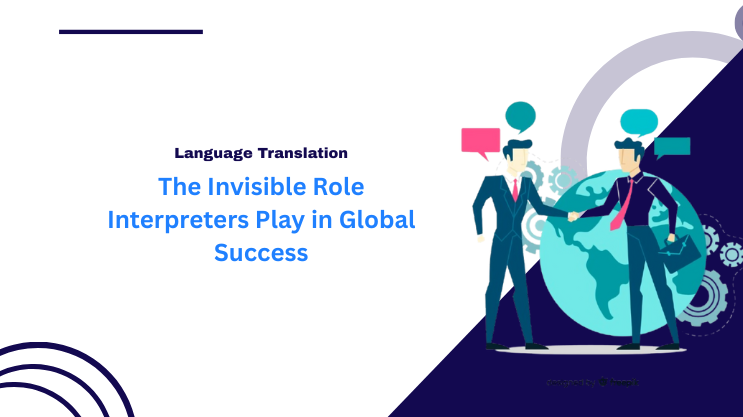
    The Invisible Role Interpreters Play in Global Success

    In global business, diplomacy, healthcare, and international events, smooth communication often appears effortless. Behind that seamless interaction lies the invisible role of professional interpreters. While they may not always be in the spotlight, interpreters are essential to ensuring understanding, trust, and successful outcomes across languages and cultures.

    1. Bridging Real-Time Language Gaps

    Interpreters enable instant communication between speakers of different languages. In meetings, negotiations, conferences, and emergency situations, they ensure messages are conveyed accurately and without delay.

    Why it matters:

    • Eliminates communication barriers
    • Prevents costly misunderstandings
    • Enables smooth decision-making

    2. Preserving Meaning, Tone, and Intent

    Effective interpretation goes beyond literal translation. Interpreters capture tone, emotion, and cultural context, ensuring that speakers are truly understood-not just heard.

    Impact:

    • Maintains clarity and nuance
    • Supports respectful dialogue
    • Strengthens mutual understanding

    3. Supporting High-Stakes Conversations

    From legal proceedings and medical consultations to international negotiations, interpreters operate in environments where accuracy is critical. Their expertise directly influences outcomes and trust.

    Key benefits:

    • Reduced risk in sensitive discussions
    • Improved confidence among participants
    • Better-informed decisions

    4. Enabling Inclusive Global Experiences

    At global conferences, summits, and corporate events, interpreters ensure that all participants can engage fully, regardless of language. This inclusivity fosters collaboration and shared success.

    Results include:

    • Broader participation
    • Enhanced engagement
    • Positive global experiences

    5. Driving Global Success Behind the Scenes

    Interpreters are strategic enablers of global success. By facilitating understanding and connection, they help businesses expand, partnerships thrive, and international initiatives succeed.

    Long-term impact:

    • Stronger global relationships
    • Increased trust and credibility
    • Sustainable international growth

    Conclusion

    Interpreters may work quietly behind the scenes, but their impact on global success is profound. By bridging languages, preserving meaning, and supporting critical conversations, they make international collaboration possible. Recognizing the invisible role of interpreters is recognizing a key pillar of global communication.

  • The Role of Language Services in Global Crisis Communication

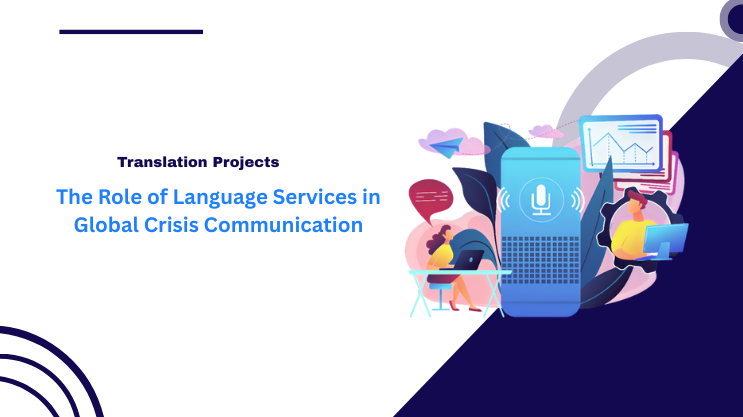
    The Role of Language Services in Global Crisis Communication

    In times of global crises, clear and accurate communication is critical for organizations to maintain trust, provide timely information, and coordinate effective responses. Language services, including translation, interpretation, and localization, play a pivotal role in ensuring messages reach diverse audiences quickly and accurately. By bridging language barriers, these services help organizations manage risks, protect reputations, and deliver essential guidance worldwide.

    1. Ensuring Accurate Information Dissemination

    During a crisis, miscommunication can lead to confusion, panic, or misinformation. Professional translation and interpretation services ensure that official updates, instructions, and alerts are conveyed accurately in multiple languages, maintaining clarity for all stakeholders.

    2. Reaching Global Audiences Effectively

    Global crises often impact people across different regions and linguistic groups. Language services enable organizations to communicate critical information to employees, customers, partners, and the public, ensuring no audience is left uninformed.

    3. Supporting Emergency Response Coordination

    Accurate multilingual communication is essential for coordinating international relief efforts, logistics, and emergency operations. Language services facilitate collaboration among governments, NGOs, and corporate teams across borders.

    4. Protecting Brand Reputation and Public Trust

    Organizations that communicate effectively in multiple languages during crises demonstrate responsibility and empathy. Clear, culturally sensitive messaging helps preserve brand reputation, maintain public trust, and mitigate potential backlash.

    5. Adapting Messages for Cultural Sensitivity

    Crisis communication requires not only accuracy but also cultural awareness. Language experts localize messages to respect cultural norms and communication styles, ensuring that guidance is well-received and actionable.

    6. Real-Time Interpretation for Press Conferences and Briefings

    During rapidly evolving situations, real-time interpretation enables international media, stakeholders, and audiences to access updates instantly. This facilitates transparency and strengthens the credibility of the organization’s response.

    7. Translating Digital and Social Media Content

    Digital platforms are critical for crisis communication. Multilingual translation of websites, social media posts, emails, and alerts ensures timely information reaches global audiences wherever they are.

    8. Preparing Crisis Communication Plans in Multiple Languages

    Proactive preparation of multilingual crisis communication templates and strategies allows organizations to respond quickly and efficiently, minimizing delays and ensuring consistent messaging across all regions.

    In conclusion, language services are indispensable for effective global crisis communication. By delivering accurate, culturally sensitive, and timely messages, organizations can manage emergencies more effectively, safeguard public trust, and maintain operational continuity across international markets.

  • Why Strong Writing Still Wins in an AI-Flooded Internet

    Why Strong Writing Still Wins in an AI-Flooded Internet

    The internet is experiencing an unprecedented surge of AI-generated content. Blogs, emails, ads, and social posts can now be produced in seconds. While this has increased speed and volume, it has also raised an important question: Does strong writing still matter?
    The answer is a clear yes. In an AI-flooded digital space, strong writing stands out more than ever.

    1. Authenticity Cuts Through the Noise

    AI can generate content quickly, but it often lacks genuine perspective and lived experience. Strong writing reflects human thought, emotion, and intention-qualities that audiences instantly recognize and trust.

    Why it matters:

    • Builds credibility and authenticity
    • Creates real connection with readers
    • Differentiates brands from generic content

    2. Clarity and Purpose Drive Impact

    Great writing isn’t about more words-it’s about the right words. Human writers understand context, audience intent, and communication goals, ensuring content is clear, focused, and meaningful.

    Impact:

    • Stronger messaging
    • Better reader understanding
    • Higher engagement

    3. Emotional Intelligence Can’t Be Automated

    Persuasive and memorable content appeals to emotion as much as logic. Strong writers know how to use tone, pacing, and storytelling to evoke emotion-something AI can imitate but not truly feel.

    Result:

    • Deeper audience connection
    • Increased trust and loyalty
    • Higher conversion potential

    4. Strategic Thinking Sets Writing Apart

    Effective writing supports business goals-branding, marketing, education, or conversion. Human writers think strategically, shaping content to align with long-term objectives rather than just filling space.

    Business value:

    • Purpose-driven content
    • Consistent brand voice
    • Measurable results

    5. Quality Builds Authority and Longevity

    AI-generated content often prioritizes speed over substance. Strong writing, on the other hand, remains relevant, informative, and valuable over time, helping brands establish authority in their field.

    Long-term benefits:

    • Higher content credibility
    • Improved search performance
    • Sustainable audience growth

    Conclusion

    In an internet saturated with AI-generated content, strong writing is no longer optional-it is a competitive advantage. Authenticity, clarity, emotional intelligence, and strategic thinking are qualities that continue to set human-written content apart. While AI is a powerful tool, strong writing still wins because people connect with people, not algorithms.

  • Why Cultural Context Matters in Multilingual Advertising

    Why Cultural Context Matters in Multilingual Advertising

    Advertising to global audiences requires more than simply translating words. Cultural context plays a critical role in ensuring that messages resonate, evoke the intended emotions, and avoid misunderstandings. Multilingual advertising that respects local culture strengthens brand perception, builds trust, and drives engagement in international markets.

    1. Avoiding Miscommunication and Misinterpretation

    Literal translations can lead to confusing or offensive messaging. Understanding cultural norms, idioms, and values ensures that advertising communicates the intended message accurately and avoids potential backlash.

    2. Connecting Emotionally with Local Audiences

    Cultural adaptation allows brands to appeal to local emotions, humor, and traditions. When advertising reflects familiar cultural elements, audiences feel understood and are more likely to engage with the brand.

    3. Aligning Visuals with Cultural Preferences

    Colors, imagery, and design elements have different meanings across cultures. Localizing visuals ensures that advertisements are culturally appropriate, visually appealing, and reinforce the brand’s message.

    4. Tailoring Messaging to Local Values and Beliefs

    Cultural values influence how audiences perceive products and services. Ads that align with local beliefs and priorities demonstrate respect and relevance, improving credibility and brand trust.

    5. Enhancing Campaign Effectiveness Across Markets

    Culturally aware advertising campaigns achieve higher engagement, recall, and conversion rates. Adapting slogans, promotions, and storytelling for each market ensures that campaigns resonate and deliver results.

    6. Strengthening Brand Identity Globally

    Brands that demonstrate cultural sensitivity are perceived as professional and trustworthy. Multilingual advertising that integrates local context helps maintain a consistent yet locally relevant global brand image.

    7. Navigating Legal and Social Considerations

    Different regions have varying advertising regulations and social norms. Understanding cultural context helps brands avoid legal issues and ensures messaging adheres to regional standards.

    8. Building Long-Term Customer Loyalty

    Culturally sensitive advertising fosters trust and connection with local audiences. Customers are more likely to remain loyal to brands that understand and respect their culture, creating long-term engagement and advocacy.

    In conclusion, cultural context is essential for successful multilingual advertising. By adapting language, visuals, and messaging to local norms and values, brands can avoid missteps, connect emotionally, and strengthen their global presence while driving meaningful results.

  • The Language Problem Every Growing Brand Eventually Faces

    The Language Problem Every Growing Brand Eventually Faces

    Growth is the goal of every ambitious brand. New markets, new customers, and new opportunities signal success. But as brands expand beyond borders, they inevitably encounter a challenge that can slow momentum if left unaddressed-the language problem. How a brand responds to this challenge often determines whether growth continues smoothly or stalls.

    1. Growth Brings Linguistic Complexity

    As brands enter new regions, they must communicate with audiences who speak different languages and follow different cultural norms. What once worked in a single-language market may no longer resonate globally.

    Common challenges include:

    • Inconsistent messaging across languages
    • Misinterpretation of brand values
    • Communication gaps with customers and partners

    2. Translation Alone Is Not Enough

    Many growing brands initially rely on quick or literal translations. However, word-for-word translation often fails to capture tone, emotion, and intent-leading to content that feels disconnected or unnatural.

    Why this matters:

    • Brand voice gets diluted
    • Messages lose emotional impact
    • Customer trust may decline

    3. Customer Experience Suffers First

    The language problem becomes most visible in customer-facing interactions-websites, apps, support, and marketing. When customers struggle to understand or relate to content, engagement and loyalty drop.

    Impact on business:

    • Lower conversion rates
    • Increased customer frustration
    • Reduced brand credibility

    4. Scaling Without a Language Strategy Is Risky

    Without a clear multilingual communication strategy, brands face operational inefficiencies, repeated errors, and increased costs. Language becomes a bottleneck instead of a growth enabler.

    Strategic risks include:

    • Inconsistent brand messaging
    • Compliance and legal issues
    • Slower market expansion

    5. Turning the Language Problem into a Competitive Advantage

    Forward-thinking brands address the language problem early by investing in professional translation, localization, and linguistic strategy. This transforms language from an obstacle into a powerful growth tool.

    Long-term benefits:

    • Consistent global brand voice
    • Stronger customer relationships
    • Sustainable international growth

    Conclusion

    The language problem is not a sign of failure-it’s a sign of growth. Brands that recognize and address it strategically are better equipped to connect with global audiences, protect their brand identity, and scale successfully. In a multilingual world, language isn’t just a challenge-it’s an opportunity.

  • Why Translation Without DTP Breaks Brand Consistency

    Why Translation Without DTP Breaks Brand Consistency

    In global communication, translation is often treated as a text-only task. However, when translated content is not paired with proper Desktop Publishing (DTP), brand consistency can quickly fall apart. Language and design are inseparable-ignoring this connection can dilute brand identity, reduce clarity, and weaken audience trust.

    1. Translation and Design Must Work Together

    Translation changes text length, structure, and reading flow. Without DTP, translated content may not fit properly into the original layout, leading to misalignment, awkward spacing, or truncated text.

    Why this matters:

    • Preserves visual balance and readability
    • Ensures accurate placement of translated content
    • Maintains professional presentation

    2. Brand Visual Identity Gets Compromised

    Fonts, colors, spacing, and layouts are core elements of brand identity. When translated content is inserted without proper DTP adjustment, these elements may be altered or ignored, resulting in inconsistent branding.

    Impact on branding:

    • Inconsistent fonts and typography
    • Distorted layouts and visuals
    • Loss of brand recognition

    3. Poor Readability Affects User Experience

    Different languages have different reading patterns. Without DTP, translated documents may be difficult to read or visually overwhelming, reducing engagement and comprehension.

    User experience risks:

    • Text overflow or compression
    • Misaligned headings and captions
    • Confusing or cluttered layouts

    4. Multilingual Content Requires Layout Localization

    Languages vary in direction, length, and formatting. DTP ensures that layouts are adapted correctly for each language while preserving the original design intent.

    DTP supports:

    • Right-to-left and left-to-right layouts
    • Correct line breaks and spacing
    • Consistent formatting across languages

    5. Professional Translation Is More Than Words

    True localization combines accurate translation with professional DTP to deliver content that looks and feels native in every language. This integrated approach protects brand integrity and strengthens global communication.

    Business advantage:

    • Consistent brand image worldwide
    • Higher content credibility
    • Stronger global audience trust

    Conclusion

    Translation without DTP is incomplete. While words may be accurate, poor presentation can undermine brand consistency and professionalism. By combining translation with expert DTP services, businesses ensure their multilingual content is not only correct-but also visually consistent, readable, and on-brand across all markets.

  • Translation and Localization Challenges in Emerging Technologies

    Translation and Localization Challenges in Emerging Technologies

    Emerging technologies like AI, IoT, VR/AR, and blockchain are transforming industries worldwide. As these technologies reach global markets, translation and localization become critical for adoption, usability, and user satisfaction. However, these innovative platforms present unique challenges for linguists and localization experts, requiring specialized strategies to ensure accurate and culturally relevant communication.

    1. Rapidly Evolving Terminology

    Emerging technologies introduce new concepts and jargon regularly. Translators must keep up with constantly changing terminology to maintain accuracy and consistency across languages and platforms.

    2. Technical Complexity and Precision

    Innovative technologies often involve complex instructions, interfaces, or protocols. Localization requires a deep understanding of technical details to ensure that translations convey precise meaning without causing confusion or errors.

    3. Multimodal Content Adaptation

    Emerging tech platforms use text, audio, video, and interactive elements. Translators must adapt content across multiple formats, ensuring consistency in messaging while maintaining usability and user experience.

    4. Cultural Sensitivity in User Interfaces

    Technologies like AI assistants or VR environments need culturally appropriate UI/UX design. Symbols, gestures, colors, and examples must be localized to avoid misinterpretation and enhance user engagement.

    5. Integration with AI and Machine Translation Tools

    While AI can accelerate localization, emerging technologies often require context-aware translation that machines alone cannot provide. Human oversight is necessary to ensure clarity, tone, and cultural relevance.

    6. Ensuring Compliance and Legal Accuracy

    Emerging tech often involves sensitive data, privacy regulations, and regional compliance requirements. Translating legal disclaimers, user agreements, and safety instructions accurately is critical to avoid legal and ethical risks.

    7. Handling Multilingual Voice and Speech Interfaces

    Voice-controlled AI, IoT devices, and virtual assistants require precise speech translation and recognition in multiple languages. Dialects, accents, and idiomatic expressions pose challenges for accurate voice localization.

    8. Maintaining Consistency Across Global Platforms

    Emerging tech products often span multiple regions and platforms. Consistent terminology, tone, and messaging across apps, devices, and documentation are vital for brand trust and user satisfaction.

    In conclusion, translation and localization in emerging technologies face unique challenges due to technical complexity, cultural nuances, and evolving language needs. Combining skilled human translators with AI-powered tools and careful quality control ensures that innovative products are accessible, understandable, and engaging for global users.

  • Why Multilingual Voice Over Feels More Trustworthy Than Subtitles

    Why Multilingual Voice Over Feels More Trustworthy Than Subtitles

    As global content consumption grows, brands and creators must decide how best to communicate across languages. While subtitles are widely used, multilingual voice over often feels more trustworthy and engaging to audiences. The human voice adds emotion, clarity, and cultural familiarity-elements that subtitles alone cannot fully deliver.

    1. The Human Voice Builds Immediate Trust

    Hearing information in one’s native language creates an instant sense of comfort and credibility. Voice over allows audiences to focus on the message without the effort of reading, fostering a more natural and personal connection.

    Why this matters:

    • Creates emotional resonance
    • Feels conversational and human
    • Builds confidence in the message

    2. Improves Comprehension and Retention

    Not all viewers read at the same speed or proficiency level. Voice over ensures that information is delivered clearly and evenly, reducing the risk of misinterpretation.

    Key benefits:

    • Easier understanding of complex ideas
    • Better message retention
    • Inclusive for wider audiences

    3. Enhances Cultural Familiarity

    Professional multilingual voice over uses local accents, tone, and expressions that resonate with regional audiences. This cultural alignment makes content feel authentic rather than foreign.

    Impact:

    • Stronger local connection
    • Higher engagement levels
    • Greater audience acceptance

    4. Reduces Cognitive Load

    Reading subtitles while watching visuals requires multitasking. Voice over allows viewers to fully engage with visuals while absorbing the message naturally through audio.

    Result:

    • More immersive experience
    • Improved viewer attention
    • Stronger emotional impact

    5. Strengthens Brand Credibility

    Brands that invest in professional multilingual voice over demonstrate commitment to quality and audience experience. This attention to detail reinforces trust and professionalism.

    Brand advantages:

    • Premium content perception
    • Enhanced brand trust
    • Improved global brand image

    Conclusion

    While subtitles are useful, multilingual voice over delivers a more immersive, trustworthy, and human experience. By speaking directly to audiences in their native language, brands build stronger emotional connections, improve comprehension, and elevate their global content strategy. In a world driven by connection, the power of voice should never be underestimated.

  • Why Audiences Instantly Reject Poor Voice Overs

    Why Audiences Instantly Reject Poor Voice Overs

    In an age dominated by video, audio, and multimedia content, voice overs play a crucial role in capturing attention and conveying meaning. A poorly executed voice over can instantly turn audiences away-regardless of how strong the visuals or message may be. Understanding why audiences reject poor voice overs highlights the importance of investing in quality, especially for global and multilingual content.

    1. First Impressions Are Made in Seconds

    Audiences form opinions almost immediately. An unnatural, monotonous, or poorly paced voice over creates a negative first impression and reduces credibility from the start.

    Why it matters:

    • Viewers disengage quickly
    • Message loses impact
    • Brand credibility is weakened

    2. Lack of Emotional Connection

    A strong voice over conveys emotion, intent, and personality. Poor voice overs often sound robotic, flat, or disconnected, making it difficult for audiences to emotionally engage with the content.

    Impact:

    • Reduced viewer interest
    • Lower emotional resonance
    • Weak storytelling

    3. Poor Pronunciation and Clarity

    Mispronounced words, incorrect accents, or unclear diction disrupt understanding-especially for multilingual or international audiences. This leads to frustration and confusion.

    Audience reaction:

    • Difficulty following the message
    • Loss of trust in the content
    • Decreased retention

    4. Mismatch Between Voice and Content

    The wrong voice can undermine even the best script. A tone that doesn’t align with the message—too casual, too formal, or culturally inappropriate-creates disconnect and discomfort.

    Consequences include:

    • Confusing brand identity
    • Inconsistent messaging
    • Audience rejection

    5. Perception of Low Quality and Unprofessionalism

    Audiences associate poor voice overs with low production value. This perception can reflect badly on the brand, product, or service being promoted.

    Brand impact:

    • Reduced credibility
    • Negative brand perception
    • Lower engagement and conversions

    Conclusion

    Audiences reject poor voice overs because they disrupt clarity, emotion, and trust. A professional voice over enhances storytelling, strengthens brand image, and ensures the message resonates. In a world where attention is limited, investing in quality voice overs is not optional-it’s essential.