Author: admin

  • Multilingual UX Translating Color Psychology Across Cultures

    In global digital products, user experience goes far beyond language. Colors play a powerful psychological role in how users perceive brands, interfaces, and actions. When products are designed for multilingual audiences, translating color psychology across cultures becomes just as important as translating text. What feels positive in one culture may send the wrong message in another.


    Why Color Psychology Matters in Multilingual UX

    1. Emotional Impact: Colors trigger emotions that influence user behavior and decision-making.
    2. Cultural Meaning: The same color can represent trust, danger, celebration, or mourning depending on the region.
    3. Brand Perception: Color choices shape how global users perceive credibility and professionalism.
    4. User Actions: Buttons, alerts, and calls-to-action rely heavily on color to guide users.

    How Color Meanings Differ Across Cultures

    • Red: Represents danger or urgency in Western cultures, but symbolizes luck and prosperity in many Asian countries.
    • White: Associated with purity in some regions, while linked to mourning in others.
    • Green: Often signals success or eco-friendliness, but may carry religious or political meaning in certain cultures.
    • Blue: Commonly conveys trust and stability, yet can feel cold or distant in specific markets.

    Understanding these differences is essential when designing multilingual user interfaces.


    Challenges in Translating Color Psychology

    • One-Design-Fits-All Approach: Global products often reuse the same color palette without cultural adaptation.
    • Brand Consistency vs Localization: Balancing brand identity with cultural sensitivity can be complex.
    • Accessibility Requirements: Color contrast and visibility standards vary across regions and users.
    • Emotional Misalignment: Poor color choices can reduce trust or confuse users despite accurate language translation.

    Best Practices for Multilingual UX Color Localization

    1. Research Cultural Associations: Study how colors are perceived in target markets before design implementation.
    2. Collaborate with Local Experts: UX designers, translators, and cultural consultants should work together.
    3. Localize UI Elements Selectively: Adapt colors for alerts, CTAs, and symbols while maintaining brand identity.
    4. Test with Regional Users: Conduct usability testing to validate emotional and behavioral responses.
    5. Document Design Guidelines: Maintain localized UX style guides alongside language glossaries.

    Tools Supporting Multilingual UX Localization

    • UX Research Platforms: Gather regional user feedback on design and color perception.
    • Design Systems with Localization Layers: Allow flexible color variations by market.
    • Translation & Localization Tools: Align language, visuals, and cultural context.
    • Accessibility Testing Tools: Ensure inclusive design across languages and cultures.

    Conclusion

    Multilingual UX is not just about translating words—it’s about translating experiences. Color psychology plays a critical role in how global users feel, trust, and interact with digital products. By thoughtfully adapting colors across cultures, businesses can create intuitive, emotionally resonant experiences that truly connect with international audiences.

    Multilingual UX, color psychology in UX, UX localization, cross-cultural design, global user experience, design localization, Honey Translation Services.
  • Why Navigation Menus Need Localization for Global Audiences

    Why Navigation Menus Need Localization for Global Audiences

    Navigation menus are one of the most critical elements of any digital product. They guide users, shape first impressions, and influence how easily visitors find information. For global audiences, simply translating menu labels is not enough. Navigation menus must be localized to reflect language structure, cultural expectations, and user behavior in different regions.


    What Is Navigation Menu Localization?

    Navigation menu localization goes beyond translating words. It involves adapting menu structure, terminology, layout, and hierarchy to suit local users. This ensures that global visitors can navigate websites or apps intuitively, without confusion or frustration.


    Why Localized Navigation Menus Matter

    1. Improved Usability: Users can find content faster when menu labels feel natural in their language.
    2. Better User Experience (UX): Localized menus reduce cognitive load and improve overall satisfaction.
    3. Higher Engagement: Visitors are more likely to explore content when navigation is clear and familiar.
    4. Increased Conversions: Easy navigation leads to better completion of actions such as sign-ups or purchases.
    5. Stronger Brand Trust: Thoughtful localization signals respect for local audiences.

    Challenges in Localizing Navigation Menus

    • Space Constraints: Some languages require more characters than others, affecting layout and design.
    • Different Reading Patterns: Left-to-right vs right-to-left languages impact menu alignment and flow.
    • Cultural Categorization: Content grouping may differ by region or user expectation.
    • Consistency Across Platforms: Websites, apps, and mobile interfaces must align in all languages.

    Best Practices for Navigation Menu Localization

    1. Focus on User Intent: Translate based on meaning and usability, not word-for-word accuracy.
    2. Work with Native Linguists: Native experts understand local terminology and browsing behavior.
    3. Test with Local Users: Validate menu clarity through usability testing in target markets.
    4. Allow Flexible Design: Build UI that accommodates text expansion and layout changes.
    5. Maintain Terminology Consistency: Use glossaries and style guides for uniform menu labels.

    Tools That Support Menu Localization

    • Translation Management Systems (TMS): Manage multilingual UI text efficiently.
    • In-Context Review Tools: Allow linguists to see menus in real UI layouts.
    • UX Testing Platforms: Evaluate navigation effectiveness across regions.
    • Glossaries & Style Guides: Maintain consistent terminology across interfaces.

    Conclusion

    Navigation menus play a crucial role in shaping global user experiences. Without proper localization, even well-designed websites can confuse or frustrate international users. By investing in professional navigation menu localization, businesses can improve usability, build trust, and drive engagement across global markets.

    Navigation menu localization, website localization, global UX, UI localization, multilingual navigation, user experience localization, Honey Translation Services.


  • Translating Interactive Elements for Cross-Cultural Websites

    Translating Interactive Elements for Cross-Cultural Websites

    As websites evolve into dynamic, interactive experiences, translation must go beyond static text. Interactive elements-such as buttons, forms, pop-ups, chatbots, and navigation cues-play a critical role in how users engage with a website. For cross-cultural audiences, accurately translating and localizing these elements is essential to deliver intuitive, user-friendly digital experiences worldwide.


    What Are Interactive Website Elements?

    Interactive elements are components that respond to user actions and guide behavior. These include:

    • Call-to-action buttons (e.g., “Get Started,” “Subscribe Now”)
    • Forms and field instructions
    • Error messages and alerts
    • Chatbots and live-chat responses
    • Tooltips, dropdowns, and navigation menus

    These elements directly influence usability, conversions, and user satisfaction.


    Why Translating Interactive Elements Matters

    1. Improves User Experience: Clear, localized interactions reduce confusion and friction.
    2. Boosts Engagement: Users are more likely to interact when elements feel familiar and culturally appropriate.
    3. Increases Conversion Rates: Well-translated CTAs encourage action and trust.
    4. Ensures Accessibility: Localized instructions help diverse users navigate with ease.

    Challenges in Cross-Cultural Website Translation

    • Space Limitations: UI elements often restrict text length, requiring concise yet meaningful translations.
    • Tone and Formality: Cultural expectations vary regarding politeness and directness.
    • Reading Direction: Languages such as Arabic or Hebrew require right-to-left layouts.
    • Context Sensitivity: Without visual context, interactive text can be misinterpreted.

    Best Practices for Translating Interactive Elements

    1. Provide Visual Context: Share screenshots or prototypes with translators for clarity.
    2. Focus on Localization, Not Literal Translation: Adapt CTAs and instructions to local behavior and preferences.
    3. Maintain Consistent Terminology: Use glossaries and style guides across all UI components.
    4. Test with Local Users: Conduct usability testing in target markets to ensure effectiveness.
    5. Plan for Scalability: Design flexible UI layouts that accommodate language expansion.

    Tools That Support Interactive Element Translation

    • Translation Management Systems (TMS): Manage UI content updates efficiently.
    • In-Context Review Tools: Allow translators to see text within the live interface.
    • Glossaries and Style Guides: Maintain consistent tone and terminology.
    • Localization QA Tools: Detect UI breaks, truncation, or layout issues.

    Conclusion

    Translating interactive elements is a vital part of creating successful cross-cultural websites. By focusing on clarity, cultural relevance, and usability, businesses can deliver seamless digital experiences that engage global users. Investing in professional localization ensures that every interaction-no matter how small-supports trust, accessibility, and conversion across markets.

    Interactive element translation, website localization, cross-cultural web design, UI localization, UX translation, multilingual websites, Honey Translation Services.


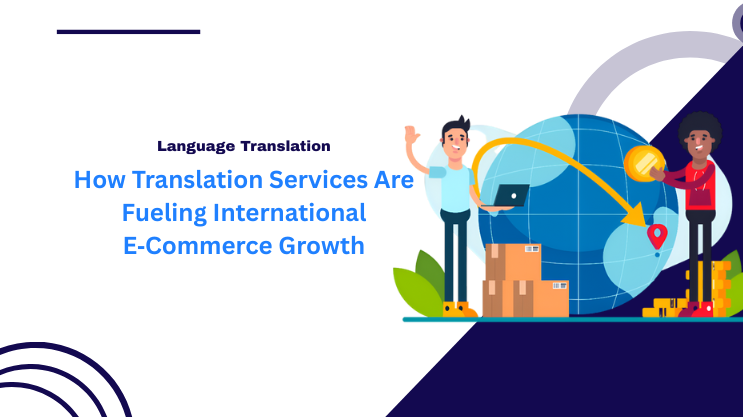
  • How Translation Services Are Fueling International E‑Commerce Growth

    How Translation Services Are Fueling International E‑Commerce Growth

    The digital marketplace has erased borders. Today, consumers can browse, compare, and buy products from anywhere in the world. For e‑commerce brands, this global reach presents enormous opportunities-but only if customers can understand and trust your content. This is where translation services play a pivotal role.

    By bridging language barriers, translation is not just a support function-it has become a key driver of international e‑commerce growth.

    The Global E-Commerce Opportunity

    E-commerce sales continue to surge worldwide. Markets that were previously inaccessible are now open to small and large businesses alike. However, entering a new market isn’t just about listing products online-it’s about speaking the local language.

    Studies show that over 70% of consumers are more likely to buy from websites in their native language, and more than 50% rarely or never purchase from English-only sites in non-English-speaking countries.

    Without translation, brands risk leaving revenue-and customers-on the table.

    Translation: More Than Words

    Translation services go beyond literal word-for-word conversion. High-quality translation ensures:

    • Cultural relevance: Messaging aligns with local norms and expectations
    • Clear communication: Product descriptions, instructions, and policies are easy to understand
    • Brand consistency: Tone, voice, and values remain intact across markets

    By localizing content, e-commerce businesses can create trust and credibility, which are critical for online purchases.

    Key Areas Where Translation Drives E-Commerce Growth

    1. Product Listings and Descriptions
      Accurate, persuasive translations increase customer confidence and reduce returns.
    2. Marketing Campaigns and Ads
      Multilingual marketing ensures promotions resonate with local audiences, boosting engagement and conversions.
    3. Customer Support and Chatbots
      Offering multilingual support improves satisfaction and loyalty, which drives repeat purchases.
    4. Terms, Policies, and FAQs
      Clear, understandable legal and transactional content reduces misunderstandings and compliance risks.
    5. SEO and Local Search Optimization
      Translating keywords, meta descriptions, and product titles improves visibility in local search engines.

    Translation Services as a Growth Engine

    The brands that thrive internationally are those that treat translation as a strategic investment, not just an operational task. By integrating professional translation services:

    • Revenue grows through broader market reach
    • Customer retention improves via personalized experiences
    • Brand reputation strengthens in new markets
    • Operational efficiency increases by reducing errors and miscommunication

    In short, translation services fuel sustainable global growth.

    Real-World Impact: Case in Point

    Consider an online fashion retailer expanding to multiple countries. Translating product listings, sizing charts, and promotional campaigns allowed them to increase sales by over 60% in new markets within a year, while also reducing return rates.

    This demonstrates that accurate, culturally sensitive translation directly correlates with revenue and customer satisfaction.

    Final Thoughts

    International e-commerce isn’t just about shipping products worldwide-it’s about communicating effectively in every market. Translation services transform language barriers into opportunities, helping brands connect, convert, and thrive globally.

    In a borderless digital marketplace, translation isn’t optional-it’s a competitive advantage.

  • Voice‑over, Subtitles, and More: The Future of Multimedia Translation

    Voice‑over, Subtitles, and More: The Future of Multimedia Translation

    Video has become the world’s most powerful language. From marketing campaigns and e-learning platforms to entertainment and social media, multimedia content now drives global communication. But reaching international audiences requires more than visuals alone-it demands accurate, culturally resonant multimedia translation.

    Voice-over, subtitles, and emerging localization methods are shaping the future of how content travels across borders.

    The Rise of Multimedia-First Communication

    Audiences today consume content faster, shorter, and more visually than ever before. As a result, businesses are investing heavily in video, audio, and interactive media.

    This shift has made multimedia translation essential for:

    • Global marketing and branding
    • Online education and training
    • Streaming and entertainment
    • Corporate communication
    • Social media and short-form content

    Language accessibility is no longer optional—it’s a growth strategy.

    Voice-Over: Giving Content a Local Voice

    Voice-over brings content to life by allowing audiences to hear messages in their own language. When done right, it feels natural, emotional, and trustworthy.

    Modern voice-over focuses on:

    • Native-speaker talent
    • Appropriate tone, pacing, and emotion
    • Cultural relevance in delivery
    • Brand-aligned voice consistency

    The future of voice-over lies in authenticity-not just translation, but performance.

    Subtitles: Precision in Limited Space

    Subtitles are one of the most widely used forms of multimedia translation. They offer accessibility without replacing the original audio and are essential for mobile and silent viewing.

    Effective subtitling requires:

    • Condensed yet accurate translations
    • Perfect timing and synchronization
    • Readability across devices
    • Cultural adaptation of expressions

    As attention spans shrink, subtitles must deliver meaning clearly and quickly.

    Dubbing: Immersion at Scale

    Dubbing goes beyond voice-over by replacing the original dialogue entirely. It is widely used in entertainment, gaming, and children’s content.

    High-quality dubbing depends on:

    • Lip-sync accuracy
    • Emotion and character matching
    • Script adaptation rather than literal translation
    • Skilled sound engineering

    As global streaming expands, demand for premium dubbing continues to rise.

    Beyond Traditional Methods: What’s Next?

    The future of multimedia translation extends beyond voice-over and subtitles.

    Emerging trends include:

    • AI-assisted transcription and translation
    • Hybrid workflows combining AI speed with human quality
    • Interactive and multilingual video content
    • Real-time translation for live events
    • Accessibility-focused localization (captions, audio descriptions)

    Technology accelerates production, but human expertise ensures cultural accuracy.

    The Importance of Cultural Context

    Multimedia translation isn’t just technical-it’s deeply cultural. Humor, tone, gestures, and pacing vary across regions.

    Successful multimedia localization:

    • Adapts jokes, idioms, and references
    • Matches regional expectations
    • Avoids cultural misinterpretations
    • Preserves emotional intent

    This is where translation becomes storytelling.

    Quality as a Competitive Advantage

    With global audiences flooded with content, quality determines impact. Poor audio, awkward subtitles, or mismatched voices can break immersion instantly.

    Investing in professional multimedia translation:

    • Enhances viewer engagement
    • Builds brand credibility
    • Increases retention and reach
    • Improves global user experience

    In the future, audiences won’t tolerate almost right.

    Final Thoughts

    The future of multimedia translation is dynamic, immersive, and audience-centric. Voice-over, subtitles, dubbing, and emerging technologies are no longer separate services-they are part of a unified global communication strategy.

    As multimedia continues to dominate, the brands that succeed will be those that sound local, feel authentic, and communicate clearly-everywhere.

  • How Localization Impacts Customer Onboarding Success

    How Localization Impacts Customer Onboarding Success

    Customer onboarding is the first real interaction users have with a product or service-and first impressions matter. For global businesses, onboarding success depends heavily on localization. When onboarding content is adapted to local languages and cultures, users feel confident, understood, and more likely to stay engaged.


    Why Localization Is Critical for Customer Onboarding

    1. Improves Understanding: Localized onboarding content ensures users clearly understand product features and workflows.
    2. Reduces Drop-Off Rates: Users are less likely to abandon onboarding when instructions feel familiar and accessible.
    3. Builds Immediate Trust: Speaking the customer’s language creates comfort and credibility from the first interaction.
    4. Enhances User Experience: Cultural relevance makes onboarding intuitive and welcoming.

    Key Areas of Onboarding That Require Localization

    • Welcome Messages & Emails: First-touch communication sets the tone for user engagement.
    • Product Tutorials & Walkthroughs: Clear, localized guidance accelerates learning and adoption.
    • UI Microcopy & Tooltips: Small text elements help users navigate confidently.
    • FAQs & Help Content: Localized support reduces customer service dependency.
    • Error Messages & Notifications: Clear explanations prevent frustration during setup.

    Challenges Without Proper Localization

    • Misunderstood instructions and features
    • Increased user frustration and churn
    • Higher support tickets and costs
    • Slower product adoption across regions

    Best Practices for Localizing Customer Onboarding

    1. Start with User Research: Understand cultural expectations and language preferences of each market.
    2. Use Professional Localization Services: Ensure accuracy, tone, and cultural relevance.
    3. Maintain Consistent Brand Voice: Use style guides and glossaries across all onboarding materials.
    4. Test with Local Users: Validate onboarding flows through regional usability testing.
    5. Update Continuously: Keep onboarding content aligned with product updates and user feedback.

    Tools That Support Localized Onboarding

    • Translation Management Systems (TMS): Manage onboarding content across languages efficiently.
    • In-Context Review Platforms: Preview localized content within the actual user interface.
    • Glossaries & Style Guides: Maintain terminology consistency and brand voice.
    • Analytics Tools: Track onboarding completion rates by region and language.

    Conclusion

    Localization plays a vital role in customer onboarding success. By delivering clear, culturally relevant onboarding experiences, businesses can reduce churn, increase engagement, and build long-term customer relationships. Investing in professional localization ensures that every user-regardless of language-starts their journey with confidence and clarity.

    customer onboarding localization, localized onboarding, user onboarding translation, global customer experience, localization services, multilingual onboarding, Honey Translation Services.


  • Translating Error Messages A UX Perspective

    Translating Error Messages A UX Perspective

    Error messages are often the most overlooked elements of user experience, yet they play a critical role in guiding users when something goes wrong. For global digital products, translating error messages is not just a linguistic task-it’s a UX challenge. Well-localized error messages can reduce frustration, improve usability, and build trust across languages and cultures.


    Why Error Message Translation Matters in UX

    1. Reduces User Frustration: Clear, localized error messages help users understand what went wrong and how to fix it.
    2. Improves Task Completion: Actionable guidance encourages users to continue rather than abandon the process.
    3. Builds Trust: Polite, culturally appropriate messaging reflects professionalism and empathy.
    4. Supports Accessibility: Inclusive language ensures all users can understand system feedback.

    UX Challenges in Translating Error Messages

    • Limited Character Space: Error messages must be concise while remaining clear in all languages.
    • Tone and Politeness Levels: Cultural norms vary in how errors should be communicated.
    • Technical Terminology: Translating system or backend terms into user-friendly language is essential.
    • Context Loss: Without UI context, translations may sound confusing or abrupt.

    UX-Driven Best Practices for Translating Error Messages

    1. Focus on Clarity Over Literal Translation: Prioritize user understanding instead of word-for-word accuracy.
    2. Maintain a Helpful Tone: Use empathetic, non-blaming language that guides users toward a solution.
    3. Provide Clear Next Steps: Localized error messages should explain how to resolve the issue.
    4. Use Consistent Terminology: Apply glossaries and style guides for uniform messaging across the product.
    5. Test with Real Users: Validate translations through usability testing in target markets.

    The Role of Localization in Error Messaging

    Localization adapts error messages to cultural expectations, reading patterns, and language structure. For example, some cultures prefer indirect phrasing, while others expect direct instructions. Proper localization ensures error messages feel natural and respectful in every language.


    Tools That Support UX-Focused Error Message Translation

    • Translation Management Systems (TMS): Manage short UI strings efficiently.
    • In-Context Translation Tools: Allow translators to see error messages within the interface.
    • Glossaries and Style Guides: Maintain consistent tone and terminology.
    • UX Writing Guidelines: Align error messages with overall product voice.

    Conclusion

    From a UX perspective, translating error messages is about empathy, clarity, and usability-not just language. Thoughtfully localized error messages help users recover quickly, reduce friction, and improve overall satisfaction. By combining UX principles with professional translation, digital products can deliver a smooth, user-friendly experience to global audiences.

    Error message translation, UX localization, UI text translation, multilingual UX design, software localization, user experience translation, Honey Translation Services.



  • How Multilingual Data Analysis Improves Global Decision-Making

    How Multilingual Data Analysis Improves Global Decision-Making

    In a data-driven global economy, organizations collect vast amounts of information from customers, markets, and operations across different regions and languages. Multilingual data analysis enables businesses to unlock insights from diverse linguistic sources, helping leaders make informed, accurate, and timely decisions. By analyzing data beyond language barriers, organizations gain a clearer understanding of global trends and customer behavior.

    1. Consolidating Data from Multiple Regions

    Multilingual data analysis allows organizations to gather and process information from various markets in different languages. This consolidated view provides decision-makers with a comprehensive understanding of global performance and regional variations.

    2. Understanding Local Customer Sentiment

    Analyzing reviews, feedback, surveys, and social media content in native languages reveals authentic customer sentiment. This insight helps businesses identify preferences, pain points, and expectations across different markets.

    3. Improving Market Forecasting Accuracy

    When data from all regions is analyzed in its original language, predictions become more accurate. Multilingual insights support better forecasting, risk assessment, and strategic planning for global expansion.

    4. Enhancing Product and Service Optimization

    Localized data highlights how products and services perform in specific regions. Businesses can refine features, pricing, and offerings based on region-specific insights, improving overall competitiveness.

    5. Supporting Smarter Marketing Decisions

    Multilingual analysis of campaign performance and audience behavior enables more effective targeting. Marketers can tailor messaging, channels, and strategies based on language-specific engagement trends.

    6. Identifying Regional Risks and Opportunities

    Analyzing multilingual news, reports, and regulatory updates helps organizations identify emerging risks and opportunities. Early detection supports proactive decision-making and minimizes potential disruptions.

    7. Enabling Inclusive and Balanced Leadership Decisions

    Access to insights from all linguistic regions ensures that leadership decisions are inclusive and data-driven. This balanced perspective prevents bias toward dominant markets and supports equitable global strategies.

    8. Strengthening Competitive Intelligence

    Monitoring competitor activity, customer responses, and market movements in multiple languages provides a competitive edge. Multilingual intelligence helps organizations stay ahead in diverse and fast-moving global markets.

    In conclusion, multilingual data analysis is a powerful tool for improving global decision-making. By transforming language-diverse data into actionable insights, organizations can make smarter decisions, respond effectively to market changes, and drive sustainable growth across international markets.

  • How Cultural Symbols Affect Website Trust and Engagement

    How Cultural Symbols Affect Website Trust and Engagement

    Websites are more than just text and images-they are visual experiences that communicate values, credibility, and intent. Cultural symbols play a subtle but powerful role in shaping how users perceive your brand. Colors, icons, gestures, and imagery can influence trust, usability, and engagement, especially for international audiences. Understanding and adapting these symbols is key to creating websites that resonate globally.


    Why Cultural Symbols Matter in Web Design

    1. Influence User Perception: Symbols carry meaning beyond language and can evoke emotions like trust, comfort, or skepticism.
    2. Enhance Credibility: Appropriate cultural references show respect for local norms and boost confidence in your brand.
    3. Guide User Behavior: Icons, buttons, and visual cues help users navigate effectively when culturally adapted.
    4. Improve Engagement: Websites that feel culturally relevant keep visitors longer, encourage interaction, and increase conversions.

    How Culture Shapes Interpretation of Symbols

    • Colors: Red may signal urgency in one culture but danger in another.
    • Gestures and Icons: Hand gestures or symbols might be positive locally but offensive elsewhere.
    • Images: Clothing, architecture, and people’s expressions influence how users connect with your brand.
    • Typography and Layout: Reading direction, spacing, and font style can impact comprehension and comfort.

    Challenges in Global Website Symbol Design

    • Misinterpretation of images or icons
    • Conflicting meanings of colors across cultures
    • Limited understanding of regional customs or taboos
    • Inconsistent branding across multilingual websites

    Best Practices for Using Cultural Symbols Effectively

    1. Research Local Culture: Understand the symbolic meanings of colors, gestures, and imagery in each target market.
    2. Use Universal Symbols Where Possible: Icons like magnifying glasses for search or envelopes for email are widely recognized.
    3. Test with Local Users: Conduct usability testing in target regions to ensure symbols convey the intended message.
    4. Maintain Brand Consistency: Adapt visuals without losing brand identity.
    5. Combine Symbols with Clear Text: Support visuals with localized text to reinforce meaning.

    Tools to Help Optimize Cultural Symbols

    • Localization Services: Provide guidance on cultural adaptation of website visuals.
    • UX Research Platforms: Test visual elements with international audiences.
    • Design Guidelines & Style Guides: Maintain visual consistency while adapting culturally.
    • Analytics Tools: Track engagement and behavior across regions to refine symbol usage.

    Conclusion

    Cultural symbols are a vital part of web design, influencing trust, engagement, and user behavior. For global websites, understanding and adapting symbols ensures users feel recognized, respected, and connected. By combining cultural research with professional localization, brands can create websites that resonate across borders, foster trust, and drive meaningful engagement.

    Cultural symbols in web design, website localization, global UX, international website engagement, cross-cultural design, multilingual website trust, Honey Translation Services.


  • Medical & Healthcare Translation: A Critical Bridge in Global Patient Care

    Medical & Healthcare Translation: A Critical Bridge in Global Patient Care

    Healthcare knows no borders. Patients travel for treatment, medical research spans continents, and pharmaceutical products reach global markets. In this interconnected system, medical and healthcare translation acts as a critical bridge—connecting patients, providers, and life-saving information across languages.

    Accuracy in this field isn’t just about quality.
    It’s about patient safety, compliance, and trust.

    Why Medical Translation Is Uniquely High-Risk

    Unlike marketing or general content, medical communication leaves no room for interpretation. A single mistranslated term can lead to misdiagnosis, incorrect treatment, or regulatory consequences.

    Medical translation impacts:

    • Patient records and medical histories
    • Clinical trial documentation
    • Prescriptions and dosage instructions
    • Medical device manuals
    • Pharmaceutical labeling
    • Informed consent forms

    Every word matters—because real lives are involved.

    Supporting Global Patient Care Through Language

    Patients understand and follow medical guidance better when it is delivered in their native language. Clear communication improves outcomes, reduces anxiety, and strengthens trust between patients and healthcare providers.

    Effective medical translation helps:

    • Improve patient comprehension and adherence
    • Reduce medical errors caused by miscommunication
    • Support cross-border healthcare services
    • Enable inclusive, patient-centered care

    Language access is no longer optional—it’s a core component of quality healthcare.

    The Role of Subject-Matter Expertise

    Medical translation requires more than linguistic skill. It demands deep subject-matter knowledge and familiarity with medical terminology, anatomy, pharmacology, and clinical practices.

    Professional medical translators:

    • Specialize in specific medical fields
    • Use standardized medical terminology
    • Follow strict quality control processes
    • Stay updated with medical advancements

    This expertise ensures accuracy, consistency, and clarity across all materials.

    Compliance and Regulatory Accuracy

    Healthcare translation must meet stringent international and regional regulations. Regulatory bodies require precise language, consistent terminology, and documented quality processes.

    Medical translation supports compliance with:

    • FDA, EMA, and other regulatory authorities
    • ISO and healthcare quality standards
    • Local health ministry requirements
    • Clinical trial and pharmacovigilance regulations

    Non-compliant translations can delay approvals, recalls, or market entry.

    Technology Meets Human Expertise

    While translation technology supports speed and consistency, human expertise remains irreplaceable in medical translation. Automated tools alone cannot fully capture medical context or clinical nuance.

    The most effective approach combines:

    • Secure translation technologies
    • Terminology management systems
    • Human medical linguists
    • Multi-step review and validation

    This balance ensures both efficiency and safety.

    Medical Translation Across Key Touchpoints

    Healthcare translation extends across the entire patient and product lifecycle, including:

    • Patient education materials
    • Telemedicine platforms
    • Medical apps and software
    • Clinical research documentation
    • Medical marketing (with regulatory sensitivity)

    Consistency across all touchpoints strengthens global healthcare delivery.

    The Human Impact Behind Every Translation

    At its core, medical translation is about people. It enables patients to understand diagnoses, make informed decisions, and receive safe treatment-regardless of language barriers.

    When done right, medical translation:

    • Saves time
    • Reduces risk
    • Improves patient outcomes
    • Builds trust across borders

    It transforms language into care.

    Final Thoughts

    Medical and healthcare translation is more than a service-it is a responsibility. In a globalized healthcare ecosystem, accurate translation ensures that knowledge travels safely, treatments remain effective, and patient care stays human.

    It is the critical bridge that turns global medicine into accessible care.