Author: admin

  • The Hidden Risks of Free Online Document Translation Tools

    The Hidden Risks of Free Online Document Translation Tools

    In today’s fast-paced digital world, free online document translation tools seem like a quick and convenient solution. With just a few clicks, documents can be translated into multiple languages instantly. While this may appear efficient and cost-effective, relying on free translation tools for important documents carries significant hidden risks-especially for businesses, legal matters, and sensitive content.

    This article explores the often-overlooked dangers of free online document translation tools and why professional translation services remain essential.

    1. Lack of Accuracy and Context

    Free translation tools rely heavily on automated algorithms. While they can translate basic words and phrases, they often struggle with:

    • Complex sentence structures
    • Industry-specific terminology
    • Idioms and cultural expressions
    • Legal, medical, or technical language

    Even a small mistranslation can completely change the meaning of a document. In legal contracts, medical reports, or financial statements, such errors can lead to serious consequences.

    2. No Understanding of Cultural Nuance

    Language is more than words—it reflects culture, tone, and intent. Free translation tools do not understand cultural context, regional usage, or local sensitivities.

    As a result, translated content may sound unnatural, confusing, or even offensive to the target audience. This can damage brand reputation and reduce trust, especially when communicating with international clients or partners.

    3. Data Privacy and Confidentiality Risks

    One of the biggest hidden dangers of free online translation tools is data security. When you upload a document:

    • Your content may be stored on external servers
    • Sensitive information can be logged or reused
    • Confidential data may be exposed to third parties

    For documents such as legal agreements, personal records, business plans, or financial data, this poses a serious privacy risk. Many free tools do not guarantee confidentiality or compliance with data protection regulations.

    4. Not Accepted for Official or Legal Use

    Most free translation tools do not provide certified or notarized translations. This means translations produced by these tools are often:

    • Rejected by government authorities
    • Not accepted in courts or legal proceedings
    • Invalid for immigration, visa, or academic purposes

    Official documents require accuracy, accountability, and certification—something free tools simply cannot offer.

    5. Inconsistent Terminology and Style

    Free translation tools lack consistency, especially in long or complex documents. The same term may be translated differently throughout the text, leading to confusion and unprofessional results.

    For businesses, inconsistent terminology can affect brand identity, clarity, and credibility—particularly in manuals, policies, or marketing materials.

    6. No Quality Control or Human Review

    Unlike professional translation services, free tools do not include:

    • Human proofreading
    • Quality assurance checks
    • Subject-matter expertise

    Errors go unnoticed, and there is no accountability if something goes wrong. This lack of review increases the risk of publishing inaccurate or misleading information.

    7. Hidden Costs of Free Translation

    While free tools save money upfront, the long-term costs can be high:

    • Legal disputes due to incorrect translations
    • Loss of clients or business opportunities
    • Time spent correcting errors
    • Damage to brand reputation

    In many cases, fixing a poor translation costs more than getting it done professionally in the first place.

    8. Why Professional Document Translation Is the Safer Choice

    Professional translation services offer:

    • Expert human translators with subject knowledge
    • Strict confidentiality and data protection
    • Cultural accuracy and natural language flow
    • Certified translations for official use
    • Consistent terminology and quality assurance

    For businesses and individuals who value accuracy, trust, and professionalism, investing in expert translation is not an expense—it’s protection.

    Conclusion

    Free online document translation tools may seem convenient, but they come with serious hidden risks. From accuracy issues and cultural misunderstandings to privacy concerns and legal rejection, the dangers often outweigh the benefits.

    When it comes to important documents, there is no substitute for professional translation. Choosing expert services ensures your message is not only translated-but understood, respected, and trusted across languages.
  • Why Businesses Still Need Human Review After AI Translation

    Why Businesses Still Need Human Review After AI Translation

    Artificial Intelligence has transformed the translation industry. With AI-powered tools delivering instant, cost-effective translations across dozens of languages, businesses today can scale multilingual content faster than ever. However, despite these advancements, AI translation alone is not enough for business-critical content.

    This is why human review remains essential-even in the age of advanced AI translation.

    1. AI Translates Words, Not True Meaning

    AI translation systems rely on patterns, probabilities, and data. While they excel at translating common phrases, they often struggle with:

    • Contextual meaning
    • Industry-specific terminology
    • Cultural nuance
    • Intent and tone

    A sentence that appears correct linguistically may still convey the wrong meaning to a native reader. Human reviewers understand context, intent, and audience expectations-something AI cannot fully replicate.

    2. Cultural Sensitivity Cannot Be Automated

    Language is deeply connected to culture. Humor, idioms, metaphors, and local expressions vary widely across regions. AI translation tools frequently miss these subtleties, leading to:

    • Awkward phrasing
    • Misinterpretation
    • Cultural offense

    Human reviewers ensure translations are culturally appropriate, respectful, and aligned with local customs-critical for brand reputation in global markets.

    3. Brand Voice and Tone Must Stay Consistent

    Every business has a unique voice-professional, friendly, authoritative, or empathetic. AI translations often sound:

    • Robotic
    • Inconsistent
    • Generic

    Human reviewers refine AI output to maintain:

    • Brand tone
    • Messaging consistency
    • Emotional connection with the audience

    This is especially important for marketing content, websites, and customer communication.

    4. Industry-Specific Accuracy Is Critical

    In sectors like legal, medical, financial, and technical industries, even a small translation error can have serious consequences.

    AI tools may:

    • Misinterpret technical terms
    • Confuse similar phrases
    • Miss regulatory language

    Human experts verify terminology, ensure compliance, and confirm that translated documents meet professional and legal standards.

    5. AI Cannot Detect Risk or Liability

    AI does not understand risk. It cannot judge whether a translation could:

    • Cause legal disputes
    • Violate regulations
    • Mislead customers

    Human reviewers act as a quality control layer, identifying potential risks and ensuring accuracy before content goes public.

    6. Quality Assurance Builds Trust

    Customers trust businesses that communicate clearly and professionally in their language. Errors—even small ones—can reduce credibility and confidence.

    Human review ensures:

    • Natural, fluent language
    • Error-free content
    • Professional presentation

    This level of quality strengthens trust and enhances brand perception worldwide.

    7. The Best Approach: AI + Human Expertise

    The most effective translation workflow today combines:

    • AI translation for speed and scalability
    • Human review for accuracy, clarity, and cultural relevance

    This hybrid approach delivers high-quality translations while saving time and cost-without compromising on professionalism.

    Conclusion

    AI translation is a powerful tool, but it is not a replacement for human expertise. Businesses that rely solely on AI risk miscommunication, cultural mistakes, and reputational damage. Human review ensures that translated content is accurate, meaningful, culturally appropriate, and aligned with business goals.

    For companies aiming to communicate globally with confidence, AI-assisted translation combined with professional human review remains the smartest choice.

  • The New Era of Multilingual Communication for Businesses

    The New Era of Multilingual Communication for Businesses

    In today’s hyper-connected world, businesses are no longer limited by geography-but language remains a defining factor in success. As companies expand into new markets, communicate with global customers, and collaborate across borders, multilingual communication has moved from being a “nice-to-have” to a strategic necessity.

    We are now entering a new era of multilingual communication—one shaped by technology, cultural awareness, and the growing demand for accuracy and trust.

    Why Multilingual Communication Matters More Than Ever

    Global customers prefer content in their own language. Studies consistently show that people are far more likely to trust, engage with, and purchase from brands that speak to them in a familiar language.

    For businesses, multilingual communication helps to:

    • Build trust and credibility in international markets
    • Improve customer experience and satisfaction
    • Increase conversion rates and brand loyalty
    • Reduce misunderstandings and costly errors
    • Strengthen global partnerships and compliance

    In a competitive global marketplace, language is no longer a barrier-it is a powerful business tool.

    From Simple Translation to Strategic Communication

    Traditional translation focused mainly on converting words from one language to another. Today, businesses require much more than that.

    Modern multilingual communication involves:

    • Localization – adapting content to cultural norms, tone, and expectations
    • Consistency – maintaining brand voice across all languages
    • Context awareness – ensuring meaning, intent, and emotion are preserved
    • Industry expertise – understanding sector-specific terminology

    This shift transforms translation into a strategic process that directly supports business growth.

    The Role of Technology in Multilingual Business Communication

    Advancements in AI and translation technology have accelerated multilingual communication. Tools like AI-assisted translation and real-time language processing enable faster turnaround and broader language coverage.

    However, technology alone is not enough.

    While AI can support speed and efficiency, human expertise remains essential for:

    • Cultural sensitivity and nuance
    • Legal, medical, and technical accuracy
    • Brand tone and messaging consistency
    • Quality assurance and final review

    The most effective approach combines technology with professional human translators, ensuring both speed and precision.

    Multilingual Communication and Customer Experience

    Customers expect seamless communication across websites, apps, customer support, and marketing channels. When businesses communicate clearly in multiple languages, they remove friction from the customer journey.

    Benefits include:

    • Higher engagement with localized websites and content
    • Reduced customer support issues caused by misunderstandings
    • Stronger emotional connection with local audiences
    • Improved retention and long-term loyalty

    Simply put, customers feel valued when a business speaks their language.

    Industry-Specific Needs Are Driving Change

    Different industries face unique multilingual communication challenges:

    • Legal & Financial Services require absolute accuracy and compliance
    • Healthcare & Medical Tourism demand clarity, safety, and trust
    • E-commerce & Marketing rely on persuasive, culturally relevant language
    • Technology & SaaS need consistency and usability across markets

    This has increased demand for professional translation partners who understand both language and industry context.

    Multilingual Communication as a Growth Strategy

    Forward-thinking businesses now treat multilingual communication as an investment, not an expense. A well-executed multilingual strategy can:

    • Accelerate global market entry
    • Improve international SEO and visibility
    • Increase sales across regions
    • Strengthen brand reputation worldwide

    Companies that prioritize language accessibility gain a clear competitive advantage.

    Choosing the Right Multilingual Communication Partner

    Success in this new era depends on working with the right translation partner. Businesses should look for:

    • Native-language experts
    • Industry-specific experience
    • Strong quality control processes
    • Secure and confidential workflows
    • A balance of AI efficiency and human expertise

    A reliable partner ensures that your message remains accurate, culturally relevant, and consistent across every language.

    Conclusion

    The new era of multilingual communication is about more than just translation-it’s about connection, trust, and growth. Businesses that embrace multilingual strategies are better equipped to reach global audiences, build meaningful relationships, and thrive in international markets.

    As the world becomes increasingly interconnected, the ability to communicate clearly across languages is no longer optional-it is essential for long-term success.

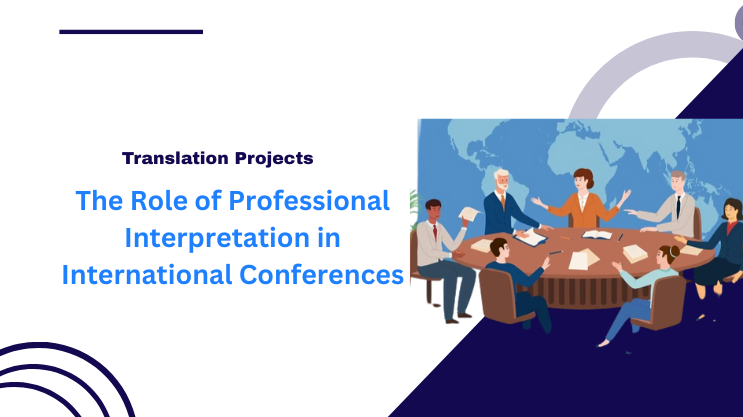
  • The Role of Professional Interpretation in International Conferences

    The Role of Professional Interpretation in International Conferences

    In today’s globalized business environment, international conferences, summits, and corporate events bring together participants from diverse linguistic and cultural backgrounds. While ideas may be universal, language barriers can quickly limit understanding, engagement, and impact. This is where professional interpretation services play a vital role.

    Professional interpretation is not just about converting words from one language to another – it is about ensuring clarity, accuracy, and cultural sensitivity in real time. At international conferences, effective interpretation can determine whether communication succeeds or fails.

    Why Interpretation Matters in International Conferences

    International conferences often involve high-stakes discussions, such as business negotiations, policy decisions, academic research, or diplomatic exchanges. Any misunderstanding caused by inaccurate interpretation can lead to confusion, misrepresentation, or even financial and reputational loss.

    Professional interpreters ensure that:

    • Every participant receives the same message, regardless of language
    • Discussions flow smoothly without unnecessary interruptions
    • Speakers can express complex ideas confidently
    • Cultural nuances are respected and conveyed appropriately

    By bridging language gaps, interpretation promotes inclusivity and meaningful collaboration among global audiences.

    Types of Interpretation Used in Conferences

    Different conferences require different interpretation methods depending on their format, audience size, and objectives.

    Simultaneous Interpretation

    This is the most commonly used method in large international conferences. Interpreters translate the speech in real time while the speaker is talking, usually from soundproof booths using headsets and microphones. Attendees listen through receivers in their preferred language.

    Simultaneous interpretation is ideal for:

    • Large audiences
    • Multilingual events
    • Time-sensitive sessions

    Consecutive Interpretation

    In this method, the speaker pauses after a few sentences, allowing the interpreter to translate before the speaker continues. While it takes more time, it allows for greater accuracy and detail.

    Consecutive interpretation is suitable for:

    • Panel discussions
    • Press conferences
    • Business meetings and workshops

    Whispered Interpretation (Chuchotage)

    Used for small groups, the interpreter whispers the translation directly to one or two listeners without equipment. This is effective for informal or limited-language support situations.

    Key Benefits of Professional Interpretation Services

    Accurate and Clear Communication

    Professional interpreters are trained to handle technical terms, industry-specific vocabulary, and complex concepts. This ensures that the original message is delivered accurately without distortion.

    Cultural Sensitivity

    Language is deeply connected to culture. Professional interpreters understand cultural references, tone, and etiquette, helping avoid unintended offense or misunderstanding.

    Enhanced Audience Engagement

    When participants fully understand what is being said, they are more engaged, attentive, and willing to participate. Interpretation allows attendees to focus on content rather than struggling with language.

    Professional Event Image

    High-quality interpretation reflects professionalism and preparedness. It shows respect for international participants and strengthens the credibility of the organizing brand or institution.

    Challenges Without Professional Interpretation

    Relying on bilingual staff, machine translation, or untrained interpreters can lead to several problems:

    • Incorrect or incomplete translations
    • Miscommunication of technical or legal information
    • Loss of speaker credibility
    • Frustration among international attendees

    In conferences where clarity and trust are essential, these risks can significantly reduce the event’s effectiveness.

    The Role of Technology in Conference Interpretation

    Modern interpretation services combine human expertise with advanced technology. Digital interpretation platforms, remote interpretation, and wireless equipment make it possible to support multilingual events efficiently, even in hybrid or virtual formats.

    However, technology alone is not enough. Human interpreters remain essential for understanding context, emotions, humor, and cultural nuances that machines cannot fully replicate.

    Choosing the Right Interpretation Partner

    When selecting an interpretation service provider for an international conference, consider:

    • Experience in conference and event interpretation
    • Availability of certified and industry-specialized interpreters
    • Technical support for equipment and platforms
    • Language coverage and scalability
    • Proven quality assurance processes

    A reliable interpretation partner ensures that communication remains seamless from opening remarks to closing sessions.

    Conclusion

    Professional interpretation plays a critical role in the success of international conferences. It enables clear communication, fosters collaboration, and ensures that language differences never become barriers to shared understanding.

    As businesses and organizations continue to operate on a global scale, investing in professional interpretation services is no longer optional – it is essential. With the right interpreters and technology in place, conferences can truly become global platforms where ideas are exchanged freely and effectively across languages.

    At Honey Translations, we provide professional interpretation solutions designed to support international conferences, corporate events, and global meetings – ensuring every voice is heard and every message is understood.

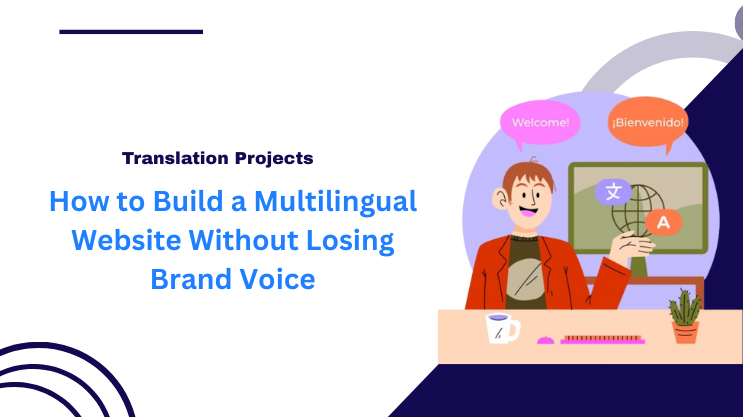
  • How to Build a Multilingual Website Without Losing Brand Voice

    How to Build a Multilingual Website Without Losing Brand Voice

    In today’s global digital economy, having a multilingual website is no longer optional – it’s essential. Businesses aiming to reach international audiences must communicate clearly, culturally, and consistently across languages. However, one major challenge many brands face is this: how to expand into multiple languages without losing their unique brand voice.

    Your brand voice is what makes you recognizable, trustworthy, and memorable. When poorly translated or localized, it can become inconsistent, confusing, or even damaging. This blog explains how to build a multilingual website while preserving your brand identity, tone, and message across borders.

    Why Brand Voice Matters in Multilingual Websites

    Brand voice is more than words – it reflects your company’s personality, values, and emotional connection with your audience. Whether your tone is professional, friendly, authoritative, or creative, it must remain consistent in every language.

    When brand voice is lost in translation:

    • Marketing messages feel generic or robotic
    • Customer trust decreases
    • Conversion rates drop
    • Cultural misunderstandings occur

    A well-localized website, on the other hand, feels native, authentic, and emotionally aligned with local users.

    Define and Document Your Brand Voice Clearly

    Before translating a single word, you must define your brand voice in detail. This includes:

    • Tone (formal, conversational, persuasive, friendly)
    • Personality traits (innovative, reliable, bold, caring)
    • Writing style (short sentences, storytelling, technical clarity)
    • Words or phrases to use – and avoid

    Creating a brand voice guide helps translators understand how to say something, not just what to say. This document becomes the foundation of all multilingual content.

    Choose Translation Over Literal Word-for-Word Conversion

    Literal translation often fails to convey emotion, intent, and cultural nuance. Instead, businesses should focus on transcreation – adapting content creatively while keeping the original message and tone intact.

    For example:

    • Marketing slogans may need rewriting, not translating
    • Humor or idioms must be culturally relevant
    • Calls-to-action should feel natural in each language

    Professional translators with industry experience can adapt content so it resonates with local audiences while preserving your brand essence.

    Work With Native Language Experts

    Native linguists understand:

    • Cultural sensitivities
    • Local consumer behavior
    • Regional expressions and tone

    They ensure your content sounds like it was originally written in that language – not translated. This is especially important for:

    • Homepage content
    • Product descriptions
    • Marketing and advertising copy
    • About Us pages

    A native expert helps maintain consistency between brand personality and cultural expectations.

    Maintain Consistency With Translation Memory & Glossaries

    As your website grows, consistency becomes critical. Using professional tools like:

    • Translation Memory (TM) – stores previously translated content
    • Glossaries – define approved brand terms and phrases

    These tools ensure that:

    • Brand terminology stays consistent
    • Repeated content is uniform
    • Updates are faster and cost-effective

    This is particularly useful for multilingual websites with blogs, service pages, or frequent updates.

    Localize Design, Not Just Text

    Brand voice isn’t communicated through words alone. Visual elements also play a role. When building a multilingual website:

    • Adapt images and icons for cultural relevance
    • Adjust layouts for text expansion or contraction
    • Ensure colors and symbols align with local meanings

    For example, a design that works in English may need spacing adjustments for German or Arabic. Proper localization ensures the look and feel remain on-brand globally.

    Optimize for Multilingual SEO

    A multilingual website should be optimized for search engines in every target language. This involves:

    • Translating keywords based on local search behavior
    • Optimizing meta titles and descriptions
    • Using correct URL structures (subdomains or language folders)
    • Implementing hreflang tags

    Multilingual SEO ensures your content is discoverable and maintains brand authority in different markets.

    Review, Test, and Get Feedback

    Before launching, review translated content carefully:

    • Check tone consistency
    • Validate cultural appropriateness
    • Test navigation and user experience

    If possible, gather feedback from native users. Continuous refinement helps improve engagement and brand perception.

    Why Professional Translation Matters

    Building a multilingual website is not just a technical task – it’s a strategic investment. Professional translation services combine linguistic accuracy, cultural understanding, and brand alignment.

    At Honey Translations, expert linguists, localization specialists, and quality reviewers work together to ensure your brand speaks confidently and consistently in every language.

    Final Thoughts

    A successful multilingual website doesn’t sound translated – it sounds authentic. By defining your brand voice, working with native experts, and focusing on localization rather than literal translation, you can expand globally without losing what makes your brand unique.

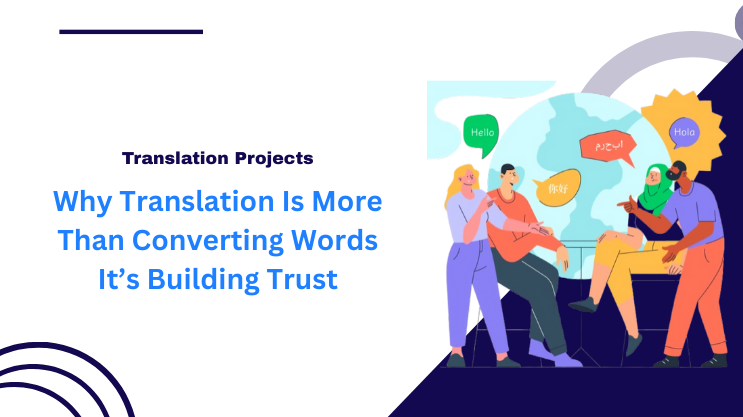
  • Why Translation Is More Than Converting Words – It’s Building Trust

    Why Translation Is More Than Converting Words – It’s Building Trust

    In today’s interconnected world, businesses no longer operate within borders. Whether you’re expanding into new markets, dealing with international clients, or handling cross-border legal and immigration processes, translation plays a critical role. But professional translation is not just about converting words from one language to another – it’s about building trust.

    At Honey Translations, we believe that accurate, culturally sensitive translation forms the foundation of credibility, compliance, and long-term relationships. Let’s explore why translation goes far beyond words and how it directly impacts trust.

    Understanding the True Meaning of Translation

    At its core, translation involves transferring meaning, intent, and tone – not just vocabulary. A literal translation may convey information, but it often fails to deliver context, emotion, and cultural relevance.

    For example:

    • A legal document must preserve exact meaning and legal validity.
    • A marketing message must evoke the same emotional response across cultures.
    • A medical report must ensure absolute clarity to avoid life-threatening misunderstandings.

    Professional translation ensures that the message remains faithful, clear, and reliable, regardless of language.

    Trust Begins with Accuracy

    Accuracy is the first pillar of trust in translation.

    Even minor errors can:

    • Delay visa approvals
    • Cause legal disputes
    • Damage brand reputation
    • Create confusion or mistrust

    In industries like legal, medical, financial, and immigration services, accuracy is non-negotiable. Clients trust your business when documents are translated correctly, consistently, and in compliance with official requirements.

    At Honey Translations, every project undergoes quality checks, expert review, and industry-specific validation, ensuring nothing is left to chance.

    Cultural Sensitivity Builds Credibility

    Words do not exist in isolation – they are shaped by culture.

    A phrase that works perfectly in one language may sound inappropriate, confusing, or even offensive in another. This is where localization becomes essential.

    Culturally aware translation helps:

    • Avoid misunderstandings
    • Respect local customs and norms
    • Communicate with empathy
    • Build emotional connection with the audience

    When audiences feel understood, they trust the brand behind the message.

    Professional Translation Reflects Brand Integrity

    Your language represents your brand.

    Poor translation can make a business appear:

    • Unprofessional
    • Careless
    • Inexperienced
    • Unreliable

    On the other hand, clear and polished multilingual content shows attention to detail and respect for the audience. It reassures clients that they are dealing with a professional organization that values quality and transparency.

    Trust grows when your brand voice remains consistent across all languages.

    Certified Translations Strengthen Legal Trust

    In official processes such as:

    • Visa applications
    • Immigration files
    • Academic admissions
    • Court and legal proceedings

    Authorities require certified or notarized translations. These documents must be accurate, properly formatted, and legally accepted.

    Certified translation is not just a formality – it is a guarantee that the content is trustworthy and officially recognized. This assurance saves time, prevents rejection, and protects your interests.

    Human Expertise vs Machine Translation

    While machine translation tools are useful for basic understanding, they lack:

    • Context awareness
    • Industry expertise
    • Cultural understanding
    • Accountability

    Trust cannot be automated. Professional human translators bring experience, judgment, and responsibility to every project. They understand nuances, tone, and specialized terminology – something machines still struggle to achieve reliably.

    For critical business and official communication, human-led translation remains essential.

    Trust Drives Long – Term Relationships

    Clients don’t just return for correct translations – they return because they trust the service provider.

    Trust is built when:

    • Deadlines are met
    • Confidentiality is respected
    • Communication is clear
    • Quality is consistent

    At Honey Translations, we focus on relationships, not just transactions. Each project is handled with care, professionalism, and a commitment to accuracy.

    Why Trust Matters in a Global World

    In a global marketplace, trust is your strongest asset. Language is often the first interaction between your business and a new audience. If that interaction is clear, respectful, and accurate, trust follows naturally.

    Translation bridges not only languages but also cultures, expectations, and relationships.

    Final Thoughts

    Translation is not simply about words – it’s about credibility, clarity, and connection. When done right, it builds trust that supports business growth, legal compliance, and meaningful communication across borders.

    At Honey Translations, we translate with purpose – ensuring every word carries accuracy, cultural understanding, and trust.

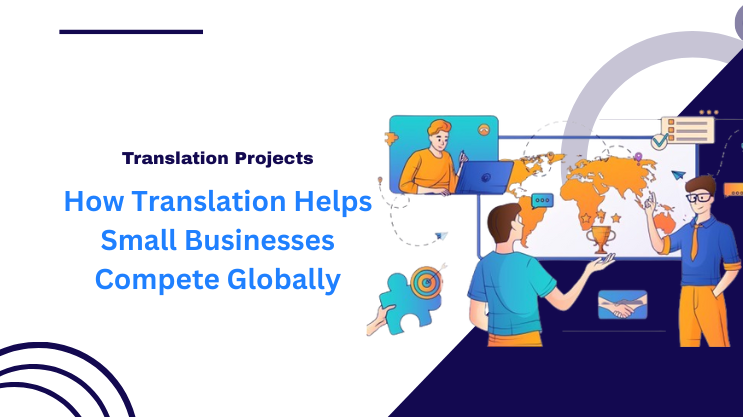
  • How Translation Helps Small Businesses Compete Globally

    How Translation Helps Small Businesses Compete Globally

    In today’s interconnected world, small businesses are no longer confined to local markets. With digital platforms, even a growing company can reach customers across borders. One of the most effective tools enabling this global reach is professional translation.

    Translation goes beyond converting words from one language to another. It helps businesses communicate clearly, build trust, and compete confidently in international markets.

    Why Language Is Crucial for Global Growth

    Most consumers prefer content in their native language. When businesses rely on a single language, they risk losing potential customers who may not fully understand their message.

    For small businesses, language barriers can lead to:

    • Missed international opportunities
    • Lower customer engagement
    • Reduced brand credibility

    Professional translation removes these barriers and makes your brand accessible to a wider audience.

    Ways Translation Helps Small Businesses Compete Globally

    1. Reaches New Markets

    Translation allows businesses to introduce their products and services to international customers without setting up physical offices abroad. A multilingual website or catalog can instantly attract global buyers.

    For example, translating your website into regional or international languages can help you connect with customers who actively search in their native language.

    2. Builds Trust and Brand Credibility

    Customers trust brands that communicate clearly in their language. Poor or inaccurate translations can harm your brand image, while professional translations convey reliability and professionalism.

    Accurate translation:

    • Creates confidence
    • Improves customer relationships
    • Strengthens brand reputation

    Trust is especially important in legal, medical, financial, and technical industries.

    3. Increases Sales and Conversions

    Customers are more likely to buy when product descriptions, terms, and instructions are easy to understand. Translation improves the customer journey and reduces confusion during the buying process.

    Benefits include:

    • Higher conversion rates
    • Better customer experience
    • Reduced return or support issues

    Clear communication directly contributes to increased sales.

    4. Enhances Global SEO Visibility

    Search engines favor localized content. Translating your website allows you to rank for local keywords in different countries and languages.

    With multilingual SEO, small businesses can:

    • Improve search visibility in global markets
    • Attract relevant international traffic
    • Compete with larger brands online

    Translation combined with localization ensures your content performs well globally.

    5. Enables Clear International Communication

    Small businesses often interact with international clients, partners, and suppliers. Professional translation ensures emails, proposals, contracts, and presentations are clear and accurate.

    This helps:

    • Avoid misunderstandings
    • Reduce costly errors
    • Maintain professional relationships

    Effective communication keeps global operations smooth.

    6. Supports Legal and Regulatory Compliance

    Many international processes require documents to be submitted in official languages. Certified translations are often mandatory for visas, registrations, and legal agreements.

    Professional translation ensures:

    • Accuracy and acceptance by authorities
    • Compliance with local regulations
    • Reduced risk of rejection or delays

    Human Translation vs Machine Translation

    Machine translation tools may seem convenient, but they often miss cultural context, tone, and industry-specific terminology. For customer-facing, legal, or marketing content, human translation delivers far better results.

    Professional translators ensure:

    • Cultural relevance
    • Industry accuracy
    • Consistent brand voice

    For small businesses, quality matters more than speed alone.

    Why Small Businesses Should Invest in Translation Early

    Translation is most effective when included in early growth planning. Businesses that invest early can scale faster and enter new markets smoothly.

    Early translation:

    • Saves time and rework later
    • Builds a strong global foundation
    • Helps stay ahead of competitors

    How Honey Translations Helps Businesses Grow Globally

    At Honey Translations, we support small businesses with:

    • Professional human translation
    • Industry-specific expertise
    • Certified and notarized documents
    • Localization tailored to target markets
    • Reliable quality assurance

    We help your business communicate clearly and confidently across borders.

    Conclusion

    Global competition is no longer limited to large corporations. With professional translation, small businesses can expand their reach, build trust, and grow internationally.

  • DTP & Typing Services in Hyderabad – Professional & Accurate Solutions

    DTP & Typing Services in Hyderabad – Professional & Accurate Solutions

    In today’s fast-paced digital and print world, accurate and visually appealing content is more important than ever. At Honey Translation Services, we offer comprehensive DTP (Desktop Publishing) and typing services that ensure your documents, brochures, manuals, and publications look professional while maintaining precise formatting and linguistic accuracy.

    What are DTP & Typing Services?

    Desktop Publishing (DTP) involves the process of designing and formatting documents to make them publication-ready. It ensures that the layout, fonts, graphics, and text align perfectly for both digital and print mediums. Typing services, on the other hand, focus on converting handwritten notes, scanned documents, or audio content into digital text with high accuracy and speed.

    Our DTP & typing solutions cater to a variety of industries including legal, medical, educational, marketing, and corporate sectors.

    Why Choose Honey Translation Services for DTP & Typing?

    1. Professional Layout Design
      We transform raw content into polished, well-structured documents. Whether it’s a brochure, flyer, or academic manuscript, our DTP experts ensure consistent font styles, alignment, and spacing for a visually appealing finish.
    2. Multi-Language Support
      Our typing and DTP services cover multiple languages, including Hindi, English, Tamil, Bengali, and more. This ensures that your content retains its readability and professionalism in any language.
    3. Accuracy & Attention to Detail
      Our team meticulously types and formats documents to avoid errors, ensuring that both the textual and visual elements are precise and aligned with your requirements.
    4. Fast Turnaround Time
      We understand the importance of deadlines. Our team works efficiently to deliver high-quality DTP and typing outputs within your stipulated timeframe.
    5. Compatibility Across Formats
      We provide output in multiple formats such as Word, PDF, InDesign, CorelDraw, and more, so your content is ready for print or digital publishing.

    Industries Benefiting from Our Services

    • Legal & Financial Documents – Contracts, agreements, and reports formatted with precision.
    • Marketing & Advertising – Brochures, posters, and flyers designed for maximum impact.
    • Academic & Educational Material – Textbooks, research papers, and guides professionally formatted.
    • Corporate Documentation – Reports, presentations, and manuals aligned to company branding.

    Conclusion

    Accurate typing and professional DTP are crucial for delivering polished, error-free, and visually appealing content. At Honey Translation Services, we combine linguistic precision with design expertise to provide DTP & typing services that exceed your expectations. Let us help you present your documents professionally and efficiently, whether for print or digital distribution.

  • DTP & Typing Services in Mumbai – Professional & Accurate Solutions

    DTP & Typing Services in Mumbai – Professional & Accurate Solutions

    In today’s fast-paced digital and print world, accurate and visually appealing content is more important than ever. At Honey Translation Services, we offer comprehensive DTP (Desktop Publishing) and typing services that ensure your documents, brochures, manuals, and publications look professional while maintaining precise formatting and linguistic accuracy.

    What are DTP & Typing Services?

    Desktop Publishing (DTP) involves the process of designing and formatting documents to make them publication-ready. It ensures that the layout, fonts, graphics, and text align perfectly for both digital and print mediums. Typing services, on the other hand, focus on converting handwritten notes, scanned documents, or audio content into digital text with high accuracy and speed.

    Our DTP & typing solutions cater to a variety of industries including legal, medical, educational, marketing, and corporate sectors.

    Why Choose Honey Translation Services for DTP & Typing?

    1. Professional Layout Design
      We transform raw content into polished, well-structured documents. Whether it’s a brochure, flyer, or academic manuscript, our DTP experts ensure consistent font styles, alignment, and spacing for a visually appealing finish.
    2. Multi-Language Support
      Our typing and DTP services cover multiple languages, including Hindi, English, Tamil, Bengali, and more. This ensures that your content retains its readability and professionalism in any language.
    3. Accuracy & Attention to Detail
      Our team meticulously types and formats documents to avoid errors, ensuring that both the textual and visual elements are precise and aligned with your requirements.
    4. Fast Turnaround Time
      We understand the importance of deadlines. Our team works efficiently to deliver high-quality DTP and typing outputs within your stipulated timeframe.
    5. Compatibility Across Formats
      We provide output in multiple formats such as Word, PDF, InDesign, CorelDraw, and more, so your content is ready for print or digital publishing.

    Industries Benefiting from Our Services

    • Legal & Financial Documents – Contracts, agreements, and reports formatted with precision.
    • Marketing & Advertising – Brochures, posters, and flyers designed for maximum impact.
    • Academic & Educational Material – Textbooks, research papers, and guides professionally formatted.
    • Corporate Documentation – Reports, presentations, and manuals aligned to company branding.

    Conclusion

    Accurate typing and professional DTP are crucial for delivering polished, error-free, and visually appealing content. At Honey Translation Services, we combine linguistic precision with design expertise to provide DTP & typing services that exceed your expectations. Let us help you present your documents professionally and efficiently, whether for print or digital distribution.

  • DTP & Typing Services in Puducherry – Professional & Accurate Solutions

    DTP & Typing Services in Puducherry – Professional & Accurate Solutions

    In today’s fast-paced digital and print world, accurate and visually appealing content is more important than ever. At Honey Translation Services, we offer comprehensive DTP (Desktop Publishing) and typing services that ensure your documents, brochures, manuals, and publications look professional while maintaining precise formatting and linguistic accuracy.

    What are DTP & Typing Services?

    Desktop Publishing (DTP) involves the process of designing and formatting documents to make them publication-ready. It ensures that the layout, fonts, graphics, and text align perfectly for both digital and print mediums. Typing services, on the other hand, focus on converting handwritten notes, scanned documents, or audio content into digital text with high accuracy and speed.

    Our DTP & typing solutions cater to a variety of industries including legal, medical, educational, marketing, and corporate sectors.

    Why Choose Honey Translation Services for DTP & Typing?

    1. Professional Layout Design
      We transform raw content into polished, well-structured documents. Whether it’s a brochure, flyer, or academic manuscript, our DTP experts ensure consistent font styles, alignment, and spacing for a visually appealing finish.
    2. Multi-Language Support
      Our typing and DTP services cover multiple languages, including Hindi, English, Tamil, Bengali, and more. This ensures that your content retains its readability and professionalism in any language.
    3. Accuracy & Attention to Detail
      Our team meticulously types and formats documents to avoid errors, ensuring that both the textual and visual elements are precise and aligned with your requirements.
    4. Fast Turnaround Time
      We understand the importance of deadlines. Our team works efficiently to deliver high-quality DTP and typing outputs within your stipulated timeframe.
    5. Compatibility Across Formats
      We provide output in multiple formats such as Word, PDF, InDesign, CorelDraw, and more, so your content is ready for print or digital publishing.

    Industries Benefiting from Our Services

    • Legal & Financial Documents – Contracts, agreements, and reports formatted with precision.
    • Marketing & Advertising – Brochures, posters, and flyers designed for maximum impact.
    • Academic & Educational Material – Textbooks, research papers, and guides professionally formatted.
    • Corporate Documentation – Reports, presentations, and manuals aligned to company branding.

    Conclusion

    Accurate typing and professional DTP are crucial for delivering polished, error-free, and visually appealing content. At Honey Translation Services, we combine linguistic precision with design expertise to provide DTP & typing services that exceed your expectations. Let us help you present your documents professionally and efficiently, whether for print or digital distribution.