Author: admin

  • The Future of Study Abroad Services in a Virtual Learning World

    The Future of Study Abroad Services in a Virtual Learning World

    The concept of studying abroad has traditionally been associated with physical travel, campus life, and cultural immersion. However, the rapid growth of virtual learning has reshaped global education. As technology advances, study abroad services are evolving to blend digital experiences with international education, creating new opportunities for students worldwide.

    1. Rise of Virtual and Hybrid Study Abroad Programs

    Universities now offer virtual exchange programs and hybrid models that combine online learning with short-term international exposure. These options allow students to gain global academic experience without long-term relocation, making study abroad more accessible and flexible.

    2. Increased Accessibility for Global Learners

    Virtual learning removes geographical and financial barriers that once limited study abroad opportunities. Students from diverse backgrounds can now access international courses, global classrooms, and foreign faculty, expanding educational reach and inclusivity.

    3. Role of Study Abroad Consultants in a Digital Era

    Study abroad services are shifting from travel-focused assistance to academic and digital support. Consultants now guide students in selecting virtual programs, managing online applications, understanding international accreditation, and navigating global academic systems.

    4. Importance of Language and Cultural Preparation

    Even in virtual environments, language proficiency and cultural understanding remain essential. Study abroad services increasingly focus on language training, cross-cultural communication, and virtual cultural immersion to prepare students for global interaction.

    5. Technology-Driven Student Support Services

    Advanced digital platforms enable virtual counseling, application tracking, document verification, and real-time communication with institutions. These tools enhance efficiency, transparency, and personalized support for students planning international education journeys.

    6. Global Networking and Collaboration Opportunities

    Virtual learning environments facilitate collaboration with peers from different countries through group projects, online discussions, and international internships. Study abroad services help students leverage these opportunities to build global networks and professional connections.

    7. Challenges in Maintaining Cultural Immersion

    While virtual learning offers flexibility, it cannot fully replicate the cultural immersion of physical study abroad. Service providers are exploring virtual cultural exchanges, interactive events, and short-term mobility programs to bridge this gap.

    8. The Future of Blended International Education

    The future of study abroad lies in blended models that combine virtual education with optional physical mobility. Study abroad services will continue to evolve, offering innovative solutions that balance digital learning, cultural exposure, and academic excellence.

    In conclusion, the future of study abroad services in a virtual learning world is defined by adaptability, technology, and inclusivity. By embracing digital platforms while preserving the essence of global education, study abroad providers can support students in achieving meaningful international learning experiences in an ever-changing educational landscape.

  • Best Practices for Multilingual Newsletter Translation

    Best Practices for Multilingual Newsletter Translation

    Newsletters are a powerful tool for engaging customers, sharing updates, and nurturing brand loyalty. When your audience spans multiple countries, translating newsletters into multiple languages becomes essential. But effective multilingual newsletter translation goes beyond literal translation-it requires cultural adaptation, clarity, and consistent branding to ensure your message resonates globally.


    Why Multilingual Newsletter Translation Matters

    1. Global Audience Engagement: Localized newsletters improve comprehension, relevance, and connection with international readers.
    2. Brand Consistency: Maintaining a consistent tone and style across languages strengthens your brand identity.
    3. Higher Conversion Rates: Well-translated newsletters drive better click-through rates, sign-ups, and engagement.
    4. Professional Image: Accurate translations reflect professionalism, reliability, and attention to detail.

    Challenges in Multilingual Newsletter Translation

    • Cultural Sensitivity: Idioms, humor, or references may not translate directly and may require creative adaptation.
    • Formatting Constraints: Text expansion or contraction can affect newsletter layout and design.
    • Tone Consistency: Maintaining the brand’s voice across languages can be challenging.
    • Timely Delivery: Frequent newsletters require efficient translation processes to meet deadlines.

    Best Practices for Multilingual Newsletter Translation

    1. Start with a Clear Template: Design flexible newsletter templates to accommodate varying text lengths in different languages.
    2. Use Professional Translators: Avoid relying solely on machine translation; human translators ensure accuracy and cultural relevance.
    3. Maintain a Glossary and Style Guide: Keep terminology, tone, and branding consistent across all languages.
    4. Localize Headlines and CTAs: Tailor subject lines, calls-to-action, and key messaging for each target audience.
    5. Test Across Devices and Languages: Ensure readability, layout, and formatting are preserved in every language version.
    6. Leverage Translation Tools: Use Translation Management Systems (TMS) and in-context review tools to streamline workflow.

    Tools to Streamline Newsletter Translation

    • Translation Management Systems (TMS): Maintain consistency, manage updates, and store translation memory.
    • In-context Editors: Preview translations within the newsletter layout to prevent formatting issues.
    • Glossaries and Style Guides: Ensure uniform language, tone, and terminology.
    • Quality Assurance Tools: Automatically detect errors, inconsistencies, and formatting issues.

    Conclusion

    Multilingual newsletter translation is a vital component of global marketing strategy. By combining professional translation, cultural adaptation, and careful testing, companies can ensure their newsletters engage and resonate with diverse audiences worldwide. Following these best practices improves readability, brand perception, and audience loyalty across regions.

    multilingual newsletter translation, newsletter localization, global email marketing, translation best practices, Honey Translation Services, international newsletter translation.


  • How Subtitling Services Are Adapting to the Streaming Boom

    How Subtitling Services Are Adapting to the Streaming Boom

    The rapid growth of streaming platforms has transformed how audiences consume content worldwide. With movies, series, documentaries, and short-form videos reaching global viewers instantly, subtitling services have become essential for accessibility, engagement, and international reach. To keep pace with this streaming boom, subtitling is evolving in terms of technology, quality, and cultural adaptation.

    1. Rising Demand for Multilingual Subtitles

    Streaming platforms cater to diverse audiences across regions and languages. This has significantly increased the demand for subtitles in multiple languages, allowing content to be accessible to viewers regardless of their native language and helping platforms expand into new markets quickly.

    2. Faster Turnaround Times and Scalable Workflows

    The continuous release of new content requires subtitles to be delivered quickly without compromising quality. Subtitling services are adopting streamlined workflows, automation tools, and collaborative platforms to meet tight deadlines and handle large volumes efficiently.

    3. Integration of AI and Automation Tools

    Artificial intelligence plays a growing role in subtitle creation through speech recognition and automated time-coding. These tools speed up the initial process, while human linguists review and refine subtitles to ensure accuracy, readability, and cultural relevance.

    4. Focus on Cultural Adaptation and Localization

    Effective subtitles go beyond direct translation. Subtitling services now emphasize localization, adapting humor, idioms, and cultural references so that content resonates naturally with local audiences while maintaining the original intent.

    5. Improved Accessibility Standards

    Streaming platforms prioritize accessibility for all viewers, including those who are deaf or hard of hearing. Subtitling services now include closed captions, speaker identification, sound descriptions, and compliance with international accessibility guidelines.

    6. Consistency Across Episodes and Series

    Binge-watching has increased the need for consistent terminology, character names, and tone throughout episodes and seasons. Subtitle teams use glossaries and style guides to maintain continuity and deliver a seamless viewing experience.

    7. Optimizing Subtitles for Different Devices

    Viewers watch streaming content on TVs, smartphones, tablets, and laptops. Subtitles are now optimized for various screen sizes, ensuring proper line length, timing, and readability across all devices.

    8. Enhancing Viewer Engagement and Retention

    Well-crafted subtitles improve comprehension, emotional connection, and viewer satisfaction. As a result, streaming platforms invest in high-quality subtitling to boost engagement, retain subscribers, and reach a truly global audience.

    In conclusion, subtitling services are rapidly adapting to the streaming boom by embracing technology, prioritizing localization, and maintaining high quality standards. These advancements ensure that content remains accessible, engaging, and culturally relevant for viewers around the world.

  • How Communication Skills Are Becoming a Global Career Currency

    How Communication Skills Are Becoming a Global Career Currency

    In today’s hyper-connected world, technical expertise alone is no longer enough to guarantee career success. Communication skills—the ability to convey ideas clearly, listen effectively, and adapt messages across diverse audiences—are rapidly becoming a global career currency that can make or break professional growth.

    1. Bridging Borders in a Global Workforce

    With remote teams, cross-cultural collaborations, and international business partnerships becoming the norm, professionals must communicate effectively across languages, cultures, and time zones.

    Key benefits:

    • Smooth collaboration in multinational teams
    • Stronger professional relationships
    • Reduced misunderstandings and conflicts

    2. Enhancing Leadership and Influence

    Leadership is less about authority and more about influence. Strong communicators inspire, motivate, and guide teams, making their ideas resonate globally.

    Impact on careers:

    • Increased visibility and recognition
    • Opportunities for leadership roles
    • Ability to influence decision-making

    3. Driving Career Advancement

    Employers value employees who can articulate ideas, present solutions, and negotiate effectively. Communication skills often determine who gets promoted, trusted with high-stakes projects, or selected for international assignments.

    Result:

    • Faster career growth
    • Expanded professional opportunities
    • Greater employability in global markets

    4. Supporting Digital and Remote Work

    Virtual meetings, emails, and online collaboration tools demand concise, clear, and culturally sensitive communication. Professionals who master this can navigate the digital workplace with confidence.

    Advantages include:

    • Increased productivity in virtual teams
    • Positive professional reputation online
    • Effective engagement with global clients

    5. Complementing Technical Expertise

    Even the most skilled technical professionals struggle to make an impact without strong communication. The ability to explain complex ideas simply, persuade stakeholders, or collaborate across functions is what turns expertise into tangible results.

    Outcome:

    • Bridging the gap between knowledge and impact
    • Turning ideas into actionable results
    • Building a personal brand as a trusted professional

    Conclusion

    Communication skills are no longer a soft add-on they are a strategic asset in the global career landscape. Professionals who invest in developing these skills unlock opportunities, increase their influence, and secure a competitive edge in today’s interconnected world.

    In short, mastering communication is like holding an international currency that never loses value-it pays dividends across industries, roles, and borders.

  • Proofreading Services in the Future: Beyond Grammar Checks

    Proofreading Services in the Future: Beyond Grammar Checks

    Proofreading has long been associated with correcting spelling mistakes and grammatical errors. However, as digital communication expands and content becomes more strategic and global, proofreading services are evolving far beyond basic language checks. The future of proofreading focuses on clarity, consistency, brand voice, and audience impact, making it a vital component of professional communication.

    1. Focus on Meaning and Clarity

    Future proofreading services will emphasize ensuring that content conveys the intended message clearly and accurately. Proofreaders will evaluate sentence structure, flow, and coherence to ensure ideas are easy to understand, especially for diverse and international audiences.

    2. Consistency Across Content and Platforms

    As businesses publish content across websites, social media, apps, and documents, maintaining consistency becomes essential. Proofreading will increasingly involve checking terminology, tone, and formatting consistency across multiple platforms to reinforce brand identity.

    3. Alignment with Brand Voice and Style

    Proofreading will go beyond correctness to ensure content aligns with a brand’s voice and style guidelines. Whether the tone is professional, conversational, or persuasive, proofreaders will help maintain a unified voice that strengthens brand recognition.

    4. Cultural and Contextual Sensitivity

    Global communication demands cultural awareness. Future proofreading services will include reviewing content for cultural appropriateness, regional preferences, and contextual accuracy, reducing the risk of misunderstandings or unintended offense.

    5. Integration with AI and Smart Tools

    Artificial intelligence will play a supportive role in proofreading by identifying patterns, inconsistencies, and repetitive errors. Human proofreaders will work alongside AI tools, using technology to enhance efficiency while applying judgment and nuance that machines cannot replicate.

    6. Improving Readability and User Experience

    Proofreading will focus on readability, ensuring content is structured logically with smooth transitions and appropriate emphasis. Clear and engaging content improves user experience, increases retention, and supports effective communication.

    7. Supporting Multilingual and Localized Content

    As multilingual content grows, proofreading services will expand to review translated and localized material. Proofreaders will ensure translations are accurate, natural, and culturally aligned with the target audience.

    8. Enhancing Credibility and Professionalism

    Error-free, well-structured content reflects professionalism and builds trust. Advanced proofreading services will help organizations present themselves as reliable, credible, and detail-oriented in competitive global markets.

    In conclusion, the future of proofreading services goes far beyond grammar checks. By focusing on clarity, consistency, cultural relevance, and brand alignment, proofreading will continue to play a crucial role in delivering high-quality content that resonates with audiences and supports long-term communication success.

  • Why Multilingual Skills Will Define Future Career Success

    Why Multilingual Skills Will Define Future Career Success

    In an increasingly globalized world, the ability to communicate across languages is no longer just a personal advantage—it is fast becoming a professional necessity. Multilingual skills are transforming career trajectories, making professionals more adaptable, competitive, and valuable in the job market.

    1. Expands Global Opportunities

    Speaking multiple languages allows professionals to work across borders, access international clients, and collaborate with diverse teams. Companies with a global footprint highly value employees who can bridge linguistic and cultural gaps.

    Key Benefits:

    • Access to international roles and projects
    • Ability to negotiate and collaborate with global clients
    • Increased chances for promotions in multinational companies

    2. Enhances Cognitive and Problem-Solving Skills

    Research shows that multilingual individuals often have better memory, attention, and problem-solving abilities. Switching between languages strengthens the brain, improves multitasking, and fosters innovative thinking.

    Professional Impact:

    • Improved decision-making
    • Enhanced creativity and adaptability
    • Faster learning and skill acquisition

    3. Strengthens Communication and Cultural Intelligence

    Multilingual professionals not only translate words-they interpret culture, context, and tone. This cultural intelligence improves team dynamics, customer interactions, and stakeholder engagement.

    Advantages in the Workplace:

    • Better cross-cultural collaboration
    • Reduced miscommunication
    • Stronger client relationships

    4. Increases Employability and Career Resilience

    As businesses expand internationally, the demand for employees who can communicate in multiple languages continues to rise. Multilingual professionals are often prioritized for leadership positions and high-impact roles.

    Career Benefits:

    • Higher employability in competitive markets
    • Access to niche and specialized roles
    • Greater long-term career stability

    5. Boosts Personal Brand and Professional Growth

    Fluency in multiple languages positions you as a versatile and adaptable professional. It demonstrates curiosity, commitment, and the ability to thrive in diverse environments-qualities that are increasingly valued in leadership and innovation-driven roles.

    Impact on Career Growth:

    • Recognition as a global-minded professional
    • Opportunities for networking across cultures
    • Enhanced personal and professional brand

    Conclusion

    In the 21st-century workplace, multilingual skills are more than an asset-they are a defining factor in career success. Professionals who invest in language learning are not only expanding their skill set but are also preparing for a future where global collaboration, cultural intelligence, and adaptability determine professional growth.

    Investing in multilingual skills today is an investment in career longevity, influence, and success in an interconnected world.

  • Language Training Services for the Jobs of Tomorrow

    Language Training Services for the Jobs of Tomorrow

    As the world becomes increasingly globalized, the demand for multilingual professionals is growing at an unprecedented rate. The jobs of tomorrow won’t just require technical expertise-they will demand strong communication skills across languages and cultures. Language training services are no longer optional; they are essential for future-ready careers.

    1. Meeting the Needs of a Global Workforce

    Companies are expanding across borders, creating roles that require employees to collaborate with international teams and clients. Language training equips professionals with the skills to communicate effectively in a global work environment.

    Benefits include:

    • Enhanced cross-cultural communication
    • Greater employability in multinational organizations
    • Ability to build stronger professional relationships

    2. Preparing for Emerging Job Markets

    Automation and AI are reshaping industries, but human language skills remain irreplaceable. Roles in customer experience, international business, diplomacy, and AI-driven communication rely heavily on language proficiency.

    Impact:

    • Competitive advantage in AI-enhanced workplaces
    • Readiness for international assignments
    • Increased versatility across industries

    3. Boosting Career Growth and Opportunities

    Language skills are a proven differentiator in career advancement. Professionals who can communicate in multiple languages are more likely to secure leadership positions, access global projects, and negotiate international deals.

    Key outcomes:

    • Higher promotion potential
    • Expanded career options
    • Stronger professional network

    4. Enhancing Learning Through Technology

    Modern language training services leverage digital platforms, AI tutors, and immersive experiences to accelerate learning. This makes language acquisition faster, more engaging, and tailored to specific career paths.

    Advantages include:

    • Flexible, self-paced learning
    • Industry-specific language modules
    • Real-time feedback and skill tracking

    5. Aligning Skills with the Future of Work

    As industries evolve, the ability to adapt to diverse environments becomes crucial. Language training not only enhances communication skills but also fosters cultural intelligence, adaptability, and global mindset—all traits that future employers value.

    Result:

    • Improved employability in global job markets
    • Stronger intercultural collaboration
    • Preparedness for evolving workplace demands

    Conclusion

    Investing in language training is an investment in your career and your organization’s global competitiveness. The jobs of tomorrow will reward professionals who can navigate languages and cultures with confidence. By embracing language training services today, individuals and companies equip themselves for the opportunities and challenges of the globalized workforce of the future.

  • Preparing Your Business for the Future of Global Communication

    Preparing Your Business for the Future of Global Communication

    In an increasingly interconnected world, businesses must communicate seamlessly across borders to remain competitive. Global communication is no longer just about translating content-it’s about understanding cultural nuances, leveraging technology, and creating inclusive messaging for diverse audiences. Preparing your business for this future ensures growth, relevance, and stronger global relationships.


    Why Global Communication Matters

    1. Expanding Market Reach: Businesses that communicate effectively can enter new markets with confidence.
    2. Enhanced Customer Experience: Multilingual and culturally adapted messaging improves engagement and loyalty.
    3. Brand Reputation: Clear, inclusive communication strengthens credibility with international audiences.
    4. Employee Collaboration: Efficient cross-border communication fosters teamwork in global organizations.

    Key Challenges in Global Communication

    • Language Barriers: Miscommunication can lead to lost opportunities or reputational damage.
    • Cultural Differences: Idioms, humor, and social norms vary widely, requiring careful adaptation.
    • Consistency Across Channels: Maintaining a uniform brand voice across multiple languages and platforms is complex.
    • Rapidly Evolving Technology: Digital platforms, AI tools, and collaboration software continuously change communication dynamics.

    Best Practices to Prepare Your Business

    1. Invest in Professional Translation and Localization: Ensure accuracy, cultural relevance, and tone consistency.
    2. Leverage Technology: Utilize Translation Management Systems (TMS), AI-assisted tools, and collaboration platforms for efficiency.
    3. Train Your Team: Cross-cultural training helps employees communicate respectfully and effectively.
    4. Develop a Global Communication Strategy: Define brand voice, terminology guidelines, and localization standards.
    5. Monitor and Adapt: Continuously assess feedback, trends, and emerging technologies to stay ahead.

    Tools to Support Global Communication

    • Translation Management Systems (TMS): Centralize and streamline multilingual content management.
    • Glossaries and Style Guides: Maintain consistent terminology and brand voice across languages.
    • AI-Powered Translation Tools: Speed up translation without sacrificing quality when combined with human review.
    • Collaboration Platforms: Tools like Slack, Microsoft Teams, and Trello enable efficient cross-border teamwork.

    Conclusion

    Preparing your business for the future of global communication is a strategic investment. By embracing multilingual solutions, cultural awareness, and cutting-edge tools, companies can enhance engagement, strengthen global relationships, and remain competitive in an ever-changing world. The businesses that succeed tomorrow will be those that communicate today-clearly, consistently, and across every border.

    global communication strategies, multilingual business solutions, cross-cultural communication, international business communication, localization services, Honey Translation Services.


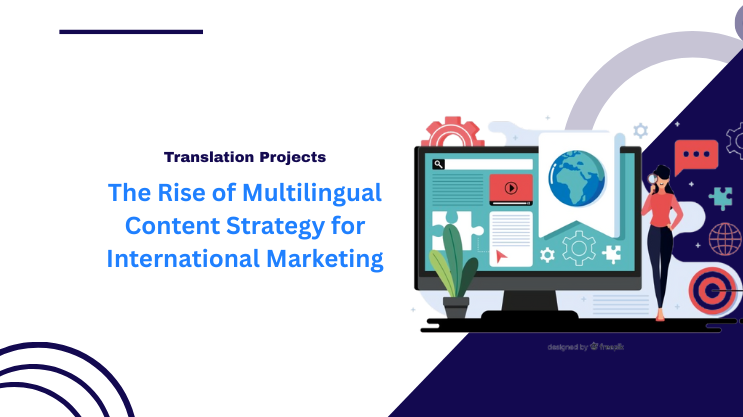
  • The Rise of Multilingual Content Strategy for International Marketing

    The Rise of Multilingual Content Strategy for International Marketing

    In today’s globalized world, businesses are no longer confined to their domestic markets. With audiences spanning continents, a multilingual content strategy has become a cornerstone of successful international marketing. Companies that communicate in the native languages of their target audiences gain a competitive edge by building trust, engagement, and brand loyalty.

    1. Why Multilingual Content Matters

    Consumers are more likely to engage with content presented in their native language. Research shows that people are more confident and comfortable making purchasing decisions when they understand the message clearly. Multilingual content ensures that your brand speaks directly to diverse audiences without cultural or linguistic barriers.

    Key benefits include:

    • Enhanced customer trust and credibility
    • Increased engagement and conversions
    • Stronger brand perception in international markets

    2. Expanding Global Reach

    A multilingual content strategy allows brands to enter new markets effectively. By tailoring messages for different languages and cultures, companies can reach audiences who would otherwise be inaccessible. This approach helps businesses scale globally while maintaining relevance and authenticity.

    Impact:

    • Access to new customer segments
    • Competitive advantage in emerging markets
    • Long-term growth potential

    3. Boosting SEO and Digital Visibility

    Search engines prioritize content that is locally relevant. Multilingual content improves your website’s SEO performance across different regions, driving organic traffic from multiple languages. Optimized content ensures higher visibility, stronger online presence, and more inbound leads globally.

    Benefits include:

    • Better search engine rankings in local markets
    • Increased website traffic and engagement
    • Greater ROI on digital marketing efforts

    4. Enhancing Customer Experience

    A localized, multilingual approach is not just about translation-it’s about cultural adaptation. Tailoring content to regional preferences, idioms, and values creates a seamless, personalized experience that resonates with local audiences.

    Results:

    • Higher customer satisfaction
    • Stronger emotional connection with the brand
    • Improved retention and loyalty

    5. Staying Ahead of the Competition

    As more brands go global, multilingual content is no longer optional-it’s essential. Companies that invest early in a structured multilingual strategy position themselves ahead of competitors, establishing authority and credibility in international markets.

    Competitive advantage includes:

    • Faster entry into new markets
    • Brand recognition and authority
    • Sustainable international growth

    Conclusion

    The rise of multilingual content strategy marks a shift in how businesses approach global marketing. It goes beyond simple translation-it’s about connecting with audiences on a cultural and linguistic level. Companies that embrace this strategy not only expand their reach but also build lasting relationships with customers worldwide.

    Investing in multilingual content today ensures your brand remains relevant, trusted, and visible in the global marketplace.

  • How Translation Drives Global Customer Experience Excellence

    How Translation Drives Global Customer Experience Excellence

    In today’s interconnected world, customers expect seamless, personalized experiences regardless of language or location. Translation is more than converting words; it’s a strategic tool that drives global customer experience (CX) excellence. From website content to product manuals, support materials, and marketing campaigns, accurate and culturally sensitive translations ensure your brand resonates with audiences worldwide.


    The Role of Translation in Global Customer Experience

    1. Enhances Accessibility: Customers engage more effectively when content is available in their native language.
    2. Builds Trust and Loyalty: Accurate, culturally relevant communication demonstrates respect for local audiences, fostering loyalty.
    3. Supports Brand Consistency: Maintaining consistent messaging across languages strengthens brand identity globally.
    4. Boosts Engagement and Conversions: Tailored, localized content increases user satisfaction, leads, and sales.

    Challenges in Delivering Global CX Through Translation

    • Cultural Differences: Idioms, tone, and humor vary across markets; content must be adapted thoughtfully.
    • Complex Terminology: Product descriptions, technical manuals, or support materials require precise translation to avoid misunderstandings.
    • Rapid Content Updates: Frequently updated websites or apps need agile translation workflows to keep content current.
    • Multichannel Consistency: Maintaining a consistent CX across web, email, social media, and mobile platforms can be challenging.

    Best Practices for Leveraging Translation in CX

    1. Use Professional Translators: Experts ensure accurate, culturally appropriate translations that align with brand tone.
    2. Localize Beyond Language: Consider local customs, preferences, and expectations to make content resonate.
    3. Implement Translation Management Systems (TMS): Streamline workflows and ensure consistency across multiple platforms.
    4. Regularly Update Content: Keep all translations current to reflect product changes, promotions, or policy updates.
    5. Test with Local Audiences: Validate that translations are clear, effective, and enhance overall customer experience.

    How Honey Translation Services Supports Global CX

    At Honey Translation Services, we specialize in delivering multilingual solutions that enhance global customer experience. From website localization and marketing translation to product documentation and support content, we ensure your brand communicates clearly, consistently, and culturally accurately in every market.


    Conclusion

    Translation is a cornerstone of global customer experience excellence. By providing accurate, culturally sensitive, and consistent communication across all touchpoints, businesses can build trust, improve engagement, and drive loyalty worldwide. Investing in professional translation services ensures your customers feel valued, understood, and connected-no matter where they are.

    global customer experience, translation services, multilingual customer support, CX localization, international customer engagement, website translation, Honey Translation Services.