Author: admin

  • The Future of AI and Machine Translation in Global Business

    The Future of AI and Machine Translation in Global Business

    Artificial Intelligence (AI) and machine translation (MT) are transforming how businesses communicate across borders. As companies expand globally, the ability to translate content quickly, accurately, and at scale becomes essential. AI-powered translation tools are not only improving efficiency but also helping organizations deliver culturally relevant and localized content to diverse international audiences.

    1. Advancements in AI-Powered Translation

    Modern machine translation uses advanced AI and neural networks to understand context, grammar, and sentence structure. Unlike traditional rule-based systems, AI can learn from vast datasets, improving translation quality over time and handling complex language nuances more effectively.

    2. Speed and Scalability for Global Business

    AI translation enables businesses to process large volumes of content quickly, from websites and marketing materials to legal documents and product manuals. This speed and scalability allow companies to maintain a consistent global presence while reaching multiple markets simultaneously.

    3. Enhancing Consistency Across Multiple Languages

    Maintaining consistency in terminology, style, and tone across languages is a challenge in global business. AI-driven translation tools often integrate with translation memory systems and glossaries, ensuring brand messaging remains uniform and professional across all markets.

    4. Reducing Costs While Maintaining Quality

    AI translation reduces the need for human translators for repetitive or large-scale content, lowering operational costs. However, human oversight remains essential for high-stakes content, ensuring accuracy, cultural relevance, and nuance are preserved.

    5. Integration with Business Tools and Platforms

    Modern AI translation can be integrated with content management systems, eCommerce platforms, customer support software, and collaboration tools. This seamless integration allows for real-time multilingual content delivery, improving efficiency and user experience across regions.

    6. Supporting Real-Time Communication

    AI-powered translation facilitates real-time communication in meetings, chatbots, and customer support. Businesses can provide instant multilingual support, connect with international clients, and overcome language barriers without delays.

    7. Challenges and Limitations

    Despite advancements, AI and machine translation still face challenges with idioms, humor, cultural context, and highly specialized content. Human translators remain crucial for nuanced communication, legal documents, and marketing messages that require creativity and emotional connection.

    8. The Future Outlook for Global Business

    The combination of AI translation, machine learning, and human expertise is shaping the future of global communication. Businesses that leverage these technologies effectively can expand into new markets faster, engage international audiences more personally, and achieve sustainable growth worldwide.

    In conclusion, AI and machine translation are revolutionizing global business by offering speed, scalability, and consistency. While human oversight remains important, these technologies empower companies to communicate effectively across languages, break down barriers, and build stronger international relationships.
  • Localizing Digital Content for Multilingual SEO

    Localizing Digital Content for Multilingual SEO

    In the digital era, reaching a global audience requires more than translating content-it demands strategic localization for multilingual SEO. Simply converting words from one language to another is not enough. Content must be tailored to local cultures, search behaviors, and keyword usage to ensure your website ranks effectively in international search engines and engages target audiences.


    Why Localizing Digital Content Matters for SEO

    1. Improved Search Rankings: Translating and localizing keywords ensures your content appears in relevant searches across different regions.
    2. Enhanced User Experience: Locally relevant content engages users better, reducing bounce rates and increasing conversions.
    3. Brand Credibility: Providing content in a user’s native language builds trust and strengthens your global brand presence.
    4. Competitive Advantage: Localized SEO can help your business outperform competitors in international markets.

    Key Challenges in Multilingual SEO Localization

    • Keyword Variations: Direct translations of keywords may not match local search intent, requiring research for region-specific terms.
    • Cultural Nuances: Content must resonate with local audiences while maintaining brand voice.
    • Technical SEO: Metadata, URLs, and structured data need proper localization to support search engine optimization.
    • Consistency Across Languages: Maintaining uniform messaging while adapting content for local relevance is essential.

    Best Practices for Localizing Digital Content

    1. Conduct Local Keyword Research: Identify high-volume, relevant search terms for each target market.
    2. Use Professional Translators: Ensure translations are accurate, culturally relevant, and SEO-friendly.
    3. Optimize On-Page Elements: Translate and localize meta titles, descriptions, headings, and URLs.
    4. Maintain Content Structure: Preserve readability and formatting for user-friendly navigation.
    5. Monitor Performance: Track rankings, traffic, and engagement in each market to refine strategies.

    Tools to Support Multilingual SEO

    • SEO Keyword Tools: Research local search trends and competitive keywords in target regions.
    • Translation Management Systems (TMS): Streamline content updates and maintain consistency across languages.
    • Localization Plugins: Help manage multilingual content efficiently on CMS platforms.
    • Analytics Platforms: Measure performance and optimize multilingual content continuously.

    Conclusion

    Localizing digital content for multilingual SEO is essential for businesses aiming to expand globally. Beyond translation, it requires understanding local search behavior, cultural nuances, and technical SEO considerations. By implementing a strategic approach to multilingual SEO, companies can increase visibility, improve engagement, and drive conversions in international markets.

    multilingual SEO, content localization, global SEO strategy, international digital marketing, website translation SEO, localized keywords, Honey Translation Services.


  • How Multilingual Branding Enhances Trust in International Markets

    How Multilingual Branding Enhances Trust in International Markets

    In a globalized business environment, trust is a key factor for success. Multilingual branding plays a vital role in establishing credibility and reliability across diverse international audiences. By communicating in the native language of customers while maintaining brand identity, businesses can foster trust, strengthen relationships, and expand their global reach.

    1. Communicating in the Customer’s Language

    Speaking directly in the native language of your audience shows respect and understanding. Multilingual branding makes customers feel valued and understood, which builds a foundation of trust and encourages engagement with the brand.

    2. Maintaining Consistent Brand Identity

    While adapting messaging for different regions, it is essential to preserve the core brand identity, tone, and values. Consistency across languages reassures customers that the brand is reliable, professional, and authentic, no matter the market.

    3. Cultural Sensitivity and Relevance

    Understanding and incorporating cultural norms, preferences, and expectations into branding ensures that messaging resonates appropriately. Multilingual branding that respects local cultures reduces the risk of miscommunication and strengthens the perception of the brand as trustworthy.

    4. Enhancing Transparency and Clarity

    Clear and accurate messaging in multiple languages improves transparency. Customers are more likely to trust a brand that communicates openly and provides information they can easily understand in their own language, whether it’s about products, services, or policies.

    5. Improving Customer Support and Interaction

    Providing customer support in local languages reinforces trust and reliability. Multilingual communication ensures that queries, complaints, and feedback are addressed effectively, creating a positive and dependable customer experience.

    6. Supporting International Marketing Campaigns

    Localized marketing campaigns tailored to the preferences and language of each market demonstrate that the brand values its audience. This approach strengthens credibility and fosters trust, as customers feel that the brand understands and respects their needs.

    7. Building Long-Term Relationships

    Trust is nurtured over time. Multilingual branding helps maintain consistent, culturally appropriate communication with international audiences, leading to stronger loyalty, repeat business, and positive word-of-mouth referrals.

    8. Enhancing Reputation and Brand Authority

    A brand that communicates effectively in multiple languages demonstrates professionalism, global awareness, and commitment to its audience. This enhances its reputation and positions the brand as an authority in international markets.

    In conclusion, multilingual branding is a strategic tool for building trust in international markets. By combining cultural insight, language adaptation, and consistent brand identity, businesses can foster credibility, strengthen relationships, and achieve sustainable global growth.

  • The Future of Voice Over and Dubbing in Global Media

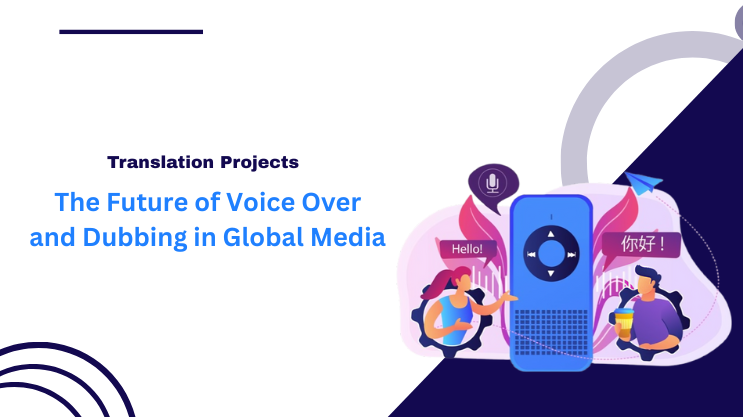
    The Future of Voice Over and Dubbing in Global Media

    As global media consumption continues to rise across borders, languages, and cultures, voice over and dubbing services have become essential tools for connecting audiences worldwide. From streaming platforms and gaming to corporate videos and e-learning, the demand for high-quality, culturally accurate voice content is growing rapidly. At Honey Translation Services, we stay ahead of these changes by delivering future-ready voice over and dubbing solutions that help brands communicate clearly and authentically across languages.

    The Growing Importance of Multilingual Media

    Today’s audiences expect content in their native language. Subtitles alone are no longer enough for immersive experiences. Voice over and dubbing bring stories, messages, and emotions to life, making content more relatable and accessible. As global platforms expand into regional markets, professionally localized audio has become a key factor in audience engagement and brand trust.

    Technology Shaping the Future of Voice Over

    Advancements in recording technology, AI-assisted workflows, and digital studios have transformed the voice over industry. Faster turnaround times, improved sound quality, and remote recording capabilities are now standard. However, while technology supports efficiency, human voice artists and linguistic experts remain irreplaceable for conveying tone, emotion, and cultural nuance.

    Honey Translation Services combines modern tools with skilled native voice talents to ensure every project maintains natural flow and authenticity, regardless of the target language.

    AI and Human Collaboration in Dubbing

    AI-generated voices are gaining attention, but global media still relies heavily on human dubbing for accuracy and emotional depth. The future lies in collaboration—where AI assists with timing and synchronization, while professional linguists and voice actors ensure cultural relevance and emotional connection.

    At Honey Translation Services, our dubbing process focuses on:

    • Native-speaking voice artists
    • Accurate lip-sync and timing
    • Cultural adaptation, not just translation
    • Industry-specific terminology

    This approach ensures content resonates with audiences, not just sounds translated.

    Expansion of Streaming, Gaming, and Digital Content

    Streaming platforms, online gaming, podcasts, and social media content are driving unprecedented demand for multilingual voice over and dubbing. Gamers expect immersive in-game voices, while viewers want seamless dubbed content without losing the original intent.

    Honey Translation Services supports diverse industries including entertainment, e-learning, corporate communications, healthcare, and gaming – delivering voice solutions that meet platform-specific and audience expectations.

    Localization Beyond Language

    The future of dubbing is not just about language – it’s about localization. Cultural references, humor, tone, and even pacing must align with local audiences. A successful voice over adapts content to feel native rather than foreign.

    Our localization experts at Honey Translation Services work closely with voice artists and translators to ensure every project reflects cultural sensitivity and brand consistency across regions.

    Rising Demand for Brand Voice Consistency

    As brands expand globally, maintaining a consistent brand voice across languages becomes crucial. Whether it’s an advertisement, explainer video, or IVR system, the voice should reflect the brand’s identity.

    Honey Translation Services helps businesses develop consistent multilingual voice strategies by:

    • Selecting suitable voice profiles
    • Maintaining tone consistency across languages
    • Ensuring pronunciation accuracy and clarity

    This builds trust and strengthens global brand recognition.

    Faster Turnaround with Quality Assurance

    The future demands speed – but never at the cost of quality. Businesses require quick delivery without compromising accuracy. Professional quality checks, sound reviews, and linguistic validation remain essential.

    At Honey Translation Services, every voice over and dubbing project undergoes strict quality control to ensure clarity, accuracy, and audience readiness.

    The Road Ahead for Voice Over and Dubbing

    As global media continues to evolve, voice over and dubbing will play an even more critical role in breaking language barriers. The future belongs to providers who combine technology, talent, and cultural expertise.

    Honey Translation Services is committed to delivering innovative, reliable, and culturally accurate voice over and dubbing solutions that help businesses and creators reach global audiences with confidence.

  • Preparing Your Business for Multilingual Communication in 2030

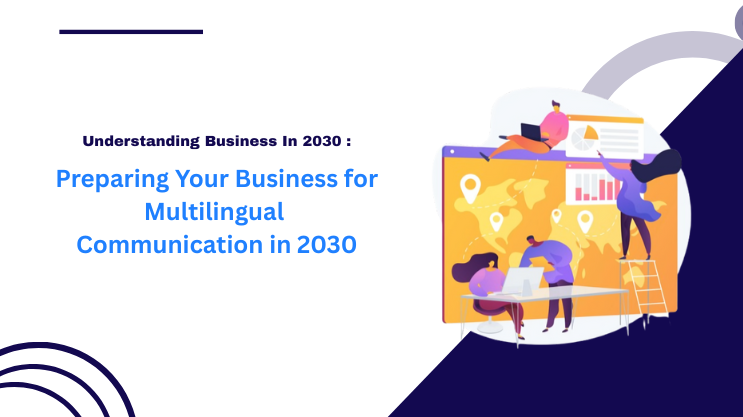
    Preparing Your Business for Multilingual Communication in 2030

    As we approach 2030, businesses are operating in increasingly global and digitally connected markets. Multilingual communication will no longer be optional – it will be a core part of reaching and engaging diverse audiences. Preparing your business for this future requires strategic planning, advanced localization practices, and leveraging technology to ensure consistent, culturally relevant messaging across all channels.


    Why Multilingual Communication Matters for the Future

    1. Global Market Reach: Engaging customers in their native languages increases accessibility and widens market potential.
    2. Enhanced Customer Experience: Personalized communication in local languages fosters trust, satisfaction, and loyalty.
    3. Competitive Advantage: Companies ready for multilingual communication will outperform competitors who rely solely on a single language.
    4. Brand Consistency: Maintaining a unified voice while adapting content culturally strengthens brand credibility worldwide.

    Challenges in Preparing for Multilingual Communication

    • Volume of Content: Businesses will need to manage increasing volumes of multilingual content across websites, apps, and marketing campaigns.
    • Cultural Adaptation: Effective localization requires more than translation; it demands an understanding of local customs, preferences, and communication styles.
    • Technology Integration: Leveraging AI, Translation Management Systems (TMS), and automation tools is necessary to handle large-scale content efficiently.
    • Maintaining Quality: Rapid expansion into multiple languages risks inconsistencies in tone, terminology, and messaging if not carefully managed.

    Best Practices for Future-Proofing Multilingual Communication

    1. Invest in Professional Localization Services: Engage experts who understand both language and industry-specific nuances.
    2. Develop a Comprehensive Style Guide: Ensure consistent terminology, tone, and brand voice across all languages.
    3. Leverage Technology: Implement TMS, AI-assisted translation, and content automation tools to scale operations efficiently.
    4. Plan for Continuous Updates: Keep content fresh and relevant, adapting to changing markets and emerging trends.
    5. Monitor Global Feedback: Collect insights from international audiences to refine messaging and improve engagement.

    Tools and Strategies to Adopt by 2030

    • AI-Powered Translation Tools: Accelerate translation while maintaining accuracy and context.
    • Translation Memory Systems (TMS): Ensure consistency across all multilingual content.
    • Cultural Consultation: Collaborate with local experts to ensure content resonates with target audiences.
    • Analytics and Performance Tracking: Monitor engagement metrics in different regions to optimize communication strategies.

    Conclusion

    Multilingual communication is essential for businesses aiming to thrive in the global markets of 2030. By combining professional localization, advanced technology, and cultural intelligence, companies can deliver seamless experiences to diverse audiences, strengthen brand loyalty, and secure a competitive advantage. Preparing today ensures your business remains agile, inclusive, and successful in the multilingual world of tomorrow.

    Multilingual communication 2030, global business communication, localization strategy, multilingual marketing, translation services, Honey Translation Services, future of business communication.


  • How Professional Dubbing Increases Viewer Retention Worldwide

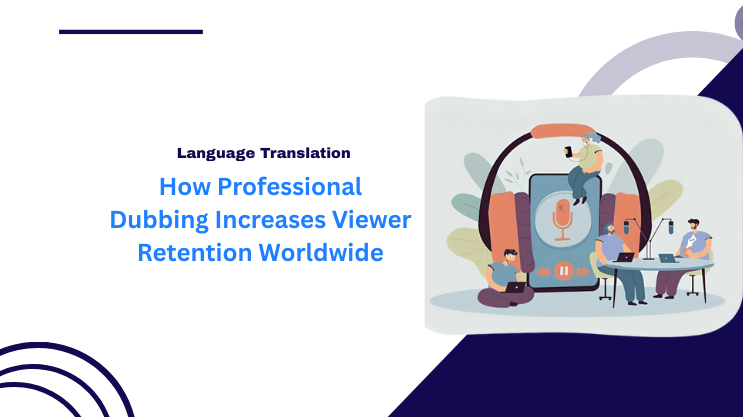
    How Professional Dubbing Increases Viewer Retention Worldwide

    In the age of global streaming and digital media, content crosses borders faster than ever. However, reaching a worldwide audience goes beyond subtitles-professional dubbing plays a critical role in keeping viewers engaged. By delivering content in the audience’s native language with high-quality voice performance, dubbing enhances understanding, emotional connection, and overall viewer retention.

    1. Breaking Language Barriers

    Dubbing allows audiences to enjoy content in their native language without the distraction of reading subtitles. This seamless experience makes content more accessible and appealing across diverse regions.

    Impact:

    • Immediate comprehension of dialogue
    • Easier engagement for younger audiences or casual viewers
    • Broader reach in international markets

    2. Enhancing Emotional Connection

    Professional dubbing captures the tone, mood, and emotions of characters more effectively than automated or amateur voiceovers. Skilled voice actors convey subtle nuances that resonate with viewers, making them feel connected to the story.

    Benefits:

    • Increased emotional engagement
    • Stronger audience attachment to characters
    • Higher likelihood of repeat viewing

    3. Maintaining Brand and Content Integrity

    High-quality dubbing ensures that the original message, humor, and cultural references are accurately conveyed, preserving the content creator’s vision. Poor dubbing can lead to misinterpretation or distraction, reducing audience satisfaction.

    Outcome:

    • Consistent brand voice and tone
    • Clear storytelling across languages
    • Avoidance of negative audience perception

    4. Supporting Viewer Retention and Loyalty

    Audiences are more likely to stay engaged with content that feels natural and relatable in their language. Professional dubbing keeps viewers immersed, reducing drop-offs and increasing the likelihood of binge-watching or repeated visits.

    Results include:

    • Higher viewer retention rates
    • Increased platform engagement
    • Strengthened subscriber loyalty for streaming services

    5. Competitive Advantage in Global Media

    With content being consumed worldwide, professional dubbing provides a competitive edge. Platforms and studios that invest in localized voiceovers attract a wider audience and establish stronger connections than those relying solely on subtitles.

    Advantages:

    • Differentiation in crowded markets
    • Expanded international audience base
    • Improved overall content performance

    Conclusion

    Professional dubbing is more than just translating dialogue-it’s about creating a rich, immersive experience that resonates with viewers worldwide. By breaking language barriers, enhancing emotional engagement, and maintaining content integrity, dubbing drives viewer retention, loyalty, and global success.

    Investing in professional dubbing isn’t just about localization-it’s a strategic move that helps content thrive on the international stage.

  • Challenges of Legal Document Translation and How to Overcome Them

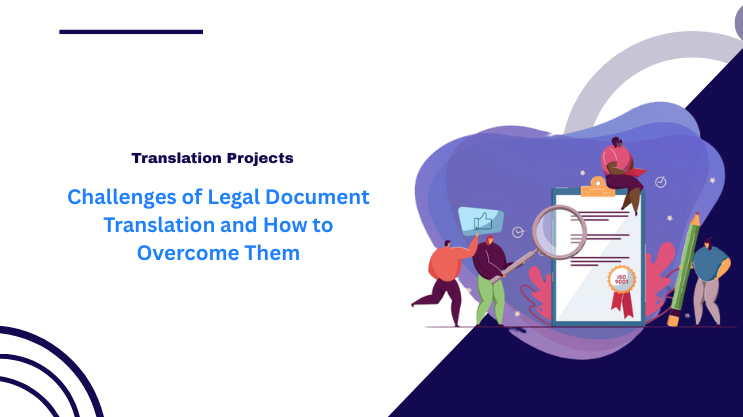
    Challenges of Legal Document Translation and How to Overcome Them

    Legal documents are highly sensitive, requiring precision, accuracy, and strict adherence to legal terminology. Translating contracts, agreements, patents, or court documents involves more than converting words from one language to another—it demands deep knowledge of legal systems, context, and culture. Misinterpretation can lead to serious consequences, including financial loss, legal disputes, or regulatory issues.

    1. Complexity of Legal Terminology

    Legal documents are filled with specialized terms and phrases that have specific meanings in their jurisdiction. Translators must understand the legal context and use equivalent terminology in the target language to avoid misinterpretation or ambiguity.

    2. Variations Across Legal Systems

    Different countries operate under distinct legal systems—common law, civil law, or religious law—which affects how legal concepts are expressed. Translators must be familiar with both the source and target legal frameworks to ensure accurate and compliant translations.

    3. Maintaining Accuracy and Consistency

    Even minor errors in a legal translation can have major consequences. Maintaining accuracy requires careful proofreading, quality checks, and consistency in terminology across the entire document to preserve its legal integrity.

    4. Handling Confidentiality and Security

    Legal documents often contain sensitive information. Professional translators follow strict confidentiality protocols and data security measures to protect client information throughout the translation process.

    5. Addressing Cultural and Linguistic Nuances

    Some legal concepts or idioms may not have direct equivalents in other languages. Translators must adapt these phrases while preserving the intended meaning, ensuring the document is understandable and legally valid in the target jurisdiction.

    6. Formatting and Legal Conventions

    Legal documents follow strict formatting, numbering, and citation rules. Translators must ensure that the translated document adheres to these conventions, making it acceptable for official use and maintaining its professional appearance.

    7. Utilizing Technology Without Compromising Quality

    Translation tools and software can speed up the process, but over-reliance on machine translation may lead to errors in legal context. Combining human expertise with technology ensures efficiency while maintaining accuracy.

    8. Collaborating with Legal Experts

    Working alongside lawyers, notaries, or legal consultants helps translators verify terminology, interpretations, and compliance with local regulations. This collaboration minimizes errors and enhances the reliability of the translated documents.

    In conclusion, legal document translation presents unique challenges that require expertise, cultural awareness, and precision. By understanding legal systems, maintaining consistency, protecting confidentiality, and collaborating with legal professionals, businesses can overcome these challenges and ensure accurate, trustworthy, and legally compliant translations across jurisdictions.

  • The Connection Between Localization and User Retention in Mobile Apps

    The Connection Between Localization and User Retention in Mobile Apps

    In the highly competitive mobile app market, retaining users is as important as acquiring them. One of the most effective ways to improve user retention is through localization. Localization adapts an app’s language, content, design, and functionality to meet the cultural and linguistic preferences of users in different regions. By providing a personalized experience, localized apps foster engagement, satisfaction, and loyalty.

    1. Understanding the Importance of Localization

    Localization goes beyond simple translation—it ensures that every aspect of the app resonates with the target audience. From menus and buttons to notifications and help sections, localized content makes the app feel native, reducing friction and increasing the likelihood that users will continue using it.

    2. Adapting Language for Clarity and Engagement

    Users are more likely to stay engaged when they can navigate and understand an app in their native language. Proper translation of text, idioms, and context-specific phrases enhances usability and prevents confusion, which directly impacts retention rates.

    3. Customizing Visuals and User Interface

    Localization includes adapting images, icons, color schemes, and layouts to align with cultural norms and preferences. A visually appealing and culturally relevant interface improves the overall user experience, encouraging users to return regularly.

    4. Incorporating Local Features and Payment Methods

    Apps that support region-specific features, payment options, and services demonstrate that they understand local needs. In eCommerce, for instance, offering local currencies and payment gateways builds trust and makes users more likely to engage repeatedly.

    5. Enhancing Onboarding and Tutorials

    Localized onboarding experiences help users understand the app quickly and efficiently. Providing instructions, tips, and tutorials in the native language ensures that users can start using the app without frustration, improving early retention metrics.

    6. Personalizing Notifications and Push Messages

    Push notifications tailored to local languages, cultural references, and user behavior increase relevance and response rates. Personalized communication helps keep users engaged and encourages regular interaction with the app.

    7. Improving Customer Support Experience

    Offering multilingual support within the app allows users to resolve issues easily. Fast and understandable assistance reduces churn and strengthens user trust, directly contributing to long-term retention.

    8. Measuring the Impact of Localization

    Tracking user behavior, engagement metrics, and retention rates in different regions provides insights into the effectiveness of localization efforts. Continuous improvement based on data ensures that the app remains user-friendly and culturally relevant across markets.

    In conclusion, localization plays a crucial role in mobile app user retention. By adapting language, design, features, and communication to local audiences, businesses can enhance user satisfaction, reduce churn, and build long-term loyalty in global markets.

  • The Future of Apostille and Attestation Services in a Digital World

    The Future of Apostille and Attestation Services in a Digital World

    In today’s globalized era, individuals and businesses frequently need official documents recognized across international borders. Apostille and attestation services play a critical role in validating documents for overseas education, employment, migration, business expansion, and legal use. As digital transformation reshapes traditional processes, the future of apostille and attestation services is rapidly evolving. At Honey Translation Services, we stay ahead of these changes to offer faster, more reliable, and globally compliant solutions.

    Understanding Apostille and Attestation in a Global Context

    Apostille and attestation are official verification processes that confirm the authenticity of documents issued in one country for use in another. Apostille is applicable among countries that are part of the Hague Convention, while attestation involves multiple levels of verification for non-member countries. Traditionally, these processes required physical paperwork, long queues, and extended turnaround times. However, digital innovation is redefining how these services operate.

    The Shift Toward Digital Documentation

    Governments and authorities worldwide are increasingly adopting digital records, e-certificates, and online verification platforms. Educational certificates, birth records, and commercial documents are now being issued or stored digitally. This shift reduces the risk of document loss, improves accuracy, and significantly speeds up apostille and attestation procedures. Honey Translation Services leverages these digital advancements to ensure smooth coordination with relevant authorities.

    Automation and Faster Processing Times

    One of the most notable changes in apostille and attestation services is the introduction of automation. Online appointment systems, digital tracking, and centralized databases allow for real-time updates and reduced processing delays. Clients can now monitor their document status without repeated follow-ups. Honey Translation Services integrates streamlined workflows to deliver quicker turnaround times while maintaining complete compliance with legal standards.

    Enhanced Security and Fraud Prevention

    Digital apostille systems use advanced encryption, QR codes, and blockchain-based verification to prevent forgery and unauthorized alterations. These security enhancements protect sensitive personal and corporate data. As document fraud becomes more sophisticated, digital verification provides a safer and more reliable alternative. Honey Translation Services ensures that all documents undergo strict quality checks before submission, minimizing rejection risks.

    Integration with Translation and Localization Services

    As documents cross borders, accurate translation becomes essential. Apostille and attestation processes often require certified translations that meet the destination country’s legal requirements. The future lies in seamless integration between documentation, translation, and localization services. Honey Translation Services offers end-to-end solutions, combining professional translation with apostille and attestation support, ensuring clarity, accuracy, and acceptance worldwide.

    Improved Accessibility for Global Clients

    Digital platforms eliminate geographical barriers, allowing clients to initiate apostille and attestation services from anywhere in the world. This is particularly beneficial for students, professionals, and businesses operating internationally. With online consultations, document uploads, and digital communication, Honey Translation Services provides convenient access to global documentation solutions without unnecessary travel or delays.

    The Role of Expertise in a Digital Era

    While technology accelerates processes, expert guidance remains essential. Regulations vary by country and document type, and errors can lead to costly delays. Professional service providers bridge the gap between digital systems and legal requirements. Honey Translation Services combines technological efficiency with expert knowledge to navigate complex apostille and attestation procedures with confidence.

    Preparing for a Paperless Future

    As governments move closer to paperless systems, apostille and attestation services will continue to evolve. Digital apostilles, cross-border data sharing, and AI-assisted verification are expected to become standard practices. Businesses and individuals who adapt early will benefit from faster approvals and smoother international transactions. Honey Translation Services remains committed to adopting future-ready solutions that align with global standards.

    Why Choose Honey Translation Services

    With extensive experience in apostille, attestation, translation, and localization services, Honey Translation Services offers a trusted partnership in an increasingly digital world. Our client-focused approach, attention to detail, and commitment to accuracy ensure that your documents are handled with care, confidentiality, and efficiency.

    Conclusion

    The future of apostille and attestation services is digital, secure, and client-centric. As processes become more streamlined and technology-driven, choosing the right service provider is crucial. Honey Translation Services stands at the forefront of this transformation, delivering reliable, compliant, and future-ready apostille and attestation solutions for global success.

  • Transcription Services That Save Time and Improve Accuracy

    Transcription Services That Save Time and Improve Accuracy

    In today’s fast-paced business environment, accurate and timely documentation is crucial. Transcription services have evolved from basic typing tasks to advanced solutions that help businesses, professionals, and organizations save time, maintain accuracy, and streamline communication. By outsourcing transcription, companies can focus on core activities while ensuring that their audio and video content is effectively captured and utilized.

    1. Time Efficiency and Productivity

    Transcribing audio and video manually is time-consuming. Professional transcription services significantly reduce the workload, allowing teams to focus on strategic tasks rather than spending hours on documentation.

    Benefits:

    • Faster turnaround times
    • More time for core business activities
    • Increased overall productivity

    2. Accuracy and Reliability

    Errors in transcription can lead to miscommunication, compliance issues, or poor decision-making. Professional transcription services employ skilled transcribers and advanced tools to ensure high accuracy and precision in capturing spoken content.

    Key advantages:

    • Correct spelling, grammar, and punctuation
    • Proper identification of speakers and context
    • Reliable documentation for professional use

    3. Enhanced Accessibility and Compliance

    Transcription services make content accessible to diverse audiences, including those with hearing impairments. They also help organizations meet regulatory requirements, especially in legal, medical, and corporate sectors.

    Impact includes:

    • Compliance with industry standards and regulations
    • Improved accessibility for employees, clients, and audiences
    • Documentation that can serve as official records

    4. Support for Multiple Content Types

    Transcription services are versatile and can handle various types of content, including:

    • Meetings and conference calls
    • Webinars and online courses
    • Podcasts and media content
    • Interviews and focus groups

    This flexibility ensures that businesses across industries can benefit from accurate, well-organized transcripts.

    5. Integration with Business Operations

    Modern transcription services often integrate with digital tools, enabling searchable transcripts, data analysis, and content repurposing. This adds value beyond simple documentation.

    Advantages include:

    • Easier reference and knowledge management
    • Enhanced content marketing opportunities
    • Streamlined workflow for teams

    Conclusion

    Transcription services are more than just a convenience-they are a strategic tool for improving efficiency, accuracy, and accessibility. By leveraging professional transcription, businesses save time, reduce errors, and ensure that critical information is documented reliably. In a world where every minute counts, investing in quality transcription services transforms how organizations capture, share, and utilize information.