Author: admin

  • Document Legalization Made Easy for International Use

    Document Legalization Made Easy for International Use

    In today’s globalized world, legal documents often need to cross borders for business, education, or personal purposes. Whether it’s contracts, academic certificates, or corporate paperwork, document legalization ensures that documents are recognized and accepted internationally. Understanding the process and seeking professional assistance can simplify what might otherwise be a complex and time-consuming task.

    1. What is Document Legalization?

    Document legalization is the process of certifying a document so that it is recognized as valid in a foreign country. It ensures that signatures, seals, and content are officially verified and accepted by foreign authorities.

    Key steps often include:

    • Notarization by a certified notary
    • Verification by relevant government authorities
    • Apostille or consular authentication

    2. Why Document Legalization is Important

    Without proper legalization, documents may be rejected by foreign institutions, causing delays or legal complications. This is crucial for:

    • International business contracts and agreements
    • Educational transcripts for study abroad
    • Personal documents like birth certificates, marriage certificates, or powers of attorney

    Benefits:

    • Ensures authenticity and acceptance abroad
    • Avoids legal disputes or rejection
    • Facilitates smooth international transactions

    3. The Apostille vs. Consular Legalization

    The method of legalization depends on the destination country:

    • Apostille: Used for countries that are part of the Hague Convention, simplifying document acceptance internationally.
    • Consular Legalization: Required for countries not part of the Hague Convention, involving verification through the foreign consulate.

    Choosing the right method is essential to avoid delays and ensure compliance.

    4. How Professional Services Simplify the Process

    Professional document legalization services handle the entire process, ensuring that documents are accurately verified and meet all legal requirements. They:

    • Provide guidance on necessary certifications
    • Coordinate with government authorities and embassies
    • Reduce the risk of errors and delays

    Impact for individuals and businesses:

    • Time-saving and hassle-free
    • Accurate and legally compliant documentation
    • Peace of mind for international use

    5. Preparing for International Use

    Before sending documents abroad, it’s important to:

    • Identify the exact legalization requirements of the destination country
    • Ensure all signatures and notarizations are complete
    • Use a trusted service provider to handle the process

    This preparation helps streamline approvals and ensures smooth acceptance of your documents globally.

    Conclusion

    Document legalization is a critical step for anyone dealing with international paperwork. By leveraging professional services, individuals and businesses can simplify the process, ensure compliance, and avoid potential legal complications. With the right guidance, document legalization becomes not just manageable but efficient, paving the way for seamless international use.
  • How Multilingual Audio Increases Engagement and Reach

    How Multilingual Audio Increases Engagement and Reach

    In today’s global digital landscape, reaching audiences across borders requires more than just text-it requires sound. Multilingual audio content, including podcasts, voiceovers, and audio ads, has emerged as a powerful tool for engaging diverse audiences. By speaking directly in your audience’s language, businesses can boost engagement, strengthen connections, and expand their reach worldwide.

    1. Connecting with Audiences in Their Native Language

    Hearing content in one’s native language creates instant familiarity and trust. Multilingual audio removes language barriers, making messages more relatable and impactful.

    Benefits:

    • Improved audience comprehension
    • Stronger emotional connection
    • Higher retention and recall

    2. Enhancing Accessibility and Inclusivity

    Audio content is inherently accessible, and when offered in multiple languages, it becomes inclusive for diverse audiences, including those with reading difficulties or visual impairments.

    Key advantages:

    • Broader audience accessibility
    • Increased brand inclusivity
    • Strengthened community engagement

    3. Boosting Engagement Across Platforms

    Audio content performs well across multiple channels-social media, websites, apps, and streaming platforms. Multilingual audio ensures that your content resonates globally, increasing shares, listens, and interaction.

    Engagement impact:

    • Higher content consumption rates
    • Improved social media interaction
    • Greater audience loyalty

    4. Supporting Marketing and Brand Strategy

    Multilingual audio strengthens marketing campaigns by delivering messages in culturally relevant ways. Voice tone, emotion, and style can be tailored to local preferences, enhancing brand perception and campaign effectiveness.

    Marketing benefits:

    • Greater campaign resonance
    • Enhanced brand authenticity
    • Increased conversion and ROI

    5. Driving Global Reach and Business Growth

    Businesses that leverage multilingual audio can expand into new markets more efficiently. Audio content transcends literacy levels and connects with audiences on a personal level, making global expansion smoother and more effective.

    Long-term advantages:

    • Expanded international audience
    • Strengthened cross-border communication
    • Sustainable global growth

    Conclusion

    Multilingual audio is more than a trend-it’s a strategic tool for global engagement. By delivering content that speaks directly to audiences in their language, businesses can foster connection, inclusivity, and loyalty while expanding their reach worldwide.

    Investing in multilingual audio content today is an investment in global engagement and long-term business success.

  • Writing for Global Audiences: Why One Language Is Not Enough

    Writing for Global Audiences: Why One Language Is Not Enough

    In a world that is more connected than ever, writing for a single language audience limits your reach and impact. Businesses, content creators, and brands seeking international growth must recognize that effective communication transcends language barriers. Crafting content for global audiences is not just about translation—it’s about connecting meaningfully with diverse cultures and markets.

    1. Expanding Reach and Accessibility

    Limiting content to one language means excluding millions of potential customers, readers, or partners. Multilingual content makes your brand accessible to a wider audience and demonstrates inclusivity.

    Benefits:

    • Increased market reach
    • Higher engagement and readership
    • Enhanced global visibility

    2. Cultural Relevance Matters

    Writing in another language is not just about words; it’s about context, culture, and nuances. Audiences respond best when content reflects local values, idioms, and social norms.

    Why it’s important:

    • Builds trust and credibility
    • Avoids cultural missteps
    • Strengthens brand loyalty

    3. Driving Business Growth

    Multilingual content is a strategic business tool. It helps companies tap into international markets, attract global clients, and improve conversion rates.

    Impact:

    • Expands customer base
    • Boosts sales and revenue
    • Supports international partnerships

    4. SEO and Digital Presence

    Global audiences often search in their native language. Creating content in multiple languages improves your search engine visibility across regions, driving organic traffic and increasing brand recognition worldwide.

    Advantages:

    • Higher global search rankings
    • Better website traffic from diverse markets
    • Stronger online presence

    5. Maintaining Consistent Brand Voice

    Writing for global audiences requires more than literal translation-it involves transcreation to preserve tone, style, and messaging across languages. Professional multilingual copywriters ensure your brand voice is consistent yet culturally adapted.

    Outcome:

    • Unified brand identity worldwide
    • Engaging and persuasive content
    • Greater audience connection

    Conclusion

    One language is no longer sufficient in a globalized world. Writing for multiple languages allows brands to reach diverse audiences, build trust, and grow internationally. By embracing multilingual content, businesses and creators can transform communication into a powerful tool for global engagement, influence, and success.

    Investing in professional multilingual content is not just a choice-it’s a necessity for thriving in a connected world.

  • The Importance of Localization in Global Event Management

    The Importance of Localization in Global Event Management

    Global events-conferences, trade shows, virtual summits, or product launches-bring together audiences from diverse linguistic and cultural backgrounds. Successful event management goes beyond logistics; it requires ensuring that every participant feels included, informed, and engaged. Localization plays a pivotal role in tailoring content, communication, and experiences to meet the cultural expectations of international attendees.


    Why Localization Matters in Global Event Management

    1. Enhanced Audience Engagement: Localized invitations, agendas, and event materials increase attendee participation and satisfaction.
    2. Clear Communication: Multilingual content ensures key messages, instructions, and schedules are easily understood.
    3. Cultural Sensitivity: Adapting visuals, colors, and references to local cultures avoids misunderstandings or offense.
    4. Brand Reputation: Well-localized events reflect professionalism and a global mindset, strengthening brand credibility.
    5. Increased ROI: Higher attendee engagement, reduced confusion, and smoother operations contribute to better outcomes and returns.

    Key Areas Where Localization Impacts Events

    • Event Websites & Registration Pages: Translate all online content for clarity and accessibility.
    • Promotional Materials: Localize email campaigns, social media posts, brochures, and videos to resonate with target audiences.
    • Event Agenda & Presentations: Ensure slides, speeches, and handouts are adapted to local languages and cultural context.
    • Live Interpretation & Subtitling: Offer real-time translation or subtitling for sessions to ensure everyone can participate.
    • Signage & On-Site Communication: Multilingual signs, instructions, and digital displays enhance attendee experience.

    Challenges in Localizing Global Events

    • Tight Timelines: Event deadlines require fast, accurate translation and localization.
    • Consistency Across Channels: Ensuring uniform messaging across websites, emails, presentations, and signage is critical.
    • Cultural Nuances: Visuals, idioms, and colors may carry different meanings in different cultures.
    • Dynamic Content: Last-minute updates, announcements, or session changes must be quickly localized.

    Best Practices for Successful Event Localization

    1. Plan Early: Integrate localization into your event strategy from the beginning.
    2. Hire Professional Translators: Use experts familiar with both language and industry-specific terminology.
    3. Use Localization Tools: Translation management systems (TMS) and CAT tools help maintain accuracy and consistency.
    4. Test and Review: Validate translations with native speakers to ensure clarity and cultural appropriateness.
    5. Include Multilingual Support: Offer interpreters, subtitling, and multilingual guides to enhance accessibility.

    Conclusion

    Localization is more than translation-it’s about creating an inclusive, culturally sensitive, and engaging experience for global attendees. By prioritizing localization in event management, businesses can enhance attendee satisfaction, strengthen brand reputation, and maximize the impact of their international events. In a connected world, culturally aware events are the key to global success.


    SEO Keywords:
    event localization, global event management, multilingual events, international conference translation, cultural adaptation, event translation services, Honey Translation Services.


  • Preparing for a Global Future Through Language Learning

    Preparing for a Global Future Through Language Learning

    As the world becomes more interconnected, the ability to communicate across languages is no longer optional—it is essential. Language learning plays a critical role in preparing individuals and organizations for a global future, enabling meaningful connections, cultural understanding, and sustainable growth in an international environment.

    1. Language Learning as a Foundation for Global Readiness

    Learning a new language equips people with the skills needed to interact confidently across borders. It enhances communication, broadens perspectives, and fosters adaptability in a rapidly changing global landscape.

    Key advantages:

    • Improved global communication skills
    • Greater cultural awareness
    • Increased personal and professional confidence

    2. Building Cross-Cultural Competence

    Language is deeply tied to culture. By learning a language, individuals gain insight into traditions, values, and social norms, helping them engage respectfully and effectively with people from diverse backgrounds.

    Why it matters:

    • Encourages mutual respect and understanding
    • Reduces cultural misunderstandings
    • Strengthens international relationships

    3. Expanding Career Opportunities

    Multilingual skills are highly valued in today’s global job market. Employers seek professionals who can collaborate with international teams, communicate with global clients, and adapt to multicultural environments.

    Career benefits include:

    • Competitive advantage in global industries
    • Increased employability and career mobility
    • Leadership opportunities in international roles

    4. Supporting Global Business Growth

    For businesses, investing in language learning helps teams navigate international markets more effectively. Employees who understand local languages and cultures can build trust, negotiate better, and represent the brand more authentically.

    Business impact:

    • Stronger global partnerships
    • Enhanced customer relationships
    • Improved market expansion strategies

    5. Language Learning in the Digital Era

    Modern technology has transformed how languages are learned. Online platforms, virtual classrooms, and AI-powered tools provide flexible and personalized learning experiences for learners at all levels.

    Modern learning benefits:

    • Accessibility from anywhere in the world
    • Self-paced and interactive learning
    • Continuous skill development

    Conclusion

    Preparing for a global future requires more than technological innovation-it requires effective communication and cultural understanding. Language learning empowers individuals and organizations to connect beyond borders, embrace diversity, and thrive in a multilingual world.

    By investing in language learning today, you build a foundation for global success tomorrow.

  • Medical Translation Accuracy: A Critical Factor in Patient Safety

    Medical Translation Accuracy: A Critical Factor in Patient Safety

    In healthcare, clear communication can be a matter of life and death. As medical services increasingly serve multilingual and multicultural populations, accurate medical translation has become essential. Even minor translation errors can lead to misdiagnosis, incorrect treatment, or serious patient harm. This makes medical translation accuracy a critical factor in ensuring patient safety and quality care.

    1. Why Accuracy Matters in Medical Translation

    Medical content involves complex terminology, precise instructions, and sensitive information. Inaccurate translations can distort meaning and create dangerous misunderstandings between healthcare providers and patients.

    Risks of poor translation include:

    • Incorrect medication usage or dosage
    • Misinterpretation of symptoms or diagnoses
    • Failure to follow treatment or aftercare instructions

    2. Impact on Patient Safety and Care Quality

    Accurate medical translation ensures that patients fully understand their health conditions, treatment plans, and consent forms. It empowers patients to make informed decisions and follow medical guidance correctly.

    Key benefits:

    • Improved patient understanding and compliance
    • Reduced medical errors
    • Better health outcomes

    3. Role of Specialized Medical Translators

    Medical translation requires more than language skills-it demands expertise in medical terminology, healthcare systems, and regulatory standards. Professional medical translators are trained to handle this complexity with precision.

    Professional expertise includes:

    • Knowledge of medical and pharmaceutical terminology
    • Familiarity with healthcare regulations
    • Strict adherence to accuracy and confidentiality

    4. Regulatory Compliance and Legal Protection

    Healthcare providers must comply with strict legal and regulatory requirements. Accurate medical translation helps organizations meet international standards and avoid legal risks related to patient consent and documentation.

    Compliance advantages:

    • Accurate informed consent forms
    • Proper documentation for audits and legal review
    • Reduced liability risks

    5. Human Expertise in an AI-Assisted World

    While AI tools can support speed and efficiency, medical translation demands human oversight. Context, nuance, and clinical judgment are essential to ensure accuracy and patient safety.

    Why human review is essential:

    • Validation of critical information
    • Error detection and correction
    • Ethical and responsible translation practices

    Conclusion

    Medical translation accuracy is not optional-it is a fundamental requirement for patient safety. By investing in professional medical translation services, healthcare providers can ensure clear communication, reduce risks, and deliver safe, effective, and inclusive care to diverse patient populations.

    Accurate medical translation saves more than time and cost-it saves lives.

  • Translating Legal Contracts for Cross-Border Businesses

    Translating Legal Contracts for Cross-Border Businesses

    In today’s globalized economy, businesses frequently engage in cross-border transactions. Legal contracts are the backbone of these agreements, outlining obligations, rights, and liabilities. Accurate translation of these contracts is essential to prevent misunderstandings, ensure compliance with local laws, and protect businesses from costly legal disputes.


    Why Legal Contract Translation Matters

    1. Legal Accuracy: Even a minor mistranslation can lead to misinterpretation of obligations or terms, risking legal disputes.
    2. Cross-Border Compliance: Different countries have unique legal requirements; translations ensure adherence to local regulations.
    3. Investor Confidence: Clear and precise contracts build trust among international partners and investors.
    4. Business Continuity: Correct translations prevent delays or disputes in negotiations and implementation.

    Challenges in Translating Legal Contracts

    • Complex Legal Terminology: Terms often have precise definitions in each jurisdiction, requiring expert knowledge.
    • Cultural and Jurisdictional Differences: Legal concepts may not have direct equivalents in another language.
    • Maintaining Tone and Clarity: Contracts must remain formal and unambiguous while translating into another language.
    • Volume and Deadlines: Large contracts require quick turnaround without compromising accuracy.

    Best Practices for Translating Legal Contracts

    1. Hire Specialized Legal Translators: Use linguists with expertise in legal and cross-border business translation.
    2. Maintain Consistent Terminology: Use glossaries or translation memory tools to ensure uniform language throughout documents.
    3. Collaborate with Legal Teams: Translators should work closely with lawyers to verify context and legal meaning.
    4. Focus on Accuracy, Not Literal Translation: Adapt terms carefully to convey the intended legal effect.
    5. Use Quality Assurance Processes: Proofread, review, and validate translations to avoid errors.

    Tools and Services to Aid Legal Translation

    • Translation Memory Systems (TMS): Ensure consistent terminology and faster turnaround.
    • Legal Glossaries: Standardize terminology across multiple languages and contracts.
    • Secure File Sharing: Protect sensitive contract information during translation.
    • In-context Review Platforms: Allow translators and legal teams to view text in the document format.

    Conclusion

    Translating legal contracts for cross-border businesses is a high-stakes task that demands precision, expertise, and cultural awareness. Professional translation ensures contracts are legally sound, clear, and enforceable across jurisdictions, safeguarding businesses from disputes and facilitating smooth international operations. Investing in expert legal translation is essential for global business success.

    legal contract translation, cross-border business translation, international contract translation, legal document translation, multilingual contract services, Honey Translation Services.


  • From Agreements to Affidavits: The Importance of Professional Legal Translators

    From Agreements to Affidavits: The Importance of Professional Legal Translators

    In the legal world, precision is everything. A single mistranslated word can change the meaning of a clause, invalidate a document, or lead to costly disputes. From contracts and agreements to affidavits and court filings, professional legal translators play a critical role in ensuring accuracy, compliance, and clarity across languages.

    1. Why Legal Translation Requires Specialized Expertise

    Legal language is complex, technical, and highly structured. Professional legal translators possess not only linguistic skills but also a deep understanding of legal terminology, systems, and procedures in both source and target languages.

    Key expertise includes:

    • Knowledge of legal concepts and frameworks
    • Mastery of legal terminology
    • Awareness of jurisdiction-specific requirements

    2. Accuracy and Risk Mitigation

    Legal documents carry binding consequences. Errors in translation can lead to misinterpretation, contract breaches, or legal liabilities. Professional legal translators ensure precise and faithful translations that reduce risk.

    Why accuracy matters:

    • Protects legal rights and obligations
    • Prevents costly disputes and delays
    • Ensures enforceability of documents

    3. Ensuring Compliance Across Jurisdictions

    Different countries follow different legal systems and regulations. Professional legal translators understand these differences and adapt documents to meet local legal standards without altering their original intent.

    Compliance benefits:

    • Acceptance by courts and authorities
    • Alignment with local laws and regulations
    • Smooth cross-border legal processes

    4. Confidentiality and Ethical Responsibility

    Legal documents often contain sensitive and confidential information. Professional legal translators follow strict confidentiality protocols and ethical standards to protect client data.

    Professional safeguards include:

    • Secure document handling
    • Non-disclosure agreements
    • Ethical translation practices

    5. From Agreements to Affidavits: Documents That Demand Precision

    Professional legal translators handle a wide range of legal documents, including:

    • Contracts and agreements
    • Affidavits and declarations
    • Court judgments and pleadings
    • Power of attorney documents
    • Compliance and regulatory filings

    Each document requires careful attention to tone, structure, and legal intent.

    Conclusion

    Professional legal translators are essential partners in today’s global legal environment. By ensuring accuracy, confidentiality, and compliance, they help individuals, law firms, and businesses navigate legal matters across languages with confidence.

    From agreements to affidavits, investing in professional legal translation is not just a necessity-it’s a safeguard for legal integrity and peace of mind.

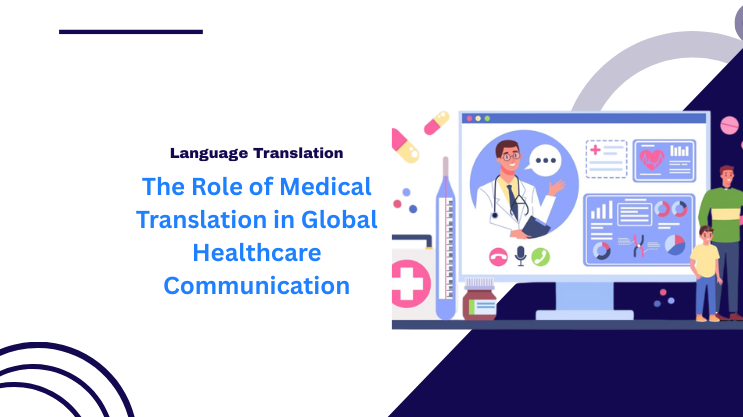
  • The Role of Medical Translation in Global Healthcare Communication

    The Role of Medical Translation in Global Healthcare Communication

    In today’s globalized healthcare landscape, effective communication can be the difference between accurate treatment and serious medical risk. As patients, healthcare providers, and pharmaceutical companies operate across borders, medical translation plays a critical role in ensuring clarity, safety, and trust in global healthcare communication.

    1. Bridging Language Gaps in Patient Care

    Patients must fully understand diagnoses, treatment plans, and medication instructions. Medical translation ensures that language differences do not compromise patient safety or outcomes.

    Key benefits:

    • Clear doctor–patient communication
    • Improved patient understanding and compliance
    • Reduced risk of medical errors

    2. Supporting Accurate Medical Documentation

    Medical records, discharge summaries, lab reports, and consent forms require precise and accurate translation. Even minor errors can lead to misinterpretation and serious consequences.

    Why accuracy matters:

    • Ensures continuity of care
    • Maintains data integrity
    • Protects healthcare providers from liability

    3. Enabling Global Clinical Research and Trials

    Medical translation supports international clinical trials by translating protocols, informed consent forms, case reports, and regulatory submissions. This ensures ethical participation and consistent data collection across regions.

    Impact on research:

    • Enables multinational collaboration
    • Ensures regulatory compliance
    • Improves research transparency

    4. Facilitating Pharmaceutical and Medical Device Communication

    Pharmaceutical companies and medical device manufacturers rely on medical translation for packaging, labeling, instructions for use (IFUs), and marketing materials. These translations must meet strict regulatory and safety standards.

    Essential outcomes:

    • Regulatory approval across markets
    • Safe and correct product usage
    • Global market access

    5. Ensuring Compliance with Global Healthcare Regulations

    Healthcare communication must comply with international and local regulations such as FDA, EMA, and WHO guidelines. Professional medical translators understand these regulatory frameworks and industry terminology.

    Compliance advantages:

    • Reduced legal and regulatory risks
    • Accurate standardized terminology
    • Faster approval processes

    6. The Importance of Human Expertise in Medical Translation

    While AI tools can assist with speed, medical translation requires human expertise, subject-matter knowledge, and ethical responsibility. Professional medical translators ensure accuracy, cultural sensitivity, and contextual understanding.

    Why human translators matter:

    • Deep medical knowledge
    • Context-aware translations
    • Patient safety assurance

    Conclusion

    Medical translation is a vital component of global healthcare communication. By bridging language barriers, it improves patient care, supports medical innovation, and ensures regulatory compliance. Investing in professional medical translation is not just about communication-it is about safeguarding lives and advancing global health.

  • How Cultural Context Shapes Brand Messaging

    How Cultural Context Shapes Brand Messaging

    In a global marketplace, one-size-fits-all marketing no longer works. A message that resonates in one country may fall flat-or even offend-in another. Understanding cultural context is essential for crafting brand messaging that connects, engages, and builds trust with diverse audiences.


    What Is Cultural Context in Branding?

    Cultural context refers to the beliefs, values, customs, and social norms that influence how people perceive communication. When brands consider these factors, they create messaging that aligns with local expectations while maintaining global brand identity.

    Examples include:

    • Colors and symbols with cultural significance
    • Language nuances and idioms
    • Humor, tone, and formality
    • Consumer behavior and societal values

    Why Cultural Context Matters for Brand Messaging

    1. Builds Trust and Credibility: Respecting cultural norms shows audiences that a brand understands and values them.
    2. Enhances Engagement: Culturally relevant messaging resonates more, encouraging interactions and conversions.
    3. Prevents Missteps: Avoids misunderstandings, offensive language, or negative brand perception.
    4. Strengthens Global Identity: Balances local adaptation with a consistent international brand voice.

    Challenges in Adapting Brand Messaging

    • Literal Translations: Direct translation may miss nuances or cultural references.
    • Tone and Humor: Jokes, metaphors, or informal tones may not translate well.
    • Visual Elements: Images, colors, and layouts can carry different meanings across cultures.
    • Diverse Market Segments: Even within a single country, cultural perceptions can vary widely.

    Best Practices for Culturally-Aware Brand Messaging

    1. Invest in Localization: Adapt messaging to local languages, customs, and consumer expectations.
    2. Conduct Cultural Research: Study the target audience’s values, communication style, and preferences.
    3. Work With Native Experts: Collaborate with translators and marketers who understand the cultural context.
    4. Test Campaigns Locally: Run focus groups or pilot campaigns to gather feedback before full-scale launches.
    5. Maintain Brand Consistency: Ensure that local adaptations align with the global brand identity.

    Tools That Support Cultural Localization

    • Translation Management Systems (TMS): Streamline multilingual messaging while maintaining consistency.
    • Glossaries and Style Guides: Standardize terminology and tone across languages.
    • Cultural Consultants: Provide guidance on customs, taboos, and trends.
    • Market Research Tools: Analyze consumer behavior and sentiment in target regions.

    Conclusion

    Cultural context shapes how brand messages are received. By understanding local values, preferences, and communication styles, businesses can craft messaging that resonates globally while respecting local sensibilities. Effective localization ensures brands connect meaningfully with international audiences, enhance engagement, and strengthen reputation worldwide.

    cultural context in branding, brand messaging localization, global marketing strategies, multilingual brand communication, international marketing, Honey Translation Services.