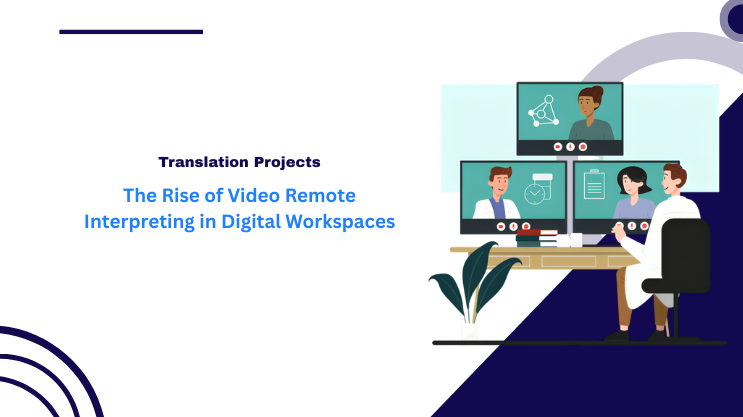
In today’s globalized business world, communication across languages is no longer optional—it’s essential. Video Remote Interpreting (VRI) is transforming how companies connect with clients, colleagues, and partners worldwide. By combining technology and professional interpretation, VRI enables seamless multilingual communication without physical presence.
What is Video Remote Interpreting?
Video Remote Interpreting is a service that allows interpreters to provide real-time language support through video calls. Unlike traditional in-person interpreting, VRI leverages digital platforms to connect interpreters with individuals or teams from anywhere in the world. This approach is fast, efficient, and adaptable to modern digital workspaces.
Benefits for Digital Workspaces
- Enhanced Accessibility: Employees and clients can access interpretation services instantly, no matter their location.
- Cost Efficiency: Eliminates travel costs and reduces time delays associated with in-person interpreting.
- Flexibility: Supports multiple languages and can be scheduled on-demand or for recurring meetings.
- Productivity Boost: Teams spend less time waiting for interpreters and more time collaborating effectively.
Industries Embracing VRI
- Corporate Meetings: Global businesses use VRI for board meetings, client presentations, and negotiations.
- Healthcare: Doctors and patients communicate effectively across language barriers without requiring in-person interpreters.
- Legal Services: Courts and law firms rely on VRI for remote depositions and multilingual consultations.
- Education: Online learning platforms and universities provide language support for international students.
Challenges and Solutions
While VRI offers immense benefits, challenges such as connectivity issues, privacy concerns, and limited technological familiarity can arise. Addressing these requires reliable internet connections, secure platforms, and training for staff and interpreters to ensure smooth communication.
Future of VRI in the Workplace
As remote and hybrid work models continue to grow, VRI is set to become a standard tool in global business operations. AI-driven features like automated scheduling, real-time transcription, and multilingual support are expected to enhance efficiency even further.
Conclusion
Video Remote Interpreting is reshaping how organizations communicate in digital workspaces. By breaking down language barriers, VRI not only promotes inclusivity but also drives productivity, efficiency, and global collaboration. For businesses aiming to thrive in an interconnected world, investing in VRI technology is no longer optional—it’s essential.