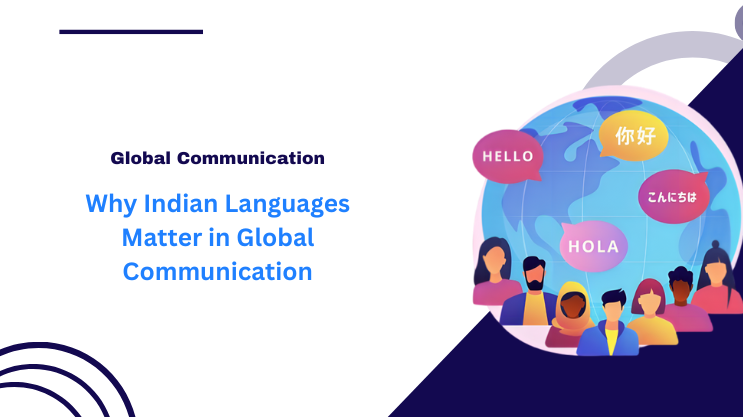
India is one of the most linguistically diverse countries in the world, with hundreds of languages and thousands of dialects spoken across regions. As global businesses expand into new markets, Indian languages are becoming increasingly important in international communication strategies. Understanding and embracing this diversity is no longer optional-it is essential for meaningful global engagement.
At Honey Translation, we help businesses bridge language gaps by delivering accurate and culturally relevant translations across major Indian and global languages.
1. India as a Global Economic Power
India is one of the fastest-growing economies, with a rapidly expanding digital population. Millions of consumers prefer accessing content, products, and services in their native language rather than in English.
Communicating in Indian languages such as Hindi, Tamil, Telugu, Malayalam, Kannada, Bengali, and Marathi allows businesses to:
- Reach wider audiences
- Build trust faster
- Improve customer engagement and conversions
2. Language Builds Trust and Inclusion
Language is deeply tied to identity and emotion. When businesses communicate in local Indian languages, they show respect for culture and inclusivity.
Localized communication helps:
- Strengthen brand credibility
- Improve customer loyalty
- Create a more personal user experience
Professional translation ensures messages are clear, respectful, and culturally appropriate.
3. Indian Languages in Global Business Operations
Indian languages are not only relevant within India. Large Indian diaspora communities exist across the Middle East, North America, Europe, and Southeast Asia.
Using Indian languages in global communication helps businesses:
- Connect with international Indian communities
- Support multilingual customer service
- Enhance internal communication for global teams
4. Challenges of Translating Indian Languages
Indian languages come with unique linguistic structures, scripts, and cultural nuances. Direct translation often fails to convey the correct meaning or tone.
Professional translators understand:
- Regional variations and dialects
- Formal and informal language usage
- Cultural references and sensitivities
At Honey Translation, we ensure translations are accurate, natural, and adapted to the target audience.
5. Digital Growth and Multilingual Content
With the rise of mobile internet usage in India, users increasingly consume content in their regional languages—especially on e-commerce platforms, social media, and mobile apps.
Businesses that invest in Indian language content gain:
- Higher engagement rates
- Better search visibility
- Stronger market penetration
Conclusion
Indian languages play a vital role in global communication by connecting cultures, communities, and markets. For businesses aiming to grow internationally, embracing India’s linguistic diversity is a strategic advantage.
By working with professional translation services like Honey Translation, organizations can ensure their messages are clear, culturally relevant, and impactful-both within India and across the global stage.
