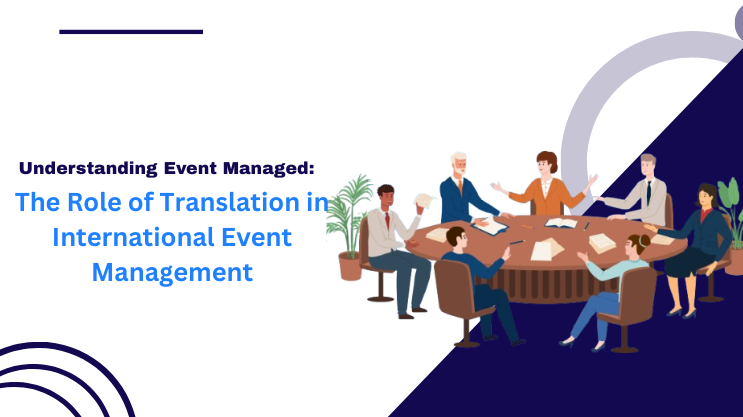
In today’s globalized world, international events such as conferences, trade shows, and corporate gatherings attract participants from diverse linguistic backgrounds. Effective communication is key to ensuring a smooth event experience. This is where professional translation services become indispensable. From marketing materials to live interpretation, translation plays a pivotal role in connecting people across borders.
1. Enhancing Global Communication
International events involve participants who speak different languages. Accurate translation ensures that key messages, presentations, and event information are clearly communicated. This prevents misunderstandings, promotes inclusivity, and helps organizers convey their vision effectively.
Key benefits:
- Translates event invitations, agendas, and brochures.
- Ensures clear communication during workshops and panels.
- Bridges cultural and linguistic gaps among participants.
2. Supporting Marketing and Promotions
Global events rely heavily on effective promotion. Translating marketing content into multiple languages ensures maximum outreach and engagement. Professional translation maintains the tone, style, and branding consistency across all languages, helping attract diverse audiences.
Key benefits:
- Localized social media campaigns.
- Multilingual event websites and landing pages.
- Tailored email campaigns and press releases for international markets.
3. Facilitating On-Site Interpretation
Live interpretation is essential for conferences, seminars, and international meetings. Professional interpreters provide real-time translation, allowing participants to follow presentations and discussions seamlessly. This ensures active participation and inclusivity.
Key benefits:
- Simultaneous and consecutive interpretation for speakers and attendees.
- Enhances engagement during Q&A sessions and networking.
- Promotes smooth interaction between speakers and audiences from different countries.
4. Translating Event Materials
Every international event relies on printed or digital materials, from agendas and handouts to signage and menus. Accurate translation ensures attendees can access all essential information effortlessly, enhancing their overall experience.
Key benefits:
- Translated brochures, programs, and handbooks.
- Multilingual signage for better navigation at venues.
- Translated digital presentations and videos for clarity.
5. Ensuring Cultural Sensitivity
Translation is not just about converting words; it’s about conveying meaning appropriately within a cultural context. Professional translators consider cultural nuances to avoid misinterpretation, ensuring the event resonates positively with all participants.
Key benefits:
- Avoids cultural missteps in communication and marketing.
- Adapts content to suit local customs and etiquette.
- Builds trust and credibility among international attendees.
6. Measuring Event Success
Translation services also help in post-event evaluation. Surveys, feedback forms, and reports can be translated to gather accurate insights from a diverse audience, enabling organizers to improve future events.
Key benefits:
- Multilingual feedback collection.
- Accurate analysis of international attendee responses.
- Enhances planning for future global events.
Conclusion
Professional translation is a cornerstone of successful international event management. It ensures clear communication, effective marketing, cultural sensitivity, and inclusive participation. By partnering with expert translation services, event organizers can create memorable experiences that resonate with a global audience.
In today’s globalized world, international events such as conferences, trade shows, and corporate gatherings attract participants from diverse linguistic backgrounds. Effective communication is key to ensuring a smooth event experience. This is where professional translation services become indispensable. From marketing materials to live interpretation, translation plays a pivotal role in connecting people across borders.